
The sizzle of a perfectly seared steak on a hot grill is a symphony to the ears of any culinary enthusiast or seasoned traveler seeking authentic experiences. Among the pantheon of prime beef cuts, the New York Strip stands out—a cut celebrated for its ideal balance of tenderness, flavor, and a satisfying chew. Whether you’re an intrepid backpacker cooking at a local Airbnb, a luxury traveler enjoying the amenities of a private villa at a five-star resort, or simply dreaming of recreating a memorable meal from a recent trip, mastering the grill is a passport to gastronomic delight.
This article delves into the precise art of grilling a New York Strip, transforming what might seem like a simple task into a nuanced culinary adventure. We’ll explore not just the “how long,” but the “why” behind the timings, the global context of steak culture, and how this quintessential dish connects to the broader worlds of travel, accommodation, and lifestyle. From the bustling steakhouses of Chicago to the serene outdoor grills of a Tuscan country estate, the journey to a flawless New York Strip is one worth savoring.
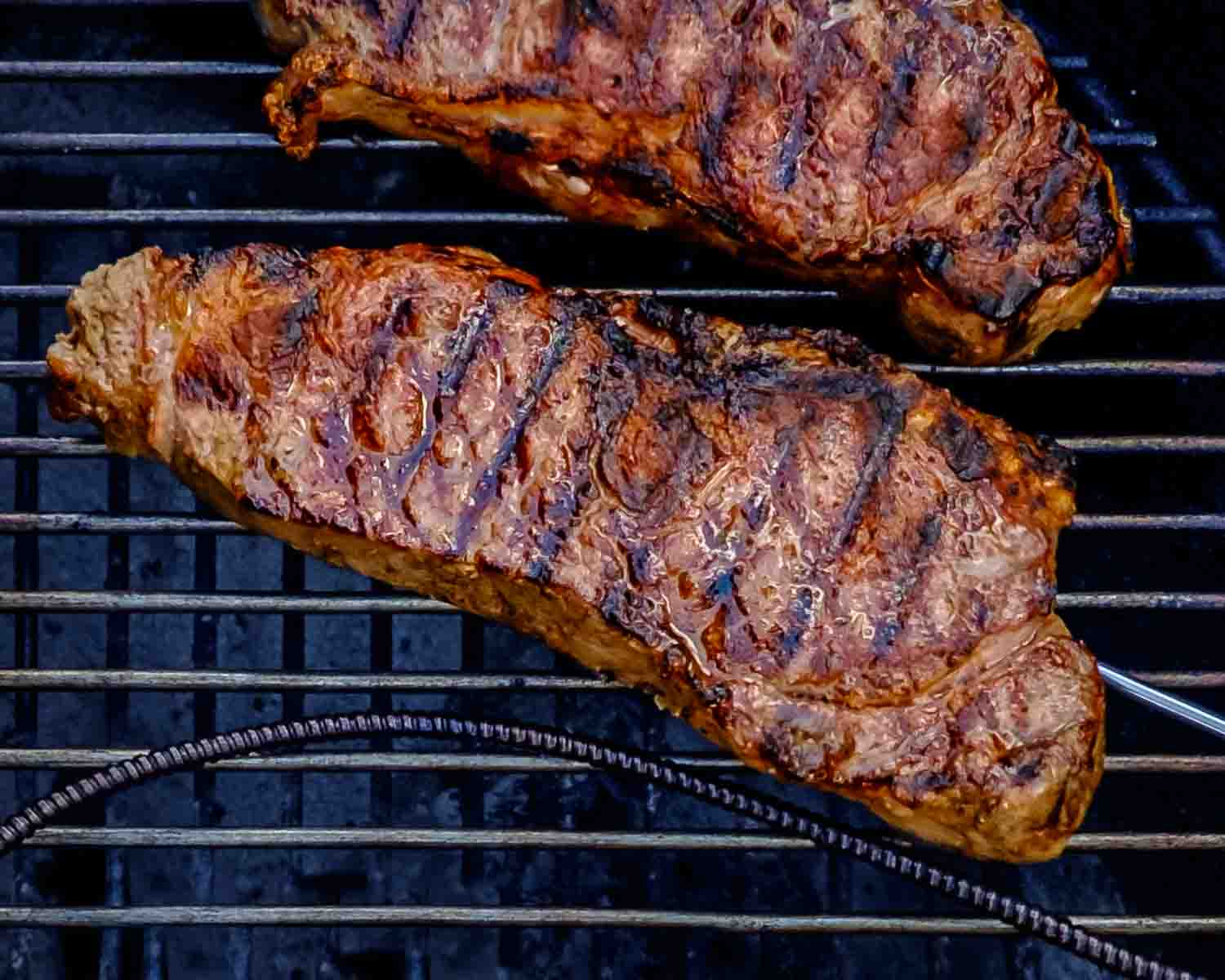
The Art of Grilling the Perfect New York Strip: A Traveler’s Culinary Quest
Imagine yourself on a sun-drenched patio overlooking the Mediterranean Sea, or perhaps nestled in the heart of the Texas Hill Country, with the tantalizing aroma of grilling beef wafting through the air. The New York Strip, also known as a Kansas City Strip, Shell Steak, or Top Loin, is a boneless cut from the short loin, prized for its excellent marbling—those flecks of intramuscular fat that melt during cooking, infusing the meat with incredible flavor and juiciness. Its firm texture and robust beefy taste make it a favorite for grilling, offering a hearty experience that appeals to palates worldwide.
Perfecting its preparation, however, is a skill that marries scientific precision with culinary intuition. It’s an exploration that echoes the very spirit of travel—understanding local nuances, adapting to different environments, and ultimately, creating unforgettable memories.
Understanding Your Steak: Thickness, Marbling, and Cut
Before you even think about grill times, truly understanding the piece of meat in front of you is paramount. Just as a traveler researches their destination, a grill master examines their steak.
Thickness: This is arguably the most critical factor in determining grill time. A standard New York Strip typically ranges from 1 to 1.5 inches thick. Thinner steaks cook much faster and are more prone to overcooking, while thicker cuts require more time and often benefit from a two-zone grilling method (direct high heat followed by indirect lower heat). If your steak is closer to 2 inches thick, you’ll need to adjust your timing significantly, often using a reverse-sear method or relying heavily on indirect heat after a quick sear.
Marbling: The beautiful streaks of fat within the muscle fibers contribute immensely to the steak’s tenderness and flavor. Cuts with good marbling, often graded as USDA Prime or Choice in the United States, will be more forgiving on the grill and yield a juicier result. This is akin to choosing a premium hotel suite for a more luxurious stay—the quality of the raw material directly impacts the final experience. Beef from regions renowned for their cattle, such as Argentina’s Pampas or Japan’s Kobe beef (Wagyu), often boasts superior marbling, making them exceptional candidates for grilling.
Cut Consistency: A uniformly cut steak will cook more evenly. If one end is significantly thinner than the other, you might end up with one part well-done while another is still rare. If possible, trim any excessively thick fat caps down to about a quarter-inch, as this prevents flare-ups and allows for even cooking.
Mastering the Grill: Temperature Zones and Techniques
Whether you’re using a gas grill at a vacation rental or a charcoal grill at a scenic campsite, controlling your heat is crucial. Think of your grill as a kitchen with different “zones” offering varying temperatures, much like a well-appointed hotel with various amenities.
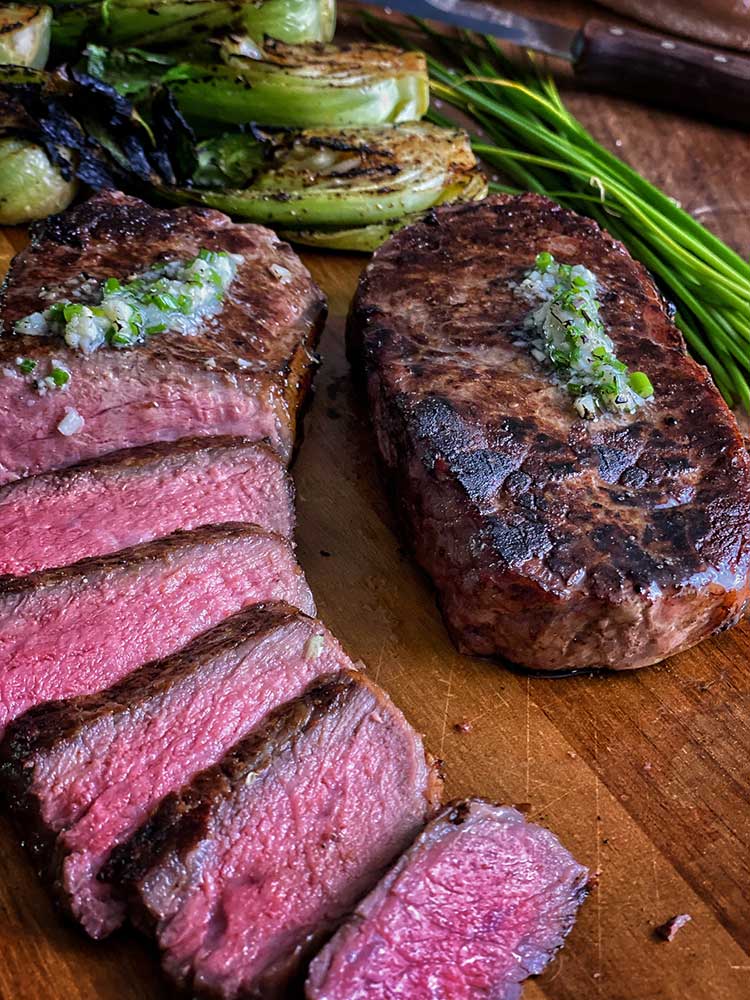
Pre-heating is Non-Negotiable: Always preheat your grill to a high temperature, around 450-500°F (230-260°C), before placing your steak on it. This ensures a proper sear, creating that desirable crust known as the Maillard Reaction. A properly hot grill prevents sticking and seals in juices.
Direct vs. Indirect Heat:
- Direct Heat: This is where the flames or hot coals are directly beneath the steak. It’s perfect for searing and achieving those beautiful grill marks.
- Indirect Heat: This zone is away from the direct heat source. It’s used for slower cooking, especially for thicker steaks, allowing the internal temperature to rise gently without burning the exterior. For a gas grill, this means turning off one or more burners. For charcoal, it means banking coals to one side.
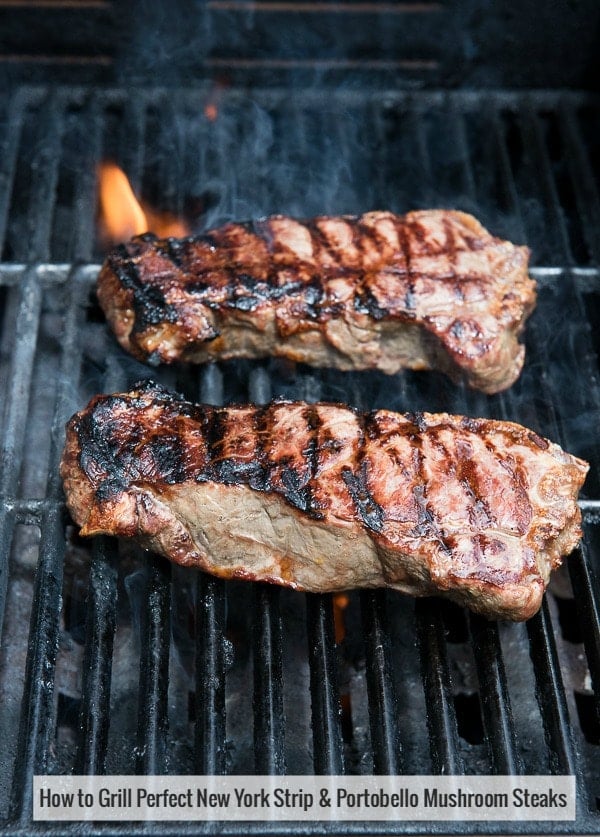
The Sear and Slide Technique: For thicker cuts (1.5 inches or more), start by searing the steak directly over high heat for 2-3 minutes per side to develop a crust. Then, move it to the indirect heat zone, close the lid, and continue cooking until it reaches your desired internal temperature. This method gives you the best of both worlds: a crispy exterior and a perfectly cooked interior.
Seasoning: A good New York Strip doesn’t need much. Coarse salt (like kosher salt or sea salt) and freshly cracked black pepper, applied generously just before grilling, are often sufficient. Some travelers might pick up local spice blends from markets in Morocco or Mexico, which can add a unique regional flair to their steak.
Precision Timing: How Long for Your Desired Doneness?
Now, for the million-dollar question: “How long to grill New York Strip?” The answer, as we’ve established, depends on several factors, but here’s a general guide for a 1 to 1.5-inch thick steak, cooked over high heat (450-500°F / 230-260°C), flipped once. Always use an instant-read meat thermometer for accuracy—it’s your most reliable travel companion for culinary success.
- Rare (125-130°F / 52-54°C):
- Grill Time: Approximately 4-5 minutes total (2-2.5 minutes per side).
- Appearance: Cool red center.
- Medium-Rare (130-135°F / 54-57°C): This is often considered the ideal doneness for New York Strip, offering maximum juiciness and flavor.
- Grill Time: Approximately 5-7 minutes total (2.5-3.5 minutes per side).
- Appearance: Warm red center.
- Medium (135-140°F / 57-60°C):
- Grill Time: Approximately 7-9 minutes total (3.5-4.5 minutes per side).
- Appearance: Warm pink center.
- Medium-Well (140-145°F / 60-63°C):
- Grill Time: Approximately 9-11 minutes total (4.5-5.5 minutes per side).
- Appearance: Slightly pink center.
- Well-Done (145-150°F / 63-66°C): While not typically recommended for a New York Strip due to potential dryness, if this is your preference:
- Grill Time: Approximately 11-13 minutes total (5.5-6.5 minutes per side).
- Appearance: Little to no pink.
Crucial Step: The Rest! After removing your steak from the grill, let it rest on a cutting board, loosely tented with foil, for 5-10 minutes. This allows the juices, which have been pushed to the center by the heat, to redistribute throughout the meat, resulting in a significantly juicier and more tender steak. Skipping this step is akin to rushing through a once-in-a-lifetime landmark visit—you miss out on the full experience. Remember that the internal temperature will continue to rise by a few degrees during this resting period, so factor that into your removal temperature.
Beyond the Grill: Enhancing Your New York Strip Experience Globally
The allure of a perfectly grilled New York Strip extends far beyond the confines of a home kitchen. It’s a dish deeply embedded in global culinary traditions, often forming the centerpiece of luxurious dining experiences or cherished family gatherings. For the discerning traveler, seeking out exceptional steak can be a destination in itself, a culinary journey that reveals much about local culture and hospitality.
Iconic Steakhouses and Culinary Destinations Worldwide
Many travelers define their trips by the unique dining experiences they encounter. Steakhouses, in particular, hold a special place, often combining opulent settings with impeccable service and, of course, outstanding beef.
In the United States, cities like New York City, Chicago, and Kansas City are synonymous with legendary steakhouses. Iconic establishments like Peter Luger Steak House in Brooklyn, Morton’s The Steakhouse, and Ruth’s Chris Steak House offer a classic American steak experience, often featuring dry-aged cuts and a bustling, sophisticated atmosphere perfect for business travelers or luxury vacationers. Many Grand Hyatt, Hilton, or Marriott properties house their own signature steakhouses, providing convenience without compromising on quality for guests.
Venture further afield, and the steak culture transforms. In Buenos Aires, Argentina, the parrillas (steakhouses) serve cuts of grass-fed beef cooked over open flames, a testament to the country’s rich cattle-raising heritage. An evening at a parrilla like Don Julio is not just a meal; it’s a cultural immersion, often accompanied by local Malbec wine and tango music. Similarly, Australia boasts an impressive steak scene, particularly in cities like Melbourne and Sydney, where premium Angus and Wagyu beef are staples. Even in Paris or London, sophisticated brasseries and high-end restaurants now feature excellent steak offerings, often with a French or British twist.
These culinary landmarks offer more than just food; they provide a glimpse into the local lifestyle, the nuances of regional gastronomy, and the sheer joy of shared meals, making them essential stops on any comprehensive travel itinerary.
Grilling on the Go: Self-Catering Stays and Outdoor Adventures
For travelers who prefer a more hands-on approach or are looking for budget-friendly alternatives to dining out, the ability to grill independently can significantly enhance a trip. Self-catering accommodations, from charming holiday villas in Italy to modern apartments in bustling city centers, often come equipped with outdoor grilling facilities.
Imagine renting a beachfront condo in Florida with a private grill, allowing you to enjoy a sunset steak dinner with the sound of waves as your soundtrack. Or perhaps a mountain cabin in Colorado, where a New York Strip grilled under the stars becomes the highlight of a family trip. This lifestyle choice offers unparalleled flexibility and a deeper connection to the local environment. Visiting local markets to source fresh ingredients, including quality beef, becomes part of the adventure, fostering a sense of community and discovery.
Even for more adventurous travelers, portable grills can transform a camping trip into a gourmet experience. Picture grilling a delicious steak amidst the stunning natural beauty of a National Park, a stark contrast to a formal steakhouse but equally memorable. This approach to travel and dining embodies a blend of freedom, resourcefulness, and a passion for good food, demonstrating that a world-class meal isn’t always found in a Michelin-starred restaurant but can be crafted with care wherever your travels take you.
From Farm to Fork: The Lifestyle of a Steak Connoisseur
For many, enjoying a New York Strip is more than just a meal; it’s a lifestyle choice, a celebration of quality, tradition, and the finer things in life. This extends from thoughtfully sourcing the best ingredients to pairing the meal with the perfect accompaniments, transforming a simple dinner into an elevated experience.
Sourcing the Best: Quality Beef and Local Markets
The foundation of any exceptional steak lies in the quality of the beef itself. A true steak connoisseur, whether at home or abroad, understands the importance of provenance.
Breed and Diet: Look for well-marbled cuts from reputable breeds like Black Angus, Hereford, or specialty breeds like Wagyu from Japan, Chianina from Italy, or Piedmontese from Canada and the United States. Grass-fed beef, often found in regions like Ireland or New Zealand, offers a leaner profile and a distinct, often more mineral, flavor. Grain-finished beef, more common in the United States, typically results in richer marbling and a buttery taste.
Aging: Dry-aged beef, a process where cuts are exposed to controlled humidity and temperature for weeks, develops an intensified flavor and incredible tenderness. While more expensive, it’s a gourmet experience sought by those looking for the ultimate steak.
Local Markets: When traveling, visiting local butcher shops or farmer’s markets is an excellent way to discover regional specialties and interact with local producers. A bustling market in Spain or France offers not just quality meat but also an insight into the local culinary landscape and a chance to practice foreign language skills, enriching the tourism experience. Sourcing fresh, local produce for side dishes, like asparagus from California or potatoes from Idaho, further elevates the meal.
Wine Pairings and Accompaniments: Elevating the Meal
A perfectly grilled New York Strip is a star in its own right, but its brilliance can be magnified by thoughtful pairings and accompaniments. This is where the lifestyle aspect truly shines, transforming a meal into a complete sensory journey.
Wine Pairings: Robust red wines are the classic choice. A full-bodied Cabernet Sauvignon from Napa Valley or Bordeaux, a spicy Syrah from Australia, or an earthy Malbec from Argentina all stand up beautifully to the rich flavors of a New York Strip. For a more adventurous pairing, consider a smoky Scotch or a robust craft beer from a local brewery discovered during your travels.
Accompaniments: Classic sides include creamy mashed potatoes, crispy grilled asparagus, a fresh garden salad, or sautéed mushrooms. For a touch of luxury, consider a rich Béarnaise sauce or a vibrant chimichurri (a traditional Argentine herb sauce). These additions not only complement the steak but also add texture and flavor dimensions, much like the diverse attractions and experiences that complete a fulfilling travel itinerary.
Whether you’re enjoying a gourmet meal at a five-star hotel restaurant in Dubai or a simple, yet perfectly cooked, steak at a rustic lodge in the Rocky Mountains, the attention to detail in sourcing, preparing, and presenting the meal speaks volumes about a refined palate and an appreciation for quality.
In conclusion, the question “How long to grill New York Strip?” opens up a world of culinary exploration, intrinsically linked to the joys of travel and a discerning lifestyle. From understanding the nuances of the cut itself to mastering grill temperatures and perfecting precise timings, every step contributes to an unforgettable dining experience. Whether you’re a globetrotter seeking the finest steakhouses, a family on a self-catering adventure, or a connoisseur perfecting your craft at home, the journey of grilling a New York Strip is a delicious testament to the universal language of good food and memorable moments. So, fire up your grill, embrace the adventure, and savor every juicy bite.
LifeOutOfTheBox is a participant in the Amazon Services LLC Associates Program, an affiliate advertising program designed to provide a means for sites to earn advertising fees by advertising and linking to Amazon.com. Amazon, the Amazon logo, AmazonSupply, and the AmazonSupply logo are trademarks of Amazon.com, Inc. or its affiliates. As an Amazon Associate we earn affiliate commissions from qualifying purchases.