
Embarking on a culinary journey through the Southern American landscape is often synonymous with the rich, smoky aroma of barbecue. At the heart of this revered tradition lies the humble, yet magnificent, Boston Butt – a cut of pork shoulder that transforms into tender, succulent pulled pork through hours of slow smoking. For the adventurous food tourist, understanding the art and science behind this culinary staple is not merely about cooking; it’s about delving into local culture, appreciating regional nuances, and perhaps even mastering a skill that defines a significant part of American gastronomy. When faced with the task of smoking a 7 lb Boston Butt, the primary question that arises is, predictably, “how long?” The answer, however, is a fascinating blend of scientific principles, pitmaster intuition, and cultural tradition that speaks volumes about the immersive experience of food tourism.

Embracing Southern Barbecue Culture: The Art of the Boston Butt
The Boston Butt, despite its name, comes from the upper part of the pig’s front shoulder, encompassing both the blade bone and a good amount of connective tissue and fat. This marbling is precisely what makes it ideal for low-and-slow smoking, rendering it melt-in-your-mouth tender. Its prominence in Southern barbecue is no accident; it represents a commitment to transforming an overlooked cut into a dish of profound flavor and cultural significance. From lively backyard gatherings to world-renowned barbecue festivals, the pulled pork sandwich, crafted from a perfectly smoked Boston Butt, stands as an iconic emblem of Southern hospitality and culinary prowess. Experiencing this first-hand, whether by sampling from a legendary roadside stand in Lexington, North Carolina, or attending a competitive cook-off in Memphis, Tennessee, offers a tangible connection to the region’s soul.
The slow smoking process is not merely a cooking method; it’s a ritual that has been perfected over generations, passed down through families and local pitmasters. It’s about patience, attention to detail, and a deep respect for the ingredients. The distinct smoky flavor, the development of a dark, flavorful “bark” on the exterior, and the ultimate tenderness of the meat are all hallmarks of a successful smoke, eagerly anticipated by locals and tourists alike. For a 7 lb Boston Butt, this journey from raw cut to culinary masterpiece typically demands a significant time investment, making it a weekend project or a special event centerpiece. The anticipation built during these long hours is as much a part of the experience as the first bite, fostering a deeper appreciation for the craft and the cultural context it embodies.
The Pitmaster’s Quest: Decoding Smoking Times for Your Culinary Journey
Answering “how long to smoke a 7 lb Boston Butt?” requires understanding that barbecue is an art guided by science. Generally, a good rule of thumb for pork shoulder is 1.5 to 2 hours per pound at a consistent smoker temperature of around 225-275°F (107-135°C). For a 7 lb cut, this suggests a smoking time of approximately 10.5 to 14 hours. However, numerous variables can influence this timeline, turning the cooking process into an engaging lesson in culinary adaptability. These factors include the smoker’s efficiency, ambient temperature, humidity, the bone-in or boneless nature of the butt, and even the specific marbling of the meat itself.
Temperature Zones and the Flavor Profile
Maintaining a consistent smoker temperature is paramount. Temperatures on the lower end of the spectrum (225-250°F) will take longer but often result in a more pronounced smoke ring and deeper flavor penetration. Higher temperatures (250-275°F) can shorten the cooking time slightly, but a careful balance must be struck to prevent the exterior from drying out before the interior reaches desired tenderness. The goal is to render the fat and connective tissue into gelatin, creating that signature juicy, pull-apart texture. This transformation typically occurs when the internal temperature of the meat reaches between 195°F and 205°F (90-96°C).
A crucial phase in the smoking process is often referred to as “the stall.” This is when the internal temperature of the meat seemingly plateaus, sometimes for several hours, typically between 150-170°F (65-77°C). This phenomenon is due to evaporative cooling from the meat’s surface, and it’s a test of patience for any aspiring pitmaster or culinary enthusiast. Pushing through the stall without drastically increasing temperature is key to achieving optimal results. Some pitmasters employ the ” Texas Crutch“—wrapping the butt in foil or butcher paper—to power through the stall, but this can impact the development of the coveted bark. Each approach reflects different regional philosophies and desired textural outcomes, adding another layer to the diverse tapestry of Southern barbecue traditions.
The “Feel” for Doneness: Beyond the Clock
While internal temperature is a critical indicator, experienced pitmasters emphasize that the ultimate measure of doneness for a Boston Butt is its tenderness. The meat should feel incredibly soft when probed with a thermometer or skewer, encountering minimal resistance, akin to inserting a probe into warm butter. This “probe tender” stage indicates that the collagen has fully broken down. Rushing the process can result in tough, chewy meat, while overcooking can lead to a dry, mealy texture.
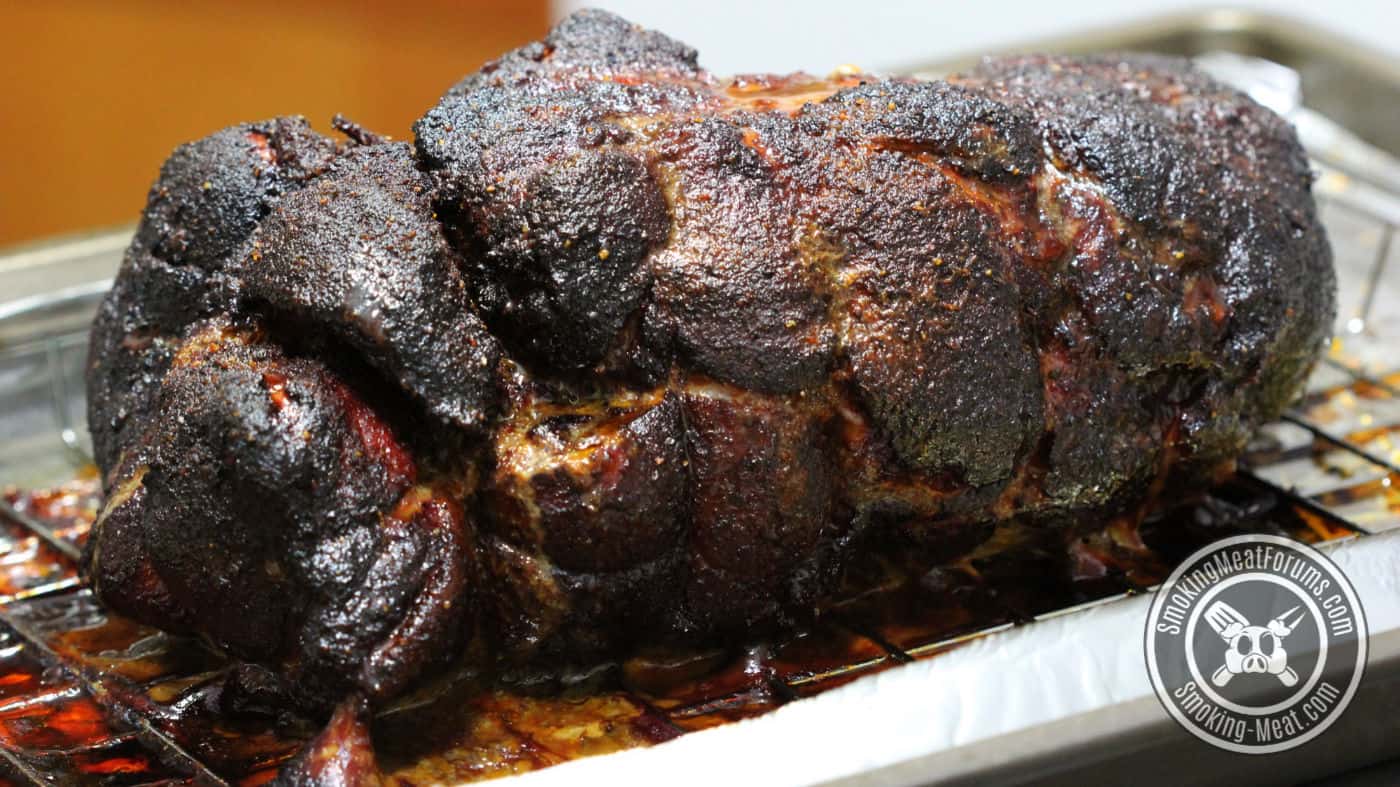
Once the butt reaches the desired tenderness, it’s essential to let it rest. This crucial step, often overlooked, allows the meat to reabsorb its juices, resulting in a more succulent final product. A rest period of at least 1-2 hours, wrapped loosely in foil and then in a towel inside a cooler, can significantly enhance the eating experience. This entire process, from preparing the meat and firing up the smoker to the patient wait and the final rest, encapsulates the deep appreciation for food that is central to many local cultures and a highlight for any discerning food tourist.
Beyond the Smoke: Serving and Savoring Your Culinary Creation
After hours of dedicated smoking, the moment arrives to pull apart the tender meat. This act itself is a celebration, turning the beautifully smoked pork into piles of shredded deliciousness. But the journey doesn’t end there. How you serve and savor your pulled pork is just as integral to the cultural experience, reflecting regional traditions and personal preferences.
Regional Sauce Pairings: A Taste of Place
One of the most defining aspects of Southern barbecue culture is the incredible diversity of sauces. Each region boasts its signature style, transforming the same smoked pork into entirely different culinary experiences. For instance, Eastern North Carolina is famed for its thin, tangy vinegar-based sauce, which cuts through the richness of the pork beautifully. In contrast, South Carolina offers a unique mustard-based ” Carolina Gold” sauce, sweet and savory with a distinct zing. Across other parts of the South, a thicker, sweeter tomato-based sauce, often infused with molasses and spices, might be preferred. Exploring these regional variations is a highlight for any culinary explorer, turning a simple meal into a geographical and historical lesson in flavor.
Pairing with Local Sides: Completing the Experience
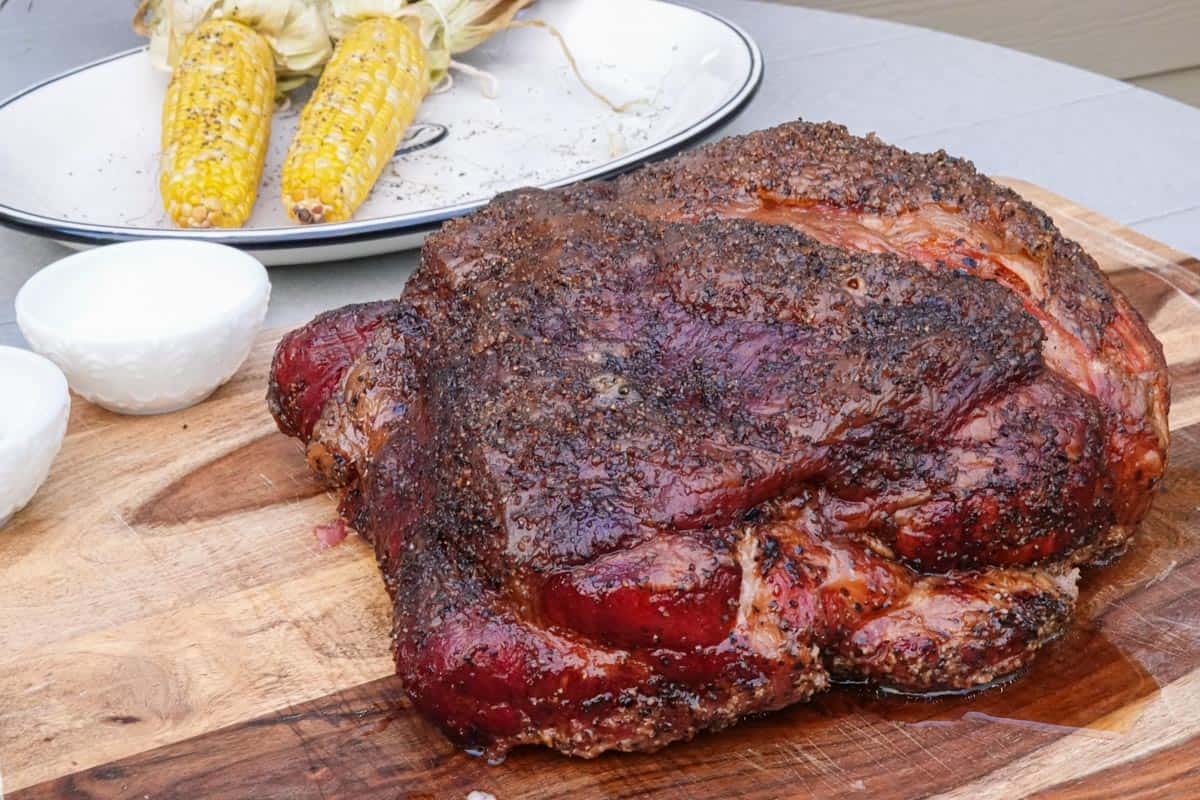
No plate of pulled pork is complete without its traditional accompanying side dishes. These sides are not mere afterthoughts; they are essential components that round out the meal and further reflect local culinary traditions. Classic choices often include creamy coleslaw, baked beans (sometimes slow-cooked with leftover smoked meat), corn on the cob, macaroni and cheese, and cornbread. Each side offers a textural and flavor contrast, from the crispness of coleslaw to the comforting starchiness of mac and cheese, creating a balanced and satisfying meal. Experiencing these pairings in their native settings, perhaps at a local barbecue joint with checkered tablecloths and overflowing sweet tea, provides an authentic glimpse into the everyday culinary life of the South.
Planning Your Barbecue Pilgrimage: Tips for the Enthusiastic Food Tourist
For those inspired by the art of the Boston Butt and eager to explore the world of Southern barbecue, several avenues offer immersive experiences. Whether you’re planning to try your hand at smoking or simply wish to taste the best, thoughtful planning can enhance your culinary pilgrimage.
Attending Barbecue Festivals: A Feast for the Senses
Barbecue festivals are vibrant celebrations of smoked meat, attracting pitmasters, enthusiasts, and foodies from all corners. Events like the Memphis in May International Festival or the American Royal World Series of Barbecue in Kansas City, Missouri, offer unparalleled opportunities to sample diverse styles of smoked pork, interact with award-winning pitmasters, and soak in the festive atmosphere. These festivals are not just about eating; they are cultural events that showcase the competitive spirit, camaraderie, and deep-seated traditions surrounding barbecue.
Seeking Out Authentic Smokehouse Experiences
Beyond the festival circuit, seeking out authentic, local smokehouses is a rewarding endeavor. These establishments, often family-run for generations, embody the true spirit of regional barbecue. Look for places with well-worn signs, the tell-tale scent of wood smoke lingering in the air, and queues of locals—these are often indicators of genuine quality and tradition. Don’t be afraid to venture off the beaten path; some of the most memorable barbecue experiences are found in unassuming establishments that prioritize flavor and authenticity over fanfare. Engage with the staff, learn about their history, and appreciate the nuances that make their particular style unique. This direct engagement with local culinary experts and their craft enriches the travel experience, transforming a simple meal into a profound connection with the culture and community.
LifeOutOfTheBox is a participant in the Amazon Services LLC Associates Program, an affiliate advertising program designed to provide a means for sites to earn advertising fees by advertising and linking to Amazon.com. Amazon, the Amazon logo, AmazonSupply, and the AmazonSupply logo are trademarks of Amazon.com, Inc. or its affiliates. As an Amazon Associate we earn affiliate commissions from qualifying purchases.