
The allure of a perfectly smoked Boston butt is undeniable. This cut of pork, known for its rich marbling and ability to transform into tender, melt-in-your-mouth deliciousness under the gentle heat of a smoker, is a cornerstone of barbecue. Achieving that smoky perfection, however, requires patience and an understanding of the cooking process. A common question that arises for both novice and experienced pitmasters is, “How long to smoke a Boston butt at 250 degrees Fahrenheit?” While there’s no single definitive answer due to variations in meat, equipment, and environmental factors, we can establish a reliable framework to guide your smoking journey.
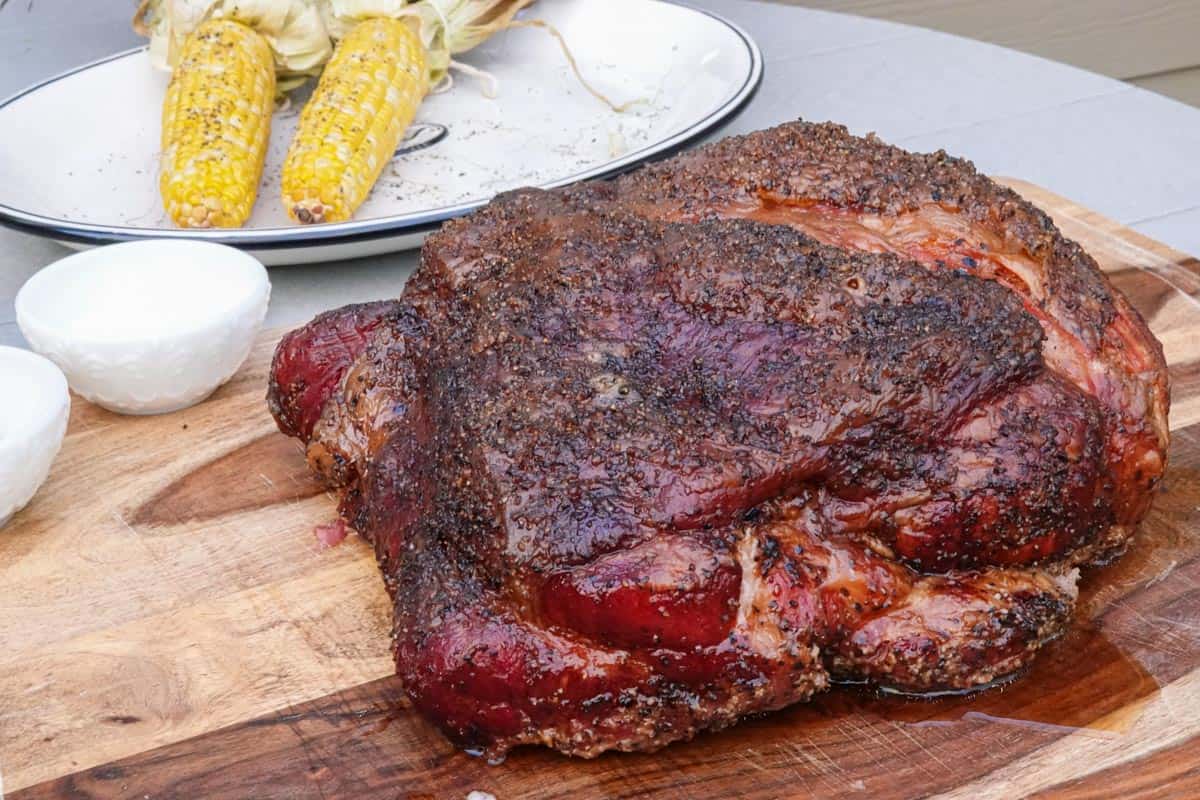
Understanding the Fundamentals of Smoking a Boston Butt
Smoking a Boston butt is an exercise in low and slow cooking. The goal is to break down the connective tissues and render the fat, creating a succulent and flavorful outcome. The temperature of 250°F (approximately 121°C) is a widely accepted sweet spot for this process, offering a balance between efficient cooking time and optimal smoke penetration.
The Role of Temperature
The 250°F target is crucial. Too low, and the cooking time can become excessively long, potentially drying out the meat. Too high, and the exterior can char before the interior is properly cooked, or the fat may not render sufficiently, resulting in a less tender product. This consistent, moderate temperature allows smoke to adhere to the surface of the meat, imparting its characteristic flavor, while simultaneously cooking it through.
Internal Temperature as the True Indicator
While cooking time is a helpful guideline, the most accurate measure of doneness for a Boston butt is its internal temperature. The target internal temperature for pulled pork, which a Boston butt readily transforms into, is typically between 195°F and 205°F (90°C to 96°C). This range signifies that the collagen has broken down sufficiently, resulting in that sought-after shredded texture. Using a reliable meat thermometer is non-negotiable for achieving consistent results.
The Stall: A Common Phenomenon
One of the most talked-about aspects of smoking larger cuts of meat like a Boston butt is “the stall.” This occurs when the internal temperature of the meat plateaus and stops rising, sometimes for hours. It’s a natural part of the process, primarily due to evaporative cooling. As moisture on the surface of the meat evaporates, it draws heat away, counteracting the heat from the smoker. Understanding and anticipating the stall can prevent unnecessary stress during the cooking process.
Estimating Smoking Time for a Boston Butt
When smoking a Boston butt at 250°F, a general rule of thumb for estimating the cooking time is approximately 1.5 to 2 hours per pound. This provides a starting point for planning your smoke.
Typical Weight and Time Ranges
A standard Boston butt can range in weight from 5 to 10 pounds (approximately 2.3 to 4.5 kg). Let’s break down the estimated times based on this rule of thumb:
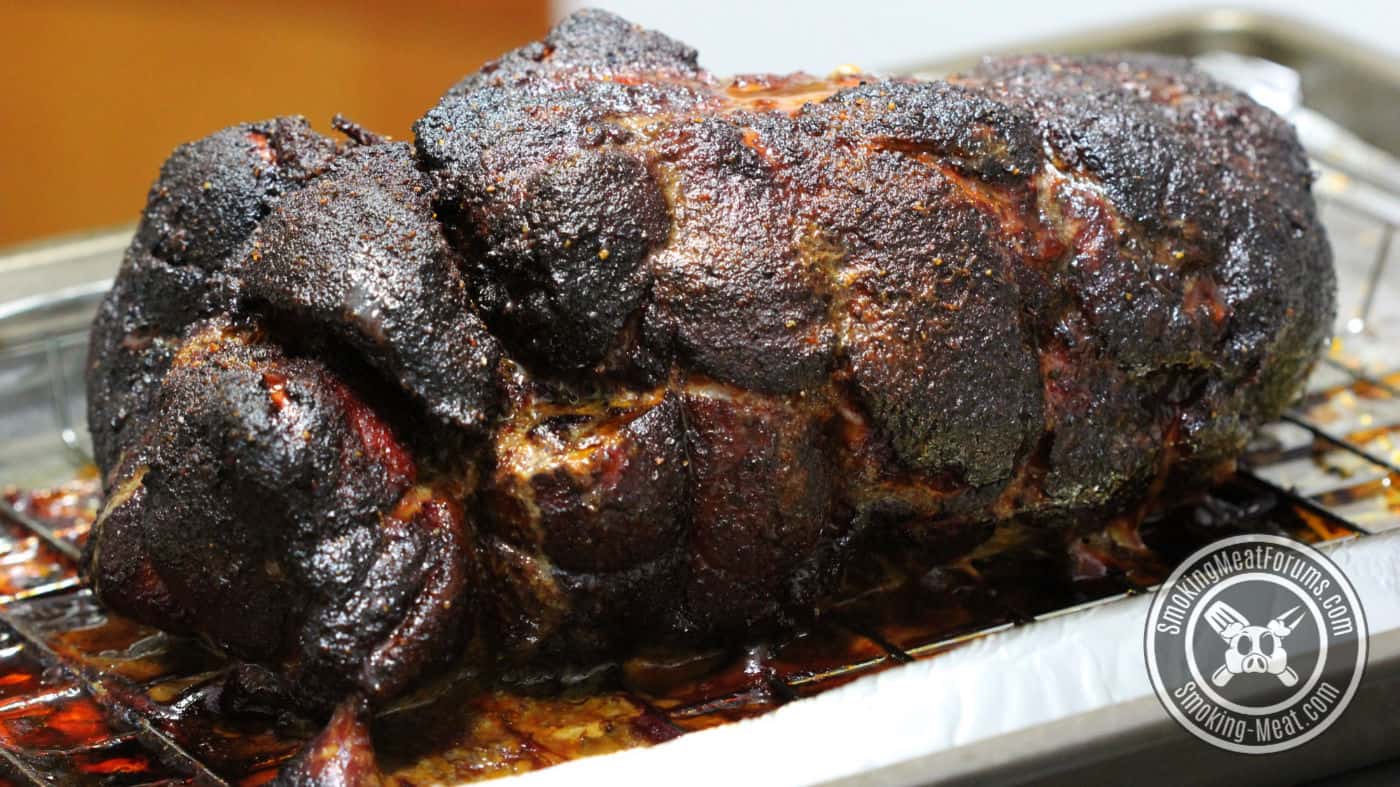
- 5-pound Boston butt: Expect a smoking time of roughly 7.5 to 10 hours.
- 7-pound Boston butt: This would likely take between 10.5 to 14 hours.
- 10-pound Boston butt: Plan for a cooking time of approximately 15 to 20 hours.
It is crucial to remember that these are estimates. Many factors can influence the actual cooking time, making it essential to rely on internal temperature rather than the clock.
Factors Influencing Smoking Time
- Meat Thickness and Density: Thicker or denser cuts will generally take longer to cook.
- Smoker Temperature Fluctuations: Inconsistent smoker temperatures will directly impact cooking time.
- Ambient Weather Conditions: Cold or windy weather can affect smoker performance and increase cooking time.
- Opening the Smoker Lid: Frequent checks and lifting the lid release precious heat and smoke, extending the cooking duration.
- Meat Fat Content: While fat is desirable for flavor and moisture, variations in marbling can influence how quickly the meat reaches its target temperature.
- Pre-Smoking Preparation: Trimming excess fat or applying rubs can slightly alter the surface characteristics and initial cooking stages.
The Smoking Process: From Prep to Pull
Achieving that perfect Boston butt involves more than just placing it in the smoker. A thoughtful approach to preparation and the smoking process itself is key.
Preparation and Seasoning
- Trimming: While Boston butts have a good amount of fat, you may want to trim the thickest layer of external fat down to about 1/4 inch. This allows the rub to adhere better and smoke to penetrate.
- The Binder: A thin layer of binder is often applied to help the rub stick. Common binders include yellow mustard, hot sauce, or even a simple water spray.
- The Rub: A generous application of your favorite barbecue rub is essential for developing a flavorful bark. Classic rubs often include paprika, brown sugar, chili powder, garlic powder, onion powder, and black pepper. Allow the rub to adhere for at least 30 minutes, or ideally, several hours or overnight in the refrigerator for deeper flavor.
The Smoking Environment
- Wood Choice: Different woods impart distinct flavors. Popular choices for pork include hickory, mesquite, apple, cherry, and pecan. Experiment to find your preference. Start with a few chunks or chips, and add more as needed to maintain a steady stream of smoke.
- Smoker Setup: Ensure your smoker is stable at 250°F before placing the Boston butt on the grates. Position the meat fat-side up or down depending on your smoker’s design and heat source. If your smoker has a water pan, filling it can help maintain humidity and stabilize temperatures.
The Cooking Journey: Monitoring and Managing
- Initial Smoke: For the first few hours, aim for a consistent, thin blue smoke. This is when the meat is most receptive to smoke flavor.
- The Stall and Beyond: As mentioned, be prepared for the stall. Resist the urge to constantly check the temperature.
- The Wrap (Optional but Recommended): Many pitmasters choose to wrap their Boston butts once they’ve achieved a good bark and potentially hit the stall (around 150-160°F internal). Wrapping in butcher paper or foil helps to push the meat through the stall more quickly and retain moisture. If wrapping, place the butt back in the smoker until it reaches its target internal temperature.
- Resting is Crucial: Once the Boston butt reaches an internal temperature of 195°F to 205°F, remove it from the smoker. The resting period is as important as the smoking. Wrap the butt tightly in foil or butcher paper and place it in a cooler (without ice) or a warming oven set to around 150°F for at least 1 to 2 hours, or even longer. This allows the juices to redistribute throughout the meat, resulting in a more tender and moist final product.
Serving Your Masterpiece
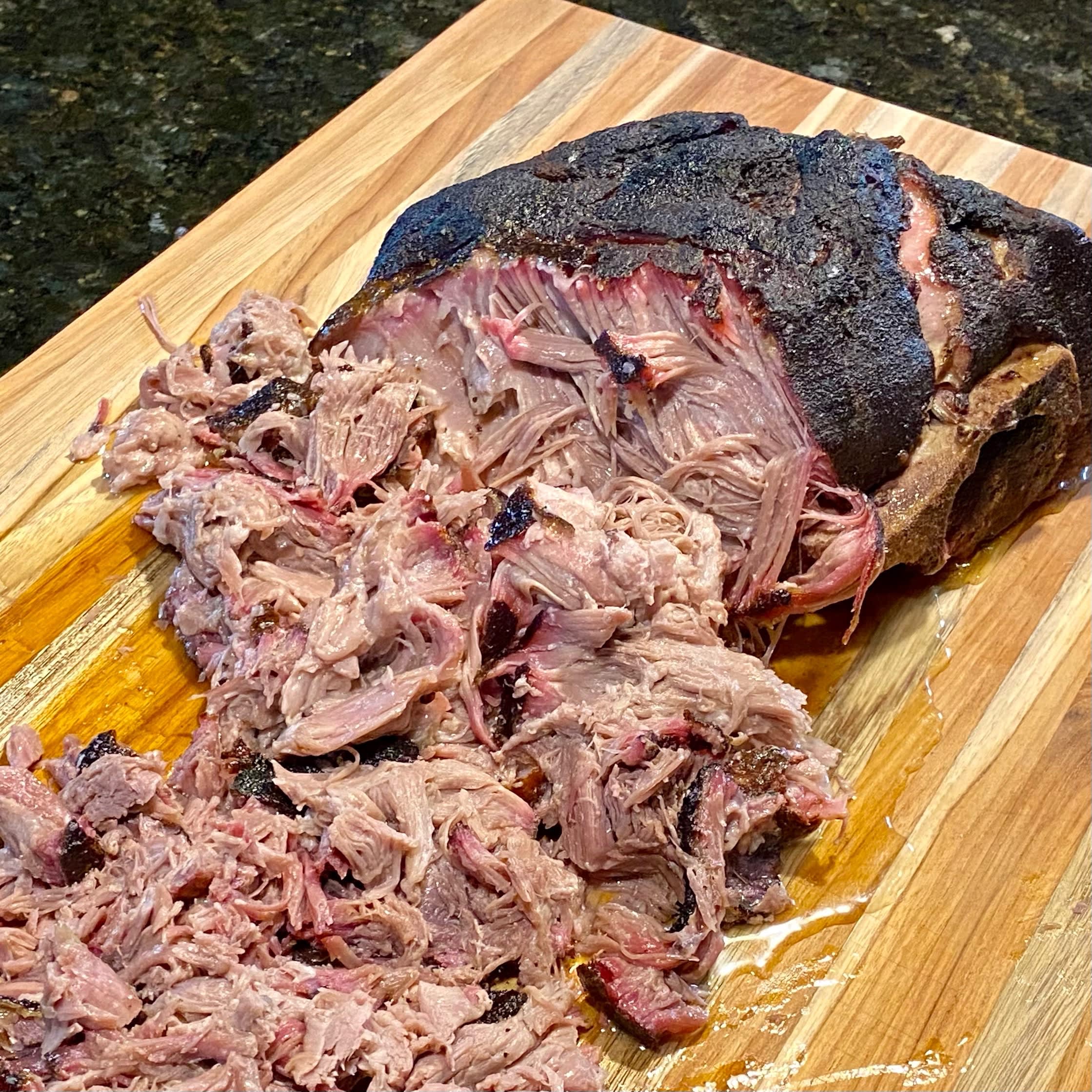
After its well-deserved rest, your Boston butt is ready to be pulled. Use two forks to shred the meat, discarding any large pieces of fat or bone. The smoky, tender, and juicy pork is the perfect base for sandwiches, tacos, or served as a main course with your favorite barbecue sides. The time invested in smoking a Boston butt at 250°F, while variable, is always rewarded with a culinary experience that delights the senses. Whether you’re hosting a backyard barbecue in Texas or a festive gathering in North Carolina, this classic cut of pork, when smoked with care and patience, is sure to be a crowd-pleaser.
LifeOutOfTheBox is a participant in the Amazon Services LLC Associates Program, an affiliate advertising program designed to provide a means for sites to earn advertising fees by advertising and linking to Amazon.com. Amazon, the Amazon logo, AmazonSupply, and the AmazonSupply logo are trademarks of Amazon.com, Inc. or its affiliates. As an Amazon Associate we earn affiliate commissions from qualifying purchases.