
Florida, often affectionately known as the Sunshine State, has long been a beacon for travelers seeking sun-drenched beaches, vibrant cities, and unparalleled recreational opportunities. From the pulsating nightlife of Miami to the magical theme parks of Orlando and the serene beauty of the Florida Keys, tourism is not just an industry here; it’s the very lifeblood of the state’s economy and identity. However, an existential question quietly, yet persistently, hovers over this idyllic landscape: how long until Florida is underwater? This isn’t a hyperbolic doomsday prophecy but a serious inquiry rooted in scientific projections about rising sea levels, posing profound challenges and necessitating innovative adaptations for Florida’s tourism future.
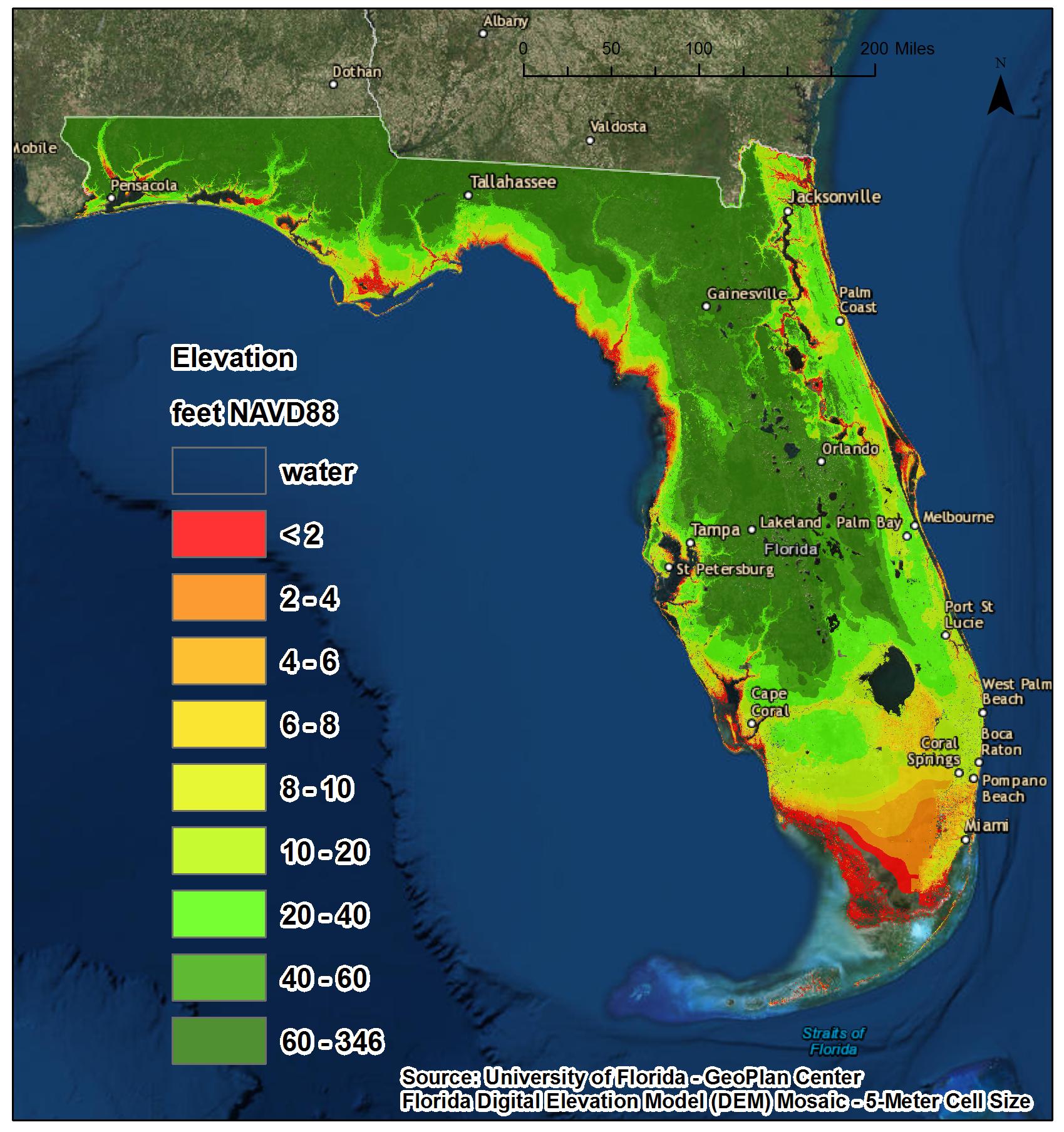
The state’s unique geography – a low-lying peninsula surrounded by the Atlantic Ocean and the Gulf of Mexico – makes it exceptionally vulnerable to the impacts of climate change. While the immediate disappearance of the entire state is not on the horizon, the gradual encroachment of the sea is already affecting coastal communities, infrastructure, and, critically, the tourism experiences that draw millions annually. Understanding this timeline, and more importantly, the strategic responses being developed, is crucial for anyone with an interest in the future of travel and leisure in the United States‘ premier coastal destination.
The Sunshine State’s Shifting Shores: A Looming Challenge for Tourism
Florida’s allure is inextricably linked to its extensive coastline and pristine waters. Yet, these very assets are at the forefront of the climate crisis. The tourism industry, which generates billions of dollars and supports over 1.5 million jobs, faces unprecedented pressures.
Florida’s Unique Vulnerability
Geologically, Florida is built on porous limestone, making it particularly susceptible to saltwater intrusion and nuisance flooding, even from minor tidal shifts. Unlike states with higher elevations, much of Florida’s coastline, especially South Florida, sits just a few feet above current sea level. Scientific models from organizations like the National Oceanic and Atmospheric Administration (NOAA) indicate that sea levels could rise by several feet by the end of the century. This isn’t a uniform threat; some areas will experience impacts sooner and more severely than others.
For tourism, this means that iconic beach destinations could see shrinking shorelines, increased erosion, and compromised infrastructure. Resorts, hotels, and vacation rentals built just yards from the ocean, once boasting prime locations, now face the growing risk of inundation. Beyond the immediate physical threats, the perception of a destination under siege can also deter visitors, prompting a re-evaluation of how Florida markets itself and what experiences it offers in an evolving environmental landscape.
The Economic Engine of Coastal Tourism
Coastal tourism is the backbone of Florida’s economy. From the vibrant art deco hotels of Miami Beach to the fishing charters of Key West and the family-friendly resorts along the Gulf Coast, millions flock to Florida’s shores each year. This influx of visitors supports a vast network of businesses, including restaurants, shops, tour operators, and transportation services. The economic implications of rising sea levels are therefore staggering. Property values in vulnerable areas could decline, insurance costs could skyrocket, and the cost of maintaining coastal infrastructure will become increasingly burdensome. The challenge lies in protecting these vital economic hubs while simultaneously adapting to unavoidable environmental changes. This requires not just engineering solutions, but also innovative approaches to urban planning and a clear vision for the future of tourism.
Iconic Destinations on the Frontline: What’s at Risk?
The impacts of rising sea levels are not abstract; they manifest in tangible ways across Florida’s most beloved tourist hotspots. Each region faces unique challenges that demand tailored responses.
Miami and the Gold Coast‘s Battle Against the Tides
Miami, often considered the gateway to Latin America and a global tourism powerhouse, is perhaps the most visible battleground. King Tides already bring saltwater onto city streets, impacting daily life and posing threats to critical infrastructure. The city and its surrounding Gold Coast communities like Fort Lauderdale and Palm Beach are investing heavily in sea walls, pump stations, and raising roads to combat saltwater intrusion. For visitors, this might mean encountering construction, altered streetscapes, or even temporary closures during peak tide events. However, these efforts also highlight a commitment to preserving the region’s appeal, showcasing resilience in the face of adversity. The future of Miami tourism will likely involve a blend of urban beach experiences and a greater emphasis on elevated, resilient developments.
The Fragile Ecosystems of the Florida Keys
The Florida Keys, a string of tropical islands stretching into the Gulf of Mexico, represents another critical vulnerability. These low-lying islands are a haven for eco-tourism, renowned for their vibrant coral reefs, unique marine life, and laid-back atmosphere. Rising sea levels threaten not only the land mass of the keys themselves but also the delicate marine ecosystems, like the Florida Reef Tract, which are vital attractions for divers and snorkelers. Saltwater intrusion also impacts freshwater lenses, endangering vegetation and wildlife habitats within areas like Everglades National Park, a critical destination just north of the keys. The tourism industry here must focus on sustainable practices, environmental preservation, and potentially diversifying attractions to include experiences less susceptible to coastal changes.
Central Florida’s Inland Resilience and Related Impacts
While coastal areas face the most direct threats, inland destinations like Orlando and its world-famous theme parks, including Walt Disney World and Universal Studios Florida, are relatively shielded from immediate sea-level rise. However, they are not entirely immune to broader climate impacts, such as more intense rainfall, extreme heat, and increased hurricane activity. These conditions can disrupt travel plans, cause temporary closures, and affect the overall visitor experience. Furthermore, the economic well-being of the entire state is interconnected; if coastal tourism falters, the ripple effect will eventually reach inland communities. The challenge for Central Florida lies in maintaining its appeal through sustainable operations, robust storm preparedness, and perhaps even playing a role in supporting displaced coastal populations and businesses.
Adapting and Innovating: Building a Resilient Tourism Future
The narrative is not solely one of impending doom; it is also one of remarkable adaptation and innovation. Florida’s tourism sector, recognizing the gravity of the situation, is actively pursuing strategies to build a more resilient future.

Infrastructure Upgrades and Coastal Protection
Across Florida, cities are investing billions in “resilience infrastructure.” This includes elevating roads, improving stormwater drainage systems, building higher seawalls, and restoring natural coastal defenses like mangroves and dunes. In places like Tampa and St. Petersburg on the Gulf Coast, urban planning is incorporating green infrastructure solutions to manage water more effectively. These efforts aim to protect existing tourism assets and ensure continued accessibility for visitors. While these projects can be costly and disruptive in the short term, they are critical for securing long-term viability. Tourists might notice these changes, but understanding their purpose can foster appreciation for the state’s commitment to its future.
Ecotourism and Shifting Attractions
As some traditional beach areas face challenges, there’s a growing emphasis on diversifying Florida’s tourism offerings. Ecotourism, focusing on the state’s incredible natural landscapes beyond the immediate coastline, is gaining traction. Exploring the unique wetlands of the Everglades, kayaking through bioluminescent bays, or discovering inland springs offers alternative experiences that are less susceptible to sea-level rise. The focus is shifting towards promoting sustainable tourism practices, educating visitors about Florida’s diverse ecosystems, and encouraging exploration of its rich cultural heritage in cities like St. Augustine or Sarasota. This strategic pivot not only safeguards tourism but also contributes to the conservation of Florida’s natural wonders.
Policy, Planning, and Community Engagement
Effective adaptation requires comprehensive planning that integrates scientific projections with economic realities and community needs. Local governments, often supported by state and federal initiatives, are developing resilience plans that include updated building codes, land-use regulations, and incentives for sustainable development. Engaging local communities, including tourism businesses and residents, is paramount to ensure that these plans are practical and supported. Visitors who choose to travel to Florida can support these efforts by patronizing businesses that prioritize sustainability and by respecting local environmental guidelines. The future of Florida’s tourism will be shaped by how effectively these multi-layered approaches are implemented.
The Traveler’s Role: Informed Choices and Sustainable Practices
For travelers, the question of “how long” until Florida is underwater should prompt not fear, but rather an opportunity for informed and responsible engagement with this beloved destination.
Supporting Responsible Tourism Operators
When planning a trip to Florida, consider choosing hotels, tour operators, and businesses that actively implement sustainable practices. Look for certifications, ask about their environmental policies, and support those that are investing in resilience and conservation efforts. Your travel dollars can be a powerful tool to encourage positive change and reinforce the value of sustainable tourism practices. Many businesses, from boutique hotels in Key Largo to major resorts in Orlando, are increasingly transparent about their environmental commitments.
Understanding the Environmental Impact of Your Visit
Every traveler has an environmental footprint. While visiting Florida, be mindful of your water and energy consumption, minimize waste, and adhere to local guidelines for protecting natural areas. Simple actions like using reef-safe sunscreen, not disturbing wildlife, and staying on marked trails in parks like the Everglades can collectively make a significant difference. Educating yourself about the specific environmental challenges of the areas you visit can enhance your experience and contribute to preservation efforts.
Exploring Beyond the Beaches
While Florida’s beaches are undeniably spectacular, consider dedicating part of your trip to exploring its equally captivating inland attractions. Discover the history of St. Augustine, the natural springs near Gainesville, or the cultural richness of Tampa’s Ybor City. This not only diversifies your travel experience but also helps distribute tourism’s economic benefits across the state, supporting communities beyond the most vulnerable coastlines. Tallahassee, the state capital, offers a different side of Florida’s history and natural beauty, far from the immediate threat of sea-level rise.
Beyond the Horizon: What the Future Holds for Florida Tourism
The question of “how long” until Florida is underwater doesn’t have a single, definitive answer. It’s a complex scenario influenced by global climate actions, regional hydrological dynamics, and the pace of human adaptation.
Long-Term Projections and Unforeseen Changes
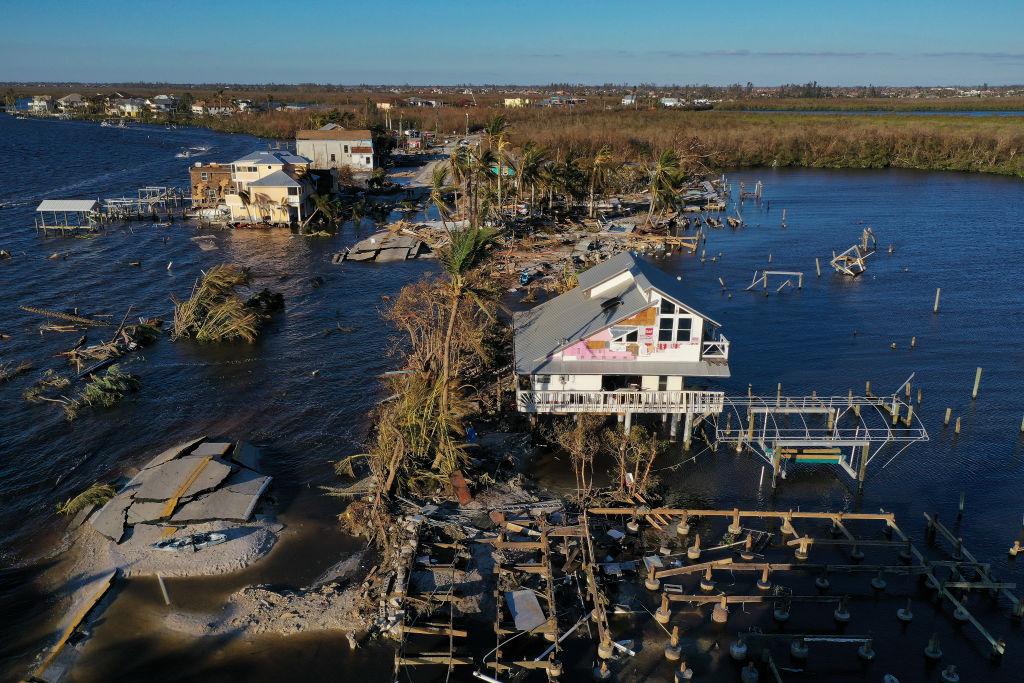
Current projections suggest a gradual, rather than sudden, transformation. While significant portions of coastal Florida could be permanently inundated over the next century, the immediate future involves managing increased flooding, erosion, and saltwater intrusion. However, climate models are constantly refined, and unforeseen climate tipping points could accelerate or alter these timelines. This uncertainty underscores the need for continuous monitoring, flexible planning, and robust investment in both protective measures and sustainable tourism development. Jacksonville, on Florida’s northeast coast, exemplifies a larger coastal city grappling with these long-term challenges.
A Call for Collective Action
Ultimately, the future of Florida as a premier tourism destination hinges on collective action—from international efforts to curb greenhouse gas emissions to state-level resilience strategies and individual choices by travelers. By understanding the challenges, supporting sustainable initiatives, and making informed travel decisions, visitors can play a vital role in preserving the magic of the Sunshine State for generations to come. Florida is adapting, innovating, and preparing, ensuring that while its shores may shift, its spirit of hospitality and natural wonder will endure.
LifeOutOfTheBox is a participant in the Amazon Services LLC Associates Program, an affiliate advertising program designed to provide a means for sites to earn advertising fees by advertising and linking to Amazon.com. Amazon, the Amazon logo, AmazonSupply, and the AmazonSupply logo are trademarks of Amazon.com, Inc. or its affiliates. As an Amazon Associate we earn affiliate commissions from qualifying purchases.