
The story of [Texas] is one of resilience, ambition, and a unique period of independence that continues to captivate historians and travelers alike. Often celebrated for its “Lone Star State” identity, [Texas] wasn’t always a part of the [United States]. For a pivotal nine years, from 1836 to 1845, it existed as an independent nation, the [Republic of Texas]. This brief yet impactful era shaped the state’s character, its political landscape, and its enduring cultural heritage, offering a rich tapestry for anyone interested in American history, historical landmarks, and immersive cultural tourism.
For visitors planning a trip to this vast and historically significant state, understanding the period of the [Republic of Texas] is crucial to appreciating the numerous historical sites, museums, and traditions that dot its expansive landscape. From the battlegrounds where independence was won to the stately homes of its early leaders, [Texas] offers a compelling journey back in time. Whether you’re seeking a luxury travel experience exploring grand historic estates or a budget travel adventure tracing the footsteps of pioneers, the legacy of the Republic is an inescapable and fascinating part of any [Texas] itinerary. As you delve into this period, you’ll uncover the motivations behind its fight for freedom, the challenges it faced as a sovereign nation, and the eventual path that led it to join the [United States], all while discovering incredible destinations, attractions, and accommodations across the state.

The Birth of a Nation: Texas’s Quest for Independence
The path to Texan independence was fraught with conflict, fueled by a clash of cultures, political ideologies, and economic interests between Anglo-American settlers and the [Mexican] government. By the early 19th century, [Mexico], having recently gained independence from [Spain], sought to populate its vast northern territories, including what is now [Texas]. Land grants were offered to empresarios like [Stephen F. Austin], who brought thousands of American families into the region. These settlers, however, brought with them different legal traditions, religious practices, and, crucially, a reliance on slavery, which was at odds with [Mexican] law.
Seeds of Rebellion: Early Texas and Mexican Rule
Tensions escalated throughout the 1830s. The [Mexican] government, particularly under the centralist policies of President [Antonio López de Santa Anna], began to impose stricter controls, abolishing the federalist constitution of 1824 and limiting the autonomy of its states. Measures such as closing the border to further American immigration, increasing taxes, and attempting to enforce a ban on slavery were met with growing resentment among the Texan colonists. This culminated in a series of minor skirmishes that eventually ignited the [Texas Revolution]. The first shots of the revolution were famously fired in [Gonzales] in October 1835, when [Mexican] soldiers attempted to reclaim a cannon gifted to the town, sparking the iconic “Come and Take It” defiance. This event galvanized the colonists, signaling a clear shift from seeking redress within [Mexico] to pursuing outright independence.
For travelers today, the spirit of these early revolutionary movements can be felt in sites across [Texas]. Exploring these historical points is not just about understanding dates and names; it’s about experiencing the raw emotion of a people determined to forge their own destiny. Many local historical societies and museums offer guided tours and interpretive exhibits, perfect for family trips or educational excursions. Choosing the right accommodation, whether a boutique hotel in a historic town or a modern resort in a bustling city like [San Antonio], allows you to stay close to these captivating landmarks and fully immerse yourself in the journey.
The Alamo and Beyond: Key Battles and Figures
The [Texas Revolution] is punctuated by several legendary battles and led by iconic figures whose names are synonymous with Texan courage and sacrifice. The most famous, of course, is the [Battle of the Alamo] in March 1836. A small group of Texan defenders, including frontiersmen like [Davy Crockett] and commanders such as [William B. Travis] and [James Bowie], held out for 13 days against thousands of [Mexican] troops led by [Santa Anna]. Though all the Texan defenders were killed, their valiant stand became a rallying cry: “Remember the [Alamo]!” This sacrifice instilled a fierce determination in the Texan forces, pushing them towards ultimate victory.
Just over a month later, on April 21, 1836, General [Sam Houston] led the Texan army to a decisive victory over [Santa Anna]’s forces at the [Battle of San Jacinto]. This surprise attack, lasting only 18 minutes, saw the capture of [Santa Anna] himself and secured [Texas]’s independence. This pivotal moment is preserved at the [San Jacinto Battleground State Historic Site] near [Houston], where visitors can ascend the [San Jacinto] Monument, the tallest masonry column in the world, for panoramic views and a deeper understanding of this historic clash. These sites are not just landmarks; they are living museums that offer profound insights into the resolve and bravery of the early Texans, making them must-visit destinations for history buffs and casual tourists alike. When planning a visit, consider staying in [Houston], which offers a wide array of hotels, from luxury suites to more budget-friendly options, allowing easy access to the battleground and other city attractions.
Establishing the Republic: Washington-on-the-Brazos and the Constitution
With independence secured on the battlefield, the practical work of forming a new nation began. On March 2, 1836, even as the [Alamo] siege continued, delegates convened at [Washington-on-the-Brazos] to declare independence from [Mexico] and draft a constitution for the new [Republic of Texas]. This site, often referred to as the “Birthplace of [Texas],” is now the [Washington-on-the-Brazos State Historic Site], offering a remarkable window into this foundational period. Visitors can explore reconstructed buildings, including Independence Hall and the Anson Jones House, and experience living history demonstrations that bring the past to life.
The Constitution of the [Republic of Texas] established a republican form of government with a president, a congress, and a judiciary, largely modeled after that of the [United States]. [Sam Houston] was overwhelmingly elected as the first President, and [Mirabeau B. Lamar] became the first Vice President. The establishment of the Republic marked a profound shift, transforming a frontier territory into a sovereign state with all the attendant challenges of governance, defense, and international relations. This period laid the groundwork for the unique culture and independent spirit that still defines [Texas] today. For those interested in the intricacies of early American governance and the process of nation-building, [Washington-on-the-Brazos] is an essential stop, easily accessible from major cities and providing excellent opportunities for a day trip or an extended stay in nearby charming towns.
A Decade of Sovereignty: Life in the Lone Star Republic (1836-1845)
The nine years of the [Republic of Texas] were a time of tremendous challenges and growth. As a nascent nation, it faced internal strife, external threats, and the monumental task of establishing a functioning government, economy, and national identity. This period provides fascinating insights into the realities of nation-building on the American frontier.
Presidents and Policies: Navigating a Young Nation
The [Republic of Texas] saw three presidents serve during its existence: [Sam Houston] (two non-consecutive terms), [Mirabeau B. Lamar], and [Anson Jones]. Each brought distinct visions and policies to the young nation. [Houston], the hero of [San Jacinto], generally pursued a pragmatic approach focused on peace with Native American tribes, economic stability, and, most notably, annexation to the [United States]. His administration sought to reduce the national debt and avoid conflicts that could destabilize the fragile Republic.
In contrast, [Mirabeau B. Lamar], often called the “Father of [Texas] Education,” held a more nationalistic and expansionist vision. He opposed annexation, believing [Texas] should remain an independent nation and grow into a powerful rival to the [United States]. His policies were often aggressive, leading to increased conflict with Native American groups and an ambitious, costly military expedition to [Santa Fe], which was then claimed by [Mexico]. Lamar’s policies, though laying the groundwork for the state’s public education system, also significantly increased the national debt and strained relations with [Mexico] and Native American tribes.
[Anson Jones], the final president, oversaw the delicate negotiations that ultimately led to annexation. His administration balanced the desires of a populace eager for stability and security with the complexities of international diplomacy. The political debates of this era—over Native American policy, land, debt, and the ultimate destiny of [Texas]—were fierce and shaped the political traditions that persist in the state. Visiting historical sites associated with these leaders, such as the [Sam Houston Memorial Museum] in [Huntsville] or the [Anson Jones House] at [Washington-on-the-Brazos], offers a personal connection to the decision-makers of this critical period. Many of these areas also feature charming boutique hotels and guesthouses that provide a unique glimpse into local culture and hospitality.Capitals and Culture: Early Houston, Austin, and the Spirit of the Frontier
The Republic’s early years saw a nomadic capital, reflecting the challenges of establishing a central seat of government. After [Washington-on-the-Brazos], [Columbia] served briefly as the first capital before the seat of government moved to the newly founded city of [Houston] in 1837. Named after the Republic’s first president, [Houston] quickly grew into a bustling port and commercial center. However, its hot, humid climate and reputation for disease led President [Lamar] to move the capital to a more central, picturesque location along the [Colorado River] in 1839. This new capital was named [Austin], in honor of the “Father of [Texas],” [Stephen F. Austin]. [Austin] was strategically chosen for its central location and potential for growth, eventually becoming the permanent capital and evolving into the vibrant, culturally rich city it is today.
Life in the [Republic of Texas] was a blend of frontier hardship and burgeoning community. Settlers came from the [United States] and [Europe], drawn by cheap land and the promise of a new life. This influx of diverse populations contributed to a unique cultural mosaic, blending Southern American traditions with [Mexican] influences and European customs, particularly German and Czech. Early Texan culture was characterized by self-reliance, hospitality, and a strong sense of community. Despite the lack of established infrastructure, schools, churches, and social gatherings began to form the fabric of society.
For modern travelers, exploring [Houston]’s historic districts offers a glimpse into its early commercial prominence, while [Austin]’s historical sites, including the iconic [Texas State Capitol], reflect its role as the seat of government. Both cities offer an impressive range of accommodation options, from luxury resorts perfect for a business stay or a romantic getaway, to family-friendly hotels and long-term stay apartments, catering to every lifestyle and budget. Engaging with local tourism guides can reveal hidden gems and immersive experiences that bring the early Republic’s cultural spirit to life.
Economic Challenges and Opportunities: Attracting Settlers and Development
Economically, the [Republic of Texas] faced immense challenges. It inherited a significant debt from the revolution and struggled to establish a stable currency. The primary industries were agriculture, especially cotton, and ranching. To stimulate growth and pay off debts, the Republic offered vast land grants to settlers, encouraging further immigration. This policy fueled rapid population growth and agricultural expansion, but also led to ongoing conflicts over land ownership, particularly with Native American tribes.
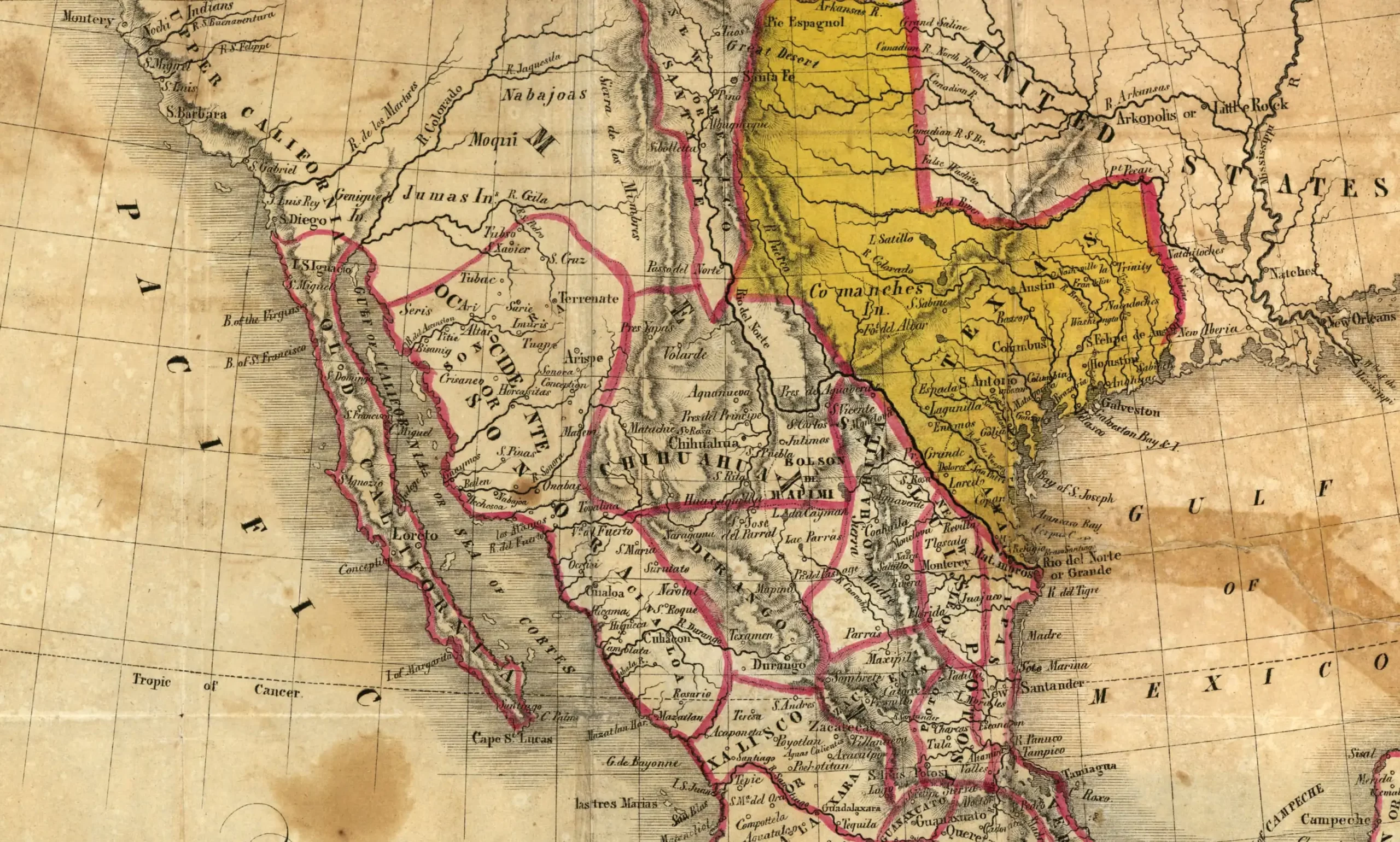
Trade was vital for the Republic’s survival. Its ports, especially [Galveston], became key centers for exporting cotton and importing manufactured goods. Despite its economic struggles, the Republic managed to establish rudimentary infrastructure, including roads and nascent communication networks. It also sought recognition and trade agreements with major international powers, including [France] and [Great Britain], highlighting its ambition to be a respected player on the world stage. These diplomatic efforts, while not always successful, underscored [Texas]’s independent status and its strategic importance in North America.
Today, the economic legacy of the Republic can be seen in the enduring importance of agriculture and energy to the [Texas] economy. Historical tours in cities like [Galveston] reveal its past as a prominent port, showcasing the beautifully preserved Victorian architecture that speaks to its golden age. For those interested in the intersection of history and economy, visiting these areas provides fascinating context. Many hotels in these port cities offer excellent amenities, from business suites to resort-style pools, making them ideal bases for exploring the historical and economic development of [Texas].
The Path to Annexation: Texas’s Place in the United States
Despite its hard-won independence, the idea of [Texas] remaining a sovereign nation was always precarious. Internal stability was elusive, and the threat of renewed conflict with [Mexico], which never formally recognized Texan independence, loomed large. The vast majority of Texans, many of whom had emigrated from the [United States], favored annexation, seeing it as the surest path to security and prosperity.
The Debate and Diplomacy: US Interest and Mexican Opposition
From the moment of its independence, the question of [Texas] annexation to the [United States] was a dominant political issue on both sides. In the [United States], the debate was fiercely partisan, primarily centered on the issue of slavery. Southern states eagerly sought to admit [Texas] as a slave state, which would tip the balance of power in the [United States Congress] in their favor. Northern states, however, vehemently opposed this, fearing it would expand the institution of slavery and potentially lead to war with [Mexico].
[Mexican] opposition to annexation was unwavering. [Mexico] consistently warned that if the [United States] annexed [Texas], it would be considered an act of war. This threat was a major deterrent for several American presidents, who were reluctant to ignite another conflict. Meanwhile, [Texas] itself played a shrewd diplomatic game, leveraging interest from [Great Britain] and [France] in potentially establishing commercial ties or even alliances. These [European] powers saw an independent [Texas] as a potential buffer against American expansion and a valuable source of cotton. This international maneuvering complicated the annexation process but also gave [Texas] a stronger hand in negotiations.Understanding this complex diplomatic dance provides valuable context for the geopolitical landscape of the mid-19th century. Visitors to museums like the [Bullock Texas State History Museum] in [Austin] can find comprehensive exhibits detailing these political maneuvers and the perspectives of all involved parties. [Austin], with its numerous historical sites and vibrant cultural scene, is an ideal destination for those who want to delve deep into the state’s storied past, offering accommodation ranging from luxurious hotels with stunning views of the [Texas State Capitol] to charming bed and breakfasts that embody local culture.
Joining the Union: The Annexation Treaty and Statehood (1845)
The political landscape in the [United States] shifted significantly in the early 1840s. The election of [James K. Polk] to the presidency in 1844, on a platform of territorial expansion and “Manifest Destiny,” sealed [Texas]’s fate. Polk was a strong proponent of annexation. Fearing that [Great Britain] might exert too much influence over an independent [Texas], and pressured by Southern expansionists, the [United States Congress] approved a joint resolution for annexation in early 1845.
President [Anson Jones] of [Texas] then faced a choice: annexation to the [United States] or a treaty with [Mexico] (brokered by [Great Britain] and [France]) that would recognize Texan independence in exchange for a commitment not to join the [United States]. The overwhelming majority of Texans favored annexation, and a convention was called to ratify the American offer. On December 29, 1845, [Texas] officially became the 28th state of the [United States], bringing an end to its nine-year run as an independent republic. This act, as [Mexico] had warned, directly led to the Mexican-American War, a conflict that further expanded the territorial boundaries of the [United States], including the acquisition of vast lands in the American Southwest.
The legacy of annexation is palpable in [Texas]. The state’s distinct identity, its flag with the lone star, and its often-expressed pride in its independent spirit are all rooted in this period. For those interested in historical milestones and significant political transitions, visiting the [Texas State Capitol] and walking the grounds where these monumental decisions were made offers a powerful connection to the past. Many of the surrounding areas in [Austin] feature excellent hotels, from business-friendly accommodations to luxury suites, perfect for those exploring the political heart of [Texas].
Experiencing Republican Texas Today: A Traveler’s Guide to History
The rich history of the [Republic of Texas] is not confined to textbooks; it lives on in its vibrant historical sites, museums, and the enduring spirit of its people. For travelers, [Texas] offers a wealth of opportunities to step back in time and experience the legacy of the Lone Star Republic.
Iconic Landmarks and Historical Sites: Where History Comes Alive
To truly grasp the story of the [Republic of Texas], a journey through its most significant landmarks is essential. No visit is complete without paying homage to the [Alamo] in [San Antonio], a UNESCO World Heritage Site that serves as a powerful symbol of courage. While in [San Antonio], explore the historic [San Antonio Missions National Historical Park] and the vibrant [River Walk], which offers a charming backdrop to the city’s rich history. For a deeper dive into the military aspect of the revolution, the [San Jacinto Battleground State Historic Site] near [Houston] is a must-see, featuring the impressive [San Jacinto] Monument and a museum.
The birthplace of the Republic, [Washington-on-the-Brazos State Historic Site], offers a meticulously preserved glimpse into the drafting of the constitution and the early days of self-governance. Here, visitors can tour Independence Hall and imagine the passionate debates that forged a new nation. In [Austin], the grandeur of the [Texas State Capitol] stands as a testament to the state’s enduring political legacy, its architecture and exhibits detailing the Republic’s transition to statehood. Other crucial sites include the [Goliad] State Park and Historic Site, commemorating the [Goliad Massacre], another tragic but galvanizing event of the revolution.
Each of these locations provides not just information but an emotional connection to the past, making them ideal destinations for educational family trips, solo explorations, or group tours. Many sites offer guided tours, interactive exhibits, and reenactments that bring history to life in a vivid and engaging way.
Immersive Tourism and Cultural Experiences: Festivals, Museums, and Reenactments
Beyond the major landmarks, [Texas] offers numerous opportunities for immersive cultural tourism that celebrates its Republican era. Throughout the year, various towns and historical societies host festivals and reenactments that transport visitors to the 1830s and 1840s. These events often feature period costumes, crafts, music, and food, providing a sensory experience of frontier life. For instance, [Washington-on-the-Brazos] often hosts “Texas Independence Day” celebrations that are both festive and educational.
Museums across the state, such as the [Bullock Texas State History Museum] in [Austin] and the [Houston Museum of Natural Science], offer extensive exhibits on the [Republic of Texas], showcasing artifacts, documents, and multimedia presentations that delve into the social, economic, and political aspects of the period. Local historical museums in smaller towns like [Fredericksburg] or [Corpus Christi] often provide unique regional perspectives on the Republic, highlighting the diverse experiences of settlers across the vast territory. Culinary tourism also plays a role, as many traditional [Texas] dishes have roots in the frontier era, blending [Mexican], Southern, and [European] influences into a distinctive Texan cuisine. Trying local barbecue, Tex-Mex, or German-inspired pastries allows travelers to taste the history of the region.

Planning Your Historical Journey: Accommodation and Lifestyle Tips
Planning a trip to explore the [Republic of Texas] requires thoughtful consideration of destinations, accommodation, and lifestyle preferences. For those seeking a comprehensive historical tour, consider a multi-city itinerary that includes [San Antonio], [Houston], and [Austin], as these cities offer the most significant concentration of sites and excellent travel infrastructure.
Accommodation: [Texas] boasts a wide range of accommodation options to suit every budget and style. In major cities, you’ll find luxury hotels with top-tier amenities, perfect for a high-end travel experience or a business stay. Think of spa resorts, elegant suites, and hotels with rooftop pools offering panoramic city views. Mid-range hotels and vacation rentals (apartments, villas) are abundant and provide comfortable, convenient bases for families or those seeking more space and flexibility. For budget travel, numerous motels, guesthouses, and even hostels are available, particularly in smaller towns or on the outskirts of major cities. Many of these offer unique local character and a chance to interact with the community. Long-term stay options are also increasingly popular, especially for those who wish to spend more time exploring a specific region or combining travel with work.
Lifestyle: Whether you prefer a fast-paced urban adventure or a tranquil dive into rural history, [Texas] caters to diverse lifestyles. Family trips are well-supported with interactive museums, state parks, and family-friendly resorts. Solo travelers or couples can enjoy romantic getaways in charming historic districts or adventurous road trips between landmarks. For those who appreciate the finer things, luxury travel experiences might include staying in historic hotels, enjoying gourmet Texan cuisine, and private guided tours of historical estates. Budget-conscious travelers can still have a rich experience by utilizing public transport where available, opting for more affordable accommodation, and focusing on free or low-cost attractions like state parks and self-guided walking tours.
In conclusion, the question “How long was [Texas] a Republic?” uncovers a fascinating nine-year chapter that profoundly shaped the state’s identity. This period of independence, from 1836 to 1845, was a crucible that forged the “Lone Star” spirit. Today, this legacy is vibrantly alive, inviting travelers to explore its battlegrounds, historic capitals, and cultural traditions. A journey through the historical sites of the [Republic of Texas] offers not just an educational experience but an immersive adventure into a pivotal era of American history, all while enjoying the diverse travel, accommodation, and lifestyle options that modern [Texas] has to offer.
LifeOutOfTheBox is a participant in the Amazon Services LLC Associates Program, an affiliate advertising program designed to provide a means for sites to earn advertising fees by advertising and linking to Amazon.com. Amazon, the Amazon logo, AmazonSupply, and the AmazonSupply logo are trademarks of Amazon.com, Inc. or its affiliates. As an Amazon Associate we earn affiliate commissions from qualifying purchases.