
For anyone living in, visiting for an extended period, or considering a move to the Sunshine State, understanding the intricacies of Florida‘s driving laws is a fundamental aspect of managing one’s lifestyle. One of the most critical, yet often overlooked, elements is continuous auto insurance coverage. Unlike some states with more lenient grace periods, Florida maintains a stringent stance on vehicle insurance, making a lapse in coverage a serious matter with direct implications for your driving privileges. This isn’t just a regulatory technicality; it’s a vital component of safe roads and responsible citizenship that profoundly impacts daily life, mobility, and financial stability. Let’s delve into the specifics of how long you can go without insurance before your license faces suspension in Florida, and what broader lifestyle implications this carries.

Understanding Florida’s Financial Responsibility Law
Florida’s approach to vehicle insurance is primarily governed by its Financial Responsibility Law. This legal framework is designed to ensure that all registered vehicle owners and operators have the means to cover potential damages and injuries in the event of an accident. It’s a proactive measure aimed at protecting all parties on the road, emphasizing accountability and preparedness. For residents and long-term visitors alike, adherence to this law isn’t optional; it’s a cornerstone of the driving lifestyle in Florida.
The Mandate for Auto Insurance
The core of the Financial Responsibility Law is the mandate for continuous auto insurance. This isn’t merely about having insurance when you purchase a vehicle or renew your registration; it’s about maintaining uninterrupted coverage for as long as your vehicle is registered and operational in the state. The moment your insurance policy lapses, expires, or is canceled, the clock starts ticking on potential penalties. The state’s system is designed to detect these lapses, triggering a series of events that can quickly lead to the suspension of your driver’s license, even if you haven’t been involved in an accident. This continuous coverage requirement underscores the importance of staying vigilant about policy renewal dates and premium payments, making it a critical aspect of financial planning for vehicle owners in Florida.
Minimum Coverage Requirements in Florida
To comply with Florida’s laws, drivers must carry specific minimum levels of auto insurance. These requirements are distinct and crucial to understand:
- Personal Injury Protection (PIP): Florida is a no-fault state, meaning that regardless of who is at fault in an accident, your own insurance company pays for your medical expenses and lost wages up to your policy’s limits. The minimum requirement for PIP is $10,000. This coverage is essential for protecting you and your passengers in an accident.
- Property Damage Liability (PDL): This coverage pays for damages you cause to another person’s property in an accident. The minimum requirement for PDL is $10,000. This protects you from the financial burden of repairing or replacing another person’s vehicle or other property.
It’s important to note that unlike many other states, Florida does not mandate Bodily Injury Liability (BIL) coverage as part of the minimum requirements for all drivers, unless you have been involved in an accident or have certain driving infractions. However, many drivers choose to carry BIL for added protection, as the financial consequences of causing injuries to others can be substantial. Understanding these minimums is the first step toward ensuring your lifestyle on Florida roads remains uninterrupted and compliant.
The Timeline to Suspension: What Happens When Insurance Lapses?
The question “How long without insurance before license suspended in Florida?” often implies a grace period. However, in Florida, the concept of a grace period for auto insurance lapses, as it pertains to driver’s license suspension, is largely non-existent. The state’s system is highly efficient in identifying uninsured motorists, and the consequences can be swift and severe. This immediacy is a stark reminder of the continuous responsibility vehicle owners bear.
The Initial Notification Process
When your auto insurance policy is canceled, expires, or lapses for any reason, your insurance provider is legally obligated to notify the Florida Department of Highway Safety and Motor Vehicles (DHSMV). This notification is usually electronic and happens quite rapidly after the lapse occurs. Once the DHSMV receives this information, they will initiate the process of suspending your driver’s license and vehicle registration. You will typically receive an official notification letter in the mail, informing you of the impending suspension and outlining the steps required to avoid it or reinstate your privileges. This letter is critical and should be acted upon immediately.
The Grace Period (or Lack Thereof)
While some insurance companies might offer a brief internal “grace period” before canceling a policy for non-payment, this internal company policy does not translate into a state-mandated grace period for avoiding license suspension. From the state’s perspective, the moment your insurance coverage ceases, you are in violation of the Financial Responsibility Law. Therefore, there is effectively no state-level grace period before the DHSMV begins the process of suspending your license. The “how long” is often measured in days or a couple of weeks from the date of lapse until the formal suspension notice is processed and mailed. Once you receive this notice, your license can be suspended very quickly, sometimes within a matter of days or weeks after the date specified in the letter if no action is taken.
Immediate Consequences of a Lapse
Beyond the impending license suspension, driving without insurance in Florida carries immediate and severe consequences. If you are stopped by law enforcement and cannot provide proof of current Florida insurance, you could face:
- Traffic Citations: Fines and penalties for driving uninsured.
- Vehicle Impoundment: Your vehicle could be towed and impounded, incurring significant towing and storage fees.
- License Suspension (on the spot): In some cases, officers have the discretion to issue an immediate suspension notice, particularly if you have previous infractions.
- Liability in an Accident: If you are involved in an accident while uninsured, you will be personally responsible for all damages and injuries you cause, which can lead to devastating financial ruin.
These immediate consequences highlight why maintaining continuous coverage is not just a legal obligation but a practical necessity for anyone whose lifestyle involves driving in Florida.
Reinstating Your License: The Path Back to Legal Driving
Once your Florida driver’s license and vehicle registration are suspended due to a lapse in insurance, the path to reinstatement requires specific actions and often involves financial penalties. Understanding this process is crucial for regaining your driving privileges and resuming your normal lifestyle. The DHSMV provides clear guidelines, but navigating them efficiently is key.
Proof of Current Insurance
The most critical step in reinstating your license is to obtain new auto insurance coverage that meets Florida’s minimum requirements (PIP and PDL). You must then provide proof of this continuous coverage to the DHSMV. This is typically done by having your insurance provider electronically submit a Florida Insurance Proof (FR-44 or FR-46, depending on the nature of the suspension) directly to the DHSMV. It’s important to verify that your chosen policy is indeed accepted for reinstatement purposes and that the proof is submitted correctly. Merely purchasing a policy is not enough; the DHSMV must receive official notification.
Reinstatement Fees and Fines
In addition to securing new insurance, you will be required to pay reinstatement fees. These fees can vary depending on the length of the suspension and whether it’s a first offense or a repeat occurrence. For a first offense of driving without insurance, the reinstatement fee is typically around $150. However, for subsequent offenses, these fees can escalate significantly, reaching $250 or even $500. These fees are non-negotiable and must be paid in full to the DHSMV before your license and registration can be reinstated. These financial penalties add another layer of burden, impacting one’s budget and lifestyle.
Maintaining Continuous Coverage
Once your license is reinstated, the requirement for continuous coverage doesn’t end. In many cases, especially after a suspension for an insurance lapse, the DHSMV may require you to maintain continuous insurance for a specific period, often up to three years. Any further lapse during this period can lead to more severe penalties and longer suspension terms. This reinforces the need for ongoing diligence and responsible financial management, ensuring that your insurance premiums are paid on time and your policy remains active.
Broader Lifestyle Implications of License Suspension in Florida
A driver’s license suspension in Florida is far more than just a legal inconvenience; it significantly impacts various aspects of an individual’s lifestyle, ranging from daily routines to long-term financial stability. Understanding these broader implications can underscore the importance of maintaining continuous auto insurance.
Impact on Daily Commute and Mobility
For most adults, driving is an integral part of their daily life. A suspended license in Florida can disrupt this completely. Imagine not being able to drive to work, take children to school, run errands, or access essential services like grocery stores or doctor’s appointments. Public transportation options are limited in many parts of Florida, and relying on ride-sharing services or taxis for every trip can quickly become unsustainable financially. This loss of personal mobility can lead to:
- Job Loss or Difficulty in Employment: Many jobs require a valid driver’s license for commuting or job-related duties. A suspension can jeopardize employment or make it difficult to find new opportunities.
- Reduced Quality of Life: The inability to easily access social activities, hobbies, or simply enjoy the freedom of the open road can severely diminish one’s quality of life, especially in a state known for its scenic drives and attractions.
- Increased Stress and Dependency: Relying on others for transportation can be a source of stress and can strain personal relationships.
Financial Burdens Beyond Fines
While reinstatement fees and potential fines are direct financial hits, the true cost of a license suspension often extends much further:
- Higher Insurance Premiums: After a lapse and suspension, you will likely be considered a higher-risk driver, leading to significantly increased auto insurance premiums for years to come. This can be one of the most enduring financial penalties.
- Lost Income: If the suspension impacts your ability to work, the lost wages can far outweigh the immediate fines.
- Towing and Storage Fees: If your vehicle was impounded, these fees can add up quickly, especially if you can’t retrieve it promptly.
- Legal Fees: In some complex cases or if you’re cited for driving with a suspended license, you may incur legal fees.
These cumulative financial burdens can place immense strain on household budgets, making it harder to manage other expenses or save for future goals.
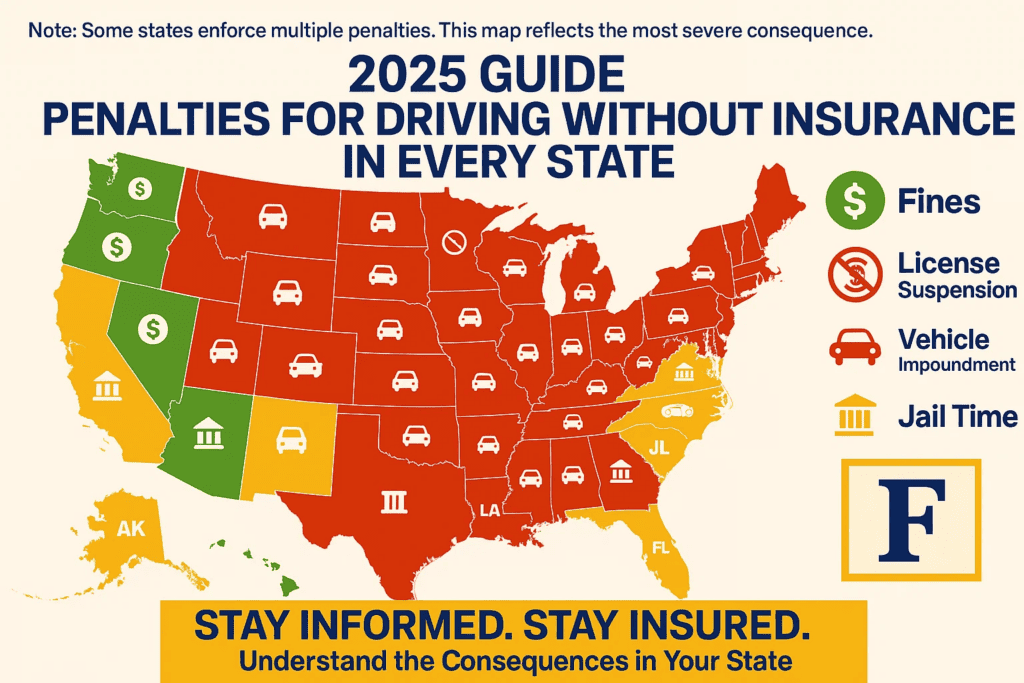
How to Avoid Suspension: Proactive Measures
The best way to mitigate the severe lifestyle impacts of a license suspension is to prevent it from happening in the first place. This involves several proactive measures:
- Understand Your Policy: Always be clear on your policy’s terms, renewal dates, and payment schedules.
- Set Reminders: Use digital calendars, smartphone apps, or automated payment systems to ensure you never miss a premium payment.
- Communicate with Your Insurer: If you anticipate financial difficulties or need to make changes to your policy, contact your insurance provider immediately. They might offer options or solutions to prevent a lapse.
- Avoid Uninsured Driving: Never drive without active insurance coverage. If your policy lapses, do not get behind the wheel until new coverage is secured.
- Update Contact Information: Ensure the DHSMV and your insurance company always have your current mailing address so you receive all important notifications.
In Florida, continuous auto insurance is not just a legal requirement; it’s a fundamental pillar of responsible driving and an essential element for maintaining an uninterrupted, mobile, and financially stable lifestyle. The state’s strict Financial Responsibility Law means that “how long without insurance” is often a dangerously short period before consequences begin to unfold. By staying informed and proactive, you can ensure your driving privileges remain intact and your lifestyle in the beautiful state of Florida remains unhindered.
LifeOutOfTheBox is a participant in the Amazon Services LLC Associates Program, an affiliate advertising program designed to provide a means for sites to earn advertising fees by advertising and linking to Amazon.com. Amazon, the Amazon logo, AmazonSupply, and the AmazonSupply logo are trademarks of Amazon.com, Inc. or its affiliates. As an Amazon Associate we earn affiliate commissions from qualifying purchases.