
Planning a trip to the enchanting islands of Hawaii often begins with a fundamental question: how long will it take to get there? As the world’s most isolated population center, situated thousands of miles from any continent, the journey to Hawaii is a significant part of the adventure. Understanding flight durations is crucial for effective trip planning, influencing everything from your packing strategy to how you manage jet lag. This comprehensive guide will break down the variables affecting travel time, provide typical flight durations from major hubs, and offer insights to help you optimize your travel experience to this stunning Pacific Ocean paradise.
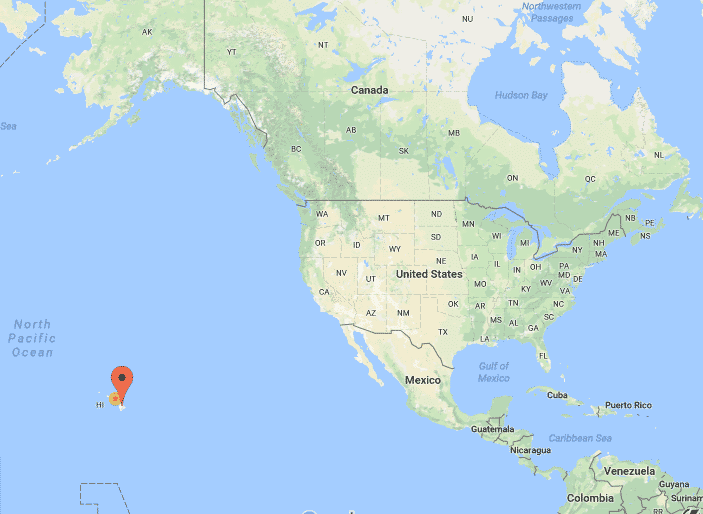
Understanding the Factors Influencing Flight Duration
The duration of your flight to Hawaii is not a fixed number; it’s a dynamic calculation influenced by several key factors. While the islands are a dream destination, the journey requires a significant commitment of time, particularly for travelers originating from the mainland United States or Canada.
Origin City and Departure Point
The most significant factor determining your flight time is your departure city. Simply put, the further east you are in North America, the longer your flight will be. A direct flight from Los Angeles will be substantially shorter than one from New York. This geographical reality underpins all other considerations. West Coast cities, due to their proximity, serve as major gateways for trans-Pacific Ocean flights to the Aloha State.
Direct vs. Connecting Flights
While direct flights offer the most straightforward and often quickest route, they aren’t always available or the most economical option. Connecting flights, which involve one or more layovers, will naturally extend your total travel time. A layover could range from a quick 60-minute connection to an overnight stay, significantly adding to the overall journey duration. For travelers from cities without direct service to Hawaii, a connecting flight is unavoidable, often routing through major hubs like Los Angeles International Airport (LAX), San Francisco International Airport (SFO), or Seattle-Tacoma International Airport (SEA).
Aircraft Type and Air Speed
Modern aircraft are designed for efficiency and speed, but there are differences. Wide-body jets, such as the Boeing 787 Dreamliner or Airbus A330, often used for long-haul routes to Hawaii, can typically maintain higher cruising speeds and offer a smoother ride than smaller, narrow-body aircraft like the Boeing 737 or Airbus A320 (though these are increasingly used for West Coast-Hawaii routes). While the difference might only be 15-30 minutes on a multi-hour flight, it’s still a factor. The efficiency of the specific airline’s route planning can also play a role, optimizing for wind currents and airspace.
Weather Conditions and Air Traffic
Unpredictable elements like prevailing winds (tailwind can shorten a flight, headwind can extend it), storms, and air traffic control delays can all impact actual flight times. For instance, flights flying westbound across the Pacific Ocean often contend with headwinds, making the journey slightly longer than the eastbound return flight. Severe weather at either the departure or arrival airport can lead to rerouting or holding patterns, adding precious minutes or even hours to your travel. Air traffic control congestion, especially during peak travel seasons or at busy airports like Daniel K. Inouye International Airport (HNL) in Honolulu, can also cause delays on the tarmac or in the air.
Typical Flight Durations from Major North American Hubs
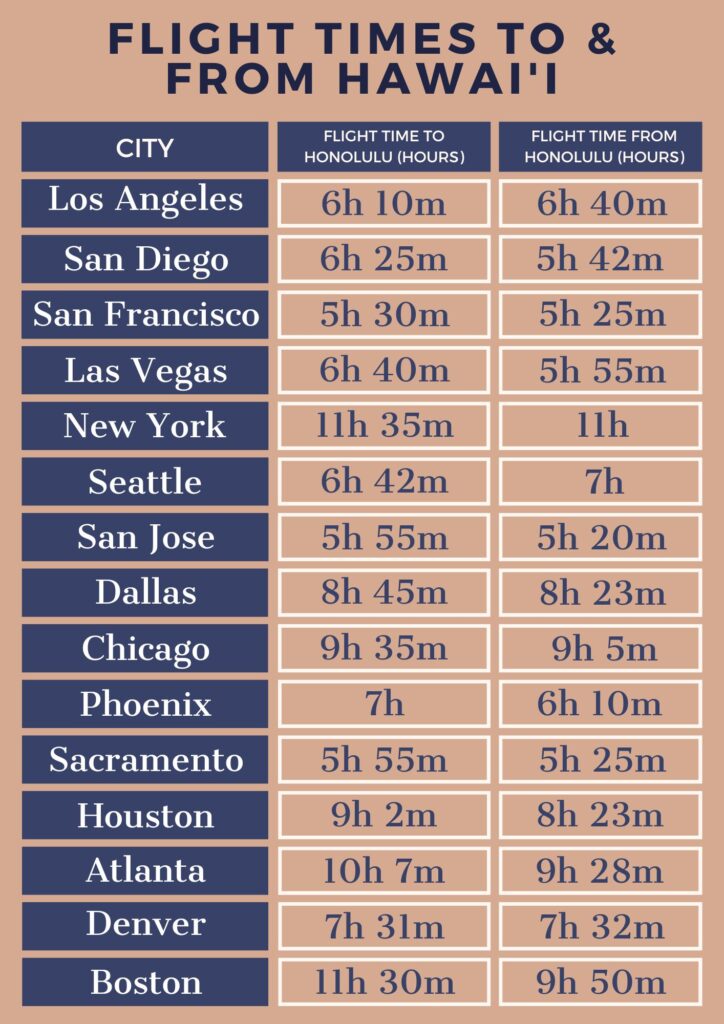
To give you a clearer picture, here are estimated direct flight durations from common departure points in the United States and Canada to Honolulu, the primary entry point to Hawaii. Keep in mind these are averages for direct flights and can vary based on airline, specific routing, and the factors mentioned above.
West Coast Departures
Travelers from the West Coast enjoy the shortest flight times, making these cities popular jump-off points.
- From Los Angeles (LAX) to Honolulu (HNL): Approximately 5 hours, 30 minutes to 6 hours.
- From San Francisco (SFO) to Honolulu (HNL): Approximately 5 hours, 30 minutes to 6 hours.
- From Seattle (SEA) to Honolulu (HNL): Approximately 5 hours, 45 minutes to 6 hours, 15 minutes.
- From Portland (PDX) to Honolulu (HNL): Approximately 5 hours, 45 minutes to 6 hours, 15 minutes.
Many Hawaiian Airlines, Alaska Airlines, United Airlines, Delta Airlines, and American Airlines flights depart from these major West Coast cities.
Central US Departures
As you move inland, flight times naturally increase. Direct flights are available from some major Central United States cities, but they are fewer than from the West Coast.
- From Chicago (ORD) to Honolulu (HNL): Approximately 8 hours, 30 minutes to 9 hours.
- From Dallas (DFW) to Honolulu (HNL): Approximately 8 hours to 8 hours, 30 minutes.
- From Houston (IAH) to Honolulu (HNL): Approximately 8 hours to 8 hours, 30 minutes.
For many in the Central US, a connecting flight through a West Coast hub is often the most common and sometimes the most efficient route.
East Coast Departures
Travelers from the East Coast face the longest flight durations, often necessitating careful planning or accepting a connecting flight.
- From New York (JFK/EWR) to Honolulu (HNL): Approximately 10 hours to 11 hours.
- From Miami (MIA) to Honolulu (HNL): Approximately 10 hours to 11 hours.
- From Washington D.C. (IAD) to Honolulu (HNL): Approximately 9 hours, 30 minutes to 10 hours, 30 minutes.
These lengthy flights underscore the remoteness of Hawaii and highlight the value of onboard amenities and entertainment.
Canadian Departures
For our neighbors to the north, similar patterns emerge, with West Coast cities offering shorter routes.
- From Vancouver (YVR) to Honolulu (HNL): Approximately 5 hours, 30 minutes to 6 hours.
- From Toronto (YYZ) to Honolulu (HNL): Approximately 9 hours to 10 hours.
Direct flights from Canada are primarily from major cities like Vancouver and Toronto, with other cities typically requiring a connection, often through a United States or Canadian hub.
Navigating Time Zones and Layover Realities
Beyond the actual flight time, understanding the impact of time zones and strategizing for layovers are crucial components of a smooth journey to Hawaii.
The Hawaii Standard Time Difference
Hawaii observes Hawaii Standard Time (HST) year-round and does not participate in Daylight Saving Time. This means the time difference changes depending on the season relative to other regions.
- During Daylight Saving Time: Hawaii is 3 hours behind Pacific Standard Time, 4 hours behind Mountain Standard Time, 5 hours behind Central Standard Time, and 6 hours behind Eastern Standard Time.
- Outside Daylight Saving Time: Hawaii is 2 hours behind Pacific Standard Time, 3 hours behind Mountain Standard Time, 4 hours behind Central Standard Time, and 5 hours behind Eastern Standard Time.
While flying westward “gains” you hours, adjusting to the significant time difference upon arrival can take a day or two, commonly referred to as jet lag.
Planning for Layovers and Connections
If your journey involves a layover, consider the total elapsed time, not just flight segments. A seemingly short flight can become an all-day affair with a poorly timed connection.
- Minimum Connection Times: Airlines and airports have minimum connection times (MCTs). While an hour might technically be possible for some domestic connections, it’s often cutting it close. Aim for at least 90 minutes to 2 hours for domestic connections and more for international or if you need to recheck luggage or change terminals.
- Comfortable Layovers: For very long flights or early morning departures, a longer layover can provide an opportunity to stretch, grab a meal, or even refresh in an airport lounge, making the subsequent flight more tolerable.
- Overnight Layovers: Sometimes, an overnight layover is unavoidable or strategically chosen to break up a very long trip. Factor in hotel costs and additional logistics if you opt for this.
Mitigating Jet Lag
The westward journey to Hawaii means you “gain” time, which can sometimes be easier to adjust to than flying eastward. However, losing several hours of your biological clock can still be disorienting.
- Pre-Adjust: A few days before departure, try to shift your sleep schedule closer to Hawaii time by going to bed and waking up later.
- Hydrate: Drink plenty of water before, during, and after your flight to combat dehydration, which exacerbates jet lag.
- Light and Activity: Upon arrival, expose yourself to natural light and try to stay awake until local bedtime. Avoid long naps.
- Smart Eating: Eat light, healthy meals and avoid heavy foods and excessive alcohol or caffeine, which can disrupt sleep.
Maximizing Your Hawaii Travel Experience
Beyond just getting there, making the journey as smooth and enjoyable as possible is part of the overall travel experience.
Best Time to Book Flights
Generally, booking flights to Hawaii 2 to 6 months in advance yields the best prices. Flexibility with your travel dates, avoiding peak seasons like winter holidays and summer, can also result in significant savings and more direct flight options. Mid-week travel (Tuesday, Wednesday) is often cheaper and less crowded than weekend departures. Websites of major carriers like Hawaiian Airlines, United Airlines, Delta Airlines, American Airlines, and Southwest Airlines are good starting points, along with reputable travel aggregators.
Choosing Your Arrival Island
While Daniel K. Inouye International Airport (HNL) on Oahu is the main international gateway, you might fly directly to other islands from certain mainland cities.
- Oahu (HNL): Most common entry, serving Honolulu and Waikiki.
- Maui (OGG): Kahului Airport offers direct flights from many West Coast cities.
- Kauai (LIH): Lihue Airport also has direct options from the West Coast.
- Big Island (KOA/ITO): Kona International Airport (KOA) on the west side and Hilo International Airport (ITO) on the east side also receive direct flights, primarily from the West Coast.
Choosing a direct flight to your intended island can save you the time and hassle of an inter-island connection, making your initial arrival much smoother.
Essential In-Flight Comfort Tips
For longer flights to Hawaii, comfort is paramount.
- Wear Layers: Cabin temperatures can fluctuate, so dressing in adaptable layers is key.
- Stay Active: Get up and move around the cabin when permitted. Perform simple stretches in your seat to promote circulation.
- Entertainment: Load up your devices with movies, music, podcasts, or books. While most long-haul flights offer in-flight entertainment, having your own backup is always a good idea.
- Neck Pillow and Eye Mask: These small items can make a huge difference in achieving restful sleep on a long flight.
- Snacks: While airlines provide meals, having your favorite healthy snacks on hand can stave off hunger and provide a familiar comfort.
Beyond the Flight: Total Travel Time Considerations
Remember that “flight time” is just one component of your total travel journey. From leaving your home to arriving at your hotel, the entire process encompasses several steps.
Airport Arrival and Security
Factor in time to get to your departure airport, check bags, and navigate security. For domestic flights, arriving 2 hours prior is standard, but for flights to [Hawaii](https://lifeoutofthebox.com/hawaii], especially during peak times, 2.5 to 3 hours is a safer bet. This ensures you’re relaxed and not rushed, setting a positive tone for your trip.
Ground Transportation in Hawaii
Once your flight lands, you’ll need to account for disembarkation, retrieving luggage, and ground transportation to your accommodation. Depending on your arrival airport and resort location, this could add anywhere from 30 minutes to 2 hours to your total journey, particularly in traffic-prone areas around Honolulu. Planning your shuttle, taxi, ride-share, or rental car pick-up in advance can streamline this final leg.
The Magic of Arrival
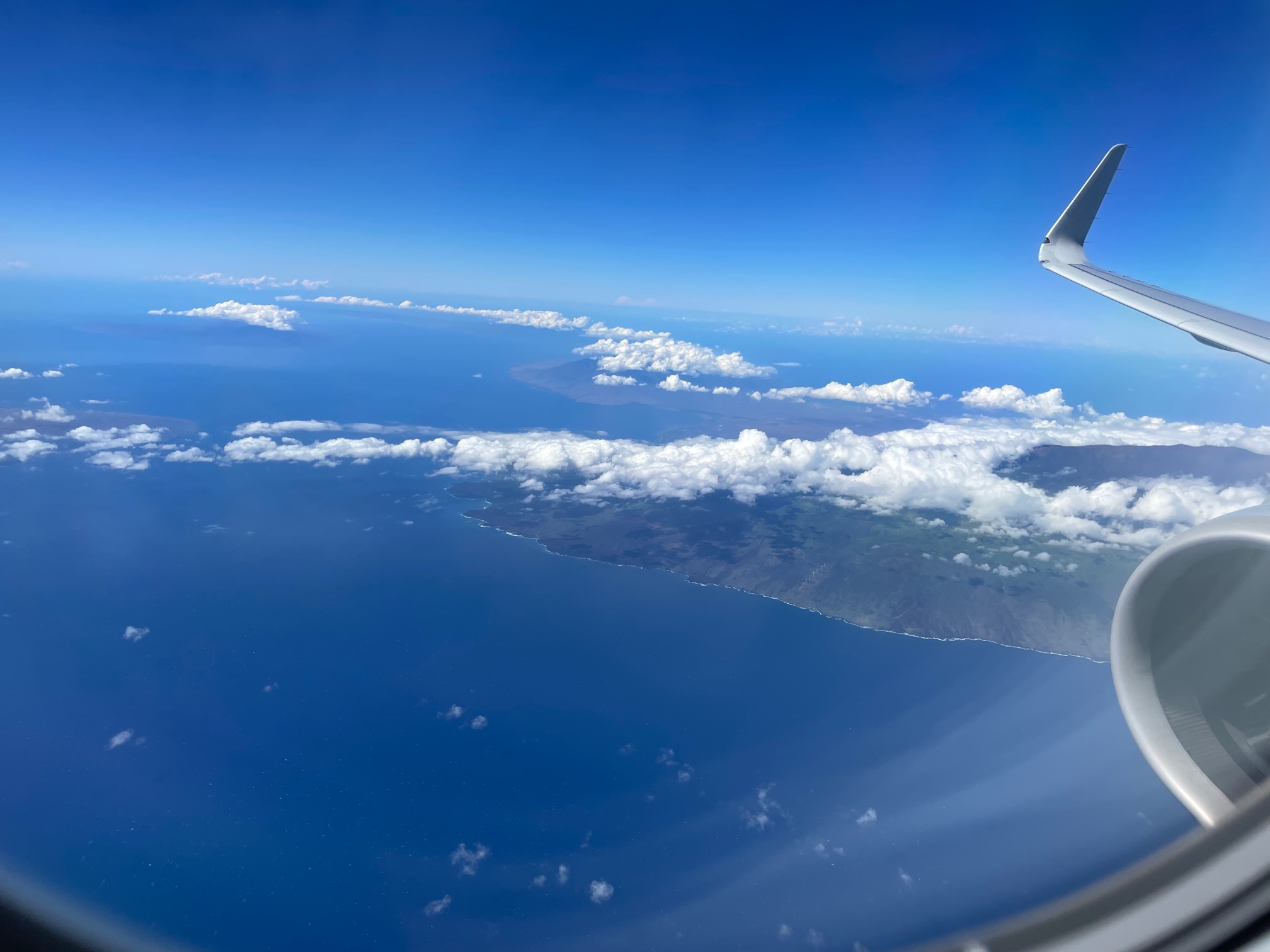
Despite the hours spent in transit, the moment you step off the plane in Hawaii and are greeted by the warm air and the scent of plumeria, the journey instantly becomes worthwhile. The thought of the vibrant culture, stunning beaches, and lush landscapes awaiting you will quickly overshadow the travel time.
In conclusion, flying to Hawaii is a commitment, ranging from just over 5 hours from the West Coast to 10-11 hours from the East Coast for direct flights. When accounting for layovers, time zone changes, and airport procedures, the entire travel experience can easily consume a full day or more. However, with careful planning and an understanding of the factors involved, you can ensure your journey to paradise is as comfortable and stress-free as possible, allowing you to fully embrace the magic of the islands upon arrival.
LifeOutOfTheBox is a participant in the Amazon Services LLC Associates Program, an affiliate advertising program designed to provide a means for sites to earn advertising fees by advertising and linking to Amazon.com. Amazon, the Amazon logo, AmazonSupply, and the AmazonSupply logo are trademarks of Amazon.com, Inc. or its affiliates. As an Amazon Associate we earn affiliate commissions from qualifying purchases.