
The question of how long it takes to reach New York is one that has fascinated travelers since the dawn of the jet age. As a premier global hub, the city serves as a gateway to North America, drawing millions of visitors annually who traverse oceans and continents to experience the kinetic energy of Manhattan and the cultural depth of the five boroughs. Understanding flight duration requires more than just checking a clock; it involves an appreciation for geography, aviation logistics, and the evolving nature of long-haul travel.
The Variables of Transatlantic and Domestic Transit
When planning a trip to the United States, the flight duration is dictated by a complex interplay of physics and meteorology. While the distance between two points is constant, the time spent in the air is fluid.
The Impact of Jet Streams
Perhaps the most significant factor influencing travel time from Europe to New York City is the jet stream. These high-altitude, fast-moving currents of air generally flow from west to east. Consequently, flights originating in cities like London, Paris, or Frankfurt often face a “headwind” when flying toward John F. Kennedy International Airport. This phenomenon is why a flight heading west might take eight hours, while the return flight across the Atlantic Ocean can be completed in as little as six and a half hours.
Domestic Efficiency
Travelers coming from within North America experience a vastly different logistical profile. A flight from Los Angeles to the East Coast typically requires approximately five to six hours. This domestic route is highly optimized, with frequent daily departures from Los Angeles International Airport to LaGuardia Airport, ensuring that even those crossing the entire breadth of the continent can arrive in time for an evening dinner in Times Square.
Categorizing Flight Durations by Region
To better grasp the logistical reality of reaching the city, it is helpful to categorize flight times based on the origin point of the traveler.
- Short-Haul (Domestic and Regional): Flights from cities such as Boston, Washington D.C., or Toronto are remarkably efficient. These flights usually clock in at under two hours, making New York an incredibly accessible destination for those living in the Northeast corridor.
- Medium-Haul (Transcontinental): Crossing the United States from hubs like Chicago, Denver, or Miami takes between three to five hours. This category of travel is the backbone of the city’s business tourism.
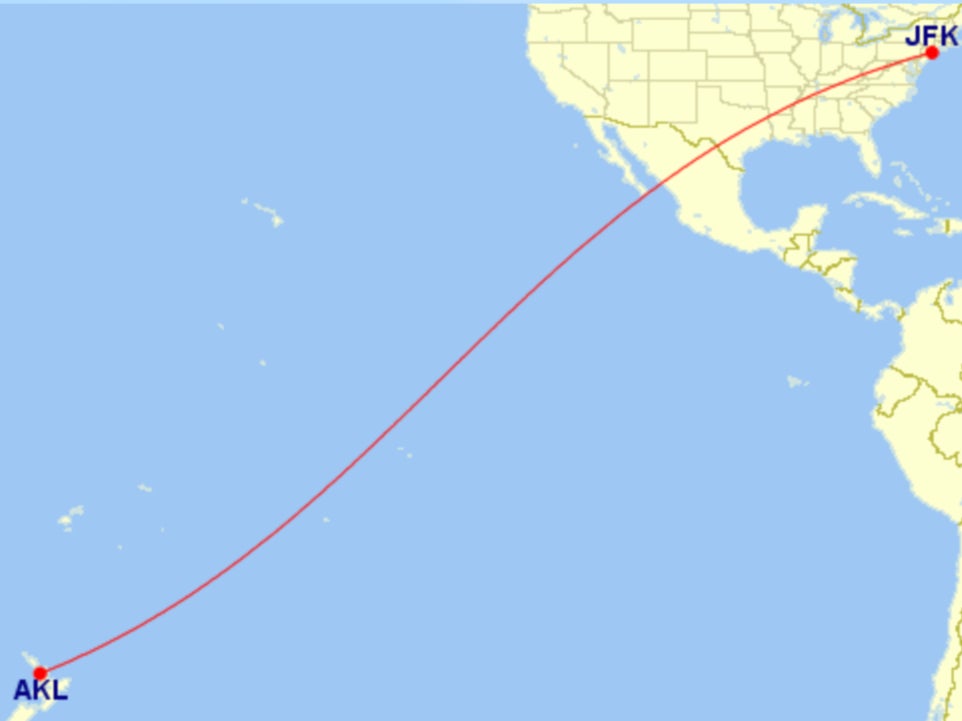
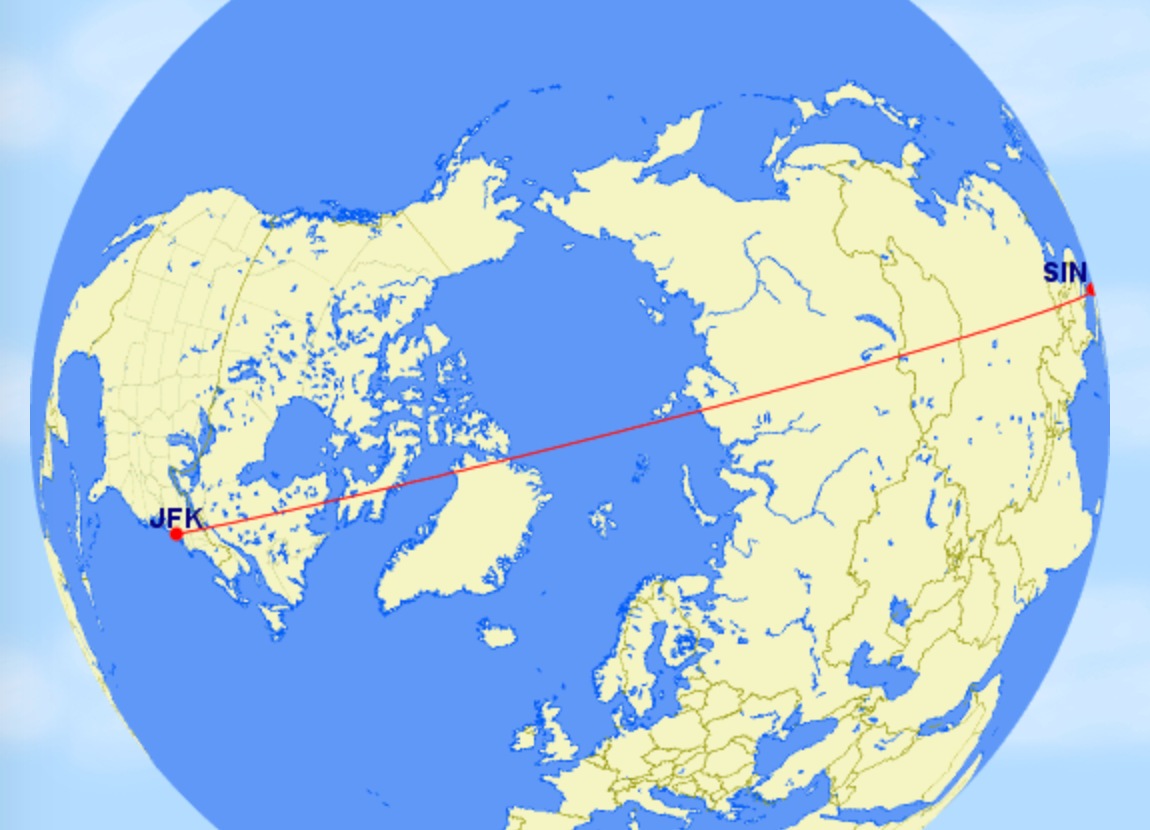
- Long-Haul (Intercontinental): This includes journeys from South America, such as São Paulo, or Asia, like Tokyo. Flights from the Far East are among the longest in the world, frequently lasting between thirteen and fifteen hours. These ultra-long-haul routes require specialized wide-body aircraft and often necessitate advanced planning regarding sleep and hydration to combat the effects of significant time zone changes.
Enhancing the Journey Experience
While the raw duration of a flight is a metric of time, the quality of the transit experience is what defines modern travel. As the global aviation industry moves toward greater comfort, the time spent in the air is increasingly viewed as an extension of the vacation itself.
Cabin Innovation and Comfort
Modern long-haul carriers flying into Newark Liberty International Airport have invested heavily in cabin technology. Whether one is flying from Dubai or Singapore, the modern aircraft interior is designed to mitigate the physical toll of long hours. Enhanced cabin pressure, improved humidity levels, and advanced lighting systems help passengers arrive in New York feeling refreshed rather than exhausted.
Navigating Airport Logistics
One cannot discuss “time to fly” without acknowledging the time spent on the ground. Arriving at the airport two to three hours before an international departure is a standard practice that must be added to the total transit time. Furthermore, upon landing in New York, travelers must factor in the commute from the airport to Manhattan. Depending on traffic conditions, a journey from the airport to Central Park can take anywhere from forty-five minutes to two hours. Incorporating this “ground time” provides a more realistic expectation of when one will actually be standing on the streets of the city.
Future Trends in Air Travel to New York
The aviation sector is currently on the precipice of significant advancements that may alter how we perceive the duration of travel to New York.
The Return of Supersonic Potential
While the era of the Concorde is firmly in the past, research into supersonic and even hypersonic commercial travel is intensifying. Companies are working on designs that could potentially cut the flight time from London to New York in half. If these projects reach fruition, the “length” of a flight could be reimagined from a day-long commitment to a mere few hours, fundamentally changing how business and leisure travelers move between Europe and the Americas.
Sustainability and Speed
Simultaneously, the industry is focusing on sustainable aviation fuel and more efficient flight paths. By utilizing AI-driven flight planning, airlines are able to shave minutes, and sometimes hours, off flight times by avoiding areas of turbulence and leveraging favorable tailwinds more effectively. While sustainability is the primary driver, the side effect is a more predictable and often faster travel experience for the passenger.

Final Reflections on the Journey
Ultimately, the time it takes to fly to New York is a testament to the interconnectedness of our world. Whether you are flying across the Atlantic or across the United States, the journey is part of the narrative of your visit. By understanding the factors that influence your flight time—from the mechanics of the jet stream to the nuances of airport logistics—you can better prepare for your arrival in one of the world’s most dynamic cities.
As you settle into your seat, whether for a quick two-hour hop or a long-haul odyssey, remember that each hour brings you closer to the unparalleled skyline of New York. The anticipation built during those hours in the sky only serves to heighten the excitement upon arrival, making the moment the wheels touch the tarmac of John F. Kennedy International Airport all the more rewarding. Regardless of the duration, the destination remains a beacon of culture, innovation, and history, waiting to be explored by every traveler who takes to the skies.
LifeOutOfTheBox is a participant in the Amazon Services LLC Associates Program, an affiliate advertising program designed to provide a means for sites to earn advertising fees by advertising and linking to Amazon.com. Amazon, the Amazon logo, AmazonSupply, and the AmazonSupply logo are trademarks of Amazon.com, Inc. or its affiliates. As an Amazon Associate we earn affiliate commissions from qualifying purchases.