
The allure of Florida is undeniable. From the sun-drenched beaches of the Gulf Coast to the vibrant theme parks of Orlando, and the unique charm of the Florida Keys, the Sunshine State beckons travelers from across the globe. But before you can feel the warm sand between your toes or hear the roar of a roller coaster, you need to get there. The question of “How Long Would It Take To Get To Florida?” is a fundamental one, and the answer, like Florida itself, is multifaceted and depends on a variety of factors. This comprehensive guide will explore the various travel methods and their associated timelines, helping you plan your journey to this beloved vacation destination.
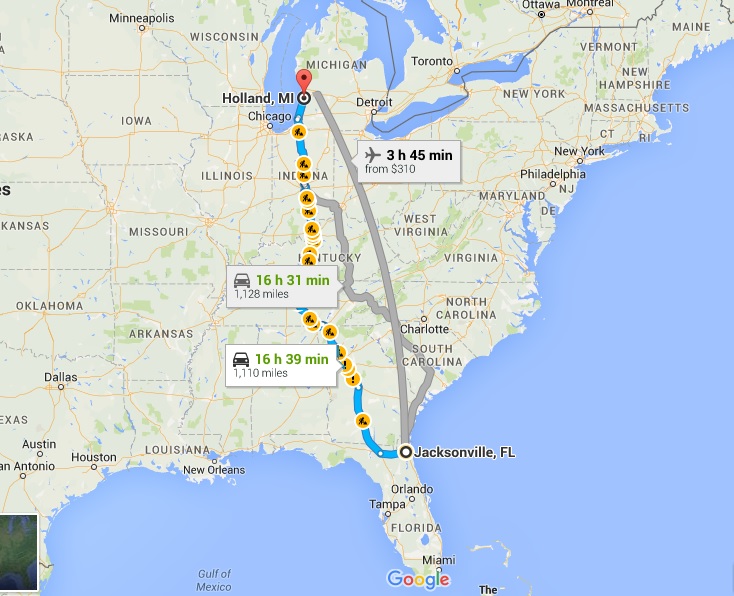
The duration of your trip to Florida is not a static figure. It’s a dynamic calculation influenced by your starting point, your chosen mode of transportation, and even the specific destination within Florida you aim to reach. Whether you’re embarking on a road trip from the neighboring states of Georgia or Alabama, flying in from across the country, or even sailing from another continent, each journey presents its own unique set of time considerations. Understanding these variables is the first step to efficiently planning your escape to paradise.
Factors Influencing Your Travel Time to Florida
The most significant determinants of your travel time to Florida are undoubtedly your point of origin and the transportation method you select.
Travel by Air: The Fastest Route for Many
For the vast majority of travelers coming from outside the immediate surrounding states, flying is the most time-efficient way to reach Florida. The state boasts several major international and domestic airports, with Miami International Airport, Orlando International Airport, and Tampa International Airport being among the busiest.
Domestic Flights:
- From the West Coast (e.g., Los Angeles, California): A direct flight to Orlando or Miami typically ranges from 5 to 6 hours. Add to this the time for getting to the airport, security checks, boarding, and deplaning, and you’re looking at a total travel day. Red-eye flights can sometimes offer a slightly shorter perceived travel time by allowing you to sleep during the journey.
- From the Midwest (e.g., Chicago, Illinois): Direct flights to Florida cities are generally around 3 to 4 hours. Including airport procedures, your journey will likely consume a good portion of a day.
- From the Northeast (e.g., New York City, New York): Flights to Florida are typically between 2.5 to 3 hours. This makes a weekend getaway quite feasible, though a full travel day is still a factor with airport logistics.
- From the South (e.g., Atlanta, Georgia): This is one of the shortest flight times, often around 1.5 to 2 hours to various Florida destinations.
International Flights:
- From Europe (e.g., London, United Kingdom): Direct flights to Miami or Orlando usually take between 8 to 10 hours. Factor in the time difference, and you’ll likely arrive on the same calendar day, though you’ll be significantly jet-lagged.
- From Canada (e.g., Toronto, Ontario): Direct flights to Florida can range from 3 to 4 hours.
- From Latin America (e.g., Bogotá, Colombia): Flights can be shorter, often around 4 to 5 hours, making Florida a popular destination for regional travelers.
It’s crucial to remember that flight times are just one component. Pre-flight activities like checking in, navigating airport security, and boarding can easily add 2-3 hours to your overall travel time. Post-flight, you’ll need to deplane, collect any baggage, and potentially arrange for further transportation to your hotel or final destination. For example, arriving at Orlando International Airport (MCO), you might then need another 30-60 minutes to reach your hotel on International Drive, or even longer if your accommodation is in a more remote area or a specific theme park resort like Walt Disney World Resort.
Road Trips: The Classic American Adventure
For those who prefer the freedom and flexibility of a road trip, or live within driving distance, traveling by car to Florida is a popular choice. This method offers the opportunity to see more of the country, stop at various attractions along the way, and pack more luggage.
Driving Times from Neighboring States:
- From Atlanta, Georgia: Driving to Orlando is approximately 6-7 hours without significant stops. This can easily extend to a full day if you plan for meals and rest breaks. The route primarily follows I-75 S.
- From New Orleans, Louisiana: This is a longer drive, typically around 8-9 hours to Pensacola, Florida, on the panhandle. To reach South Florida, like Miami, you’re looking at a journey of 14-16 hours or more, making it a two-day trip.
- From Charlotte, North Carolina: Driving to Orlando is about 9-10 hours, again necessitating at least one overnight stop for a comfortable journey.
- From Houston, Texas: A significant road trip, reaching Miami from Houston would take approximately 17-19 hours of pure driving time, requiring at least two full days of travel.
Longer Road Trips:
- From Dallas, Texas: Similar to Houston, a drive to Miami would be in the 17-19 hour range, necessitating an overnight stay.
- From New York City, New York: This is a substantial road trip, typically taking 17-20 hours of driving time to reach Orlando or Miami. Most travelers break this journey into two days, stopping somewhere in the Carolinas or Georgia. The route often involves I-95 S.
- From Los Angeles, California: A cross-country road trip to Florida is an epic undertaking, spanning roughly 35-40 hours of driving time. This would typically require 4-5 days of travel, allowing for reasonable driving stints and overnight stays.

When planning a road trip, remember to factor in traffic, especially around major cities like Jacksonville, Tampa, and Miami. Tolls can also add to the cost and time, so it’s wise to research routes and consider an E-ZPass or similar transponder if applicable. Rest stops, meals, and potential sightseeing detours will significantly extend your travel time beyond the raw driving hours.
Traveling by Train: A Scenic, Relaxed Pace
While not as common as flying or driving for reaching Florida, train travel offers a unique and often scenic experience. Amtrak provides service to many Florida cities.
- From the Northeast: Amtrak’s Silver Meteor and Silver Star routes connect New York City to Miami with stops in cities like Washington D.C., Richmond, and Savannah. The journey can take anywhere from 24 to 30 hours, depending on the specific route and stops. This is a much slower option but allows you to relax, work, or enjoy the scenery without the stress of driving or airport hassles.
- From the Midwest: Routes are less direct, often requiring transfers. For example, a journey from Chicago to Orlando could involve connections and take 30-40 hours or more.
Train travel is ideal for those who are not on a tight schedule and appreciate a more leisurely approach to travel. It can be particularly enjoyable for families or individuals who want to avoid the intensity of air travel or the fatigue of long drives.
Cruising to Florida: A Vacation Within a Vacation
For those starting from certain coastal regions or looking for a unique way to arrive, a cruise can be a delightful option. Several cruise lines depart from ports like New York City, Baltimore, and even international locations, with Florida ports such as Miami, Fort Lauderdale, and Port Canaveral serving as common embarkation or disembarkation points, or as destinations themselves on longer itineraries.
- Cruises from the Northeast: A cruise from New York to Miami as a final destination (or part of a longer itinerary) can take 3-5 days, offering a comfortable and amenity-rich journey. This is essentially a floating hotel experience that delivers you directly to your Florida doorstep.
- Caribbean Cruises: Many Caribbean cruises originate from Florida ports and visit islands like the Bahamas, St. Thomas, or Puerto Rico, often before returning to Florida. While not a direct “travel to Florida” method in the traditional sense, it’s a significant way many people experience the state as a starting or ending point for their vacation.
The time taken for a cruise is more about the duration of the voyage itself, which can range from a few days to a week or more, depending on the itinerary.
Navigating Florida: Travel Time Within the State
Once you’ve arrived in Florida, your journey isn’t necessarily over. The state is large, and travel between popular destinations can take a significant amount of time.
Driving Distances Between Major Florida Cities
- Miami to Orlando: Approximately 3.5 to 4 hours of driving time, depending on traffic and the specific route taken (often via Florida’s Turnpike).
- Orlando to Tampa: Roughly 1.5 to 2 hours of driving time via I-4 W. This stretch of highway is notorious for traffic.
- Tampa to Fort Myers: Approximately 2 to 2.5 hours of driving time via I-75 S.
- Miami to Key West: This is a scenic, but long, drive through the Florida Keys. The journey is around 3.5 to 4 hours of pure driving time from Miami to the start of the Keys in Key Largo, and then another 2-3 hours to reach Key West itself, covering the Overseas Highway. This is a full-day excursion.
- Orlando to Key West: A substantial journey, this would involve driving to South Florida (around 4-5 hours to Miami) and then continuing through the Keys, making it an 8-10 hour travel day.
Flying Within Florida
While driving is common, short flights are also an option for covering longer distances within Florida quickly. For instance, flying from Miami International Airport to Orlando International Airport can take just under an hour of flight time. However, when you factor in airport travel, security, and waiting times, it might not always be significantly faster than driving, especially for journeys between more closely situated major cities.
Planning Your Trip: Estimating Your Total Travel Time
To accurately answer “How Long Would It Take To Get To Florida?”, consider all aspects of your journey:
- Origin to Departure Airport/Station: How long does it take to get to your starting point for travel?
- Pre-Travel Procedures: Time for check-in, security, boarding at airports or stations.
- In-Transit Time: The actual flight, drive, train ride, or cruise duration.
- Post-Travel Procedures: Deplaning, baggage claim, customs (if international), and finding your next transport.
- Destination Travel: Time to reach your final accommodation (e.g., a hotel like the Ritz-Carlton, Amelia Island, or a resort in the Florida Keys).
By meticulously accounting for each of these stages, you can create a realistic timeline for your arrival in the beautiful state of Florida. Whether you’re planning a quick getaway to South Beach, an extended family vacation to Walt Disney World Resort, or a relaxing retreat to the Emerald Coast, understanding your travel time is paramount to a smooth and enjoyable experience.
LifeOutOfTheBox is a participant in the Amazon Services LLC Associates Program, an affiliate advertising program designed to provide a means for sites to earn advertising fees by advertising and linking to Amazon.com. Amazon, the Amazon logo, AmazonSupply, and the AmazonSupply logo are trademarks of Amazon.com, Inc. or its affiliates. As an Amazon Associate we earn affiliate commissions from qualifying purchases.