
Colorado is a state synonymous with majestic mountains, rugged beauty, and an unparalleled outdoor lifestyle. For adventurers and nature enthusiasts alike, the concept of “14ers” holds a special allure. These are the imposing peaks that soar to an elevation of 14,000 feet (approximately 4,267 meters) or higher above sea level, challenging the spirit and rewarding the persistent with breathtaking panoramic views. But just how many 14ers does Colorado boast, and what does it take to experience their grandeur? This comprehensive guide delves into the world of Colorado’s iconic high-altitude landmarks, offering insights into travel, accommodation, local culture, and the unforgettable experiences awaiting those who dare to ascend.
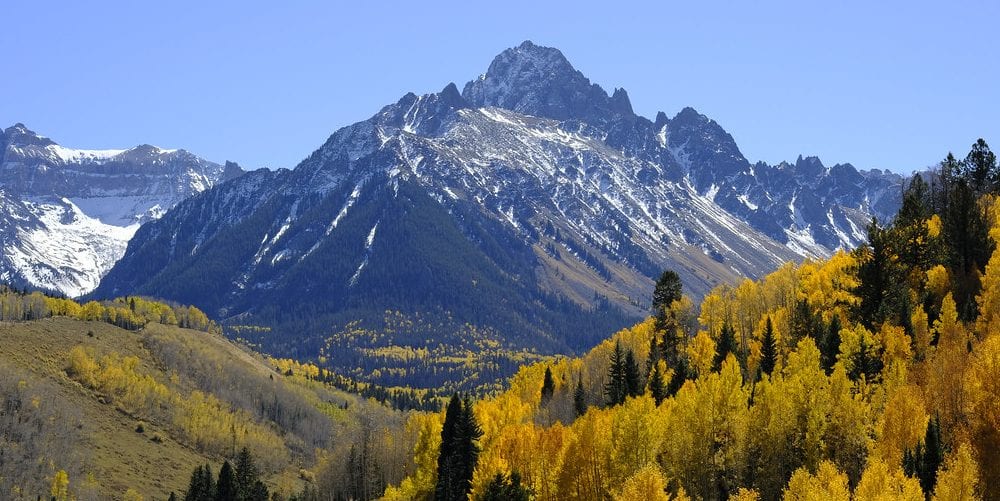
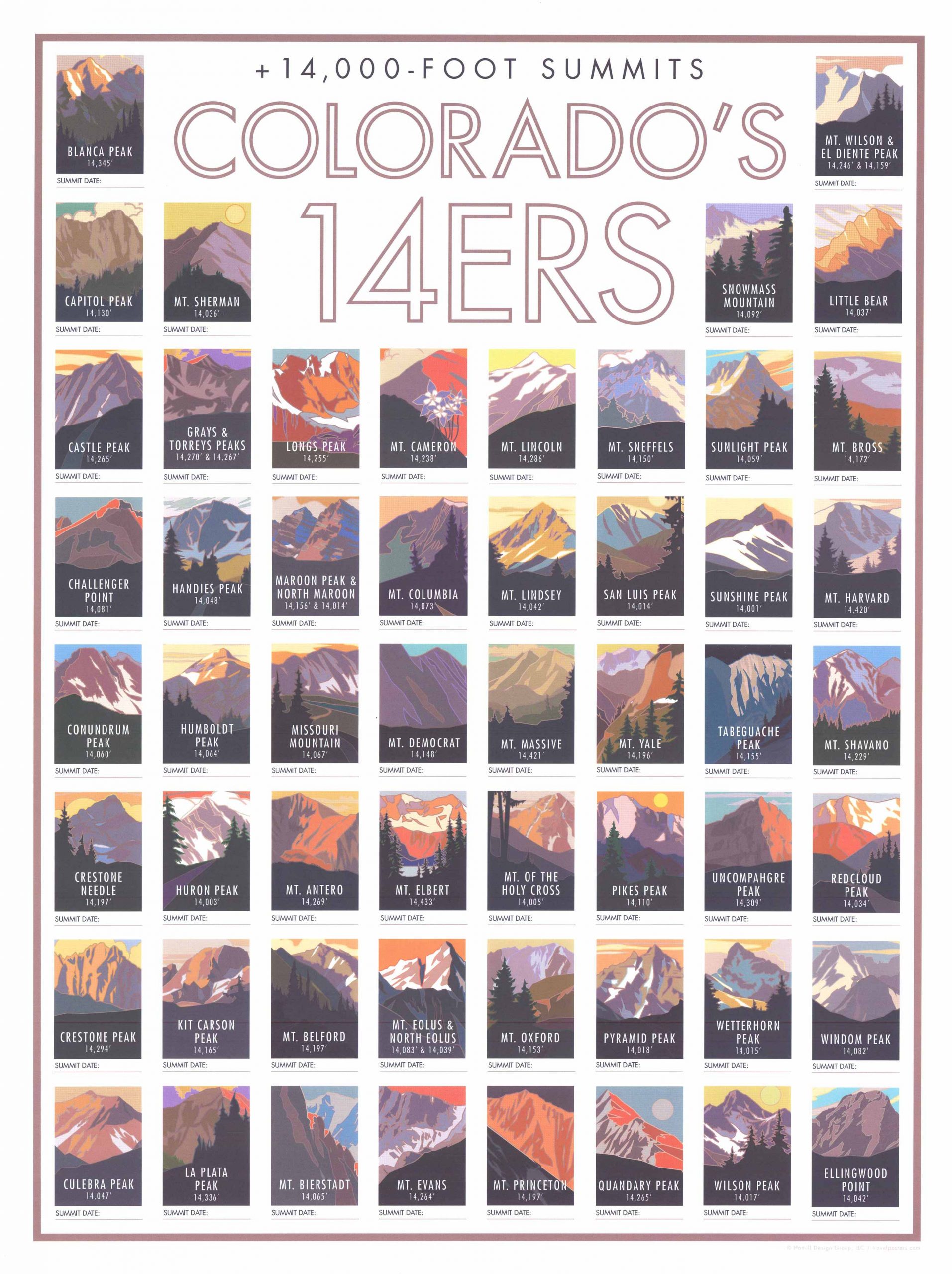
The official count of Colorado 14ers typically stands at 58. This figure includes 53 distinct mountains that meet the 14,000-foot criterion and have at least 300 feet of prominence (meaning they rise at least 300 feet from any saddle connecting them to a higher peak). Additionally, there are five “ranked” sub-peaks that also exceed 14,000 feet but do not meet the prominence rule, often considered part of the “58” for peak-bagging enthusiasts. These colossal natural landmarks are scattered across various mountain ranges, each offering unique challenges, landscapes, and access points, making Colorado an undisputed mecca for high-altitude trekking.
The Allure of the High Peaks: Why Hike Colorado’s 14ers?
The magnetic pull of Colorado’s 14ers is multifaceted. For many, it’s the sheer physical and mental challenge of reaching such heights. For others, it’s the opportunity to immerse themselves in pristine wilderness, far above the tree line, where the air is crisp, and the silence is profound. The views from these summits are simply unparalleled, offering an expansive canvas of jagged ridges, verdant valleys, and a boundless horizon that stretches beyond imagination. It’s an experience that marries physical exertion with spiritual rejuvenation, a tangible connection to the raw power and beauty of nature.
Beyond the personal achievement, hiking a 14er often opens the door to exploring Colorado’s vibrant mountain towns, rich local culture, and diverse tourism offerings. From the bustling streets of Denver and Boulder to quaint historic mining towns nestled deep in the valleys, the journey to a 14er is often as rewarding as the summit itself. This lifestyle, characterized by outdoor adventure, healthy living, and a deep appreciation for the environment, is what defines the Colorado experience.
Diverse Ranges and Iconic Summits
Colorado’s 14ers are distributed among ten distinct mountain ranges, each with its own character and set of challenges. Understanding these ranges helps in planning your adventure, whether you’re seeking accessible trails or true wilderness expeditions.
The Sawatch Range: Home to the highest concentration of 14ers, including the state’s highest peak, Mount Elbert (14,439 ft), and its close rival, Mount Massive (14,428 ft). These peaks are generally characterized by long, but often less technical, routes, making them popular for first-time 14er aspirants. Towns like Leadville, Buena Vista, and Salida serve as excellent bases for exploring the Sawatch Range.
The Sangre de Cristo Range: Known for its dramatic, rugged spires and some of the most challenging climbs. Peaks like Crestone Peak and Crestone Needle demand advanced mountaineering skills. The proximity to Great Sand Dunes National Park and Preserve adds another layer of unique landscape to this region.
The San Juan Mountains: Located in southwest Colorado, these mountains are arguably the most visually stunning, characterized by their volcanic origins, dark rock, and lush basins. Peaks like Handies Peak, Wetterhorn Peak, and Uncompahgre Peak are highlights. Charming towns such as Ouray, Telluride, Durango, and Silverton offer incredible amenities and serve as gateways to these high peaks, providing a blend of adventure and refined comfort.

The Front Range: Perhaps the most accessible, with peaks like Grays Peak and Torreys Peak being popular choices due to their proximity to Denver. Longs Peak in Rocky Mountain National Park is another famous Front Range 14er, renowned for its challenging Keyhole Route and often considered one of the most difficult to summit. Estes Park serves as the primary gateway to Rocky Mountain National Park.
The Elk Mountains: Home to iconic and challenging peaks like Capitol Peak and Maroon Bells near Aspen, these mountains are known for their extremely rugged terrain and exposure. They are generally recommended for experienced mountaineers. Aspen offers luxury accommodation and a sophisticated lifestyle, balancing extreme adventure with high-end relaxation.
The Mosquito Range & Tenmile Range: These ranges offer a mix of accessible and moderately challenging peaks, often with historic mining remnants. Quandary Peak in the Tenmile Range is a popular beginner 14er, located conveniently near Breckenridge and Keystone Resort.
Planning Your High-Altitude Expedition: Safety and Preparation
Hiking a 14er is not merely a walk in the park; it requires careful planning, proper gear, and a healthy respect for the mountain environment. The best time to hike 14ers is typically from late June to early September, when snow has melted from most routes, and weather conditions are generally more stable. However, even in summer, afternoon thunderstorms are common, and temperatures can drop dramatically at altitude.
Essential Gear and Safety Practices
Preparation is paramount for a safe and enjoyable 14er experience.
- Layered Clothing: Weather can change rapidly. Bring moisture-wicking base layers, insulating mid-layers, and a waterproof/windproof outer shell.
- Sturdy Footwear: Hiking boots with good ankle support and traction are crucial for navigating rocky and uneven terrain.
- Hydration and Nutrition: Carry plenty of water (at least 3-4 liters per person) and high-energy snacks. Dehydration is a significant risk at altitude.
- Navigation Tools: A physical map and compass, along with a GPS device or smartphone app, are essential. Do not rely solely on your phone, as battery life and signal can be unreliable.
- First-Aid Kit: Include essentials for blisters, cuts, pain relief, and any personal medications.
- Sun Protection: Sunscreen, sunglasses, and a wide-brimmed hat are vital, as UV radiation is much stronger at high altitudes.
- Headlamp/Flashlight: Even if you plan to be back before dark, unexpected delays can occur.
- Emergency Shelter: A lightweight emergency blanket or bivy sack can be a lifesaver in unexpected weather.
Safety Tips:
- Acclimatization: If traveling from sea level, spend a day or two at a lower elevation (Denver or Boulder) before attempting a 14er to reduce the risk of altitude sickness.
- Start Early: Begin your hike well before dawn to minimize exposure to afternoon thunderstorms, which typically build up between noon and 2 PM. “Early start, early finish” is the mantra for 14er hikers.
- Monitor Weather: Check the forecast meticulously before and during your hike. Turn back if weather deteriorates.
- Know Your Limits: Choose a peak appropriate for your fitness level and experience. There’s no shame in turning around.
- Never Hike Alone: Or if you do, inform someone of your itinerary and expected return time.
- Leave No Trace: Pack out everything you pack in, stay on marked trails, and minimize your impact on the delicate alpine environment.
Beyond the Summit: Experiencing Colorado’s Mountain Culture
While the 14ers are the main draw, the experience of visiting Colorado for high-altitude adventures extends far beyond the trails. The state’s mountain towns offer a vibrant blend of history, recreation, and unique local culture, making them perfect complements to a rigorous hiking trip.
Charming Mountain Towns and Local Delights
From historic mining towns transformed into ski resorts to burgeoning hubs for outdoor enthusiasts, Colorado’s mountain communities provide comfort, sustenance, and a taste of authentic Western lifestyle.
Breckenridge and Vail: Famous for their world-class skiing, these towns also offer incredible summer activities, including mountain biking, whitewater rafting, and access to numerous hiking trails. Their historic main streets are lined with charming boutiques, art galleries, and diverse dining options.
Aspen and Telluride: Synonymous with luxury and high-end living, these towns combine stunning natural beauty with sophisticated cultural scenes. Beyond hiking the challenging Elk Mountains, visitors can enjoy upscale dining, film festivals, and world-class shopping.
Ouray and Glenwood Springs: Known for their natural hot springs, these destinations offer the perfect opportunity for relaxation and recovery after a strenuous hike. Imagine soaking in mineral-rich waters surrounded by towering peaks – a true balm for tired muscles.
Nederland and Crested Butte: These more bohemian and laid-back towns attract those seeking a quieter, more artistic vibe, often with a strong focus on mountain biking and local music scenes.
Local cuisine is another highlight. After burning thousands of calories on the trail, you’ll appreciate Colorado’s diverse culinary scene. From hearty pub fare and craft breweries (the state is a microbrewery mecca) to farm-to-table restaurants and international cuisine, there’s something to satisfy every palate. Don’t forget to try local specialties like green chile, bison burgers, and Palisade peaches in season.
Beyond Hiking: Exploring Colorado’s Natural Wonders
While 14ers are the main event, Colorado offers countless other natural attractions and activities.
- Rocky Mountain National Park: Beyond Longs Peak, the park features hundreds of miles of trails for all abilities, scenic drives like Trail Ridge Road, and abundant wildlife viewing opportunities.
- Pikes Peak: Known as “America’s Mountain,” this accessible 14er can be summited by car, cog railway, or the challenging Barr Trail, offering a different kind of high-altitude experience.
- Black Canyon of the Gunnison National Park: Witness dramatic, sheer canyon walls and the powerful Gunnison River.
- Mesa Verde National Park: Explore ancient cliff dwellings and learn about the rich history of the Ancestral Pueblo people.
- The Colorado Trail: This nearly 500-mile long-distance trail crosses much of the state, offering incredible backpacking and mountain biking segments.
Where to Stay: Accommodation Options for High-Altitude Explorers
Whether you’re planning a rugged backpacking trip or a luxury mountain escape, Colorado offers a wide array of accommodation options to suit every budget and travel style. Proximity to trailheads, amenities for hikers, and opportunities for rest and recovery are key considerations.
From Rustic Retreats to Lavish Resorts
Budget-Friendly Stays: For those focused on the adventure, many towns near popular 14ers offer affordable motels, hostels, and campgrounds. Look for options in Leadville, Buena Vista, Salida, or Estes Park. Many trailheads also have designated primitive camping areas or national forest campgrounds, perfect for an early start.
Mid-Range Hotels and Vacation Rentals: A sweet spot for many travelers, these options provide comfortable amenities without breaking the bank. You’ll find numerous hotels, suites, and apartments in towns like Breckenridge, Vail, Durango, and Steamboat Springs. Vacation rentals (cabins, condos, villas) are excellent for groups or families, offering kitchens for self-catering and more space. Many cater to the outdoor lifestyle, with amenities like laundry facilities for muddy gear, gear storage, and hot tubs for post-hike relaxation.
Luxury Resorts and Boutique Hotels: For those seeking a blend of challenging hikes and indulgent comfort, Colorado has world-class luxury options.
- St. Regis Aspen Resort: Offers unparalleled elegance and service in the heart of Aspen, perfect for exploring the Elk Mountains.
- The Broadmoor in Colorado Springs: A historic five-star resort offering a wide range of activities, impeccable dining, and stunning views, making it an ideal base for Pikes Peak and other Front Range adventures.
- Hotel Jerome, Aspen: Another iconic Aspen landmark, blending historic charm with modern luxury.
- Gateway Canyons Resort: While not directly adjacent to 14ers, this magnificent resort in western Colorado offers a different kind of luxury adventure, exploring canyons and mesas, and can be part of a broader Colorado itinerary.
- High-end properties in Vail and Telluride also cater to those desiring sophisticated amenities, spa services, and gourmet dining after a day in the mountains.
When booking accommodation, consider proximity to your chosen trailhead, transportation options, and whether the hotel or resort offers any specific services for hikers, such as early breakfast times, packed lunches, or shuttle services. Reviews and comparisons on booking platforms can help you find the perfect match for your high-altitude adventure.
In conclusion, the 58 (or 53+5) 14ers of Colorado represent not just towering geological features, but a gateway to a vibrant lifestyle centered around outdoor exploration, community, and respect for nature. Whether you’re a seasoned mountaineer or an aspiring peak-bagger, the journey to conquer these magnificent landmarks promises unforgettable experiences, stunning vistas, and a profound connection to the heart of the Rocky Mountains. With careful planning, appropriate gear, and the right base camp, your Colorado 14er adventure will be nothing short of epic.