
Navigating the intricacies of school attendance policies can often feel like deciphering a complex travel itinerary, especially when planning family adventures or managing unexpected life events. For families residing in the Lone Star State, understanding the rules governing school absences in Texas is paramount. Beyond the academic implications, these regulations can significantly influence how families schedule vacations, manage health issues, and even participate in enriching lifestyle experiences. While our primary focus is on global destinations and luxurious stays, we recognize that responsible travel and family well-being begin with an understanding of local guidelines, ensuring that educational commitments are met without sacrificing the joy of exploration.
The question of “how many absences are allowed” isn’t merely about a fixed number; it delves into a nuanced framework designed to uphold the state’s commitment to education while providing flexibility for legitimate circumstances. From compulsory attendance laws to the distinction between excused and unexcused absences, and the potential consequences of truancy, every parent in Texas needs a clear roadmap. This guide aims to demystify these regulations, offering insights for both daily planning and larger lifestyle decisions, such as embarking on an extended family trip or managing unforeseen challenges.
Understanding Compulsory Attendance Laws in Texas
At its core, Texas law mandates that children attend school. This isn’t just a recommendation; it’s a legal requirement. The Texas Education Agency (TEA) oversees these regulations, which are then implemented by individual school districts across the state, from the bustling urban centers of Houston and Dallas to the more rural communities that dot the vast landscape. The overarching goal is to ensure that every student receives the instruction necessary for academic success and future opportunities.
Compulsory attendance applies to children from ages six to eighteen. Once a child enrolls in kindergarten, they are generally subject to the attendance laws. Even if a child starts kindergarten at age five, they are expected to attend regularly. This commitment underscores the state’s belief in the foundational importance of early education and consistent learning. For parents who envision travel as a vital component of their child’s holistic development, understanding these foundational laws is the first step in responsibly integrating unique experiences without compromising academic standing. Whether it’s a cultural immersion trip to Mexico or exploring historical landmarks across the United States, such plans must align with the state’s educational mandates.

The 90% Rule: The Baseline for Attendance and Credit
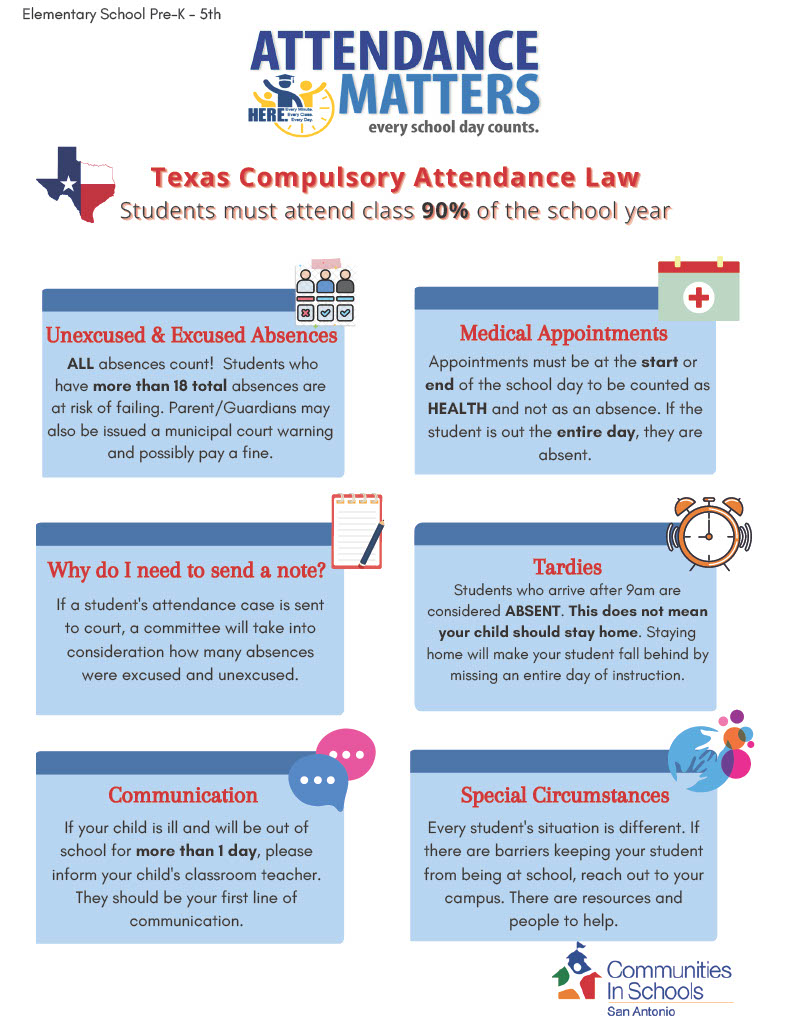
The cornerstone of Texas school attendance policy is the “90% Rule.” This rule, enshrined in the Texas Education Code, states that a student must be present for at least 90% of the days a class is offered to receive credit for that class or to be promoted to the next grade level. This percentage applies to each individual class, not just overall school attendance. For a typical 180-day school year, this means a student can miss no more than 18 days of school in a specific class. If a student exceeds this limit, regardless of whether the absences are excused or unexcused, they are at risk of losing credit for the course.
It’s crucial to note that simply being present doesn’t always count. To be counted as present, a student must be in attendance for at least half of the school day. This is particularly relevant for families considering early dismissals or late arrivals for appointments. While the 90% rule provides a clear quantitative measure, it also introduces a qualitative aspect: active participation and consistent engagement are implicitly encouraged. School districts have Attendance Review Committees (ARCs) or similar bodies that can grant credit or promotion to students who fall below the 90% threshold, but only if they have made up the missed work and demonstrated mastery of the subject matter. This offers a potential safety net, but it’s not a guarantee and often involves additional effort on the part of the student and family. Planning family trips to captivating destinations like South Padre Island or Big Bend National Park must always factor in this critical 90% threshold, ensuring that the enriching experiences gained from travel don’t inadvertently jeopardize academic progress.
Excused vs. Unexcused Absences: What’s the Difference?
Understanding the distinction between excused and unexcused absences is vital, as it dictates how schools respond to student non-attendance. While both types of absences contribute to the 90% rule, their implications for truancy and legal action differ significantly.
Excused Absences are typically those for which the student has a valid reason, supported by proper documentation, and where the absence is approved by the school. Common examples include:
- Personal Illness: A student is genuinely sick and unable to attend school. A doctor’s note is often required for extended illnesses or for absences that become frequent.
- Doctor or Dental Appointments: Scheduled medical or dental appointments that cannot be made outside of school hours. Again, documentation from the healthcare provider is usually necessary.
- Funerals: Attending the funeral of a family member or close friend.
- Religious Holy Days: Observing religious holy days, provided the student attends a required number of hours on those days if necessary.
- Court Appearances: Required attendance in court.
- Activities with Parental Consent: With prior written consent from the parent and the school’s approval, certain events like participation in college visits (up to two days for juniors and seniors), military enlistment proceedings, or certain extracurricular activities can be excused. This category is where educational travel or unique learning experiences could potentially fit, but it requires proactive communication and explicit school permission. A family trip to experience the local culture of San Antonio might be educational, but it generally won’t be automatically excused unless specific parameters are met and approved by the district.
- Mental Health Day: Some districts, following recent legislative changes, may allow a certain number of mental health days to be excused with appropriate documentation.
Unexcused Absences, on the other hand, are any absences that do not fall under the excused categories or for which proper documentation is not provided. These are the absences that lead to truancy concerns. Examples include:
- Oversleeping: Missing school because the student overslept.
- Missing the Bus: Not arriving on time due to transportation issues not related to verifiable emergencies.
- Shopping Trips: Taking a day off for personal errands or shopping.
- Family Vacations Not Pre-Approved: Taking a trip without prior arrangement and approval from the school, or for reasons not explicitly listed as excused. This is a crucial point for families who enjoy frequent travel and seek unique hotel experiences or resort getaways; planning must always factor in school policies.
- “Skipping” School: Deliberate non-attendance without parental or school knowledge.
While both types of absences contribute to the 90% rule, excessive unexcused absences trigger legal protocols under Texas’s truancy laws.
Navigating the Consequences of Excessive Absences
Ignoring school attendance policies in Texas can lead to significant repercussions, impacting both a student’s academic future and, in severe cases, incurring legal penalties for parents. The state takes compulsory attendance seriously, recognizing its pivotal role in a child’s development and future success. Understanding these potential outcomes is essential for any family, particularly those balancing educational commitments with a lifestyle that includes extensive travel or unique experiences.
Academic Penalties and Loss of Credit
The most immediate and direct consequence of excessive absences is academic. As previously mentioned, the 90% Rule is a strict benchmark for students to receive credit for a class or be promoted. If a student falls below this threshold, regardless of whether the absences were excused or unexcused, they are at risk of failing the course. This can lead to:
- Retention: Being held back in the same grade level.
- Loss of Credit: Not receiving credit for a specific course, which might require summer school, credit recovery programs, or repeating the class. This can delay graduation, especially for high school students.
- Impact on Extracurriculars: Excessive absences can also affect eligibility for sports, clubs, and other extracurricular activities, which are often contingent on maintaining satisfactory academic standing and attendance.
- Reduced Learning: Beyond formal penalties, consistent absences inevitably lead to missed instruction, falling behind peers, and a fragmented understanding of the curriculum. This can create a cycle of disengagement and academic struggle that is difficult to break, regardless of the enriching experiences a child might gain from travel or other pursuits.
While school districts do have Attendance Review Committees (ARCs) that can offer a path to regaining credit, this typically involves demonstrating mastery of the missed material, completing additional assignments, and showing a commitment to improved attendance. This process is not a guarantee and can be arduous, highlighting the importance of preventative measures and careful planning, particularly when contemplating an adventurous family getaway or an extended stay in a unique accommodation.
Legal Implications: Truancy and Court
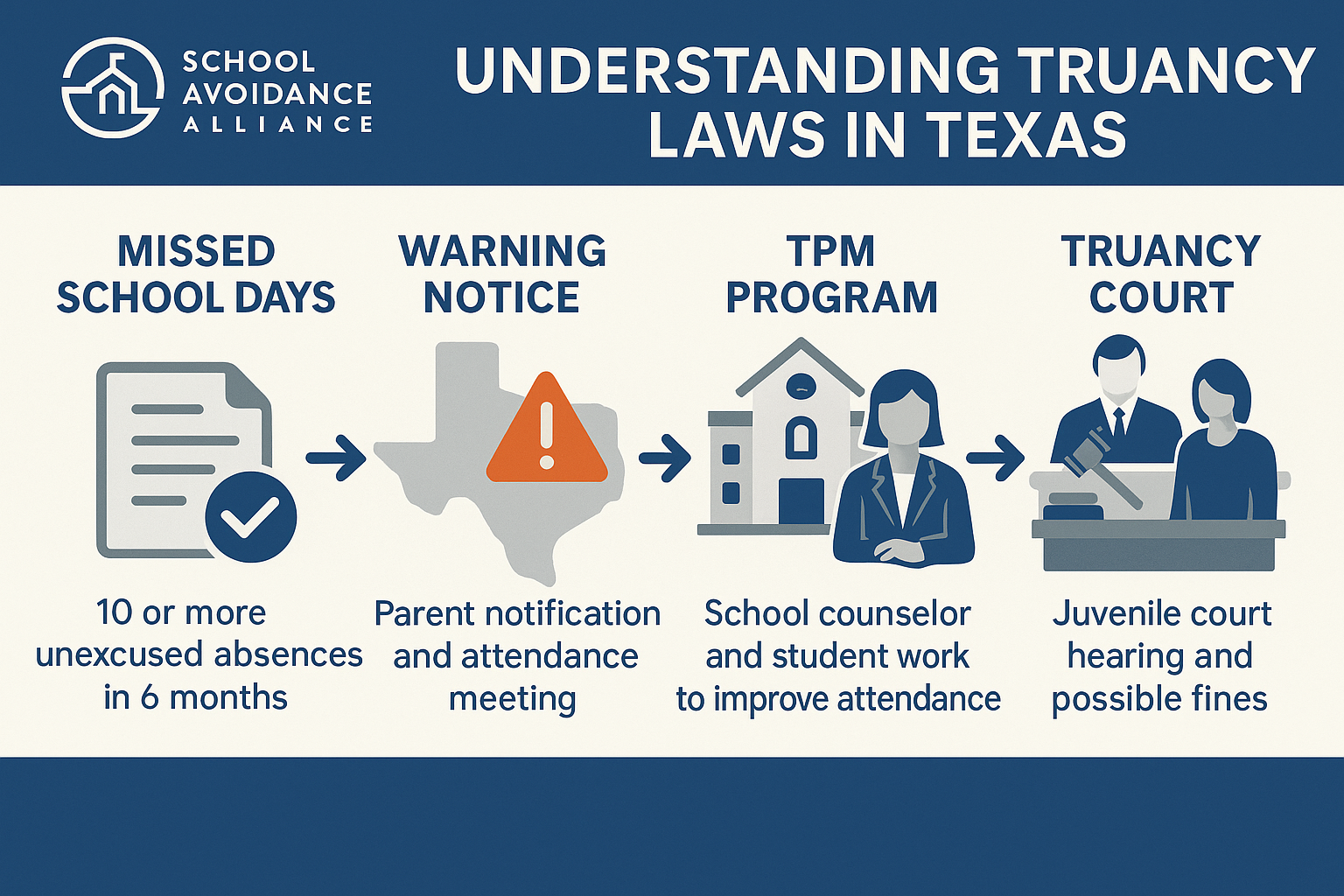
Beyond academic setbacks, excessive unexcused absences can lead to legal action, a situation no family wants to face. Texas law defines truancy as a student accumulating ten or more unexcused absences within a six-month period or three or more unexcused absences within a four-week period. Once a student reaches these thresholds, schools are legally obligated to intervene.
The process typically unfolds as follows:
- Early Intervention: Schools are required to implement prevention measures, such as parent conferences, attendance improvement plans, and counseling. They must notify parents about absences and potential truancy issues.
- Referral to Truancy Court: If early interventions fail and the student continues to accumulate unexcused absences, the school district will refer the student and/or their parents to truancy court. In Texas, both the student (if age 12 or older) and the parent can be charged.
- Legal Consequences for Students: Students (ages 12-18) found truant can face Class C misdemeanor charges, which may result in fines, community service, or even placement in alternative education programs.
- Legal Consequences for Parents: Parents can also face charges for “failure to attend school” if their child has ten or more unexcused absences in a six-month period. This is also a Class C misdemeanor, punishable by fines up to $500 per absence (though typically lower for a first offense), court costs, and potentially even jail time in extreme, repeated cases.
- Child Protective Services: In very severe and persistent cases of truancy, especially if neglect is suspected, the school may involve the Department of Family and Protective Services (DFPS).
These legal repercussions underscore the seriousness of attendance requirements. For families who embrace a flexible or travel-centric lifestyle, understanding these boundaries is critical. While educational travel offers invaluable experiences, it must always be carefully planned to avoid unintentionally crossing into truancy territory.
Parental Responsibilities and Documentation
Parents play a pivotal role in ensuring their children comply with Texas attendance laws. Their responsibilities extend beyond simply sending their children to school; they encompass proactive communication, meticulous documentation, and a clear understanding of district policies. For families that value travel and unique experiences, mastering these responsibilities allows for a more harmonious integration of lifestyle and education.
Communicating with the School: Best Practices
Open and timely communication with the school is arguably the most critical step in managing absences effectively. Many potential issues can be mitigated by keeping school administration informed.
- Prior Notice for Planned Absences: If you anticipate a planned absence, such as a family trip or an educational excursion, notify the school well in advance. Some districts may require a formal request for an “educational leave” or similar arrangements. Provide details about the duration and nature of the absence. While not all planned absences will be excused, proactive communication can help you understand the academic implications and potentially make arrangements for missed work. This is especially true for those embarking on international adventures or long-term stays in serviced apartments or villas.
- Immediate Notification for Unforeseen Absences: If your child will be absent due to illness or an emergency, inform the school on the day of the absence. Most schools have a dedicated attendance line or email for this purpose.
- Follow-Up: Don’t assume a message was received. Follow up if you don’t hear back, especially for planned absences.
- Understand District Policies: While Texas law provides a framework, individual school districts (like those in Austin or El Paso) often have their own specific procedures for reporting absences and requesting excused time off. Familiarize yourself with your local district’s student handbook or website.
- Discuss Missed Work: When an absence is inevitable, communicate with teachers about missed assignments and how your child can stay caught up. Proactive engagement demonstrates commitment to your child’s education, even when they are away from the classroom.
Essential Documentation for Absences
Documentation is the backbone of excusing an absence. Without proper paperwork, even a legitimate reason for missing school can be categorized as unexcused.
- Doctor’s Notes: For illness or medical appointments, always obtain a note from the healthcare provider detailing the date(s) of the visit and the need for absence from school. This is usually the strongest form of documentation for health-related absences.
- Parent Notes: For brief illnesses or other excused reasons that don’t require a doctor’s visit, a written note from the parent or guardian is often acceptable. However, districts usually limit the number of parent notes accepted per school year (e.g., 3-5 days). Beyond this limit, a doctor’s note might be required.
- Court Documents: For court appearances, official court summons or verification documents are necessary.
- Funeral Programs/Obituaries: For absences related to funerals, a program from the service or an obituary can serve as documentation.
- College Visit Verification: For approved college visits, universities usually provide a letter or stamp that can be submitted to the school.
- Religious Holiday Verification: A written request from the parent indicating the religious holy day.
- Other Official Documents: Any other official documentation relevant to the reason for absence should be submitted promptly.
Keep copies of all submitted documentation for your own records. Prompt submission of these documents, typically within a few days of the student’s return, is usually required by district policies. Neglecting to provide documentation can quickly turn an otherwise excused absence into an unexcused one, leading to potential truancy concerns.
Balancing Education with Family Travel and Lifestyle Choices
For many families, travel is not just a leisure activity but a cherished part of their lifestyle, offering invaluable learning opportunities and unforgettable experiences. Whether it’s exploring historical sites in San Antonio, enjoying a resort stay along the Gulf Coast, or embarking on an international adventure, these experiences enrich life. However, integrating this passion with the mandatory educational commitments in Texas requires strategic planning and careful consideration.
The desire to explore new destinations and immerse in diverse cultures often clashes with rigid school calendars. This is where a deep understanding of absence policies becomes an asset, allowing families to make informed decisions that benefit both their child’s education and their shared experiences. It’s about finding the sweet spot where a child can learn from the world without falling behind in the classroom.
Planning Educational Trips Responsibly
While most family vacations won’t automatically qualify as excused absences, it is possible to plan trips that have significant educational value, and in some cases, seek school approval.
- Consider School Holiday Periods: The simplest way to avoid attendance conflicts is to plan trips during official school breaks – summer vacation, winter break, and spring break. This eliminates any worries about excused versus unexcused absences and ensures uninterrupted learning. Many hotels and resorts offer special packages during these peak travel times.
- Seek Pre-Approval for Educational Leave: Some school districts have policies that allow for “educational leave” or “independent study” for absences that are clearly structured as learning experiences. This typically requires a written proposal submitted in advance, outlining the educational objectives, activities, and how the student will make up missed work. Examples might include visiting historical landmarks, attending a cultural festival, or participating in a scientific expedition. Approval is not guaranteed and often depends on the district’s discretion, the student’s academic standing, and the perceived educational value of the trip.
- Integrate Learning into Travel: Even if a trip is not formally excused, families can make it a rich learning experience. For instance, a visit to Washington, D.C. can be a hands-on history lesson, or exploring the vibrant markets of Mexico can teach about economics and culture. Keep journals, read relevant books, and discuss experiences to reinforce learning.
- Minimize Disruption: If you must travel during school days, aim for shorter trips. Work with teachers to get assignments in advance and ensure your child completes them while away. This shows commitment to their education and can influence a school’s flexibility.
- Explore Virtual Learning Options: For families with truly nomadic lifestyles, or those considering extended stays, researching accredited online schools or homeschooling options might be a more sustainable long-term solution that bypasses traditional attendance rules altogether, while still providing a structured curriculum.
Special Circumstances and Exemptions
While the 90% rule and truancy laws are generally firm, there are specific circumstances and exemptions outlined in Texas law that can allow for excused absences beyond the typical reasons:
- Higher Education Visits: Juniors and seniors are typically allowed up to two days per school year for college visits without penalty. This provides a crucial opportunity for students to explore their post-secondary options, visiting campuses in Austin, Dallas, or even out of state.
- Religious Holy Days: As mentioned, students may be excused for religious observations, often with a requirement to make up any missed instructional time.
- Military Families: Children of active-duty military personnel may have some specific allowances, particularly regarding deployment-related absences. The Family and Medical Leave Act (FMLA) can also apply to parents needing to care for a child with a serious health condition, protecting their jobs while they manage their child’s medical needs, which would result in excused absences for the child.
- Documented Homelessness: Students experiencing homelessness are afforded certain protections regarding enrollment and attendance, recognizing the instability they face.
- Certain Medical Conditions: Students with chronic illnesses or disabilities may have individualized education plans (IEPs) or 504 plans that include provisions for managing absences related to their health needs.
- Disciplinary Alternative Education Program (DAEP) or Juvenile Justice Alternative Education Program (JJAEP) Placement: Absences due to placement in these programs, while not ideal, are typically counted differently in terms of truancy prosecution.
It’s imperative to consult with your specific school district and, if necessary, legal counsel to understand how these exemptions apply to your family’s unique situation.
District-Specific Nuances: Always Check Local Policies
While the Texas Education Code provides the overarching framework for attendance, individual school districts have the authority to establish their own, often more detailed, policies and procedures. What might be an accepted excused absence in one district, such as Houston Independent School District, might have different requirements in a smaller district bordering New Mexico or Louisiana, or even within the diverse communities around Oklahoma and Arkansas.
These district-specific nuances can include:
- Number of Parent Notes Allowed: Some districts are more flexible than others regarding how many parent notes they will accept before requiring a doctor’s note.
- Documentation Deadlines: The timeframe within which documentation for an absence must be submitted can vary.
- Specific Reasons for Excused Absences: While the state provides a general list, districts might expand on it or have more stringent requirements for certain types of absences.
- Attendance Review Committee (ARC) Procedures: The process for appealing credit loss due to excessive absences can differ significantly from one district to another.
- Truancy Prevention Programs: The specific interventions and resources offered by schools before referring a case to court can also vary.
Therefore, regardless of how well-versed you become in statewide regulations, always make your local school district’s student handbook or attendance policy your primary reference. This ensures you have the most accurate and up-to-date information for your child’s specific educational environment. Proactive engagement with your school is always the best approach, especially for families who prioritize a lifestyle rich in travel and diverse experiences. It allows for informed decisions, minimizes stress, and helps children thrive both in the classroom and in the wider world. Whether your next adventure takes you to a historical landmark or a luxurious Grand Hyatt Hotel for a family getaway, responsible planning ensures educational success goes hand-in-hand with unforgettable memories.
LifeOutOfTheBox is a participant in the Amazon Services LLC Associates Program, an affiliate advertising program designed to provide a means for sites to earn advertising fees by advertising and linking to Amazon.com. Amazon, the Amazon logo, AmazonSupply, and the AmazonSupply logo are trademarks of Amazon.com, Inc. or its affiliates. As an Amazon Associate we earn affiliate commissions from qualifying purchases.