
The vibrant tapestry of Texas beckons millions of travelers each year, offering everything from the bustling metropolises of Dallas and Houston to the historic charm of San Antonio and the live music scene of Austin. For those who choose to make the Lone Star State their home, whether temporarily or permanently, civic participation is as integral a part of the local lifestyle as savoring authentic Texas barbecue or exploring iconic landmarks. Understanding the requirements to vote in Texas is not just a matter of legal compliance; it’s an embrace of the democratic process that shapes the very destinations we visit and the communities we live in.
From the picturesque landscapes of Big Bend National Park to the historic Alamo, every corner of Texas is influenced by the decisions made at the ballot box. These decisions impact everything from infrastructure development and public services to cultural funding and environmental regulations, all of which directly contribute to the quality of life for residents and the experiences of tourists. Whether you’re a long-term resident, a new arrival seeking to immerse yourself in local culture, or even a digital nomad making Texas your temporary base, knowing “What Do I Need To Vote In Texas?” is a fundamental step towards active citizenship. This guide delves into the essential prerequisites, the registration process, identification requirements, and how to cast your ballot, ensuring that every eligible voice can contribute to the future of this diverse and dynamic state.
Understanding Voter Eligibility in Texas: A Foundation for Civic Participation
Before you can cast your ballot in Texas, it’s crucial to understand the fundamental eligibility criteria. These requirements ensure that only qualified citizens participate in the electoral process, maintaining the integrity of our democratic system. For many, integrating into a new community, especially one as vast and varied as Texas, involves more than just finding the best local eateries or hidden gem attractions; it includes understanding the civic landscape.
Residency Requirements: A Traveler’s Perspective
One of the cornerstones of voter eligibility in Texas is residency. To be eligible to vote, you must be a resident of Texas and of the county where you plan to vote. The law defines “residency” generally as where you live and intend to remain. This is a crucial point, particularly for those whose lifestyles involve frequent travel or temporary stays. If you’re a student attending university in Austin, a professional on an extended work assignment in Houston, or even a retiree enjoying the mild winters in El Paso, establishing your residency is key.
For travelers who maintain homes in multiple states or frequently move, the concept of domicile becomes important. Your domicile is your legal home, the place you intend to return to, even if you are away for extended periods. This means that even if you spend several months each year traveling through Texas’s charming small towns or staying in various Texas hotels, your voting residence must be a fixed and declared address within a specific Texas county. You cannot vote in more than one location. If you’ve recently moved to Texas from another state, you must reside in the state for at least 30 days before you can register to vote. This period allows for the establishment of genuine residency, aligning with the typical timeframe for getting settled, exploring local landmarks, and adapting to a new environment.

Age and Citizenship: The Fundamental Criteria
Beyond residency, two other bedrock requirements for voting in Texas are age and citizenship. You must be a citizen of the United States to vote in any federal, state, or local election. This excludes non-citizens, including legal permanent residents (green card holders), from participating in general elections. This distinction is vital for anyone considering moving to the United States or Texas and aspiring to become an active member of the community.
Additionally, you must be at least 18 years old on Election Day. However, a provision allows individuals who are 17 years and 10 months old to register to vote, provided they will turn 18 by Election Day. This encourages younger citizens, often those still in high school or beginning their collegiate journey, to engage with their civic duties early. It reflects a commitment to fostering a lifestyle of informed participation from a young age, preparing future generations to shape the cultural and economic landscape of destinations like Texas. Furthermore, to be eligible, you must not have been finally convicted of a felony (unless you have completed your sentence, including any incarceration, parole, or supervision, or have been pardoned or otherwise released from the resulting disability to vote), and you must not have been determined mentally incapacitated by a court of law without the right to vote. These criteria collectively form the legal framework ensuring a fair and representative electorate in the Lone Star State.

The Voter Registration Process: Your Gateway to the Ballot Box
Once you’ve confirmed your eligibility, the next critical step is to register to vote. In Texas, voter registration is not automatic; it requires a proactive effort on your part. This process is surprisingly straightforward, designed to be accessible to all eligible citizens, whether you’re a long-time resident or a new arrival exploring your place within the state’s vibrant culture. Understanding how to register and maintain your registration is a key aspect of civic lifestyle in Texas.
How to Register: Forms, Deadlines, and Local Offices
Registering to vote in Texas is a simple, paper-based process. There is no online voter registration system in Texas, but you can easily obtain a voter registration application form in several ways. You can print an application from the website of the Secretary of State of Texas, pick one up at your local County Clerk’s office, at most post offices, public libraries, or even high schools. Many political party offices, such as the Republican Party of Texas or the Democratic Party of Texas, also provide these forms.
After filling out the application, you must mail it or deliver it in person to the voter registrar in your county of residence. The voter registrar is typically the County Clerk or an elections administrator. It’s crucial to remember the registration deadline: your application must be postmarked or received by the voter registrar at least 30 days before Election Day for it to be effective for that election. For example, if you plan to vote in a general election in November, you typically need to register by early October. New residents to cities like Corpus Christi or Galveston should factor this into their relocation plans, ensuring they get their paperwork in promptly after settling into their new accommodation. Once your application is processed, you will receive a Voter Registration Certificate in the mail. This certificate is your official proof of registration and contains important information like your precinct number and polling location.
Maintaining Your Registration: Updates and Verifications
Your voter registration isn’t a “set it and forget it” affair, especially in a state where people frequently move between vibrant cities or even within expanding metropolitan areas. To ensure you can always cast your vote, it’s essential to keep your registration information current. If you move within the same county, you can typically update your address by contacting your local voter registrar or marking the change on your Voter Registration Certificate and mailing it back. If you move to a new county within Texas, you will need to re-register in your new county of residence, following the same steps as a new registrant. This ensures that your vote is counted in the correct local elections, which directly impact the services and amenities of your immediate community, from parks to public transportation.
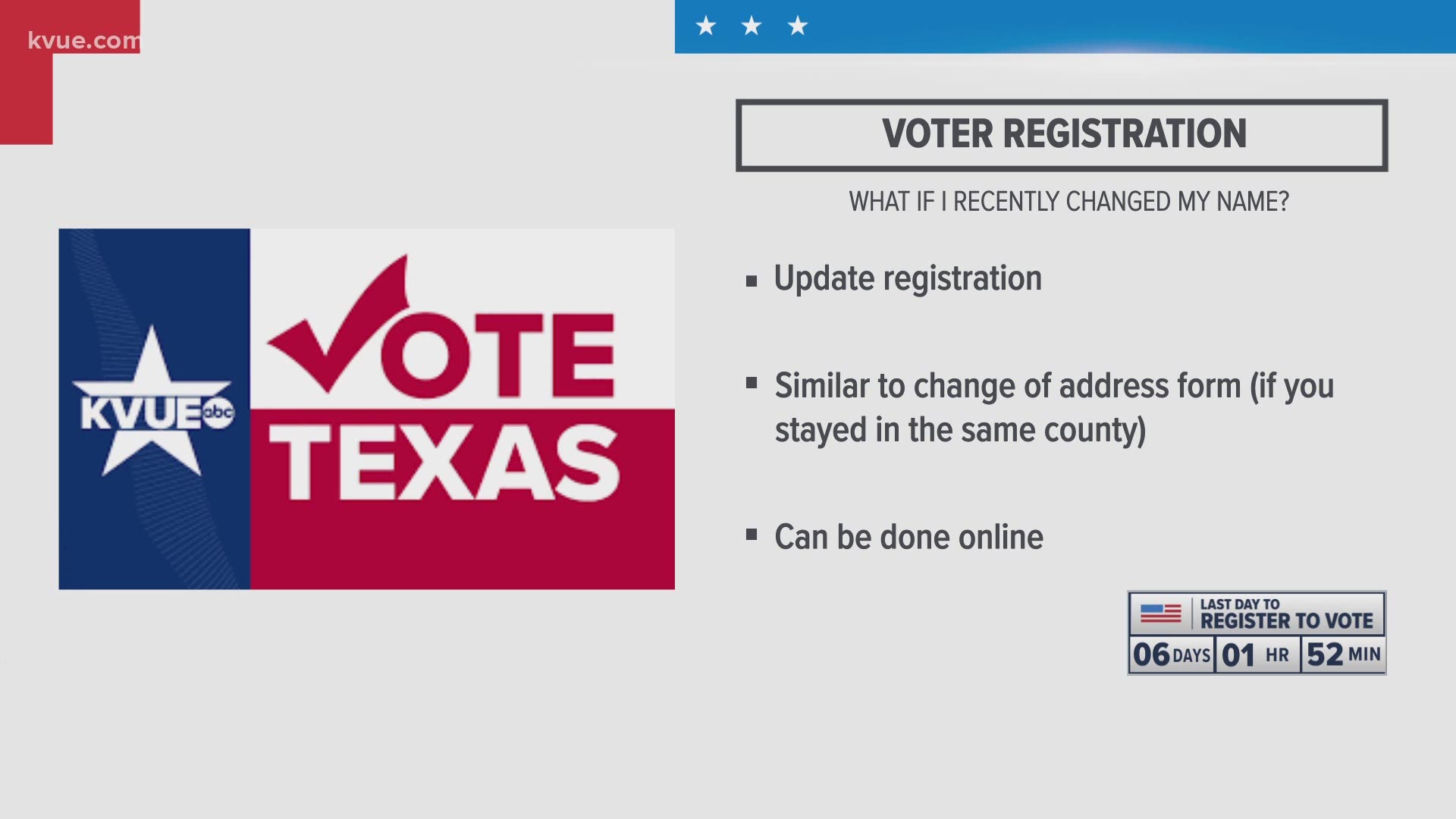
Similarly, if your name changes due to marriage or other legal reasons, you must update your voter registration. This can typically be done on the back of your Voter Registration Certificate or by submitting a new application. The Secretary of State of Texas and county election officials regularly conduct voter roll maintenance to ensure accuracy and remove duplicate or inactive registrations. While efforts are made to keep records current, it is ultimately the voter’s responsibility to verify their registration status, especially before an election. You can check your registration status online via the Secretary of State of Texas’s “Am I Registered?” tool, a convenient digital resource for busy individuals managing their lifestyle and civic duties. Staying on top of your registration ensures a seamless experience when you arrive at your polling place, allowing you to focus on the candidates and issues that matter most to you and your community.
Identification Requirements for Voting: Proving Your Identity
Once you’re registered, the next step in preparing to vote in Texas involves understanding the strict identification requirements at the polls. Texas law mandates that voters present an acceptable form of photo identification when casting a ballot in person. This requirement is a critical component of the state’s election security measures and is something every voter, whether a long-time resident or a newly arrived professional, must be aware of to ensure a smooth voting experience.
Acceptable Photo IDs: Navigating the Options
Texas provides a list of seven acceptable forms of photo identification that voters can use at the polls. It’s essential that these IDs are current or, if expired, have expired no more than four years before presentation, except for the U.S. Citizenship Certificate, which does not expire for voting purposes. The list of primary acceptable IDs includes:
- Texas Driver’s License issued by the Texas Department of Public Safety (DPS)). This is the most common form of ID and often serves as a primary identity document for residents navigating the state.
- Texas Personal Identification Card issued by the Texas Department of Public Safety (DPS)). For those who do not drive, this card serves the same purpose as a Driver’s License.
- Texas Election Identification Certificate (EIC)) issued by the Texas Department of Public Safety (DPS)). This is a free ID available to voters who do not have any other acceptable photo ID. It’s a testament to the state’s commitment to voter access, ensuring no eligible citizen is disenfranchised due to lack of a specific document.
- U.S. Passport book or card. An essential document for international travel, it also serves as a valid form of identification for voting.
- U.S. Military ID Card containing the person’s photograph. For service members and their families who form a significant part of Texas’ population, this provides a convenient option.
- U.S. Citizenship Certificate containing the person’s photograph. This document is particularly relevant for naturalized citizens who have chosen to make Texas their home.
- Concealed Handgun License (CHL) or License to Carry (LTC) issued by the Texas Department of Public Safety (DPS)).
It’s crucial for voters to ensure their ID matches the name on their voter registration certificate. Minor variations are generally accepted, but significant discrepancies might require additional verification. This is especially pertinent for individuals who have recently changed names. Preparing your ID in advance is a simple step that saves time and avoids potential issues at the polling place, making the voting experience as smooth as checking into a pre-booked hotel.
Provisional Voting and Reasonable Impediment Declaration
What if you arrive at the polling place without one of the acceptable photo IDs, or if your ID is expired beyond the four-year grace period? Texas law provides a mechanism to ensure your vote can still be counted through provisional voting and the Reasonable Impediment Declaration.
If you do not have an acceptable form of photo ID and cannot reasonably obtain one, you may still vote by signing a “Reasonable Impediment Declaration” and presenting one of the following supporting forms of identification:
- A copy or original of a government document that shows your name and an address, including your voter registration certificate.
- A copy or original of a current utility bill.
- A copy or original of a bank statement.
- A copy or original of a government check.
- A copy or original of a paycheck.
- A copy or original of (a) a certified domestic birth certificate or (b) a document confirming birth admissible in a court of law which establishes your identity (which may include a foreign birth document).
After signing the declaration and presenting one of these supporting documents, you will cast a provisional ballot. For your provisional ballot to be counted, you must visit the voter registrar’s office in your county within six calendar days of Election Day to present one of the acceptable forms of photo ID or submit a sworn statement attesting to a religious objection to being photographed or a natural disaster declaration. This provisional ballot system is a vital safeguard, acknowledging that circumstances can sometimes prevent voters from having the required ID. It ensures that civic participation remains accessible, even in unexpected situations, providing a pathway for every eligible citizen to exercise their right to vote and contribute to the vibrant lifestyle and future of Texas.
Navigating Polling Places and Voting Methods: Convenience and Accessibility
Once you’re registered and have your identification ready, the final step is to cast your ballot. Texas offers various methods and resources to make voting accessible, catering to the diverse lifestyles of its residents, from urban dwellers in Austin to those living in more rural areas. Understanding these options, from where to vote to how to vote early or by mail, streamlines the process and encourages greater civic engagement.
Finding Your Polling Place: Local Guides and Digital Tools
On Election Day, voters in Texas must cast their ballot in their assigned precinct, with the exception of counties that have adopted the Countywide Polling Place Program. Under this program, voters can cast their ballot at any polling location within their county of residence, a significant convenience for those who might be working or traveling across the county on Election Day. This flexibility is akin to the convenience offered by modern hotel booking platforms, allowing you to choose the most suitable location for your needs.
To find your specific polling place or to check if your county participates in the countywide program, several resources are available. Your Voter Registration Certificate will list your assigned precinct. Additionally, the Secretary of State of Texas website provides an online polling place lookup tool, where you can simply enter your address to find your nearest voting location. Many county election websites also offer interactive maps and detailed information. Local news outlets, community centers, and public libraries often publish lists of polling places ahead of elections. Planning your route to the polling place, much like planning your travel itinerary to a Texas destination, ensures a stress-free experience. Polling places are often located in familiar community buildings such as schools, churches, or municipal centers, making them easily identifiable landmarks within your local area.
Early Voting and Mail-in Ballots: Convenience for the Modern Citizen
Recognizing the demands of modern life, Texas offers options for early voting and voting by mail, providing flexibility that aligns with varied schedules, from business travelers staying in hotels to families balancing numerous commitments. Early voting allows registered voters to cast their ballot in person at designated early voting locations during a specified period before Election Day. This period typically lasts for about two weeks leading up to the election, including weekends. Early voting locations are usually centralized within each county and can be found on county election websites or through the Secretary of State of Texas’s resources. This convenience is particularly beneficial for those with unpredictable work schedules, travel plans, or those who simply prefer to avoid potential crowds on Election Day. It’s a proactive approach to civic duty, much like booking your accommodation well in advance of a popular event.
Voting by mail is another option, though eligibility is more restricted in Texas. You can only vote by mail if you meet one of the following criteria:
- Are 65 years of age or older.
- Are disabled.
- Are expected to give birth within three weeks before or after Election Day.
- Are out of the county during the early voting period and on Election Day.
- Are confined in jail, but otherwise eligible to vote.
To vote by mail, you must first apply for a ballot to be mailed to you. The application must be received by the early voting clerk (usually the County Clerk) no later than the 11th day before Election Day. This system accommodates individuals whose lifestyle or circumstances make in-person voting challenging, ensuring that essential civic rights are protected. For example, a student from Texas studying abroad, or a business executive on an international trip, could apply for a mail-in ballot, maintaining their connection to their home state’s democratic process regardless of their physical location. Both early voting and voting by mail are crucial mechanisms that uphold the principle of universal access, ensuring that the diverse voices of Texas’ citizens can be heard.
The Broader Impact: Texas Voting and Civic Lifestyle
Participating in the voting process in Texas extends far beyond merely casting a ballot; it’s a fundamental aspect of an engaged civic lifestyle that profoundly influences the state’s trajectory. For a state as economically and culturally significant as Texas, the collective choices made at the polls shape not only the immediate future of its residents but also its global appeal as a destination for tourism, business, and accommodation.
How Elections Shape Destinations and Tourism
The outcomes of elections in Texas directly impact the policies and funding decisions that influence the state’s various destinations and its thriving tourism industry. Consider the allocation of resources for public infrastructure: well-maintained roads, efficient public transportation, and modern airports are crucial for facilitating travel to and within Texas. Decisions by local Commissioners Court members or state legislators, influenced by voters, can lead to investments in these areas, enhancing accessibility for tourists and residents alike. Moreover, environmental policies, often determined by elected officials, protect natural landmarks like Big Bend National Park or the state’s extensive coastline, preserving their beauty and allure for future generations of visitors.
Funding for cultural institutions, historical sites, and recreational parks is also a direct result of election outcomes. Votes for bond measures or specific candidates can ensure the continued vibrancy of arts districts in Dallas, the preservation of the Alamo in San Antonio, or the development of new attractions in Houston. These investments not only enrich the local lifestyle but also draw in visitors, bolstering the economy through hotel bookings, restaurant patronage, and local purchases. Even regulations related to hospitality, such as zoning for new hotels or short-term accommodation, are decided by elected officials, demonstrating the tangible link between civic participation and the health of the travel and tourism sectors.
Engaging with the Political Landscape of the Lone Star State
Engaging with the political landscape of Texas is a hallmark of a truly integrated lifestyle in the state. Beyond just voting, this engagement can manifest in various ways: staying informed about local issues through reliable news sources, attending public meetings, or even volunteering for campaigns. For many, understanding the nuances of Texas politics, from the state legislature to local city councils, is as fascinating as exploring its diverse culinary scene or its unique blend of Southern and Western cultures.
The diverse demographics of Texas mean that local elections can be particularly impactful, often directly determining the quality of life in specific neighborhoods and cities. From school board races that influence educational standards to mayoral contests that shape urban development, these choices have direct implications for families, businesses, and indeed, the entire fabric of a community. By understanding what is needed to vote in Texas and actively participating, citizens embrace a lifestyle of responsibility and influence. They become co-creators of the destinations they inhabit, shaping the policies that define everything from local landmarks and public spaces to the economic opportunities that attract new residents and sustain its thriving tourism. In essence, voting in Texas is not merely a right; it is a powerful tool for self-determination, community building, and contributing to the enduring legacy of the Lone Star State.
LifeOutOfTheBox is a participant in the Amazon Services LLC Associates Program, an affiliate advertising program designed to provide a means for sites to earn advertising fees by advertising and linking to Amazon.com. Amazon, the Amazon logo, AmazonSupply, and the AmazonSupply logo are trademarks of Amazon.com, Inc. or its affiliates. As an Amazon Associate we earn affiliate commissions from qualifying purchases.