
Understanding the annual wildfire season in California is crucial for any traveler planning a trip to the Golden State. While specific acreage figures fluctuate dramatically year-to-year and even day-to-day during peak season, the broader implications for travel remain consistent. Instead of focusing on a fleeting statistic, this guide delves into how these natural events impact destinations, travel safety, and the overall visitor experience across California, offering insights for responsible and informed exploration.
Navigating Wildfire Season: An Overview for Travelers
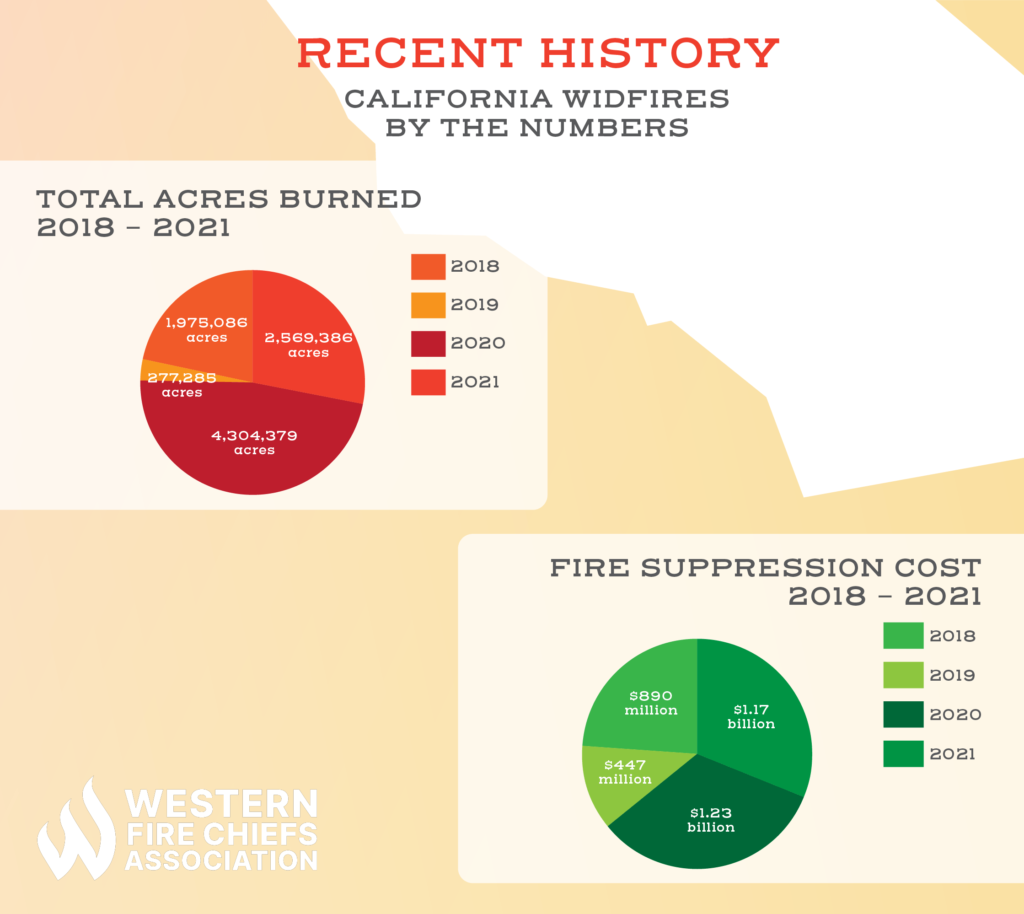
California, known for its diverse landscapes ranging from arid deserts to lush forests, faces a recurring wildfire challenge, particularly from late spring through late fall. The acreage burned varies wildly, influenced by factors such as drought conditions, wind patterns, and the frequency of ignitions. A single season can see hundreds of thousands, or even millions, of acres impacted, often localized to specific regions while the vast majority of the state remains unaffected and open for tourism.

For travelers, the key is to understand that a wildfire in one part of California does not necessarily mean the entire state is inaccessible or unsafe. The sheer size of California (the third-largest state by area in the United States) means that even during significant fire events, countless destinations remain vibrant and welcoming. However, it necessitates a heightened awareness and proactive approach to travel planning. This involves monitoring official fire information sources, understanding potential impacts on air quality, and recognizing which specific areas might be under direct threat or experiencing closures. Popular travel corridors and renowned natural attractions, such as sections of the Pacific Coast Highway or certain national parks, can occasionally be affected, requiring travelers to be flexible and prepared for alternative routes or plans.
Understanding the Geographic Scope
Wildfires in California are not uniformly distributed. They often occur in wildland-urban interface areas, particularly in mountainous and forested regions. While images of smoke plumes might be widespread, the actual fire footprint is typically concentrated. For instance, a fire in the Sierra Nevada mountains might impact access to Yosemite National Park or Sequoia National Park, but have no direct bearing on coastal cities like San Francisco or San Diego, or desert destinations like Palm Springs. Similarly, fires in Southern California can affect areas near Los Angeles or Malibu, yet leave the wine regions of Napa Valley or the rugged beauty of Big Sur entirely untouched. It’s essential for travelers to pinpoint the specific locations of their intended destinations relative to any active fire zones.
Planning Your California Journey Safely
Responsible travel during wildfire season begins with meticulous planning and staying informed. It’s not about canceling trips outright, but rather about making informed decisions that prioritize safety and minimize inconvenience.
Essential Pre-Trip Research
Before embarking on a California adventure, particularly during the drier months, several key resources should be consulted:
- Official Fire Incident Websites: Agencies like CAL FIRE and the National Interagency Fire Center provide real-time updates on active fires, containment levels, and evacuation orders. These are the most accurate sources for current fire locations.
- Air Quality Indexes (AQI): Websites such as AirNow.gov offer localized air quality data. Smoke from distant fires can degrade air quality, impacting outdoor activities even if the destination isn’t directly threatened. Travelers with respiratory sensitivities should pay close attention to AQI forecasts.
- Road Condition Reports: The California Department of Transportation (Caltrans) provides updates on road closures and detours. Forest service roads and scenic routes are often the first to be affected.
- National and State Park Websites: If your itinerary includes destinations like Yosemite National Park, Big Sur, or Lake Tahoe, check their official websites for alerts, closures, and specific guidance.

Adapting Your Itinerary
Flexibility is a traveler’s best friend during wildfire season. Having alternative plans or being prepared to adjust routes can save a trip.
- Coastal vs. Inland: Coastal areas typically experience fewer direct wildfire impacts compared to inland forested or mountainous regions. Consider coastal road trips along the Pacific Coast Highway or city breaks in San Francisco or San Diego if inland conditions are concerning.
- Urban Explorations: California’s major metropolitan areas like Los Angeles, San Francisco, and Sacramento often serve as excellent bases for exploration, and their immediate environs are typically less susceptible to widespread fire impact, although smoke can be a factor.
- Booking Policies: When booking accommodations or tours, inquire about cancellation or rebooking policies, especially regarding natural disaster clauses. Travel insurance that covers wildfire-related disruptions can also provide peace of mind.
Supporting Affected Communities Through Responsible Tourism
While wildfires present challenges, they also highlight the resilience of California’s communities. Travelers can play a positive role by supporting areas that have recovered or remain unaffected.
Ethical Engagement
- Visit Safely, Spend Locally: Once an area is declared safe and open, visiting can significantly aid recovery. Spending money at local businesses—restaurants, shops, hotels, and tour operators—helps stimulate the economy. Ensure you respect local guidance and heed any warnings.
- Voluntourism Opportunities: For those looking to contribute more directly, some organizations facilitate voluntourism initiatives focused on post-fire recovery and ecological restoration. Research reputable organizations before committing.
- Respectful Exploration: When visiting areas that have experienced fires, be respectful of the natural environment and local residents. Stick to marked trails, follow all fire prevention guidelines (such as respecting campfire bans), and understand that recovery can be a long process. Avoid areas that are clearly still recovering or restricted.
Fire Prevention and Awareness
Every visitor to California has a role in fire prevention. A significant number of wildfires are human-caused.
- Campfire Safety: Always check local fire restrictions before lighting a campfire. Use designated fire rings and ensure fires are completely out before leaving.
- Vehicle Safety: Hot catalytic converters can ignite dry grass. Park vehicles only in designated areas, not over dry vegetation. Ensure trailer chains are not dragging, which can create sparks.
- Equipment Use: Be cautious with any equipment that produces sparks or heat, especially during dry periods.
- Report Suspicious Activity: If you see anything that could lead to a fire or an unattended fire, report it immediately to local authorities.
The Future of Travel in a Changing Landscape
California’s majestic landscapes are part of what makes it a world-class travel destination. As wildfire seasons potentially intensify due to climate change, the state and its tourism industry are continually adapting. Investments in fire prevention, early detection systems, and resilient infrastructure are ongoing.
For travelers, this means that while vigilance is key, the spirit of exploration in California endures. The state’s vastness and diversity ensure that there is always an incredible experience awaiting, whether it’s exploring the cultural richness of San Francisco, hiking the majestic trails of Redwood National Park, savoring the wines of Sonoma County, or surfing the waves along the Southern California coast. By staying informed, planning thoughtfully, and traveling responsibly, visitors can continue to enjoy the unparalleled beauty and experiences that California offers, even during challenging seasons. The story of “how many acres are burning” evolves daily, but the commitment to safe, engaging, and sustainable travel in California remains steadfast.
LifeOutOfTheBox is a participant in the Amazon Services LLC Associates Program, an affiliate advertising program designed to provide a means for sites to earn advertising fees by advertising and linking to Amazon.com. Amazon, the Amazon logo, AmazonSupply, and the AmazonSupply logo are trademarks of Amazon.com, Inc. or its affiliates. As an Amazon Associate we earn affiliate commissions from qualifying purchases.