
To ask “How many acres are in Alaska?” is to inquire about the very definition of vastness. Alaska, the largest state in the United States, is a land of unparalleled scale, where distances are measured in days and landscapes stretch beyond the horizon. For any traveler contemplating a journey to the Last Frontier, understanding its sheer geographic magnitude is not merely an interesting fact but a fundamental prerequisite for planning an immersive and realistic experience. This immense footprint dictates everything from the diversity of its ecosystems to the logistical challenges and the profound sense of wilderness that defines an Alaskan adventure.
The Sheer Scale: Understanding Alaska’s Immense Footprint
Alaska’s size is often conceptualized through metaphors because raw numbers alone struggle to convey its true scale. It is a state that defies easy categorization, a place where the human perception of distance and time is thoroughly recalibrated.
Defining Alaska’s Acreage
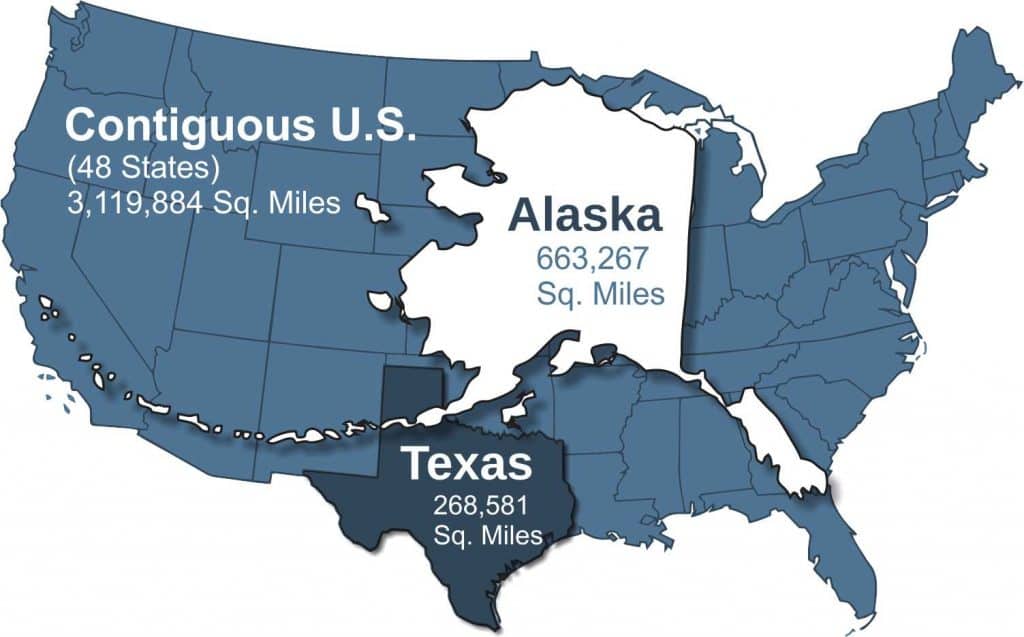
At its core, Alaska spans an astounding 365,000,000 acres. To put that into perspective, this translates to approximately 665,384 square miles. This makes it more than twice the size of Texas, the second-largest state, and larger than the next three largest states—Texas, California, and Montana—combined. Indeed, if Alaska were a country, it would rank as the 17th largest in the world, positioned between Iran and Mongolia. This colossal landmass represents nearly one-fifth of the total land area of the entire United States and is roughly half the size of the contiguous 48 states. This breathtaking scale is the canvas upon which all Alaskan travel experiences are painted, influencing everything from the climate zones to the distribution of wildlife and the density of human settlement.
Geographical Divisions and Regions
Despite its singular identity, Alaska is far from monolithic. Its vast acreage is naturally divided into distinct geographical regions, each offering unique travel experiences and characteristics shaped by terrain, climate, and accessibility:
- Inside Passage and Southeast Alaska: This panhandle region is a labyrinth of islands, fjords, and temperate rainforests. Its deep, protected waters are ideal for cruising, offering views of tidewater glaciers and abundant marine wildlife.
- Southcentral Alaska: Home to Anchorage, the state’s largest city, this region is a hub for tourism, offering access to mountains, glaciers, and coastal communities. The Kenai Peninsula is a prime example of its varied terrain.
- Southwest Alaska: Characterized by rugged coastlines, active volcanoes, and the Aleutian Islands, this area is renowned for its fishing, bear viewing (particularly at Katmai National Park), and remote wilderness.
- Interior Alaska: Dominated by the vast expanse of boreal forest and tundra, this region is home to Fairbanks and hosts Denali, North America’s highest peak. Extreme temperature variations define its seasons.
- Far North/Arctic Alaska: A land of endless tundra, permafrost, and the Brooks Range, this remote region offers insights into indigenous cultures and the Arctic ecosystem, including phenomena like the midnight sun and the aurora borealis.
Each of these regions contributes significantly to Alaska’s overall acreage and provides distinct adventures, from coastal cruises to Arctic expeditions, underscoring that a single trip can only ever scratch the surface of what the state has to offer.
A Tapestry of Landscapes: What Alaska’s Acres Encompass
The staggering acreage of Alaska is not empty space; it is filled with an astonishing diversity of natural wonders, making it a dream destination for nature enthusiasts and adventure seekers. From towering peaks to sprawling tundras, every acre contributes to a rich ecological mosaic.
Majestic Mountain Ranges and Glaciers
At the heart of Alaska’s landscape are its formidable mountain ranges. The Alaska Range, home to Denali (20,310 feet), carves a dramatic arc across the south-central part of the state. Further north, the Brooks Range spans the Arctic, a testament to the raw, untamed wilderness. These mountains are not just geological features; they are immense ecosystems supporting a range of wildlife and feeding countless rivers and glaciers. Alaska is home to an estimated 100,000 glaciers, covering roughly 29,000 square miles (over 18.5 million acres). Iconic ice formations like the Malaspina Glacier, one of the largest piedmont glaciers in North America, and the calving face of the Hubbard Glacier are major draws, offering spectacular visual experiences from cruise ships or intrepid expeditions.
Vast Forests, Tundra, and Wetlands
Beyond the jagged peaks, Alaska’s acreage encompasses an incredible array of biomes. The Southeast Panhandle is characterized by dense temperate rainforests of Sitka spruce and western hemlock, part of the immense Tongass National Forest, the largest national forest in the United States. Moving inland, the Interior and Southcentral regions are dominated by the boreal forest, or taiga, an extensive zone of spruce, birch, and aspen that supports a rich biodiversity. To the north, above the tree line, lies the Arctic tundra – a vast, treeless plain underlain by permafrost, blooming with wildflowers in summer and hosting migratory caribou and muskox. Interspersed throughout these landscapes are countless wetlands, lakes, and marshes, crucial habitats for migratory birds and other wildlife, forming a complex and interdependent ecological network across millions of acres.
Intricate Coastlines and Waterways
Given its immense size, it’s no surprise that Alaska boasts an extraordinary coastline. Its shoreline, including islands, measures over 33,904 miles, longer than all other U.S. states combined. This intricate edge is sculpted by dramatic fjords, thousands of islands (like the volcanic Aleutian Islands stretching into the Pacific), and countless bays and inlets. These coastal waters are teeming with marine life, from whales and seals to salmon and halibut, making them prime destinations for wildlife viewing and fishing charters. Inland, major rivers like the Yukon River, one of North America’s longest, snake through the Interior, serving as vital arteries for ecosystems and historical routes for exploration and trade. These waterways are integral to the state’s identity and offer unique perspectives for travelers venturing deep into its interior.
Navigating the Immensity: Travel Considerations in Alaska
The sheer number of acres in Alaska fundamentally shapes the travel experience. Unlike most destinations where points of interest are relatively close, Alaska demands a different approach to planning and execution, emphasizing the journey as much as the destination.
Planning for Distances and Time
Travelers to Alaska must recalibrate their perception of distance. What might appear as a short hop on a map can easily translate into an entire day’s journey by road, rail, or sea. For instance, the drive from Anchorage to Fairbanks on the Parks Highway is roughly 360 miles, taking 5-7 hours without stops, while reaching remote national parks often requires multiple legs of travel, including small aircraft. Therefore, a comprehensive Alaskan itinerary necessitates allowing ample time for transitions between locations and accepting that seeing a vast amount of the state in a single, short trip is unrealistic. Multi-day excursions, often with overnight stays in different towns or lodges, are the norm for exploring specific regions in depth. Realistic planning, focusing on one or two distinct regions, is key to avoiding travel fatigue and truly appreciating the grandeur.
Modes of Transportation
Given the expansive, often roadless terrain, traditional modes of transportation are supplemented, and sometimes replaced, by unique Alaskan options:
- Air Travel: For reaching many remote areas and communities, particularly in the Far North, Southwest, or areas inaccessible by road, small bush planes and regional airlines are indispensable. Flights offer spectacular aerial views but are subject to weather conditions.
- Rail Travel: The historic Alaska Railroad offers incredibly scenic journeys between major cities like Seward, Anchorage, Talkeetna, and Fairbanks, passing through pristine wilderness that is otherwise inaccessible.
- Marine Travel: The Alaska Marine Highway System (ferries) provides vital transportation and a unique way to explore the coastal communities of the Inside Passage and other coastal regions, offering an intimate perspective of the maritime landscape.
- Road Network: While extensive in key areas, Alaska’s road network is limited compared to other states. Major routes like the Seward Highway, Sterling Highway, and Parks Highway offer access to many popular destinations, making car rentals viable for self-guided exploration within these corridors.
Diverse Travel Experiences Across the Landscape
Alaska’s immense acreage means that it can accommodate an incredible diversity of travel interests. From world-class fishing in the Kenai River to challenging mountaineering on Denali, and from serene wildlife photography to vibrant cultural festivals in Anchorage or Fairbanks, there’s an experience for every type of traveler. Wilderness adventures are paramount, with opportunities for hiking, kayaking, dog mushing, and wildlife viewing in national parks like Denali National Park and Preserve and Katmai National Park. Cruising the Inside Passage or a bear-viewing tour in Katmai offers glimpses of untouched nature that are simply unavailable elsewhere, all thanks to the sheer, unspoiled acreage of the state.
Preserving the Wild: National Parks and Protected Lands
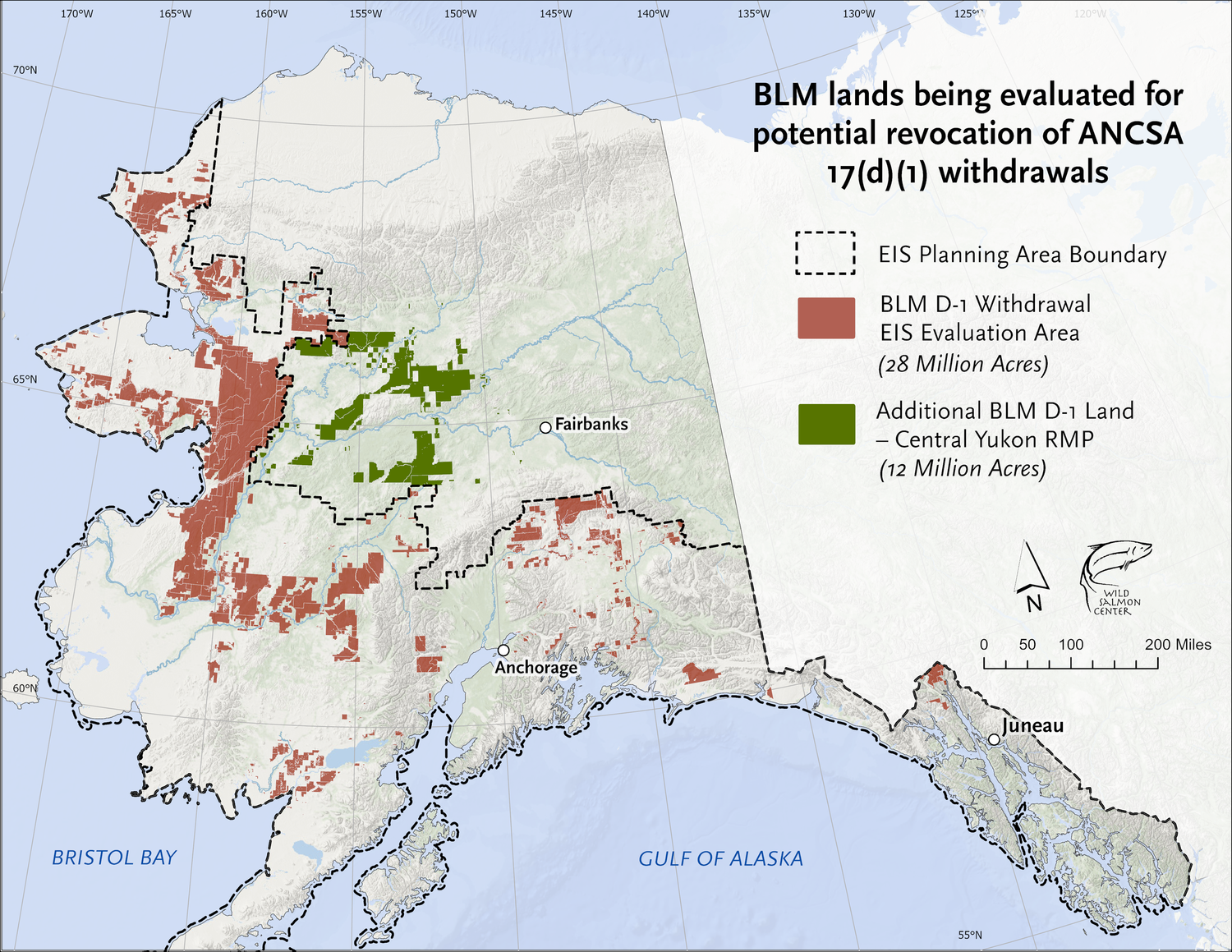
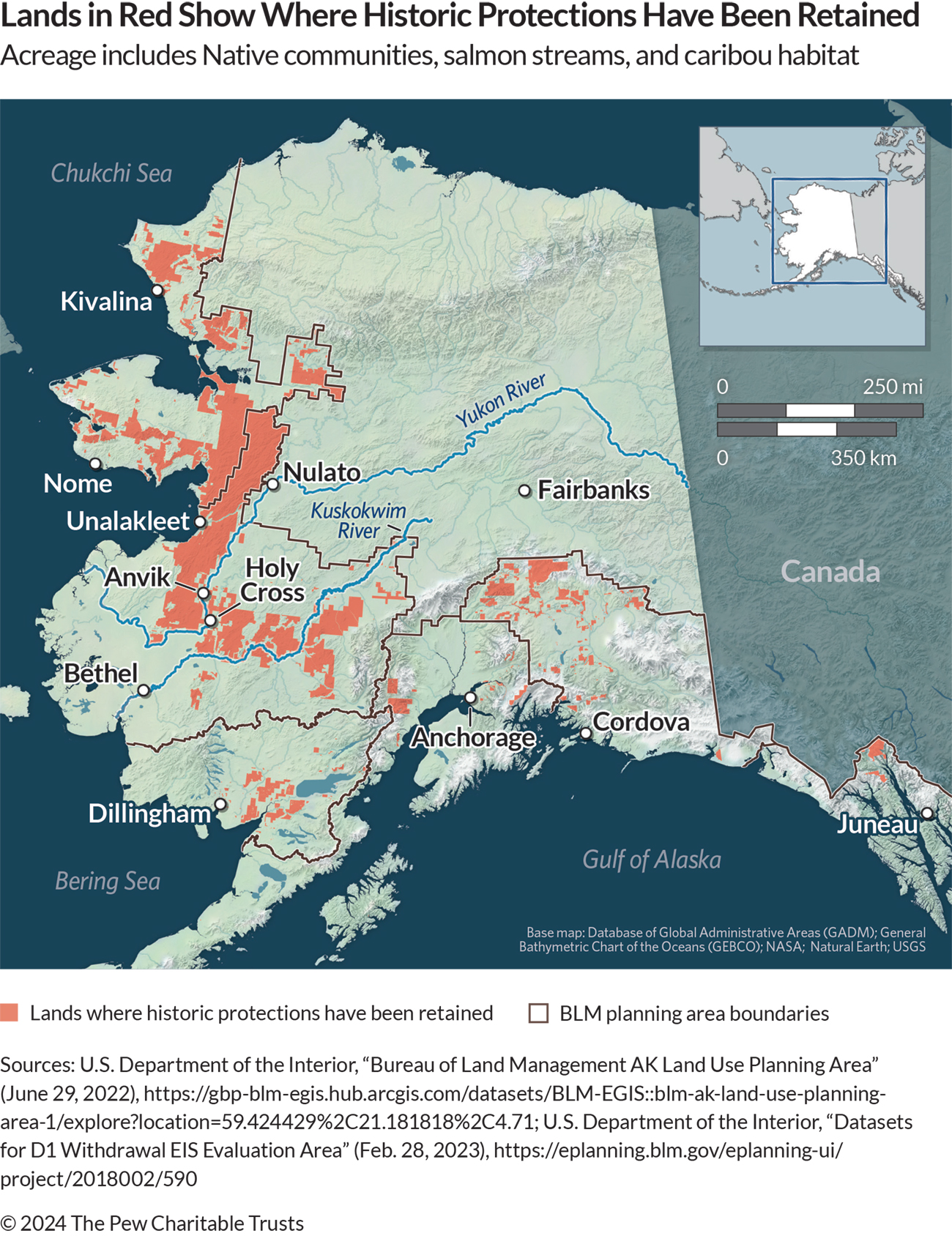
A significant portion of Alaska’s vast acreage is intentionally preserved, safeguarded as national parks, preserves, refuges, and state lands. This dedication to conservation is what allows the state to retain its wild character and offers unparalleled wilderness travel experiences.
National Parks, Preserves, and Refuges
Alaska is home to eight national parks, sixteen national wildlife refuges, and numerous national forests and wilderness areas, collectively protecting over 150 million acres. This makes it a titan of conservation. Iconic examples include:
- Denali National Park and Preserve: Covering 6 million acres, this park is larger than the state of Massachusetts and offers unparalleled opportunities to see grizzly bears, caribou, moose, and wolves in their natural habitat, alongside the majestic Denali.
- Wrangell-St. Elias National Park and Preserve: At 13.2 million acres, it’s the largest national park in the United States and encompasses four major mountain ranges, glaciers, and a remarkable diversity of ecosystems.
- Gates of the Arctic National Park: Spanning 8.4 million acres entirely north of the Arctic Circle, this is the least visited national park, offering a true wilderness experience for intrepid adventurers.
- Katmai National Park and Preserve: Known worldwide for its abundant brown bear population and the Valley of Ten Thousand Smokes, Katmai protects over 4 million acres.
These protected lands are often characterized by limited access, minimal infrastructure, and a focus on maintaining pristine ecosystems, ensuring that their vast acreage remains largely untouched by human development. This commitment to preservation is a cornerstone of Alaska’s appeal as a premier wilderness destination.
State Parks and Forests
Complementing the federal protections, Alaska also manages a substantial network of state parks and forests, offering accessible recreation opportunities closer to populated areas. From day-use parks with hiking trails and campgrounds to large state forest systems, these areas provide additional avenues for experiencing Alaskan nature. They serve as important gateways, allowing both residents and travelers to enjoy the outdoors, often with more developed amenities than the more remote federal lands.
The Importance of Conservation for Future Travel
The preservation of Alaska’s vast acreage is critical not just for ecological balance but also for the future of travel to the state. These protected lands ensure that the unique ecosystems, iconic wildlife, and breathtaking landscapes that draw millions of visitors each year will endure for generations to come. Sustainable travel practices, respecting the pristine nature of these areas, are paramount. Understanding that Alaska’s monumental acreage is actively conserved fosters an appreciation for its wild heart, ensuring that the dream of experiencing true wilderness remains a vibrant reality for all who venture to this extraordinary state.
In conclusion, Alaska’s 365 million acres are more than just a statistic; they are the very essence of its identity as a travel destination. This immense scale shapes its diverse landscapes, dictates the rhythm and modes of travel, and underscores the profound commitment to preserving its unparalleled wilderness. For those planning a trip, grasping the magnitude of Alaska is the first step toward embarking on an unforgettable journey into a land where nature still reigns supreme.
LifeOutOfTheBox is a participant in the Amazon Services LLC Associates Program, an affiliate advertising program designed to provide a means for sites to earn advertising fees by advertising and linking to Amazon.com. Amazon, the Amazon logo, AmazonSupply, and the AmazonSupply logo are trademarks of Amazon.com, Inc. or its affiliates. As an Amazon Associate we earn affiliate commissions from qualifying purchases.