
The question of how many acres have burned in California is a critical one, resonating far beyond the immediate impact of smoke and ash. Wildfires in the Golden State are not just environmental events; they are significant occurrences that shape travel plans, influence accommodation choices, and can even affect the accessibility of beloved landmarks and tourism destinations. Understanding the scale of these fires is crucial for anyone planning a trip, considering a stay in a resort, or simply interested in the dynamic landscape of this expansive state.
The acreage burned is a key metric, serving as a stark indicator of the severity and reach of wildfire season. It dictates emergency response, informs land management strategies, and can significantly alter the visual and environmental character of affected regions. For travelers, this data can mean the difference between a dream vacation and a challenging experience, impacting everything from air quality and safety to the availability of services and the preservation of natural beauty.

The Ever-Present Threat: Understanding California’s Wildfire Landscape
California has long been a state defined by its dramatic natural beauty, from the towering redwoods of the north to the sun-drenched beaches of its coast and the rugged peaks of its mountain ranges. This very beauty, however, is intertwined with an arid climate and a landscape prone to ignition, especially during its dry seasons. The specter of wildfires has become an almost annual concern, a persistent reminder of nature’s power and the delicate balance it strikes with human habitation.
The factors contributing to the frequency and intensity of these fires are complex and multifaceted. Years of drought, exacerbated by climate change, create vast expanses of dry vegetation – the perfect tinder for flames. Human activity, whether accidental (campfires, downed power lines) or intentional, often serves as the spark. Furthermore, decades of fire suppression policies, while intended to protect lives and property, have led to a buildup of dense undergrowth, creating fuel loads that can lead to larger, more catastrophic fires when ignition does occur.
Quantifying the Damage: Statistics and Trends
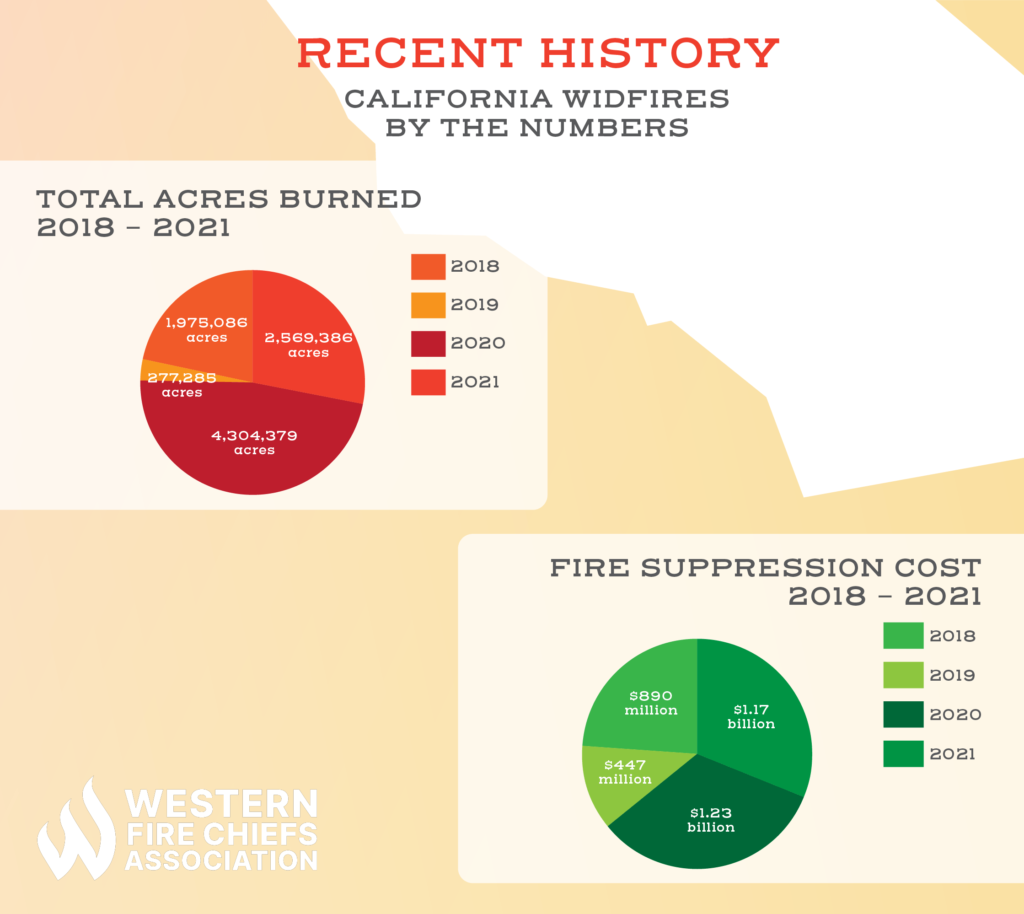
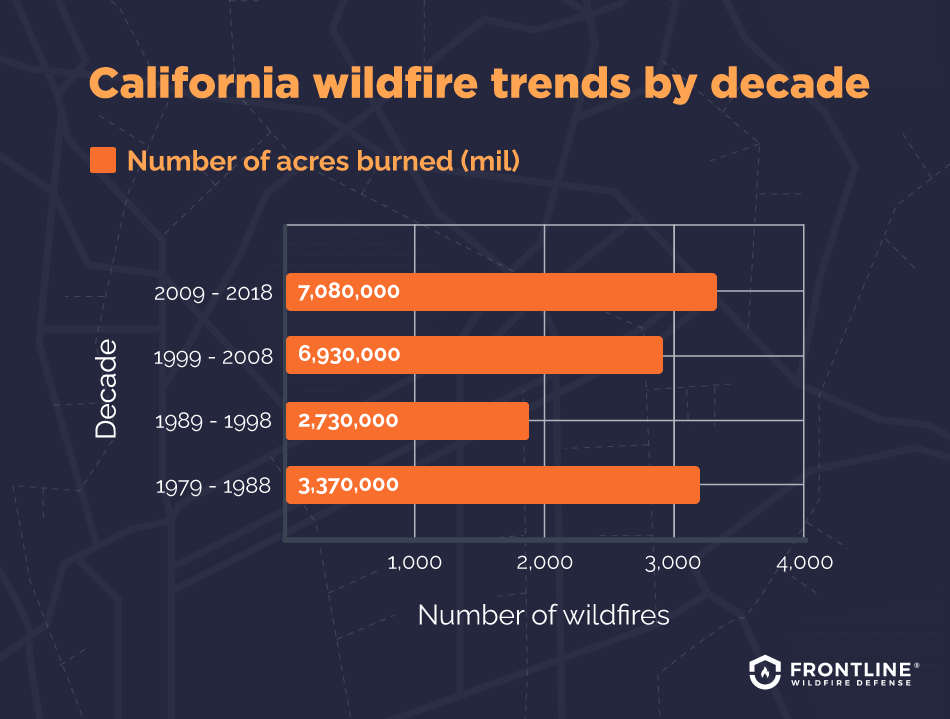
When we ask “How many acres burned in California?”, we are seeking concrete data that illustrates the scale of the devastation. The numbers vary dramatically from year to year, influenced by weather patterns, wind events, and the effectiveness of containment efforts. However, a clear trend has emerged over the past few decades: wildfires are becoming larger and more destructive.
Historically, fire was a natural part of many Californian ecosystems. However, the fires we are witnessing today are often of a different character. They burn hotter, spread faster, and consume vastly larger swaths of land. This increase in acreage burned has profound implications for wildlife, ecosystems, air quality, and the state’s infrastructure.
To provide context, consider some historical averages and more recent, alarming figures. In earlier decades, an average year might see hundreds of thousands of acres consumed. However, in recent years, it has not been uncommon for wildfires to burn over a million acres, and in some exceptional years, even several million acres. These figures represent not just undeveloped wilderness, but also significant portions of forests, grasslands, and even areas adjacent to communities and resorts.
The August Complex fire, for example, which ignited in 2020, became the largest wildfire complex in California history, burning over 1 million acres. This single event underscores the unprecedented scale that these fires can reach. Such massive fires can take months to fully contain and leave behind landscapes scarred for years, impacting future tourism opportunities and the lifestyle of affected communities.
The Ripple Effect on Travel and Tourism
The impact of widespread wildfires on travel and tourism in California is undeniable and far-reaching. When vast tracts of land are consumed by flames, the immediate consequences for visitors can be significant. Air quality deteriorates rapidly, often to hazardous levels, leading to cancellations of flights and outdoor activities. Road closures are common, disrupting travel routes and making access to popular destinations impossible.
Navigating Disruption: Planning Your Trip Amidst Fire Season
For travelers, understanding the wildfire situation is no longer an optional consideration; it’s a crucial part of planning any trip to California, especially during the typical fire season, which can extend from late spring through fall. Websites of the California Department of Forestry and Fire Protection (Cal Fire), the US Forest Service, and local emergency services become invaluable resources. These platforms provide real-time updates on fire activity, evacuation orders, and road closures.
When planning a trip, flexibility is key. If your intended destination is under threat or experiencing severe smoke impacts, having alternative plans or destinations can save your vacation. For instance, if coastal areas are affected by smoke from inland fires, an itinerary focused on beach towns like those in Southern California might still be viable, provided the immediate coastal air quality is safe. Conversely, if the coast itself is experiencing a fire, inland mountain destinations might become inaccessible or unsafe.
The type of accommodation can also play a role. While a luxury resort might offer more amenities to weather a period of poor air quality indoors, a remote cabin or vacation rental might become inaccessible due to road closures. Travelers should always check the status of their booked accommodation and its surrounding areas. Many hotels and resorts in affected areas may offer flexible cancellation policies during active wildfire events.
Impact on Iconic Destinations and Natural Attractions
California’s landmarks and natural attractions are often the primary draw for tourists. Wildfires can directly threaten these iconic places. National Parks, such as Yosemite or Sequoia and Kings Canyon, which are home to ancient giant sequoias and breathtaking granite cliffs, have frequently been impacted by fires. Even if the direct fire path doesn’t reach a specific iconic spot, smoke can obscure views, close trails, and lead to park closures, significantly altering the visitor experience.
The renowned Pacific Coast Highway, a legendary scenic drive, can be interrupted by fires and the resulting road closures. Coastal towns that rely heavily on tourism can experience significant economic downturns when visitors are deterred by fire risk or actual incidents. Similarly, wine regions like those in the Napa Valley or Sonoma County, famous for their vineyards and picturesque landscapes, can suffer from smoke taint affecting wine production and damage to their bucolic scenery.
The ability to experience the natural wonders of California, whether it’s hiking in the Sierra Nevada mountains, exploring the deserts of Joshua Tree National Park, or witnessing the grandeur of the Redwood National and State Parks, is directly contingent on the health and safety of these landscapes. When acres burn, these experiences are diminished, delayed, or, in the worst cases, lost for seasons to come. This underscores the need for ongoing vigilance, responsible land management, and public awareness regarding wildfire prevention.
The Long-Term Implications for Land and Lifestyle
Beyond the immediate disruption to travel and tourism, the recurring and expanding acreage of wildfires in California carry profound long-term implications for the state’s land, its ecosystems, and the very lifestyle of its residents and visitors. The environmental consequences are vast, affecting everything from biodiversity to water quality.
Ecological Recovery and Reforestation Efforts
The recovery of ecosystems after a severe wildfire can take decades, even centuries. When millions of acres burn, the impact on wildlife is devastating. Habitats are destroyed, leading to displacement, starvation, and death for countless animals. Native plant species can be eradicated, making way for invasive species that can further alter the ecosystem’s composition.
The process of reforestation and ecological restoration is a monumental undertaking. Government agencies, conservation groups, and local communities work collaboratively on projects to replant native trees, manage soil erosion, and monitor the return of wildlife. However, the scale of destruction from increasingly large fires often outpaces restoration capabilities. Furthermore, the changing climate means that the conditions that led to the fires may persist, making it more challenging for newly planted vegetation to thrive.
For those who enjoy outdoor activities like hiking, camping, or simply appreciating the natural scenery of California, the loss of these wild spaces is deeply felt. The familiar trails, the serene forests, and the vibrant meadows may be gone, replaced by stark landscapes of ash and scorched earth. The recovery of these areas directly influences the types of outdoor experiences that can be offered and enjoyed.
Adapting to a Fire-Prone Future
The reality of a changing climate and persistent drought means that California is likely to face significant wildfire threats for the foreseeable future. This necessitates a shift in how communities, businesses, and individuals approach life in this beautiful but fire-prone state. This adaptation impacts every aspect, from urban planning and building codes in fire-prone areas to the fundamental understanding of how we interact with the natural environment.
For the tourism sector, this means a greater emphasis on resilience and preparedness. Hotels and resorts in vulnerable regions are increasingly investing in defensible spaces, fire-resistant building materials, and robust emergency evacuation plans. Tour operators may need to diversify their offerings, focusing on experiences less susceptible to fire impacts or developing contingency plans for when popular outdoor destinations are closed.
The question of “How many acres burned in California?” is more than just a statistic. It’s a call to action, a reminder of the powerful forces at play in this state, and a crucial piece of information for anyone who seeks to explore, relax, or reside within its borders. Understanding the scale of these fires is the first step towards appreciating the challenges and making informed decisions about experiencing the unique lifestyle and unparalleled beauty that California has to offer.
LifeOutOfTheBox is a participant in the Amazon Services LLC Associates Program, an affiliate advertising program designed to provide a means for sites to earn advertising fees by advertising and linking to Amazon.com. Amazon, the Amazon logo, AmazonSupply, and the AmazonSupply logo are trademarks of Amazon.com, Inc. or its affiliates. As an Amazon Associate we earn affiliate commissions from qualifying purchases.