
Central Park is undeniably one of the most iconic urban green spaces globally, a verdant lung in the heart of Manhattan that attracts millions of visitors annually. Often depicted in films, television shows, and postcards, its sprawling landscapes and diverse attractions are synonymous with New York City itself. For many first-time visitors and seasoned travelers alike, the sheer scale of the park is astounding, leading to the common question: exactly how many acres is Central Park?
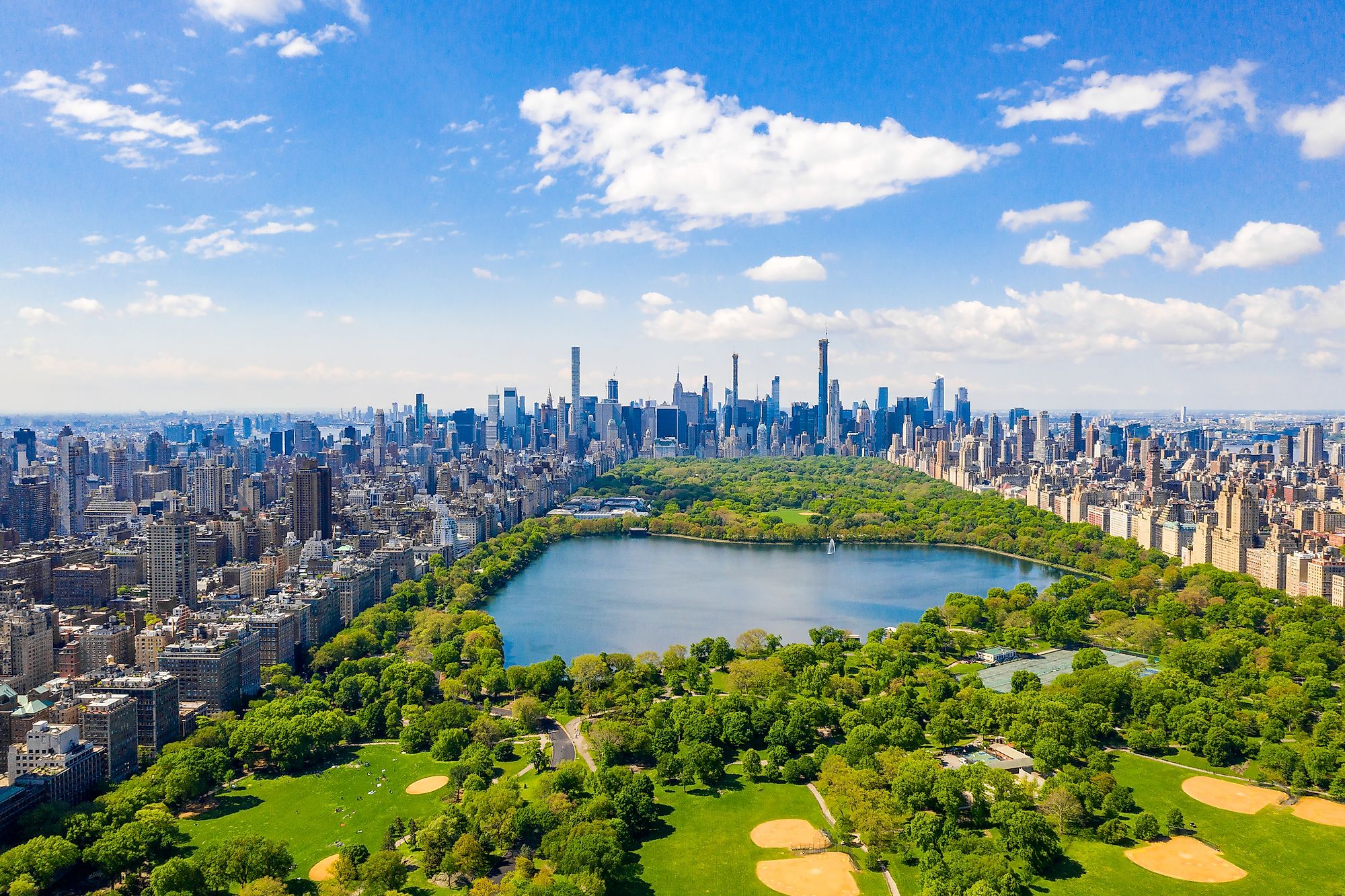
The answer is 843 acres. To put that into perspective, this monumental park is about 2.5 miles (4 kilometers) long from 59th Street to 110th Street, and approximately 0.5 miles (0.8 kilometers) wide from Fifth Avenue to Central Park West (or Eighth Avenue). This immense expanse of meticulously designed parkland serves as a vital recreational and cultural hub, a testament to visionary urban planning, and an indispensable landmark that shapes the lifestyle of countless New Yorkers and enriches the experiences of tourists from around the world. Understanding its dimensions is merely the first step in appreciating the multifaceted wonder that is Central Park.

The Grand Scale of an Urban Oasis
The decision to allocate such a substantial amount of land in what was destined to become one of the world’s most densely populated urban centers was revolutionary for its time. In the mid-19th century, New York City was rapidly expanding, and its citizens recognized the pressing need for a large public park to provide respite from the bustling city streets, promote public health, and offer a space for leisure and social interaction. This foresight led to the creation of Central Park, a project of unprecedented scale and ambition that continues to define the city’s character.
Unpacking the Dimensions: Acres, Miles, and Beyond
The 843 acres of Central Park are not just a simple measure of land; they represent a complex tapestry of diverse landscapes, from rolling meadows and dense woodlands to serene lakes and formal gardens. When considering its length and width, the park truly dwarfs many other famous urban green spaces globally. To visualize its size, consider that it is larger than the entire country of Monaco and nearly six times the size of the Vatican City. This colossal footprint allows for a staggering variety of environments and activities, ensuring that every visit can offer a new discovery. The perimeter alone is a popular route for joggers and cyclists, totaling approximately 6.1 miles (9.8 kilometers) for a full loop around the main park drives.
The park’s strategic location, stretching across 51 blocks of Manhattan, means it forms a geographic and psychological divide between the Upper East Side and the Upper West Side, two of the city’s most affluent and culturally rich neighborhoods. This positioning makes it incredibly accessible from various points in the city, enhancing its role as a central gathering place for locals and a must-visit destination for travelers. The scale is integral to its function: it’s large enough to truly feel like an escape from the urban environment, offering expansive vistas and quiet corners where the sounds of the city fade away.

A Visionary Landscape: Design and Early Development
The design of Central Park was the result of a competition won in 1858 by landscape architects Frederick Law Olmsted and Calvert Vaux, whose “Greensward Plan” proposed a revolutionary approach to urban park design. Their vision transformed a rocky, swampy, and largely undesirable tract of land into a masterful work of landscape architecture. The task was immense, requiring the removal of millions of cubic yards of earth and rock, extensive drainage, and the planting of millions of trees, shrubs, and plants. The very concept of “nature” within the park was, in many ways, an elaborate man-made construction, carefully sculpted to appear natural and wild.
Olmsted and Vaux understood the needs of a diverse urban population, designing distinct zones for various activities while maintaining a harmonious overall aesthetic. They brilliantly separated pedestrian paths from carriage roads and bridle paths through a system of sunken transverse roads, ensuring safety and minimizing interruptions. This innovative design ensured that visitors could experience the park in numerous ways, whether seeking solitude, enjoying a carriage ride, or participating in active sports. Their work not only created a magnificent park but also established enduring principles of urban park design that have influenced landscapes worldwide, solidifying Central Park as a landmark of design ingenuity and environmental stewardship. The meticulous planning involved in creating this natural haven from scratch underscores its significance not just as a piece of land, but as a meticulously crafted experience.
A Hub of Attractions and Experiences
Beyond its impressive size and historical significance, Central Park thrives as a dynamic center for culture, recreation, and tourism. It’s not just a park; it’s a living museum, an outdoor sports arena, a concert venue, and a tranquil escape, all rolled into one. For travelers, it offers an unparalleled blend of sightseeing opportunities and immersive experiences that cater to every interest and lifestyle.
Iconic Landmarks Within the Park
Within its 843 acres, Central Park is home to dozens of famous landmarks, each with its own story and appeal. One of the most photographed spots is Bethesda Terrace and Bethesda Fountain, an architectural marvel offering stunning views of The Lake and a popular gathering place for street performers and artists. Nearby, the solemn and beautiful Strawberry Fields memorial, with its “Imagine” mosaic, pays tribute to John Lennon, drawing fans and peace seekers from all corners of the globe.
For those seeking serenity, the Conservatory Garden offers formal European-style gardens divided into Italian, French, and English sections, providing a breathtaking display of seasonal flora. Perched atop a rocky outcrop, Belvedere Castle provides panoramic views of the Great Lawn and the Delacorte Theater, and even serves as a weather station. Families often flock to the Central Park Zoo, home to a diverse collection of animals from around the world. Meanwhile, Loeb Boathouse offers classic gondola rides and rowboat rentals on The Lake, a quintessential Central Park experience, often featured in romantic comedies. From the wild landscapes of The Ramble to the open expanse of Sheep Meadow, each section of the park offers a distinct atmosphere and purpose, reinforcing its status as a multifaceted landmark.
Activities for Every Season
The activities available in Central Park evolve with the seasons, ensuring that it remains a vibrant destination year-round. In spring, the cherry blossoms burst forth, attracting photographers and picnickers. Summer brings free concerts on the Great Lawn, outdoor movie screenings, and the renowned Shakespeare in the Park at the Delacorte Theater. Autumn transforms the park into a canvas of reds, oranges, and yellows, making it a spectacular spot for leaf-peeping and leisurely strolls. Winter ushers in ice skating at Wollman Rink and cross-country skiing across snow-covered fields, offering a magical, picturesque experience that captures the festive spirit of New York City.
Beyond seasonal highlights, daily activities abound. Joggers and cyclists traverse the park’s scenic loops, while birdwatchers explore areas like The Ramble. Visitors can enjoy horseback riding, take guided tours (walking, cycling, or carriage), or simply relax on one of the many benches, watching the city life unfold. The Jacqueline Kennedy Onassis Reservoir, with its stunning perimeter path, offers some of the best views of the Manhattan skyline, a perfect spot for both intense workouts and contemplative walks. These diverse activities cater to various aspects of lifestyle, whether seeking fitness, relaxation, or cultural enrichment.
Cultural Contributions and Community Life
Central Park is not merely a tourist attraction; it is an integral part of New York City’s cultural fabric and community life. It hosts numerous festivals, charity runs, and public events throughout the year, fostering a strong sense of community. Its expansive lawns and iconic settings have been the backdrop for countless major concerts, political rallies, and cultural celebrations, drawing hundreds of thousands of people at once.
The park also plays a crucial role in the arts, providing inspiration for artists, photographers, and writers. Its proximity to world-class institutions like the Metropolitan Museum of Art, the American Museum of Natural History, and the Guggenheim Museum further cements its status as a cultural nexus. For locals, it’s a backyard, a playground, an escape, and a social gathering point. This deep integration into the city’s pulse is what truly makes Central Park more than just a green space—it’s a dynamic, living landmark that embodies the spirit of New York.
Planning Your Visit: Tips for Travelers
For any traveler to New York City, a visit to Central Park is indispensable. Given its size and the wealth of attractions, a little planning can significantly enhance the experience, ensuring you make the most of your time in this magnificent urban oasis.
Navigating the Park
With 843 acres to explore, getting around Central Park can seem daunting, but it’s remarkably well-organized. The park has numerous entrances along its perimeter, accessible by subway and bus from virtually anywhere in Manhattan. Maps are readily available at visitor centers and online, and mobile apps dedicated to Central Park can help you pinpoint attractions and navigate pathways.
Walking is, of course, the most intimate way to experience the park, but for those who wish to cover more ground, bicycle rentals are widely available just outside the park, or you can opt for a guided pedicab or horse-drawn carriage tour for a more leisurely and informative journey. Several organizations offer free and paid guided walking tours focused on specific themes, such as history, architecture, or birdwatching, providing deeper insights into the park’s rich narrative. The park is well-signposted, making it relatively easy to find your way to major landmarks, even for first-time visitors.
Nearby Accommodations and Dining
The neighborhoods surrounding Central Park are some of the most prestigious in New York City, offering a wide array of accommodation options from luxury resorts to boutique hotels, catering to various travel lifestyles. Hotels like The Plaza Hotel on the south end, or the Ritz-Carlton and Four Seasons Hotel New York near Central Park South, offer opulent stays with stunning park views, perfect for Luxury Travel. For those on a Budget Travel plan, there are also numerous more affordable options a few blocks further from the park, or consider exploring Long-term Stay apartments for extended visits.
Dining options are equally diverse, ranging from upscale restaurants with Michelin stars to casual cafes and delis. Within the park itself, you’ll find charming eateries like the Loeb Boathouse Restaurant and Tavern on the Green, offering delightful dining experiences with picturesque views. Exploring the culinary scene around Central Park is an experience in itself, from traditional New York bagels to international gourmet cuisine, enhancing the overall tourism experience.
Best Times to Visit
Central Park is beautiful in all four seasons, and the “best” time to visit largely depends on individual preferences and the desired experience.
- Spring (April-May): The park bursts into bloom with tulips, cherry blossoms, and magnolias, creating a vibrant and fragrant atmosphere. Temperatures are mild and pleasant, ideal for walking and cycling.
- Summer (June-August): While hot and humid, summer offers outdoor concerts, film screenings, and Shakespeare in the Park. It’s a lively time, but expect larger crowds.
- Autumn (September-November): Many consider fall the most spectacular season, as the foliage transforms into a breathtaking palette of fiery colors. The crisp air makes it perfect for long walks and photography.
- Winter (December-March): The park takes on a serene beauty, especially after a snowfall. Ice skating is a popular activity, and the tranquil atmosphere offers a different, quieter perspective of the park.
Regardless of the season, weekdays generally see fewer crowds than weekends, especially for the more popular attractions. An early morning visit can offer a peaceful start to the day, with soft light ideal for photography.
Central Park’s Enduring Legacy and Impact
Central Park’s influence extends far beyond its physical boundaries, leaving an indelible mark on urban planning, environmentalism, and the economic landscape of New York City. Its existence underscores the critical importance of green spaces in modern metropolitan areas.
An Economic and Environmental Powerhouse
The presence of Central Park has an undeniable impact on the local economy and environment. Property values in the surrounding neighborhoods are among the highest in the world, largely due to their proximity to this expansive green lung. The park generates significant tourism revenue, attracting millions of visitors who, in turn, support hotels, restaurants, shops, and tour operators across New York City. It serves as a major draw for international and domestic tourism, solidifying New York’s position as a premier global destination.
Environmentally, Central Park acts as a vital ecological corridor, supporting a diverse array of flora and fauna, including hundreds of bird species that use it as a stopover during migration. It helps improve air quality, mitigate the urban heat island effect, and manages stormwater runoff, contributing significantly to the city’s overall sustainability. The park is a powerful reminder of nature’s resilience and the benefits of integrating natural systems into urban design.
A Symbol of Urban Planning and Recreation
More than just a beautiful space, Central Park stands as a monumental achievement in urban planning and a global benchmark for public recreation. Its success inspired the creation of countless other urban parks across the United States and around the world, proving that large-scale green spaces could not only coexist with bustling cities but could actively enhance them. It championed the idea that access to nature and recreational opportunities is a fundamental right for all city dwellers, regardless of their social standing.
The park’s continued meticulous maintenance and preservation, primarily overseen by the Central Park Conservancy, serve as a model for park management. It represents a living legacy of the visionaries who conceived it, and a testament to the ongoing commitment of generations of New Yorkers to protect and cherish this invaluable resource. As a landmark, it’s not just about its physical attributes but also about the enduring ideals it represents: accessibility, natural beauty, and community spirit.
In conclusion, Central Park, with its 843 acres, is far more than just a large park. It is a masterpiece of landscape architecture, a dynamic cultural hub, an ecological haven, and a vital component of New York City’s identity. For travelers, it offers an unparalleled journey into history, nature, and the vibrant lifestyle of one of the world’s greatest cities. Its sheer size allows for an incredible diversity of experiences, ensuring that every visit reveals something new and wonderful, making it an indispensable attraction on any New York City itinerary.
LifeOutOfTheBox is a participant in the Amazon Services LLC Associates Program, an affiliate advertising program designed to provide a means for sites to earn advertising fees by advertising and linking to Amazon.com. Amazon, the Amazon logo, AmazonSupply, and the AmazonSupply logo are trademarks of Amazon.com, Inc. or its affiliates. As an Amazon Associate we earn affiliate commissions from qualifying purchases.