
To truly grasp the magic and scope of the Walt Disney World Resort in Florida, one must first comprehend its sheer size. It’s a question that sparks curiosity in every traveler planning a trip to this iconic destination: just how vast is this kingdom of fantasy? The answer is staggering: Walt Disney World Resort spans approximately 27,000 acres, or about 43 square miles (111 square kilometers). This monumental footprint makes it roughly the size of San Francisco or twice the size of Manhattan, standing as a testament to Walt Disney’s audacious vision for an immersive, all-encompassing entertainment destination.
This isn’t merely a theme park; it’s a meticulously planned, self-contained universe designed to transport visitors far beyond the everyday. From thrilling attractions and world-class resorts to sprawling natural landscapes and an intricate transportation network, every inch of these 27,000 acres contributes to an unparalleled travel experience. Understanding its scale is the first step in appreciating the complexity and wonder that await guests in Orlando, Florida. It underscores why planning is paramount for any visitor, whether you’re embarking on a family trip, a luxury travel escape, or even a budget travel adventure.
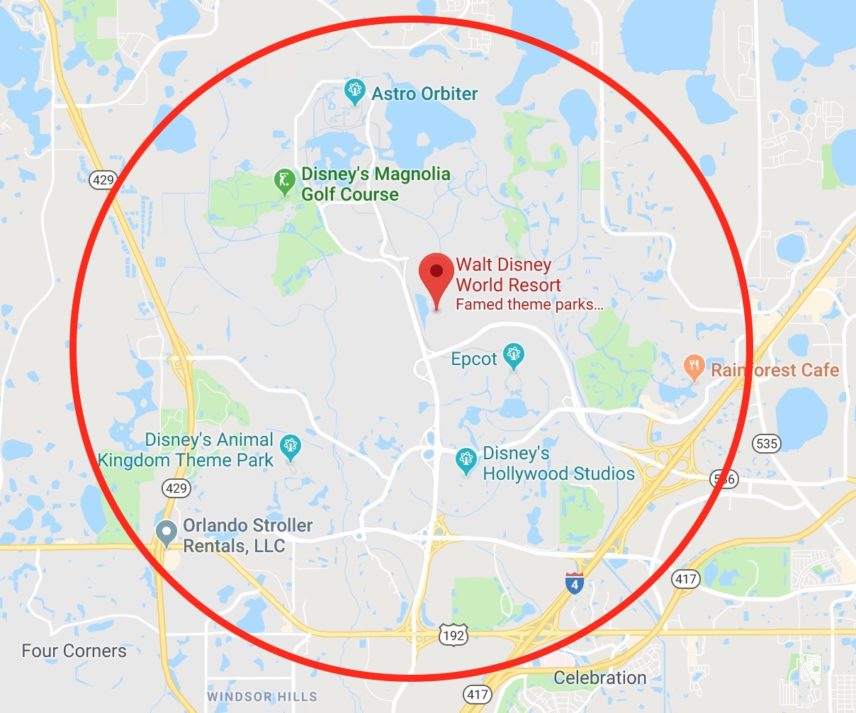
The Astonishing Scale of Walt Disney World Resort
The numbers behind Walt Disney World Resort are not just impressive; they redefine what a vacation destination can be. This isn’t just a collection of theme parks; it’s an economic engine, a natural preserve, and a miniature city unto itself, meticulously crafted to provide every amenity and service imaginable for millions of annual visitors.
Numbers That Define Grandeur
While often cited as 27,000 acres, it’s worth noting that a significant portion of this land, nearly one-third, is dedicated to conservation efforts, reflecting a commitment to environmental stewardship that was part of Walt Disney’s original plan. This foresight allowed for the creation of vast natural areas, buffer zones, and habitats for native wildlife, ensuring that the magic doesn’t come at the expense of nature.
To put its size into perspective, consider these comparisons:
- Walt Disney World Resort is roughly equivalent to the size of two major airports, such as Los Angeles International Airport (LAX) and Orlando International Airport (MCO) combined.
- It is more than 100 times larger than Disneyland Resort in Anaheim, California, which covers approximately 500 acres. This stark difference highlights the comprehensive, immersive design philosophy behind the Florida property.
- The property employs over 75,000 cast members, making it one of the largest single-site employers in the United States. This workforce is essential to maintaining and operating an enterprise of this magnitude, providing everything from hospitality and entertainment to complex engineering and environmental management.
A City Within a City
The vast acreage of Walt Disney World Resort supports an intricate infrastructure that functions like a small city. It has its own utility systems, including power generation, water treatment plants, and waste management facilities. It features a sophisticated transportation network of buses, monorails, Skyliner gondolas, and ferry boats, all designed to seamlessly move guests across its expansive domain.
This self-sufficiency was a core part of Walt Disney’s vision for the Experimental Prototype Community of Tomorrow (EPCOT), ensuring complete creative control over the guest experience and the ability to implement future innovations without external constraints. This infrastructure not only supports the parks and resorts but also enables continuous development and evolution of the destination, cementing its status as a world leader in tourism and entertainment.
Deconstructing the Magic: What Fills the Acres?
Understanding the sheer size is one thing; appreciating what fills those 27,000 acres is another. Every segment of Walt Disney World Resort serves a specific purpose, contributing to the overall tapestry of magic and ensuring that visitors of all ages find something captivating.
The Iconic Theme Parks
At the heart of Walt Disney World Resort are its four world-renowned theme parks, each an elaborate landmark and a destination in itself:
- Magic Kingdom Park: The original Florida park, home to Cinderella Castle and beloved classic attractions. While one of the smaller parks at around 107 acres, its intricate design and density of experiences make it feel boundless.
- Epcot: A celebration of human achievement and cultural diversity, spanning approximately 300 acres. Epcot is divided into World Showcase, highlighting eleven countries, and World Discovery, World Nature, and World Celebration, focusing on innovation and discovery. Its vastness allows for expansive pavilions and stunning architecture.
- Disney’s Hollywood Studios: Dedicated to the golden age of Hollywood and immersive storytelling, particularly Star Wars: Galaxy’s Edge. Covering about 135 acres, it combines thrilling rides with elaborate sets and detailed environments.
- Disney’s Animal Kingdom Theme Park: The largest of the parks at approximately 500 acres, this park is dedicated to natural environment and animal conservation. Its sheer size accommodates sprawling savanna habitats for live animals, elaborate themed lands like Pandora – The World of Avatar, and dense jungle trails.
Resorts and Recreational Havens
Beyond the theme parks, the expansive acreage houses a diverse portfolio of over 30 resorts, catering to every taste and budget. From value resorts offering comfortable stays to deluxe resorts boasting opulent amenities and unique themes, there’s an accommodation option for everyone.
Examples include the grand Victorian elegance of Disney’s Grand Floridian Resort & Spa, the tropical charm of Disney’s Polynesian Village Resort, and the savanna-view rooms at Disney’s Animal Kingdom Lodge. Many hotels offer various room types, including suites and even multi-bedroom villas for larger groups or extended long-term stays.
In addition to hotels, the property also includes:
- Two water parks: Disney’s Typhoon Lagoon Water Park and Disney’s Blizzard Beach Water Park, each offering distinct themes and exhilarating slides.
- Four championship golf courses: Disney’s Palm Golf Course, Disney’s Magnolia Golf Course, Disney’s Lake Buena Vista Golf Course, and Disney’s Oak Trail Golf Course, attracting golf enthusiasts.
- ESPN Wide World of Sports Complex: A massive multi-sport complex hosting amateur and professional sporting events, making Walt Disney World Resort a destination for sports tourism as well.
- Disney Springs: A vibrant entertainment, dining, and shopping district, offering a fantastic leisure experience beyond the parks.

Backstage & Beyond
Much of the 27,000 acres is dedicated to critical “backstage” areas that are unseen by guests but are vital to the resort’s operation. These include vast warehouses, laundry facilities, transportation depots, and intricate utility corridors. The complex also features extensive roadways, parking lots, and staging areas for parades and special events.
Furthermore, a substantial portion of the land is preserved as natural wetlands and conservation areas. This commitment to conservation is not just for aesthetic purposes; it plays a crucial role in managing the ecosystem, preventing flooding, and sustaining biodiversity, demonstrating a responsible approach to large-scale development. This unseen infrastructure and environmental dedication are as much a part of the resort’s colossal size as the visible attractions.
Why So Big? The Vision Behind the Vastness
The immense scale of Walt Disney World Resort was no accident; it was a deliberate and pioneering strategy formulated by Walt Disney himself. His experiences with Disneyland in California deeply influenced the expansive vision for his Florida project.
Walt Disney’s Original Dream
When Disneyland opened in 1955, Walt Disney quickly realized the limitations of its relatively confined footprint. He found himself unable to control the environment immediately surrounding his park, leading to the proliferation of commercial developments that detracted from the park’s immersive qualities. Learning from this, he conceived the Florida project as “The Florida Project” – a completely controlled environment where his creative vision could be fully realized without external interference.
This control extended to every aspect, from land use and zoning to infrastructure and future expansion. The goal was to create a truly immersive “vacation kingdom” where guests would remain within the Disney bubble from the moment they arrived until they departed. This vision included not just theme parks but also resorts, recreational facilities, and even a futuristic city, all seamlessly integrated. The vast land acquisition was crucial for this level of self-contained perfection and for safeguarding the guest experience against unwanted outside influences, ensuring that the magic extended beyond the park gates.
Environmental Stewardship
An often-overlooked aspect of Walt Disney World Resort’s immense size is its dedication to environmental stewardship. From the outset, a significant portion of the acquired land was designated for conservation. This commitment was more than just compliance; it was an integral part of Walt Disney’s legacy, emphasizing harmony between nature and development.
The resort actively manages thousands of acres of wetlands, forests, and other natural habitats. This includes extensive wildlife management programs, water quality monitoring, and sustainable practices across its operations. Guests can even experience some of this natural beauty firsthand, particularly within Disney’s Animal Kingdom Theme Park and on various outdoor recreational activities available around the property. This ecological foresight not only protects valuable ecosystems but also provides a serene contrast to the bustling theme parks, enhancing the overall appeal of the destination as a multifaceted lifestyle hub.
Navigating the Immense: Tips for Your Disney World Adventure
Given its monumental scale, a visit to Walt Disney World Resort requires careful planning and a strategic approach. It’s not a destination you can simply “wing” and expect to see everything. Proper guides and tips are essential for maximizing your travel experience and ensuring a magical vacation.
Planning Your Visit
The sheer size means you cannot do it all in a single day, or even a few days. Most visitors find that a minimum of 4-7 days is necessary to experience the highlights of the four theme parks, let alone the water parks, dining, and other entertainment options.
- Multi-Day Strategy: Consider purchasing multi-day tickets or park hopper options if you wish to visit more than one park per day, though this requires careful time management.
- Accommodation Booking: Booking your accommodation early is crucial, especially if you’re looking for specific resorts or suites. Staying on-site at a Disney resort offers benefits like early park entry and complimentary transportation, significantly enhancing convenience. Many resorts offer a range of prices, from value hotels to deluxe villas, fitting various budget travel to luxury travel preferences.
- Advanced Dining Reservations (ADRs): For popular restaurants, ADRs are highly recommended and can be made up to 60 days in advance.
- Genie+ and Lightning Lane: Familiarize yourself with these services to optimize your time and reduce wait times for attractions. This is especially important during peak seasons when crowd levels are high across the vast property.
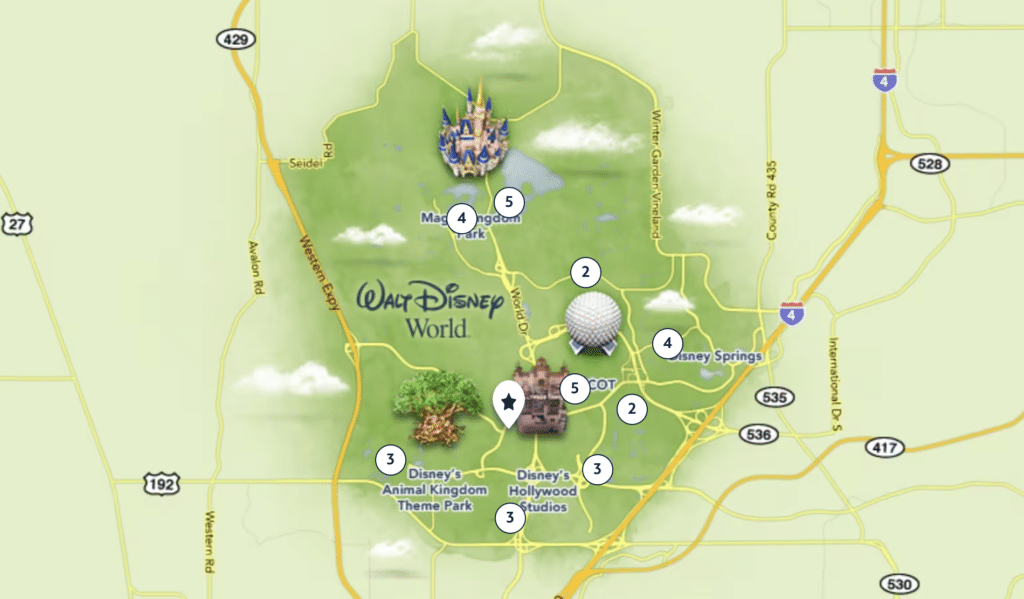
Getting Around
With 27,000 acres to cover, walking between destinations is rarely an option, except within individual parks or between very close resorts. Walt Disney World Resort has an extensive and efficient internal transportation system designed to help guests navigate its sprawling domain.
- Monorail: Connects Magic Kingdom Park, Epcot, and several deluxe resorts (Disney’s Contemporary Resort, Disney’s Polynesian Village Resort, Disney’s Grand Floridian Resort & Spa).
- Buses: The most comprehensive system, connecting all parks, resorts, and Disney Springs.
- Disney Skyliner: A gondola system offering picturesque views and efficient transport between Epcot, Disney’s Hollywood Studios, and several resorts in that area.
- Ferries and Friendship Boats: Connect certain parks and resorts, particularly around the Epcot and Hollywood Studios areas, and across Seven Seas Lagoon at Magic Kingdom Park.
- Minnie Van Service: A ride-sharing service provided by Disney via the Lyft app, offering direct transportation for a fee, ideal for those seeking extra convenience.
Making the Most of Your Stay
With so much to see and do across its vast landscape, pacing yourself is key to avoiding burnout and fully appreciating the experience.
- Prioritize: Decide which attractions, shows, and dining experiences are most important to you and your group.
- Take Breaks: Factor in downtime at your resort, perhaps a swim or a nap, especially if you plan to stay late for fireworks or evening entertainment.
- Explore Beyond the Parks: Don’t overlook the incredible amenities and activities available at Disney Springs, the water parks, or your resort. These offer a fantastic way to diversify your tourism experience and discover hidden gems within the expansive property.
- Stay Hydrated and Comfortable: You’ll be doing a lot of walking, even with the excellent transportation. Comfortable shoes and staying hydrated are crucial for enjoying your adventure across such a large landmark.
In conclusion, the 27,000 acres of Walt Disney World Resort are far more than just land; they are the canvas upon which dreams are built, an intricate ecosystem of entertainment, conservation, and unparalleled hospitality. This colossal size ensures an infinite array of experiences, cementing its status as a premier global travel destination and a testament to the enduring power of imagination and meticulous planning.
LifeOutOfTheBox is a participant in the Amazon Services LLC Associates Program, an affiliate advertising program designed to provide a means for sites to earn advertising fees by advertising and linking to Amazon.com. Amazon, the Amazon logo, AmazonSupply, and the AmazonSupply logo are trademarks of Amazon.com, Inc. or its affiliates. As an Amazon Associate we earn affiliate commissions from qualifying purchases.