
When one imagines the vast, verdant landscapes of the Pacific Northwest, the state of Oregon invariably stands at the forefront of that vision. Known for its breathtaking topography, ranging from the rugged coastline of the Pacific Ocean to the high desert plateaus of the east, the state is defined primarily by its timber. But for those exploring the natural heritage of this region, the question often arises: just how much of this land is blanketed by forest?
The answer is as expansive as the landscape itself. With approximately 30 million acres of forestland, Oregon remains one of the most heavily forested regions in the United States. Understanding these acres is not merely an exercise in statistics; it is a way to appreciate the ecological landmark that makes this state a crown jewel for nature enthusiasts and conservationists alike.

The Magnitude of Oregon’s Forested Landscape
To grasp the scale of 30 million acres, one must look at the total land area of the state, which encompasses roughly 62 million acres. This means that nearly half of the entire state is covered by woodland. This immense coverage is not uniform, however; it is a complex mosaic of temperate rainforests, dry conifer stands, and alpine groves that serve as a testament to the diverse climate zones within the region.
The Western Temperate Rainforests
The most famous of these woodlands reside west of the Cascade Range. Here, the influence of the ocean creates a lush, damp environment conducive to the growth of massive Douglas fir, Western hemlock, and Sitka spruce trees. These forests, particularly those surrounding the Willamette Valley, represent some of the most productive timberland in the world. The density of these woods provides a habitat that is critical to the regional biodiversity, including the Northern spotted owl.
The Eastern Conifer Forests
In contrast, the woodland landscape shifts significantly as one moves east toward the Blue Mountains. The forests here are thinner, characterized by Ponderosa pine and Lodgepole pine, which are better adapted to drier soils and a fire-dependent ecology. These 30 million acres are not just a static backdrop; they are a living, breathing natural infrastructure that supports the state’s hydrology, wildlife migration corridors, and air quality.
Landmarks of Nature and Conservation
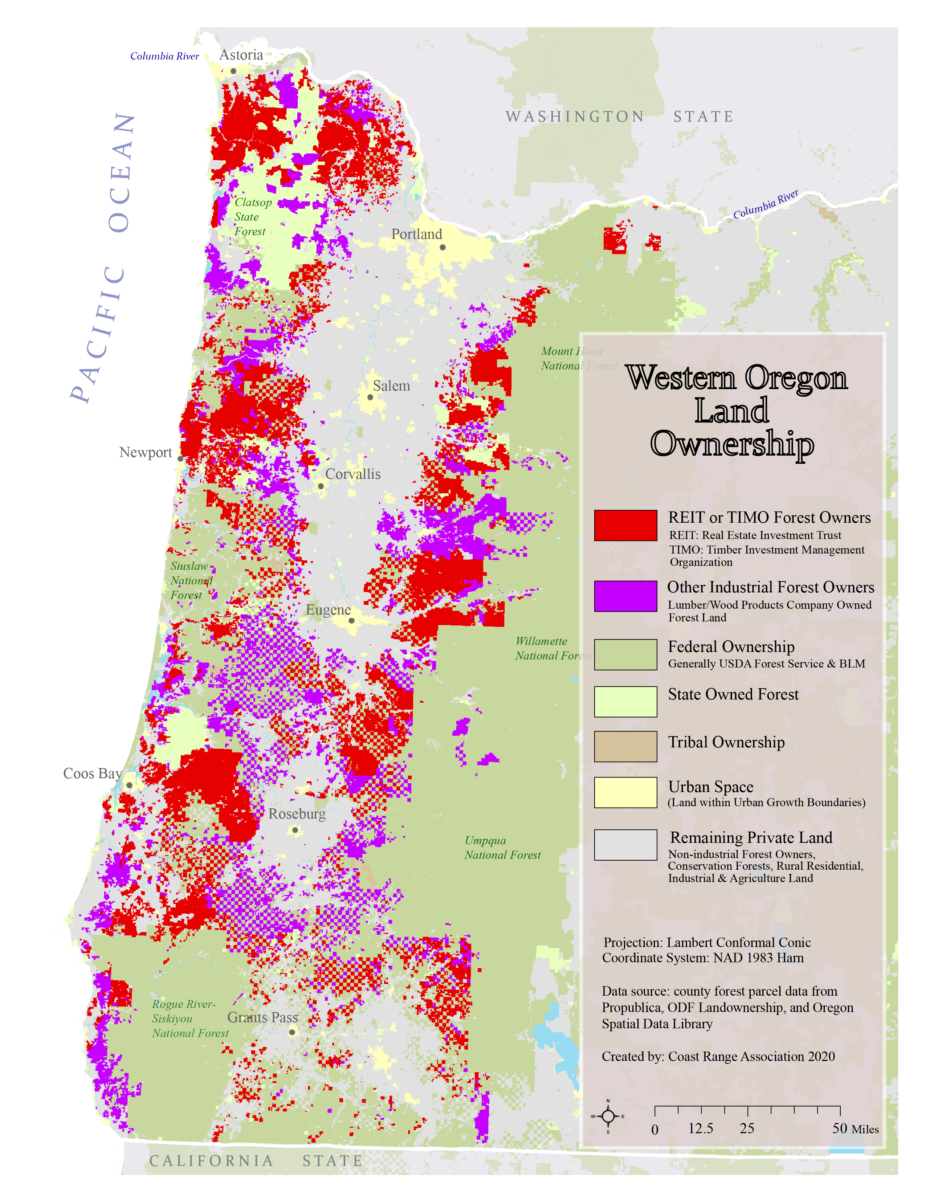
For those visiting the state, the forest is not just a statistical entity; it is a collection of iconic landmarks. The management of these millions of acres falls under a variety of jurisdictions, including federal, state, and private ownership, all of which contribute to the accessibility of these sites for the public.
The Federal Wilderness Areas
A significant portion of Oregon’s woodland is protected within federally designated wilderness areas. Places like the Mount Hood National Forest and the Umpqua National Forest allow visitors to witness the majesty of ancient, old-growth stands. These areas are vital landmarks that define the state’s tourism identity. When you hike beneath the canopy of trees that have stood for centuries, you are experiencing a small fraction of those 30 million acres, yet the impact is profound.

State Parks and Managed Lands
Beyond the national forests, the state manages thousands of acres through its extensive park system. Landmarks such as Silver Falls State Park offer a glimpse into the temperate rainforest ecology. These sites are essential for public education and engagement with the natural world, serving as gateways to the deeper wilderness that characterizes the rugged interior of the state.
The Ecological Importance of Woodland Management
The question of “how many acres” is often asked alongside concerns about sustainability. Because the timber industry has historically played a massive role in the economic development of Oregon, the balance between active forestry and preservation is a constant topic of debate.
Sustainable Forestry and Economic Vitality
Sustainable management ensures that while harvesting occurs, the total acreage of woodland does not significantly diminish. Forestry practices in this state have evolved to include rigorous reforestation requirements, ensuring that every acre harvested is replanted. This commitment to the life cycle of the forest preserves the visual and environmental integrity of the region, allowing travelers to enjoy pristine landscapes even in areas where active timber management occurs.
Climate and Biodiversity
The 30 million acres of woodland act as a massive carbon sink for the planet. By sequestering carbon within the biomass of trees and the soils beneath them, these forests play a critical role in global climate health. Furthermore, these lands are the backbone of local biodiversity. From the Klamath Mountains to the Coast Range, the interconnectedness of these wooded regions allows species to thrive, migrate, and adapt to changing conditions.
Navigating the Woodland Experience
For the traveler or the nature enthusiast, navigating these millions of acres requires a sense of purpose. Whether you are looking for the tranquility of an old-growth hike or the adventurous terrain of a remote logging road, the sheer scale of the landscape provides endless opportunities.
Tips for Exploring Oregon’s Forests
- Understand the Jurisdiction: Know whether you are entering a National Forest, a Wilderness Area, or private timberland. Regulations on fires, camping, and off-road travel vary significantly.
- Seasonal Awareness: The Pacific Northwest experiences distinct seasonal changes. The damp, misty winters of the Willamette Valley are starkly different from the dry, fire-prone summers of the Blue Mountains. Always check local conditions before heading into the woods.
- Respect the Land: With 30 million acres of woodland comes a massive responsibility to practice “Leave No Trace” principles. Preserving these forests for future generations is a collaborative effort between the local population and visitors from around the world.
The Future of the Forest
As technology and conservation strategies improve, the way we quantify and manage these 30 million acres will continue to change. Satellite monitoring, better fire management protocols, and shifts in public policy are all shaping the future of the Oregon landscape. What remains constant, however, is the undeniable draw of the trees. The woodland is more than a resource; it is a cultural and physical landmark that defines the soul of the state.
Whether you are standing in the shadow of a giant Douglas fir or driving through the winding mountain passes, the vastness of the woodland is always present. It is a reminder that in an increasingly urbanized world, there are still places where the trees dictate the rhythm of life. With nearly 30 million acres to explore, the journey into the Oregon wilderness is a lifelong pursuit, offering a deeper connection to the natural world with every acre traversed.
LifeOutOfTheBox is a participant in the Amazon Services LLC Associates Program, an affiliate advertising program designed to provide a means for sites to earn advertising fees by advertising and linking to Amazon.com. Amazon, the Amazon logo, AmazonSupply, and the AmazonSupply logo are trademarks of Amazon.com, Inc. or its affiliates. As an Amazon Associate we earn affiliate commissions from qualifying purchases.