
The question of “How Many Acres Per Cow In Texas?” delves into a crucial aspect of Texas ranching, a cornerstone of its agricultural identity and a significant element of its cultural landscape. While seemingly a simple query about land management, it opens a gateway to understanding the vastness of Texas, the economics of cattle ranching, and the environmental considerations that shape the state’s rural heritage. This exploration is not just about livestock density; it’s about appreciating the sheer scale of operation, the historical significance of the Texas Longhorn and other breeds, and the diverse ecosystems that support these herds across the Lone Star State.
The answer to how many acres per cow in Texas is not a single, definitive number. It is a dynamic figure, influenced by a confluence of factors including forage quality, rainfall patterns, soil type, ranching practices, and the specific breed of cattle being raised. Understanding these variables allows for a more nuanced appreciation of the challenges and rewards of ranching in Texas, a state synonymous with open ranges and cattle drives.
Factors Influencing Acreage Needs
The allocation of land for cattle grazing in Texas is a complex equation, far removed from a one-size-fits-all solution. The primary driver is the availability and quality of forage, the natural vegetation that forms the diet of grazing animals. Different regions within Texas present vastly different ecological conditions, directly impacting how much land is needed to sustain a single animal.
Forage Quality and Quantity
The nutritional content and sheer abundance of grasses, forbs, and shrubs are paramount. In the lush, humid East Texas Piney Woods, where rainfall is more plentiful and vegetation grows vigorously, a cow might require significantly less acreage than in the arid West Texas plains, where sparse desert grasses and hardy shrubs are the primary food sources. The carrying capacity of the land, a measure of how many animals an area can support sustainably, is directly tied to its forage production. A well-managed pasture with diverse, nutritious grasses can support a higher density of cattle compared to an area dominated by less palatable or lower-yielding vegetation.
Rainfall and Water Availability
Texas is a state of climatic extremes, and rainfall plays a critical role. Areas that receive consistent rainfall throughout the year, such as the eastern parts of the state, can support more intensive grazing. Conversely, drought-prone regions, particularly in West Texas and the Panhandle, necessitate larger pastures to allow vegetation time to recover between grazing periods. Water sources – natural springs, ponds, or reliable well systems – are equally vital. A lack of accessible water can limit grazing areas and require larger land holdings to ensure animals can find sustenance.
Soil Types and Topography
The underlying soil composition and the lay of the land also influence acreage requirements. Fertile soils can support more robust plant growth, thus increasing carrying capacity. Rolling hills and rugged terrain might present grazing challenges, requiring careful management and potentially larger areas to ensure adequate access to forage for the entire herd. Steep slopes can be prone to erosion, and ranchers often manage grazing to prevent overgrazing in these sensitive areas, effectively reducing the usable acreage for a given period.
Ranching Practices and Management Intensity
The philosophy and methods employed by the rancher are also significant determinants. Traditional, extensive ranching, characterized by large, often unfenced pastures, typically requires more land per animal. This approach allows for natural grazing cycles and relies on the land’s inherent resilience. More intensive management, however, might involve rotational grazing systems, where pastures are divided and cattle are moved regularly to allow vegetation to regenerate. This method, while requiring more infrastructure and planning, can often increase the number of animals that can be supported on a given amount of land by optimizing forage utilization and promoting pasture health. The goal is often to achieve a balance between economic viability and ecological sustainability.
Regional Variations Across Texas
Texas is a vast state, encompassing diverse ecological zones, each with its own unique demands on land for cattle grazing. The “acreage per cow” metric shifts dramatically as one travels from the humid East to the arid West, or from the fertile Blackland Prairie to the scrubby South Texas brush country.
East Texas: The Piney Woods and Coastal Prairies

In the East Texas Piney Woods, characterized by its abundant rainfall and dense forests interspersed with open meadows, forage is generally plentiful. Here, a well-managed operation might see as few as 1 to 2 acres per cow. The rich undergrowth of the pine forests, along with cleared pasture areas, provides a substantial food source. Similarly, along the Texas Gulf Coast, the fertile prairie lands and coastal marshes can support a relatively high stocking density, often in the range of 2 to 4 acres per cow, particularly where irrigation and supplemental feeding are part of the management strategy.
Central Texas: The Hill Country and Blackland Prairie
Central Texas presents a mosaic of landscapes. The Texas Hill Country, with its rolling topography, thinner soils, and a mix of live oaks, Ashe junipers, and native grasses, typically requires more acreage. Ranchers in this region might allocate 5 to 10 acres per cow, sometimes more, depending on the specific quality of the browse and the rainfall. The Blackland Prairie, to the east of the Hill Country, boasts some of the most fertile soils in the state, supporting lush grasses. Here, stocking rates can be higher, potentially falling into the 2 to 5 acres per cow range, though this is highly dependent on effective water management and pasture rotation to prevent overgrazing of these valuable grasslands.
West Texas: The Trans-Pecos and Panhandle Plains
As one moves west, the landscape becomes progressively drier and more arid. The Trans-Pecos region, a vast expanse of desert mountains, basins, and arid grasslands, demands the most land per animal. Carrying capacities are low, and it’s not uncommon to see requirements of 20 to 40 acres per cow, or even upwards of 50 acres in the most challenging desert environments. The sparse vegetation is slow to recover from grazing, making extensive land holdings essential for sustainability. The Texas Panhandle, while often flatter, also faces significant challenges with rainfall and soil erosion. Ranchers here might operate with 10 to 20 acres per cow, managing grazing carefully to preserve the fragile grassland ecosystem.
South Texas: The Brush Country
South Texas is renowned for its dense brush country, a unique ecosystem dominated by mesquite, huisache, and a variety of thorny shrubs and resilient grasses. While this environment can be challenging for cattle, it is also rich in browse that can be valuable, especially during drier periods. Ranchers in this region often balance native brush management with pasture improvement. Acreage needs can vary widely, from 5 to 15 acres per cow, depending on the success of brush control and the availability of water and improved pastures. The adaptability of cattle breeds to this environment also plays a role.
Economic and Environmental Considerations
Beyond the purely ecological aspects, the acreage per cow in Texas is deeply intertwined with economic realities and environmental stewardship. The decisions ranchers make about land use have profound implications for both their livelihoods and the long-term health of the Texas landscape.
The Economics of Ranching
The number of acres per cow directly impacts the profitability of a ranch. A lower acreage per cow, achieved through intensive management or favorable environmental conditions, can potentially support more animals and generate higher revenue from the same land base. However, this often requires significant investment in infrastructure, such as fencing, water systems, and rotational grazing facilities. Conversely, extensive ranching on vast tracts of land may have lower input costs but a lower overall output per acre.
The market price of cattle, the cost of feed, labor, and other operational expenses all influence how much land a rancher can afford to dedicate per animal. In areas with high land values, such as near growing urban centers like Austin or San Antonio, ranchers face pressure to maximize efficiency, which might lead to higher stocking densities if the land can support it. The economic viability of ranching is a constant balancing act, and the acreage dedicated to each cow is a critical variable.
Environmental Stewardship and Sustainability
Responsible ranching in Texas emphasizes environmental stewardship. Overstocking, or placing too many cattle on too little land, can lead to overgrazing. This degrades pasture quality, causes soil erosion, reduces biodiversity, and can permanently damage the ecosystem. Sustainable ranching practices aim to maintain or improve the health of the land for future generations.
This involves careful monitoring of forage conditions, implementing rotational grazing to allow plants to recover, managing water resources efficiently, and controlling invasive species. The goal is to achieve a stocking rate that is in harmony with the carrying capacity of the land, ensuring the long-term productivity and ecological integrity of the ranch. Many ranchers actively engage in conservation efforts, recognizing that the health of their cattle is intrinsically linked to the health of the environment they manage. This includes practices that support native wildlife and preserve the unique natural heritage of Texas.
Breed Selection and Adaptation
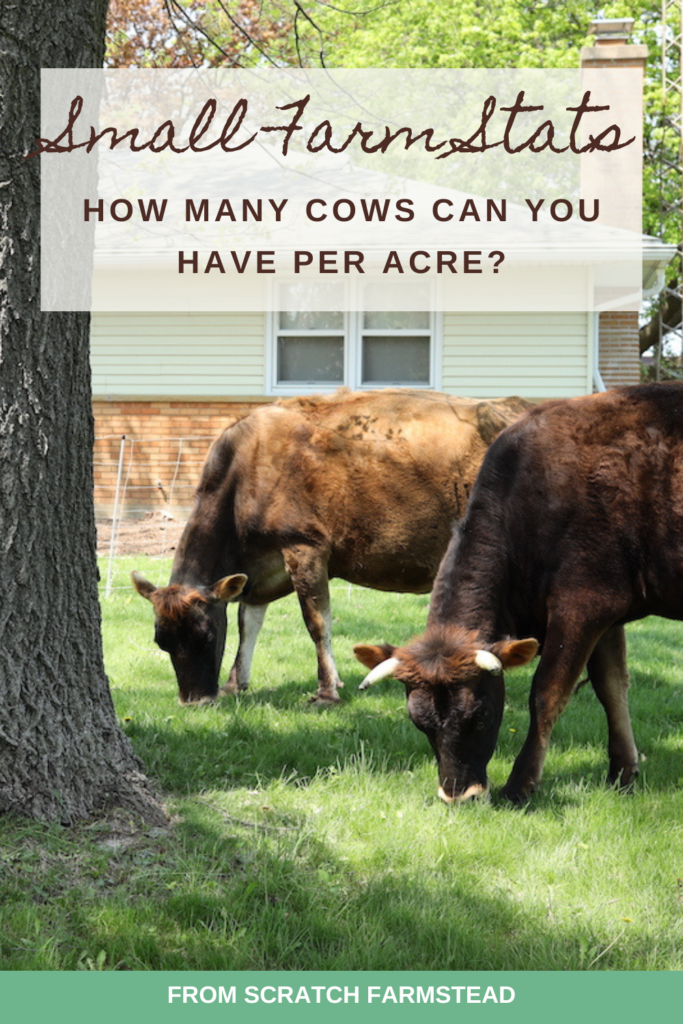
The breed of cattle also plays a role in determining the acreage needed. Traditional breeds, like the hardy Texas Longhorn, are known for their ability to thrive in more arid conditions and on sparser forage, often requiring more acres than more intensively managed breeds. However, even within breeds, individual animal genetics and nutritional needs vary. Modern beef breeds may be more efficient in converting feed to weight gain but often require higher-quality forage or supplemental feeding, which can influence stocking densities. The selection of cattle breeds that are well-adapted to the specific environment of a Texas ranch is a key element of successful and sustainable livestock management.
LifeOutOfTheBox is a participant in the Amazon Services LLC Associates Program, an affiliate advertising program designed to provide a means for sites to earn advertising fees by advertising and linking to Amazon.com. Amazon, the Amazon logo, AmazonSupply, and the AmazonSupply logo are trademarks of Amazon.com, Inc. or its affiliates. As an Amazon Associate we earn affiliate commissions from qualifying purchases.