
When planning a trip to the vibrant and historic city of Boston, Ma, understanding its aviation infrastructure is a crucial first step. For many travelers, the immediate thought goes to the main gateway: Logan International Airport. However, the landscape of air travel serving the Greater Boston area is more nuanced. While Logan is undoubtedly the primary international hub, a closer examination reveals a network of airports that cater to various travel needs, from major commercial flights to general aviation and private charters. This exploration delves into the principal aviation facilities serving the region, highlighting their roles and significance for visitors and residents alike.
The Primary Gateway: Logan International Airport
Logan International Airport (BOS) stands as the undisputed primary air travel nexus for Boston and the wider New England region. Operated by the Massachusetts Port Authority (Massport), Logan is a bustling hub, consistently ranking among the busiest airports in the United States by passenger traffic. Its strategic location on the eastern edge of the city, on the shores of Boston Harbor, offers convenient access to downtown Boston and surrounding metropolitan areas.
Terminals and Airline Operations
Logan is a sprawling complex comprising four passenger terminals: Terminals A, B, C, and E. Each terminal serves a specific set of airlines, ensuring an organized flow of passengers and flights.
- Terminal A: Primarily serves Delta Air Lines and its regional partners, along with WestJet. This terminal is known for its modern design and extensive amenities.
- Terminal B: Divided into two concourses, A and C, it hosts a variety of domestic carriers including American Airlines, Southwest Airlines, and Spirit Airlines, among others.
- Terminal C: The main hub for JetBlue Airways, it offers a wide range of domestic and some international flights.
- Terminal E: This terminal is dedicated to international arrivals and departures, serving numerous global carriers such as British Airways, Air France, and Lufthansa.
The sheer volume of operations at Logan means it handles millions of passengers annually, connecting Boston to hundreds of domestic and international destinations. Its extensive network of direct flights makes it a convenient entry point for tourists and business travelers alike, offering seamless connections to major cities across the globe.
Transportation to and from Logan
Accessibility is a key feature of Logan. Massport has invested heavily in creating multiple efficient transportation options for passengers.
- MBTA Silver Line: The MBTA Silver Line bus rapid transit service provides a free connection from all terminals to the South Station, a major transportation hub in downtown Boston. From South Station, travelers can connect to commuter rail lines, the subway (the “T”), and intercity buses.
- MBTA Blue Line: A shuttle bus connects the terminals to the Airport station on the MBTA Blue Line subway, offering another direct route into the city.
- Taxi and Ride-Sharing Services: Designated pick-up and drop-off zones are available at each terminal for taxis and ride-sharing services like Uber and Lyft.
- Car Rentals: All major car rental companies have counters within the airport, with shuttle buses transporting passengers to their respective rental facilities.
- Water Transportation: In a unique initiative for a major U.S. airport, Logan offers ferry service from the South Boston Waterfront to Long Wharf in downtown Boston and to the Seaport District, providing scenic and efficient transit.
The proximity and diverse transportation links to Logan significantly enhance its appeal as a primary travel destination for Boston.
Beyond the Main Hub: Smaller Airports Serving the Region
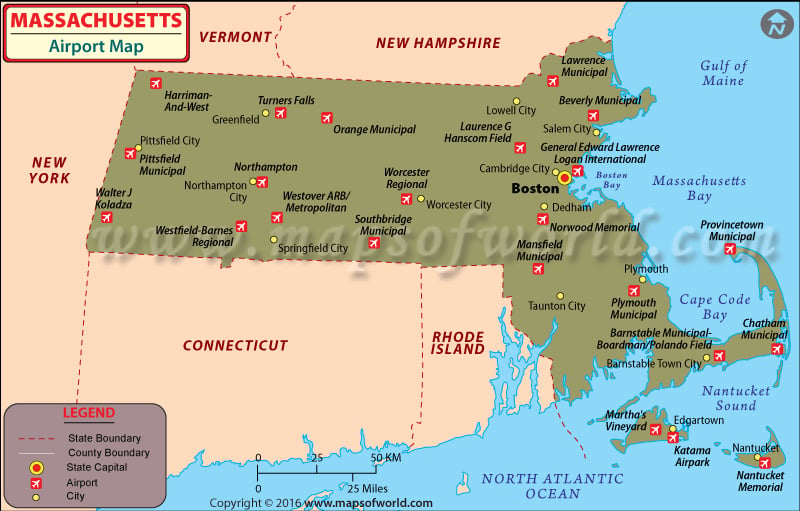
While Logan International Airport handles the vast majority of commercial air traffic, the broader Boston metropolitan area is served by several other aviation facilities. These airports play vital roles, particularly in general aviation, business aviation, and specialized charter services. Understanding these secondary airports provides a more complete picture of the air transportation network supporting the region.
Norwood Memorial Airport

Located approximately 20 miles southwest of downtown Boston, Norwood Memorial Airport (OWD) is a significant general aviation airport. It serves as a base for many private aircraft, flight schools, and charter operations. For travelers who prefer to avoid the congestion of Logan and are arriving or departing via private jet or charter, Norwood Memorial Airport offers a convenient and efficient alternative. Its facilities include multiple FBOs (Fixed-Base Operators) providing services like fueling, maintenance, and hangarage. The airport’s strategic location makes it accessible to the southern and western suburbs of Boston, as well as cities like Providence, Rhode Island, and Worcester, Massachusetts.
Beverly Regional Airport
To the north of Boston, Beverly Regional Airport (BVY) serves the North Shore communities. This airport is another key player in general aviation, supporting private aircraft, flight training, and some small charter operations. It is a valuable resource for residents and businesses in the coastal towns and cities north of Boston, offering a localized option for air travel and access to the region. Like Norwood Memorial Airport, it typically features FBO services catering to the needs of private pilots and aircraft owners.
Lawrence Municipal Airport
Further inland and north of Boston, Lawrence Municipal Airport (LWM) serves the Merrimack Valley area. It functions similarly to Beverly Regional Airport, focusing on general aviation activities. Its presence ensures that even those traveling to or from the northern and northwestern parts of the greater Boston metropolitan area have accessible aviation facilities for private flights.
Plymouth Municipal Airport
South of Boston, Plymouth Municipal Airport (PYM) caters to the South Shore and Cape Cod region. This airport is a vital asset for recreational flying, pilot training, and charter services in its geographic area. Its location makes it a convenient point of departure or arrival for those visiting historical sites like Plymouth Rock or heading further down to Cape Cod.
Hanscom Field
While not a public airport in the traditional sense for commercial passenger travel, Hanscom Field (BED) in Bedford, Massachusetts, deserves mention due to its significance in business aviation and government operations. Operated by Massport, Hanscom Field is one of the busiest general aviation airports in the United States. It is a premier destination for corporate jets and private aircraft, offering extensive FBO services, maintenance facilities, and customs. Its close proximity to Boston and its robust infrastructure make it a preferred choice for executives and individuals requiring high-end business aviation services.
Defining “Airports In Boston”
The question of “how many airports are in Boston, Ma?” can be interpreted in a few ways, and the answer depends on the definition used.
- Strictly within the city limits of Boston: If one refers to airports physically located within the municipal boundaries of the City of Boston, then Logan International Airport is the primary and most prominent facility. It is situated on reclaimed land in Boston Harbor, effectively making it part of the city.
- Serving the Greater Boston Area: When considering the broader metropolitan region, the number expands significantly. This includes airports like Norwood Memorial Airport, Beverly Regional Airport, Lawrence Municipal Airport, Plymouth Municipal Airport, and Hanscom Field, all of which are within a reasonable driving distance and serve as crucial aviation points for residents and visitors traveling to or from Boston and its surrounding communities.
Therefore, while Logan International Airport is the singular international and major commercial airport directly associated with Boston, the comprehensive answer acknowledging the regional network would include several other airports. For travelers primarily concerned with commercial flights, Logan is the sole answer. For those involved in general aviation, private charters, or seeking alternative access points to the region, the broader network of airports becomes relevant.

Navigating Air Travel to Boston
Understanding the landscape of airports serving Boston is key to planning a smooth and efficient journey. For most international and domestic commercial flights, Logan International Airport remains the most logical and convenient choice. Its extensive flight network, coupled with robust public transportation links, makes it an accessible gateway to the city’s many attractions, from the historic Freedom Trail to world-class museums and dining establishments.
For travelers utilizing private aviation, the choice between Logan, Hanscom Field, or regional general aviation airports like Norwood Memorial Airport will depend on factors such as the aircraft size, operational needs, and desired proximity to specific destinations within the Greater Boston area. Each of these airports offers a unique set of services and accessibility advantages, contributing to the overall air connectivity of this dynamic region. Whether arriving for a business meeting in the Seaport District or a vacation exploring Beacon Hill, having this knowledge of Boston’s aviation infrastructure can greatly enhance your travel experience.
LifeOutOfTheBox is a participant in the Amazon Services LLC Associates Program, an affiliate advertising program designed to provide a means for sites to earn advertising fees by advertising and linking to Amazon.com. Amazon, the Amazon logo, AmazonSupply, and the AmazonSupply logo are trademarks of Amazon.com, Inc. or its affiliates. As an Amazon Associate we earn affiliate commissions from qualifying purchases.