
Los Angeles, California, a sprawling metropolis known for its vibrant culture, iconic landmarks, and extensive urban landscape, is a major global nexus for travel. For anyone planning a visit or curious about the region’s air travel infrastructure, understanding its network of airports is crucial. The simple question “How many airports are in Los Angeles, California?” reveals a complex answer, distinguishing between bustling international hubs, convenient regional commercial facilities, and numerous general aviation fields.
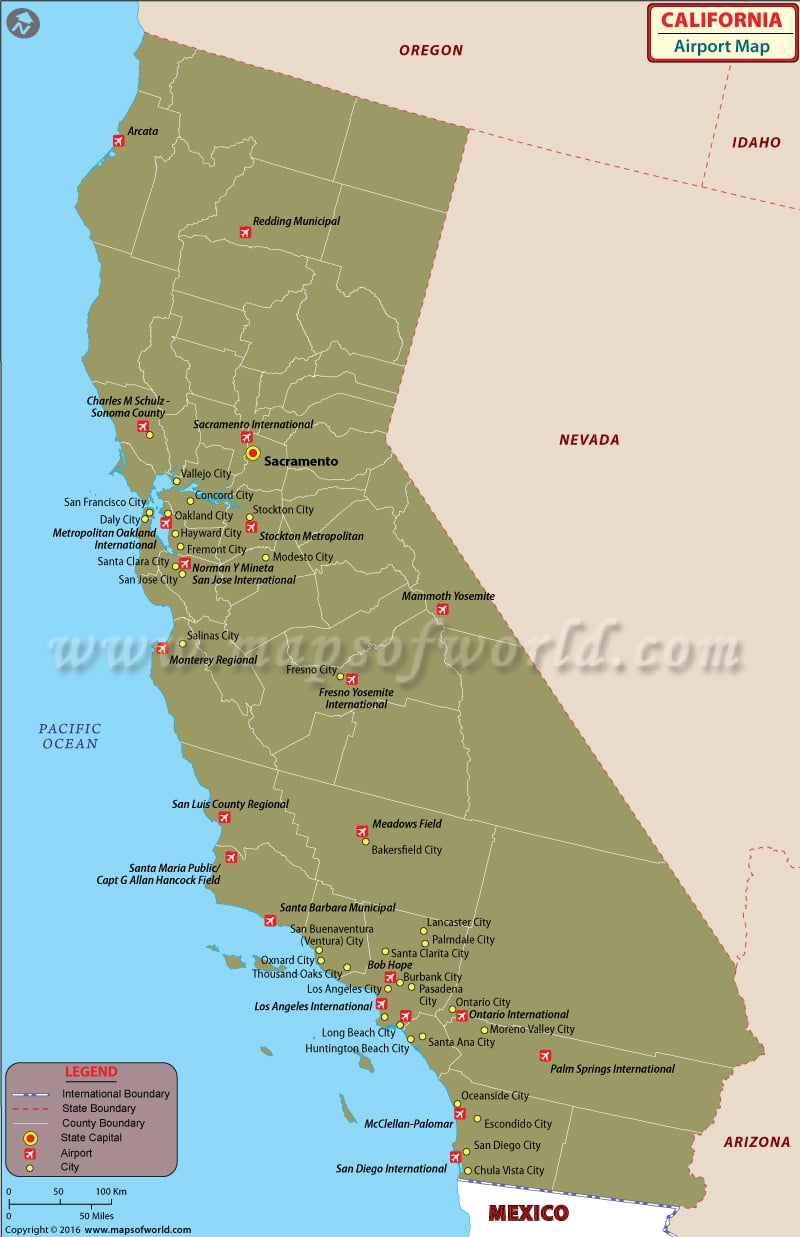
In terms of commercial passenger service, the greater Los Angeles area is primarily served by five significant airports. However, if one considers all airports—including those dedicated to general aviation, cargo, or private use within Los Angeles County itself—the number extends to well over a dozen. For most travelers, the focus remains on the five main commercial gateways, each offering distinct advantages depending on your origin, destination within the region, and travel preferences.
The Dominant Gateway: Los Angeles International Airport (LAX)
Undoubtedly the behemoth of Southern California air travel, Los Angeles International Airport (LAX) is the primary port of entry for millions of visitors annually. As the world’s third-busiest airport and the second-busiest in the United States by passenger traffic, LAX is a global hub connecting Los Angeles to destinations across every continent. Located in the southwestern part of the city, approximately 18 miles from Downtown LA, LAX is an essential component of the global aviation network.
With nine passenger terminals arranged in a horseshoe shape, LAX hosts nearly every major domestic and international airline. Its sheer size and extensive flight options make it the go-to choice for long-haul international flights and travelers seeking the widest selection of carriers and departure times. While its scale can sometimes mean navigating larger crowds and longer distances between gates, ongoing modernization projects, including the Automated People Mover system set to open in 2024, aim to enhance the passenger experience by improving connectivity between terminals, parking structures, and public transit. For many, the iconic LAX Theme Building and its distinctive “LAX” sign are the quintessential welcome to Los Angeles.
Regional Commercial Airports: Convenient Alternatives
Beyond LAX, the greater Los Angeles area is effectively served by four other significant commercial airports. These regional hubs often offer a more streamlined experience, bypassing some of the congestion associated with LAX and providing closer access to specific parts of the sprawling metropolitan region.
Hollywood Burbank Airport (BUR)
Located just 12 miles north of Downtown LA in the city of Burbank, Hollywood Burbank Airport (BUR) is a popular choice, particularly for those traveling to or from the San Fernando Valley, Hollywood, or Universal Studios. Often lauded for its ease of access, smaller footprint, and direct connection to both Metrolink and Amtrak rail services, BUR provides a distinctly less stressful experience than its larger counterpart. Its proximity to major film studios and media companies also makes it a favorite for business travelers in the entertainment industry. Several major airlines operate out of Burbank, offering flights to key domestic destinations.
Long Beach Airport (LGB)
Nestled in the city of Long Beach, approximately 20 miles south of Downtown LA, Long Beach Airport (LGB) is renowned for its historic art deco terminal and unique open-air concourse. This airport provides a remarkably pleasant and efficient travel experience, often feeling more like a private airfield than a commercial hub. LGB has strict noise abatement rules, which limit the number of commercial flights, contributing to its uncrowded atmosphere. It’s an excellent option for travelers heading to Long Beach, the southern reaches of Los Angeles County, or northern Orange County. Southwest Airlines is a dominant carrier here, alongside others providing service to a select range of domestic cities.
John Wayne Airport (SNA)

Though technically located in Orange County, John Wayne Airport (SNA) serves a significant portion of the Los Angeles metropolitan area, particularly for those visiting Disneyland, Anaheim, or the coastal communities of Orange County. Situated roughly 35 miles south of Downtown LA, SNA offers a modern, efficient, and upscale experience. Its proximity to popular tourist attractions and business centers in Orange County makes it an invaluable alternative to LAX, especially for domestic flights. Passengers enjoy its relatively compact size, short security lines, and convenient parking.
Ontario International Airport (ONT)
Located in Ontario, in San Bernardino County and approximately 38 miles east of Downtown LA, Ontario International Airport (ONT) serves the rapidly growing Inland Empire region and eastern parts of Los Angeles County. ONT has experienced significant growth in recent years, positioning itself as a major reliever airport for LAX. It offers a full range of domestic flights and an increasing number of international services, particularly to Mexico. For travelers looking to avoid the infamous LA freeway traffic, especially if their final destination is east of the city, ONT is often the most sensible and convenient choice, boasting easier access, parking, and a less frenetic atmosphere than LAX.
Beyond Commercial: General Aviation and Specialty Airports
While the five commercial airports handle the vast majority of passenger traffic, Los Angeles County is also home to a robust network of smaller airports dedicated primarily to general aviation. These facilities serve private planes, corporate jets, flight training, air cargo, and various specialized operations. Though not typically used by commercial passengers, they are integral to the region’s overall aviation infrastructure and contribute to the total count of airports within Los Angeles.
Notable general aviation airports include:
- Van Nuys Airport (VNY): Located in the San Fernando Valley, VNY is one of the busiest general aviation airports in the world, a hub for corporate and private aircraft, air charter services, and flight schools.
- Santa Monica Airport (SMO): Positioned just a few miles from the Pacific Ocean, SMO primarily serves private and charter flights, offering convenient access to the Westside of Los Angeles.
- Hawthorne Municipal Airport (HHR): Situated south of LAX, Hawthorne is a general aviation reliever airport that also plays a role in local business and manufacturing, notably as the location of SpaceX headquarters.
- Compton/Woodley Airport (CPM): Primarily used for flight training and general aviation, serving the South Los Angeles area.
- Whiteman Airport (WHP): Located in Pacoima in the San Fernando Valley, WHP is another significant general aviation facility.
- General William J. Fox Airfield (WJF): Located in Lancaster in the Antelope Valley, this county-owned airport serves general aviation and has historically seen some commuter service.
- Catalina Airport (AVX): Uniquely situated on Catalina Island, which is part of Los Angeles County, this private airport, often called the “Airport in the Sky,” primarily handles private aircraft and charter flights to the island.
These airports, while not offering scheduled commercial flights for the general public, demonstrate the extensive aerial infrastructure supporting the diverse needs of Los Angeles.

Choosing the Right Airport for Your Los Angeles Journey
The array of airports serving Los Angeles provides travelers with flexibility, but it also necessitates an informed decision. The “best” airport depends entirely on your specific travel plans.
Consider the following factors when choosing your entry or exit point:
- Your Final Destination within LA: If you’re heading to West LA, LAX or SMO might be ideal. For Hollywood or the San Fernando Valley, Burbank is often more convenient. Long Beach or SNA are perfect for destinations in Orange County, while Ontario is the clear choice for the Inland Empire or eastern LA County.
- Traffic and Commute Time: Los Angeles is notorious for its traffic. A shorter flight to LAX might be negated by a longer, more frustrating drive to your final destination. Consider commute times from each airport to your specific address, especially during peak hours.
- Airline Preferences and Flight Options: While LAX offers the most comprehensive selection of airlines and direct routes, regional airports might host your preferred carrier for specific domestic journeys at potentially better times or prices.
- Passenger Experience: For those who prefer a less overwhelming airport experience, Burbank and Long Beach consistently rank high for convenience and ease of navigation. SNA and ONT also offer a more manageable scale than LAX.
- Cost: Sometimes, flying into or out of a regional airport can result in cheaper airfares or reduced parking costs, depending on the route and booking time.
In conclusion, while one might initially count approximately three major commercial airports within Los Angeles County (LAX, BUR, LGB), the reality for travelers is that five primary airports serve the broader Los Angeles metropolitan area, providing a comprehensive and diverse network of air travel options. Understanding these choices empowers travelers to make the most informed decision, ensuring a smoother and more enjoyable journey to and from this dynamic California destination.
LifeOutOfTheBox is a participant in the Amazon Services LLC Associates Program, an affiliate advertising program designed to provide a means for sites to earn advertising fees by advertising and linking to Amazon.com. Amazon, the Amazon logo, AmazonSupply, and the AmazonSupply logo are trademarks of Amazon.com, Inc. or its affiliates. As an Amazon Associate we earn affiliate commissions from qualifying purchases.