
When planning a journey to the historic and vibrant city of Boston, Massachusetts, a common and critical question for travelers revolves around air access: how many airports serve this key New England destination? While the answer might seem straightforward at first glance, a deeper dive reveals a network of facilities catering to different types of air travel. For most commercial travelers, one primary gateway stands out, while a constellation of smaller fields supports general aviation and regional connectivity, all contributing to Boston’s robust travel infrastructure.
Boston’s Primary Air Gateway: Logan International Airport
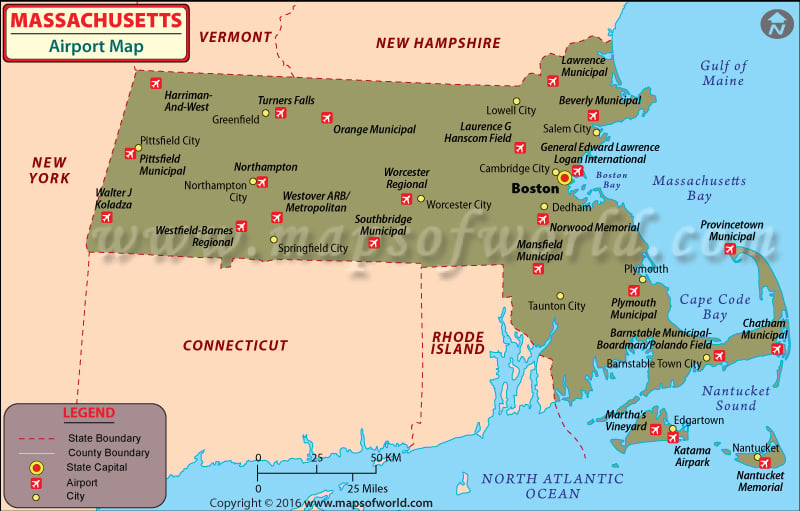
For the vast majority of visitors and residents flying into or out of Boston, the answer to “how many airports” is emphatically one: General Edward Lawrence Logan International Airport (BOS). Often simply referred to as Logan International Airport or just “Logan,” this is the sole major commercial airport serving the greater Boston metropolitan area and much of New England. Managed by the Massachusetts Port Authority (Massport), Logan is a critical economic engine and a primary point of entry for international and domestic travelers.
A Hub of Connectivity
Logan International Airport is located in East Boston, just three miles northeast of downtown Boston across Boston Harbor. Its strategic location offers unparalleled convenience, allowing travelers to reach city attractions, business districts, and surrounding communities with relative ease. As a major hub, Logan handles millions of passengers annually, offering direct flights to destinations across North America, Europe, Asia, and the Caribbean. This extensive network of routes makes it an indispensable asset for both leisure and business travel, positioning Boston as a globally accessible city.
The airport features four main terminals (A, B, C, and E), each designed to handle a mix of domestic and international flights. Terminal E, specifically, is dedicated to international arrivals and departures, equipped with customs and immigration facilities to process travelers from around the world. The continuous modernization of these terminals, including updated gate areas, enhanced security checkpoints, and improved retail and dining options, ensures a more comfortable and efficient experience for passengers. For travelers, Logan isn’t just an airport; it’s the first impression of Boston, designed to streamline their entry and exit from this historic region.
Navigating Logan
Getting to and from Logan International Airport is notably convenient, a factor that significantly enhances the travel experience for visitors. The airport is well-integrated into Boston’s public transportation network, the Massachusetts Bay Transportation Authority (MBTA), often referred to as the “T.” Travelers can utilize the free Silver Line bus rapid transit service, which connects all terminals to South Station, a major transportation hub in downtown Boston. From South Station, connections can be made to subway lines, commuter rail, and intercity bus services, reaching destinations like Back Bay and beyond.
Alternatively, the Blue Line subway offers direct access from the airport to downtown via a short shuttle bus ride from the terminals to the Airport Station. For those preferring water travel, Logan operates a water shuttle service that connects the airport to various points along the Boston Harbor waterfront, offering scenic views and a unique mode of transport. Taxis, ride-sharing services, and car rentals are also readily available, providing comprehensive options for travelers to reach their final destination within Boston or the broader Massachusetts area. This multimodal accessibility is a significant advantage, reducing transit stress and allowing travelers to quickly immerse themselves in Boston’s attractions, from the Freedom Trail to Fenway Park.
Future Developments and Impact on Travelers
Logan International Airport is continuously evolving to meet the demands of modern air travel. Ongoing projects focus on improving passenger flow, enhancing sustainability, and expanding capacity. These developments often include terminal modernizations, runway improvements, and technology upgrades designed to streamline security and boarding processes. For travelers, this means a commitment to efficiency, comfort, and a reduced environmental footprint, ensuring that Boston remains a premier travel destination for decades to come. The goal is always to provide a seamless travel experience, from the moment a traveler considers a trip to Boston until their final departure.
Regional and General Aviation Facilities Near Boston
While Logan International Airport serves as the undisputed commercial aviation hub, the broader metropolitan area and surrounding regions of Massachusetts are home to several smaller airports dedicated to general aviation, corporate travel, and flight training. These facilities, while not typically used by the average commercial traveler, play a vital role in the overall air travel ecosystem, offering alternatives for private planes, charters, and specialized cargo. When considering “how many airports in Boston, Massachusetts,” it’s essential to broaden the definition to include these important regional assets.
Norwood Memorial Airport
Located approximately 15 miles southwest of downtown Boston in Norwood, Norwood Memorial Airport (KOWD) is a prominent general aviation facility. It caters primarily to private aircraft, corporate jets, and flight schools. For business travelers or individuals requiring private air transport, Norwood Memorial Airport offers a convenient alternative to the busier Logan International Airport, providing quicker access and often less congestion. While not a commercial airport, its proximity makes it a key component of the travel infrastructure for those with specific aviation needs in the Boston area.
Hanscom Field

Situated about 20 miles northwest of Boston Common, Hanscom Field (KBED) in Bedford, Massachusetts, is another significant general aviation airport. It serves as a joint civil-military airport and is particularly popular for corporate and private aircraft due to its longer runways and comprehensive services. Hanscom Field is often utilized by executives and visitors attending meetings in Boston’s western suburbs or those seeking a less congested entry point for private air travel into the region. It offers a quieter, more exclusive experience compared to a major commercial airport, appealing to a niche segment of the travel market.
Beverly Regional Airport
Further north, roughly 20 miles from Boston, is Beverly Regional Airport (KBVY) in Beverly, Massachusetts. This airport supports general aviation, flight training, and some corporate operations. While it’s a bit farther from the city center, it plays an important role for travelers visiting the North Shore communities of Massachusetts. Its presence provides localized air access, reducing the need for smaller aircraft to navigate the airspace around Logan International Airport.
Lawrence Municipal Airport
Located about 30 miles north of Boston in North Andover, Massachusetts, Lawrence Municipal Airport (KLWM) also contributes to the regional aviation landscape. It supports general aviation, flight training, and offers services for private aircraft. This airport is strategically located to serve the northern parts of Massachusetts and southern New Hampshire, providing an essential link for business and recreational fliers in those areas, thereby indirectly supporting the broader travel needs of the Boston region.
Deciphering “Airports In Boston” for Travelers
The distinction between a major commercial airport and general aviation facilities is crucial for travelers. For anyone booking a commercial flight to or from Boston, the destination will almost exclusively be Logan International Airport. The other regional airports primarily serve private flyers, flight training, or specialized charter operations, and are not typically accessible via standard commercial airline tickets.
Choosing the Right Airport for Your Trip
For the everyday traveler, there is no choice to make regarding which airport to fly into for Boston – it will be Logan. However, understanding that these other airports exist can be beneficial for specific scenarios, such as chartering a private jet for business travel or if you are a pilot looking for flight training options in the area. For those flying commercially, the focus should be on optimizing their experience at Logan International Airport, from selecting the most convenient flight times to pre-arranging ground transportation.
Ground Transportation Considerations
Given that all commercial flights use Logan International Airport, planning ground transportation is a key part of the travel experience. The robust public transit options provide cost-effective and efficient ways to reach various parts of Boston and its suburbs. Utilizing the MBTA’s Silver Line or Blue Line not only saves money but also offers a local experience, allowing travelers to quickly connect with the pulse of the city upon arrival. For those with more luggage or specific needs, taxis, ride-shares, and pre-booked car services offer direct routes to hotels or other accommodations. The efficiency of ground transportation from Logan is a significant factor in Boston’s appeal as a travel destination.
The Economic and Travel Impact of Boston’s Airports
The network of airports in and around Boston, particularly Logan International Airport, is more than just infrastructure; it’s a vital component of the region’s economy and its travel and tourism industry. Logan’s connectivity is what makes Boston a truly international city, attracting visitors from around the globe to explore its historical sites, world-class universities, and vibrant cultural scene.
Facilitating Tourism and Business
Logan International Airport is the primary engine driving tourism in Massachusetts. Direct flights from major international cities allow tourists to easily access destinations like the Freedom Trail, Faneuil Hall, and the scenic beauty of Cape Cod or the Berkshires. For business travelers, the airport facilitates critical connections, supporting Boston’s thriving biotech, finance, and education sectors. The ease of access provided by Logan is a cornerstone of Boston’s appeal as a destination for both leisure and professional pursuits, making it a competitive global city.

Supporting Local Communities
Beyond direct travel, the airports, especially Logan, generate thousands of jobs, from airline staff and airport operations to ground transportation and hospitality services. They also support local businesses through concessions and supply chains. The regional airports, though smaller, contribute to local economies by providing services for private aviation, flight training, and aircraft maintenance, creating localized employment opportunities and supporting specialized industries. This comprehensive air travel network ensures that Boston remains a highly desirable and accessible travel destination, catering to a diverse array of needs and playing a crucial role in the state’s prosperity.
LifeOutOfTheBox is a participant in the Amazon Services LLC Associates Program, an affiliate advertising program designed to provide a means for sites to earn advertising fees by advertising and linking to Amazon.com. Amazon, the Amazon logo, AmazonSupply, and the AmazonSupply logo are trademarks of Amazon.com, Inc. or its affiliates. As an Amazon Associate we earn affiliate commissions from qualifying purchases.