
California, the Golden State, is a land of unparalleled diversity, boasting everything from sun-drenched beaches and towering redwood forests to bustling metropolises and serene desert landscapes. This vast and varied geography, coupled with its status as a global economic powerhouse and a premier tourist destination, necessitates an equally extensive and sophisticated transportation infrastructure. At the heart of this network lies a robust system of airports, serving as vital gateways for millions of travelers, business professionals, and goods each year. But exactly how many airports facilitate this constant flow of people and commerce across such an immense state?
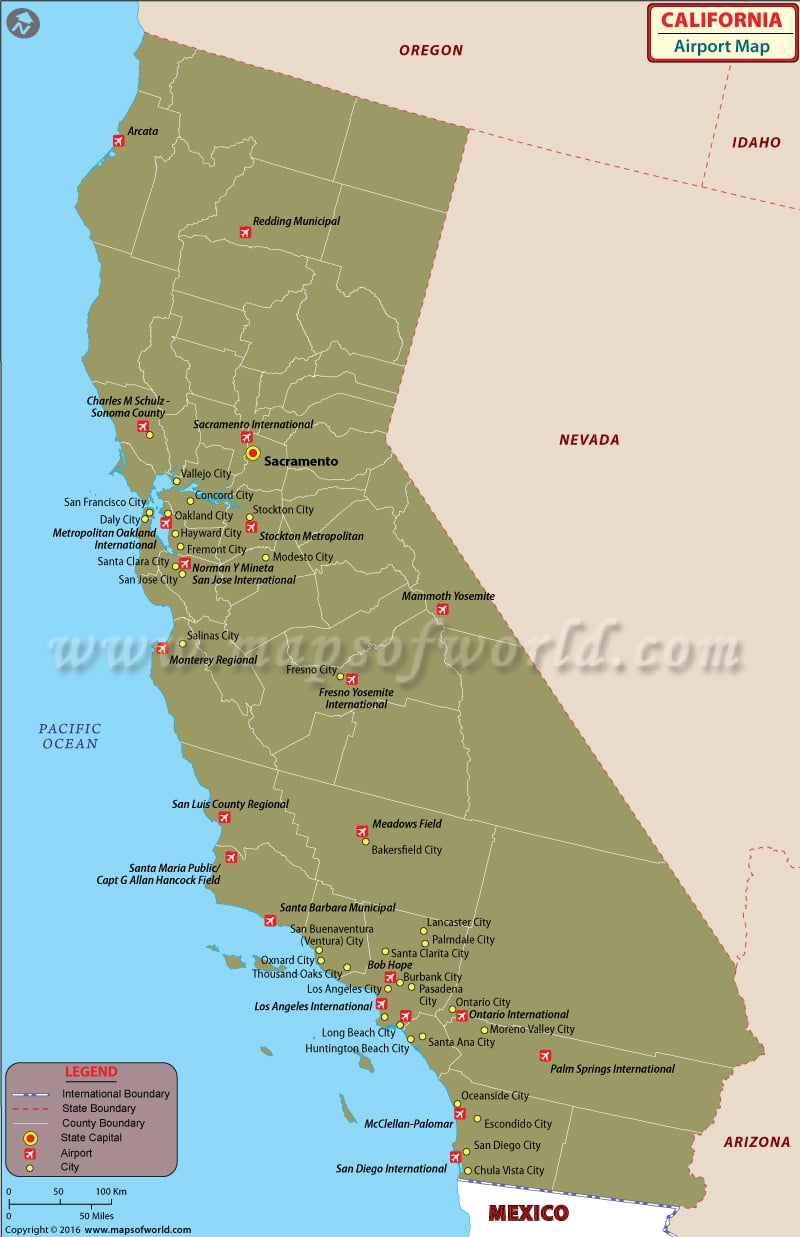
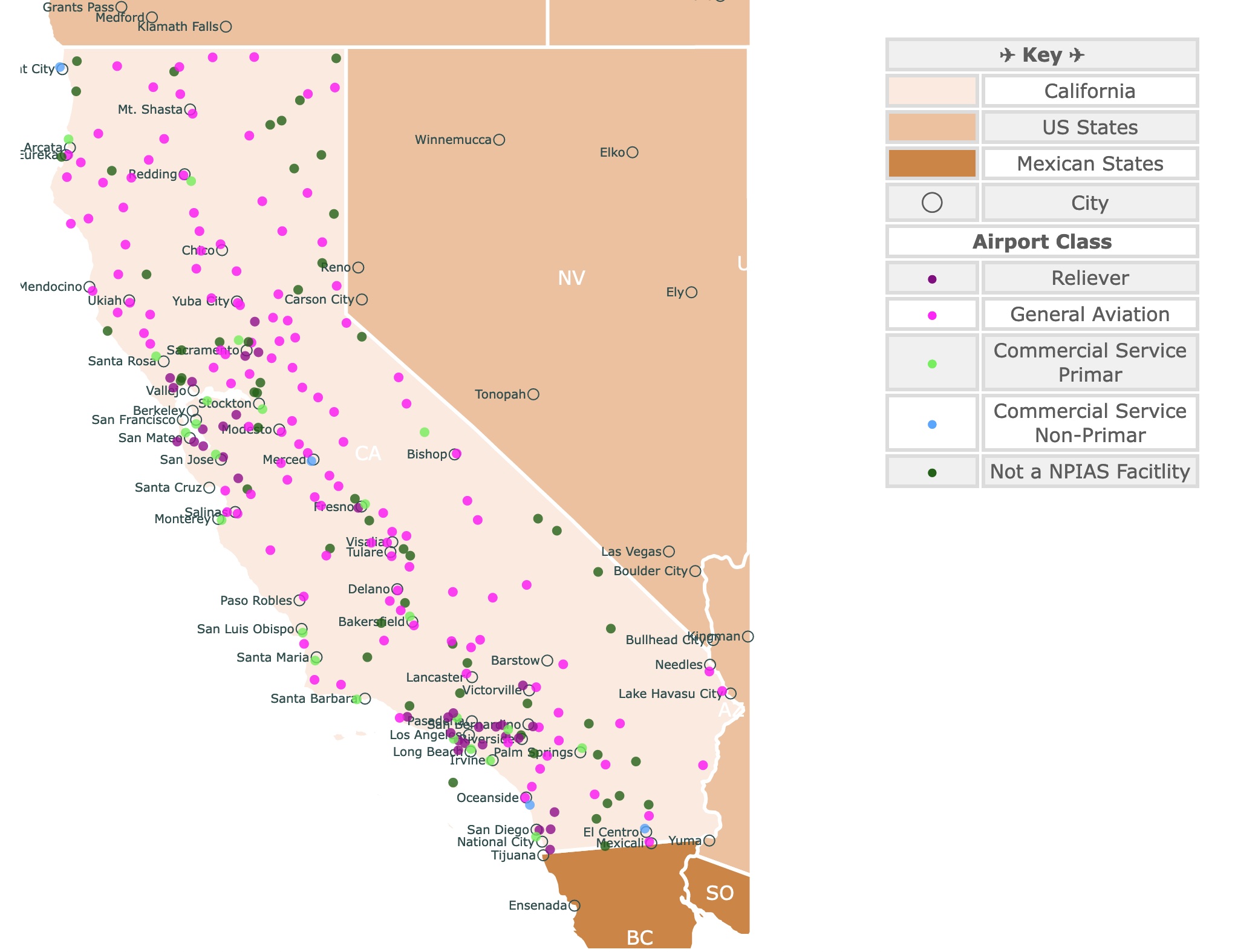
The answer, while seemingly simple, unveils a complex and fascinating story of connectivity. California is home to an astonishing number of airports, far beyond the familiar international hubs. If you consider all public-use airports – those accessible to the public, whether commercially or for general aviation – the number consistently hovers around 250 to 300. This impressive figure includes major international and regional commercial airports, bustling general aviation fields, and smaller air strips crucial for local communities and specialized services. This expansive aerial network is not merely a collection of runways and terminals; it’s the circulatory system that supports California’s vibrant tourism industry, fuels its innovative economy, and connects its diverse regions, offering a myriad of travel and lifestyle opportunities.
California’s Vast Skies: An Aerial Overview
The sheer number of airports in California is a testament to the state’s strategic importance and its continuous demand for efficient travel solutions. This extensive network is designed to cater to every conceivable aviation need, from massive commercial airliners carrying thousands of passengers daily to small private jets, cargo planes, and even helicopters for emergency services. Understanding this distribution is key to appreciating how seamlessly one can travel across the state, whether for a luxury getaway, a budget family trip, or a crucial business meeting.
The airports generally fall into a few key categories:
- Commercial Service Airports: These are the major hubs that handle scheduled passenger flights by commercial airlines. They range from international gateways to smaller regional facilities.
- General Aviation (GA) Airports: This category constitutes the vast majority of airports in California. They serve private aircraft, corporate jets, flight training, air charter, air cargo, and various aerial work like agricultural spraying, medical transport, and aerial photography.
- Military Airfields: While not typically accessible to the general public, these are an integral part of California’s airspace infrastructure, serving military operations and training.
This comprehensive network ensures that nearly every corner of the state is within reasonable reach of an airport, facilitating everything from quick weekend escapes to the wine country of Napa Valley to critical logistical support for Silicon Valley’s tech giants. For travelers, this means more choices in airlines, destinations, and often, more competitive pricing, enhancing the overall travel experience from booking to touchdown.
Gateways to Golden State Adventures: Major Commercial Hubs
When most people think of airports in California, their minds immediately jump to the towering international behemoths that serve as crucial entry points for global travelers. These are the airports that define long-haul journeys and connect millions to the state’s iconic cities and world-renowned attractions. However, a significant network of regional commercial airports also plays a pivotal role in facilitating domestic travel, linking diverse Californian communities and opening up a wealth of local tourism opportunities.
The International Powerhouses: Connecting California to the World
Two airports stand out as the undisputed titans of air travel in California and indeed, globally: Los Angeles International Airport (LAX) and San Francisco International Airport (SFO). These facilities are not just transportation hubs; they are bustling microcosms of international commerce and culture, reflecting the diverse appeal of their respective host cities.
Los Angeles International Airport (LAX) is one of the busiest airports in the world, serving as a primary gateway to Los Angeles and Southern California. It’s the landing spot for travelers eager to explore the glitz and glamour of Hollywood, the upscale boutiques of Beverly Hills, the sun-drenched beaches of Santa Monica, or the magical experiences at Disneyland Resort in nearby Anaheim. LAX’s extensive network of international and domestic flights makes it an ideal starting point for luxury travelers seeking exclusive resorts and boutique hotels, as well as budget-conscious families looking for accessible accommodation options. Its continuous development reflects the city’s dynamic lifestyle, offering state-of-the-art terminals, a vast array of dining and shopping, and improved connectivity options for smooth transitions between flights or to ground transportation. The airport is a critical component of Los Angeles’ tourism appeal, drawing visitors from every corner of the globe to experience its vibrant culture and iconic landmarks.
North in the Bay Area, San Francisco International Airport (SFO) serves as another critical international gateway. SFO is renowned for its architectural beauty, commitment to sustainability, and its impressive collection of art exhibits, transforming the typical airport experience into a cultural journey. It is the primary access point for San Francisco, a city celebrated for its iconic Golden Gate Bridge, historic cable cars, vibrant neighborhoods, and close proximity to the tech innovation hub of Silicon Valley. Travelers arriving at SFO can easily venture north to the world-famous wineries of Napa Valley and Sonoma, or east to the breathtaking landscapes of Lake Tahoe for skiing or summer recreation. The airport’s efficient public transport links, including the BART (Bay Area Rapid Transit) system, make it particularly convenient for visitors staying in the city’s diverse range of hotels, from luxury high-rises to charming boutique accommodations.
Regional Connectors: Unlocking California’s Diverse Regions
Beyond the global giants, a network of significant regional airports plays an equally crucial role in facilitating domestic travel and connecting visitors to specific Californian regions, often with greater convenience and less congestion.
Oakland International Airport (OAK) and San Jose International Airport (SJC) serve as vital alternatives to SFO for travelers to the San Francisco Bay Area. OAK is particularly popular with budget airlines and for those visiting the East Bay cities like Oakland itself, known for its vibrant arts scene and diverse culinary offerings. SJC, on the other hand, is the primary airport for Silicon Valley, a hub for business travelers and tech enthusiasts, offering direct access to the region’s innovative companies and a wide selection of corporate hotels and extended-stay accommodations. Both airports significantly contribute to the accessibility of Northern California for both tourism and business.
In Southern California, San Diego International Airport (SAN) is a bustling single-runway airport famed for its picturesque approach over San Diego Bay. It’s the gateway to the sun-soaked city of San Diego, renowned for its world-class beaches, Balboa Park, San Diego Zoo, and vibrant Gaslamp Quarter. SAN is crucial for tourism, bringing visitors directly to a city rich in local culture, diverse food scenes, and a plethora of activities, from surfing to exploring historic sites. Its proximity to downtown makes finding ideal accommodation, from luxury resorts to charming waterfront hotels, incredibly convenient.
Further south in Orange County, John Wayne Airport (SNA) offers a more boutique and less congested experience, particularly appealing to those visiting Disneyland Resort, the coastal communities of Newport Beach and Laguna Beach, or the bustling business districts of Irvine. SNA epitomizes convenience for family trips and luxury travel, often providing quicker access to premium resorts and attractions in the heart of Orange County compared to its larger counterpart, LAX.

Finally, Sacramento International Airport (SMF) serves the state capital, Sacramento, and the expansive Central Valley. It’s a key hub for government and business travel, as well as for tourists exploring the historical significance of Old Sacramento, the burgeoning farm-to-fork food scene, or accessing destinations further inland. These regional airports collectively democratize air travel, making vast swaths of California accessible and catering to a wide range of travel styles and budgets.
Beyond the Big Jet: General Aviation and Specialty Fields
While the commercial airports handle the bulk of passenger traffic, the true breadth of California’s air infrastructure lies in its extensive network of general aviation (GA) airports. These facilities, often overlooked by the average commercial flyer, are the lifeblood of countless communities and provide critical support for various economic and emergency services. They represent a distinct aspect of the Californian lifestyle, from luxury travel to essential community functions.
The Backbone of Local Travel and Training
General aviation airports are primarily designed to serve private planes, corporate jets, and flight schools. Scattered across the state, from urban fringes to remote rural areas, these airports offer unparalleled flexibility and access. For the luxury traveler, a private jet landing at a GA airport near their desired destination—be it a secluded resort in Palm Springs, a private estate in Santa Barbara, or a high-end ski lodge in Mammoth Lakes—can drastically cut down travel time and enhance the exclusivity of their trip. This direct access to smaller, less congested fields defines a significant aspect of luxury travel within California.
Beyond luxury, GA airports are fundamental for:
- Flight Training: California’s favorable weather conditions and numerous airfields make it a prime location for aspiring pilots to earn their wings.
- Corporate Travel: Many businesses operate their own aircraft, relying on GA airports for efficient, point-to-point travel, especially between less-served cities or to facilitate rapid movement of executives and critical personnel.
- Recreational Flying: Private pilots enjoy the freedom to explore California’s stunning landscapes from above, landing at charming small-town airports for a local meal or an overnight stay. This contributes to a unique form of local tourism, encouraging exploration beyond typical tourist routes.
- Specialized Services: This includes aerial photography, surveying, agricultural support for the state’s vast farmlands, and critical infrastructure inspection. These services are vital for California’s economy and land management.
Enhancing Emergency Services and Business Operations
The ubiquitous presence of GA airports also significantly enhances the state’s capacity for emergency response and specialized business operations. They serve as crucial bases for air ambulance services, ensuring rapid medical transport to even remote areas. During California’s challenging wildfire seasons, these airports become indispensable staging grounds for firefighting aircraft, providing quick access to fuel and supplies for aerial attacks on blazes. Furthermore, many specialized businesses, from film production companies needing to transport equipment quickly to scientific researchers conducting aerial surveys, depend entirely on the flexibility and accessibility offered by the state’s comprehensive GA network. This infrastructure not only supports diverse lifestyles and industries but also reinforces the safety and resilience of communities across the Golden State.
Planning Your Californian Journey: Leveraging the Airport Network
Navigating California’s extensive airport network is an art form that, when mastered, can significantly enhance any travel experience. Whether you’re planning a thrilling adventure to one of its many national parks like Yosemite National Park or Redwood National Park, a relaxing beach getaway, or an intensive business trip, understanding how to choose and utilize the right airport can save time, reduce stress, and even uncover unique travel opportunities.
Choosing Your Gateway: Factors to Consider
With so many airports at your disposal, selecting the optimal arrival or departure point requires careful consideration of several factors:
- Destination Proximity: This is often the most critical factor. Flying into SNA if your primary destination is Disneyland Resort or Newport Beach will generally be more efficient than LAX, despite LAX being a larger hub. Similarly, for Silicon Valley business, SJC is typically preferable to SFO. Always map out your final destination relative to potential airports.
- Flight Cost and Airline Preference: Budget airlines often operate out of secondary airports like OAK or Hollywood Burbank Airport (BUR), offering potentially lower fares. If you have loyalty with a specific airline, check which airports they primarily serve in California.
- Ground Transportation Options: Consider how you’ll get from the airport to your accommodation. Major airports like LAX and SFO offer extensive public transport links, shuttle services, and a wide range of rental car agencies. Smaller airports might have fewer options, potentially requiring pre-booked ride-shares or taxis. When booking hotels, many travelers prioritize those that offer convenient airport shuttles or are easily accessible via public transit, linking the Accommodation aspect directly to airport choice.
- Traffic and Congestion: Larger airports, especially LAX, can experience significant traffic on the ground and in the air. Opting for a smaller regional airport can often mean a smoother, faster journey through security and less time stuck in airport queues or on surrounding roadways. This is a key aspect for those seeking a more relaxed travel lifestyle.
The Airport Experience: Amenities and Connectivity
California’s major airports have evolved into sophisticated complexes, offering much more than just transit. They are destinations in themselves, providing a comfortable and engaging experience for travelers, aligning perfectly with the modern travel lifestyle.
- Amenities: From world-class dining and high-end retail shopping to art exhibitions, meditation rooms, and luxurious airport lounges (often accessible with premium credit cards or airline status), airports like SFO and LAX prioritize passenger comfort and entertainment. These amenities cater to various lifestyles, whether you’re a business traveler needing to work, a luxury traveler seeking comfort, or a family looking for entertainment during a layover.
- Connectivity: California’s airports are expertly interconnected, facilitating seamless travel across the state and beyond. For international visitors, flying into a major hub like LAX or SFO and then connecting to a regional airport for a domestic leg of their journey is common. This allows travelers to reach more niche destinations like Santa Rosa for wine country or Fresno for access to national parks like Yosemite, without needing extensive ground travel from the major hubs. The integration of various transport modes – air, rail, and road – emphasizes California’s commitment to efficient travel and tourism.
In essence, California’s vast airport network, encompassing hundreds of facilities from global giants to small local strips, is a cornerstone of its appeal. It enables millions to explore its diverse attractions, conduct business, pursue unique lifestyles, and access a wide array of accommodation options and experiences. The choice of airport is not just a logistical detail; it’s an integral part of shaping the overall adventure and enjoyment of the Golden State.
In conclusion, the question “How many airports in California?” reveals a truly impressive figure: well over 200 public-use airports. This extensive and interconnected network is far more than just a collection of runways; it’s the very foundation upon which California’s vibrant travel, tourism, and business sectors thrive. From the international gateways that welcome the world to the regional hubs that connect diverse communities, and the countless general aviation fields that support local economies and specialized services, these airports are indispensable. They offer unparalleled flexibility for all types of travelers, from those seeking luxury resorts and exclusive experiences to budget-conscious adventurers exploring hidden gems. By strategically utilizing this robust aerial infrastructure, visitors and residents alike can unlock the full potential of the Golden State, making every journey, whether for pleasure or business, as efficient and enjoyable as possible.
LifeOutOfTheBox is a participant in the Amazon Services LLC Associates Program, an affiliate advertising program designed to provide a means for sites to earn advertising fees by advertising and linking to Amazon.com. Amazon, the Amazon logo, AmazonSupply, and the AmazonSupply logo are trademarks of Amazon.com, Inc. or its affiliates. As an Amazon Associate we earn affiliate commissions from qualifying purchases.