
When planning a trip to the vibrant and dynamic city of Chicago, Illinois, USA, one of the first logistical considerations is often the airport situation. For many travelers, the idea of a single, dominant airport might come to mind, similar to how some cities are synonymous with a specific hub. However, Chicago presents a slightly more nuanced picture, offering a network of aviation gateways that cater to a wide array of travel needs, from international behemoths to smaller, regional players. Understanding these different airports is crucial for seamless travel, whether you’re arriving for a whirlwind business trip, a leisurely family vacation exploring the city’s iconic landmarks, or seeking a luxurious lifestyle escape.
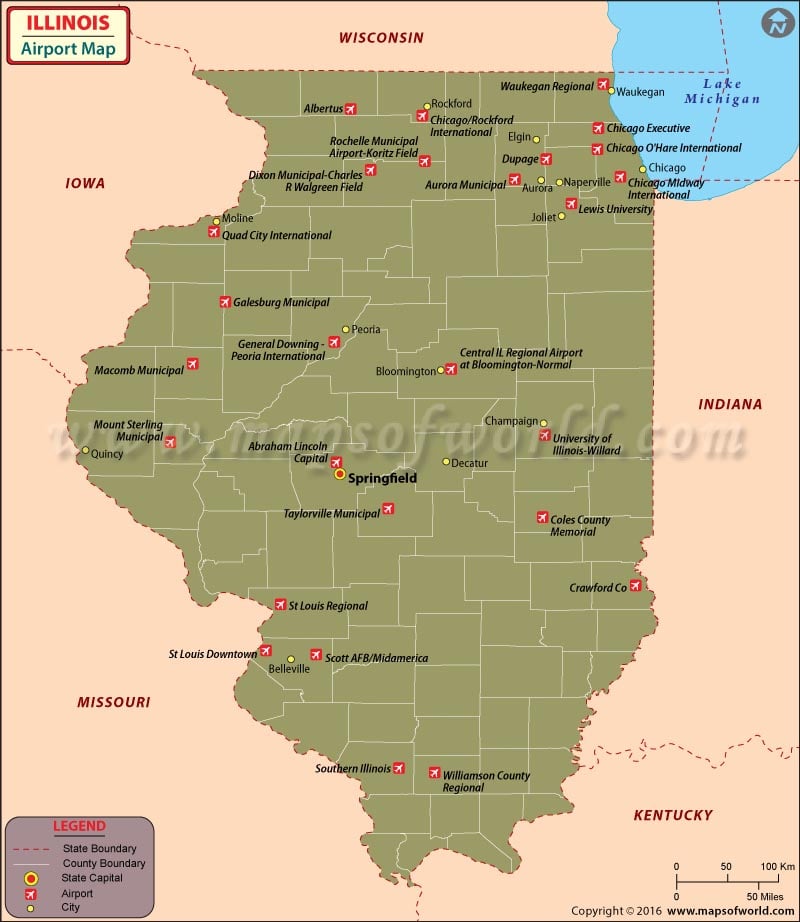
The question “How many airports in Chicago, IL, USA?” might seem straightforward, but the answer depends on how you define “in Chicago.” The most prominent and widely recognized aviation hubs serving the metropolitan area are two major international airports. Beyond these, several smaller airports contribute to the region’s air traffic, serving specific purposes like general aviation, cargo, and sometimes smaller commercial flights. This comprehensive network ensures that Chicago remains a pivotal destination and a vital transit point for travelers worldwide.
The Twin Giants: Primary Airports Serving Chicago
When most people think of flying into Chicago, their minds immediately go to the two colossal international airports that anchor the region’s air travel. These are not just entry points; they are massive complexes of infrastructure, offering a plethora of services and amenities designed to handle millions of passengers annually. Their strategic locations, extensive flight networks, and robust facilities make them the primary gateways for both domestic and international visitors.
O’Hare International Airport: A Global Hub of Activity
Dominating the air traffic landscape of Chicago is O’Hare International Airport (ORD). Consistently ranked among the busiest airports in the world by passenger traffic and aircraft movements, O’Hare is a testament to Chicago‘s status as a global metropolis and a major transportation nexus. Opened in 1943 as the Douglas Aircraft Company’s C-54 production facility, it was later named in honor of naval aviator Edward “Butch” O’Hare, a Medal of Honor recipient.
O’Hare serves as a major hub for United Airlines and American Airlines, two of the largest carriers in the United States. Its extensive network of domestic and international flights connects Chicago to virtually every major city across the globe. For travelers, this means unparalleled connectivity, whether you’re flying in from London, Tokyo, or a smaller city within the United States.
The airport itself is an experience, featuring multiple terminals, each with its own character and offerings. Passengers can find a vast array of dining options, from quick-service eateries to upscale restaurants, catering to diverse culinary preferences. The retail landscape at O’Hare is equally impressive, with numerous shops offering everything from travel essentials to luxury goods. For those seeking comfort and convenience during layovers or before long flights, O’Hare boasts several airport hotels, including the convenient Hilton Chicago O’Hare Airport.
Beyond the basic amenities, O’Hare is also renowned for its art programs, featuring rotating exhibitions and permanent installations that add a cultural dimension to the travel experience. The airport’s dedication to improving passenger experience is evident in its ongoing modernization projects, which aim to enhance efficiency, comfort, and accessibility. For families, O’Hare offers amenities like children’s play areas, ensuring that younger travelers remain entertained. Business travelers can leverage the airport’s business centers and lounges for productivity. The sheer scale of O’Hare underscores its critical role in not just Chicago‘s transportation infrastructure but also in the broader global travel network.
Midway International Airport: The City’s Neighborly Gateway
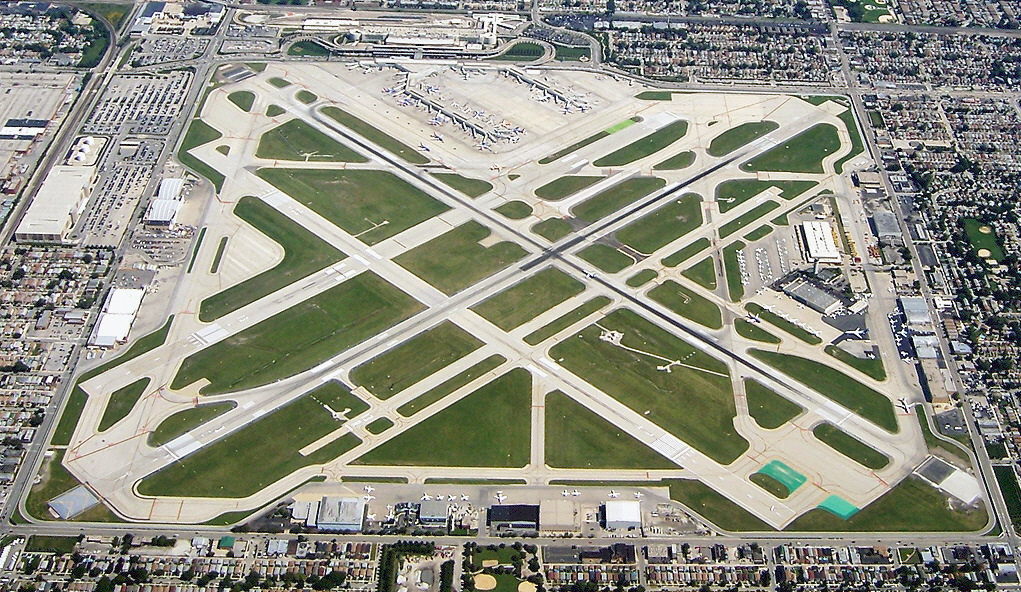
While O’Hare often takes center stage, Midway International Airport (MDW) plays an equally vital role in serving the Chicago metropolitan area. Located about six miles southwest of the Loop, Midway is a more historically significant airport, being one of the world’s oldest and busiest. It opened in 1927 and was originally named Chicago Municipal Airport. It was renamed Midway in 1949 to commemorate the Battle of Midway.
Midway is a major focus city for Southwest Airlines and also serves other low-cost carriers. This focus makes it a popular choice for domestic travelers looking for budget-friendly travel options and convenient access to Chicago. Its proximity to downtown Chicago makes it an attractive option for those who prioritize ease of access to the city center, often translating to shorter transfer times and potentially lower ground transportation costs.
The passenger experience at Midway is designed for efficiency and convenience. While smaller than O’Hare, it still offers a good selection of dining and retail establishments. Travelers can find familiar chain restaurants and local eateries, as well as shops for last-minute necessities. For those needing to stay overnight, there are several airport-adjacent hotels, providing easy access for early flights or late arrivals. The airport’s layout is generally considered more compact and easier to navigate than O’Hare, which can be a significant advantage for travelers with tight schedules or those who prefer a less overwhelming airport environment.
Midway‘s contribution to Chicago‘s tourism and travel ecosystem is substantial. It facilitates travel for a large segment of domestic visitors, enabling them to experience the city’s rich culture, world-class museums like the Art Institute of Chicago, and its renowned culinary scene. The lifestyle options available to visitors arriving via Midway are diverse, catering to both budget-conscious explorers and those seeking more refined experiences within the city.
Beyond the Big Two: Other Airports Serving the Chicago Region
While O’Hare International Airport and Midway International Airport handle the vast majority of commercial passenger traffic, the Chicago metropolitan area is also served by a number of smaller airports. These facilities play crucial roles in supporting general aviation, cargo operations, and specialized air services, contributing to the overall robustness of the region’s aviation infrastructure.
General Aviation and Regional Airfields
The Chicago region is home to several smaller airports that cater primarily to general aviation. These airports are vital for private pilots, flight training, aircraft storage, and business aviation. They offer a more relaxed and personalized aviation experience compared to the bustling international hubs.
One notable example is Chicago Executive Airport (PWK), located in the north suburbs. While not directly within Chicago city limits, it serves a significant portion of the metropolitan area’s private aircraft needs. Similarly, DuPage Airport (DPA), located west of Chicago, is another key general aviation facility. These airports are instrumental in supporting the lifestyle of aviation enthusiasts and businesses that rely on private air travel for efficiency and flexibility. They might not be the first place a tourist lands, but they are an integral part of Chicago‘s extensive air transport network.
Airfields for Specialized Operations
The Chicago area also includes airports dedicated to specific functions, such as cargo operations or emergency services. These facilities, while not typically used by commercial passenger airlines, are essential for the economic vitality and operational efficiency of the region. They ensure that goods can be transported effectively and that vital services are supported by air.
For instance, Gary/Chicago International Airport (GYY), located just across the state line in Gary, Indiana, is often considered in discussions about Chicago-area airports due to its proximity and its ambition to serve the broader Chicago market. While it hosts some commercial flights, its primary focus often leans towards cargo and charter operations, further diversifying the air access to the region.

Navigating Chicago’s Airspace: Choosing the Right Airport
The choice of which airport to fly into or out of when visiting or departing Chicago depends heavily on individual travel plans, preferences, and the specific airlines one is using. Understanding the roles and characteristics of O’Hare International Airport and Midway International Airport, as well as considering the proximity and services of smaller regional airfields, can significantly enhance the travel experience.
For international travelers or those flying with major carriers like United Airlines or American Airlines, O’Hare International Airport is almost invariably the primary gateway. Its vast network ensures global connectivity, and its comprehensive services cater to a wide range of passenger needs, from luxury hotels within the airport to a diverse culinary scene.
Conversely, if you are looking for more budget-friendly domestic travel options, particularly with Southwest Airlines, Midway International Airport often presents a compelling alternative. Its location closer to downtown Chicago can also be a deciding factor for those prioritizing quick access to the city’s attractions, such as the Navy Pier or the Magnificent Mile.
Ultimately, the number of airports serving Chicago, IL, USA is more than just a simple count; it’s a reflection of the city’s importance as a global hub. The interplay between its major international gateways and its supporting regional airfields creates a dynamic and efficient aviation ecosystem. This network empowers travelers to explore Chicago‘s landmarks, experience its vibrant local culture, and indulge in its diverse lifestyle offerings with ease and flexibility. Whether you’re arriving for a sophisticated resort stay or a bustling family trip, Chicago‘s air transport infrastructure is designed to welcome you.
LifeOutOfTheBox is a participant in the Amazon Services LLC Associates Program, an affiliate advertising program designed to provide a means for sites to earn advertising fees by advertising and linking to Amazon.com. Amazon, the Amazon logo, AmazonSupply, and the AmazonSupply logo are trademarks of Amazon.com, Inc. or its affiliates. As an Amazon Associate we earn affiliate commissions from qualifying purchases.