
Chicago, the vibrant heart of the American Midwest, is not just a renowned hub for culture, finance, and innovation, but also a critical nexus in the global aviation network. For travelers planning a visit to this magnificent city, or simply passing through, understanding its airport infrastructure is key to a smooth journey. So, how many airports does Chicago truly have? While the city boasts a comprehensive network of airfields, primarily two major international airports serve the vast majority of commercial passengers, supported by several regional and general aviation facilities that cater to diverse travel needs, from corporate jets to private charters. This intricate web of airports ensures that Chicago remains one of the most accessible and connected cities in the world, facilitating millions of journeys annually for business, tourism, and family visits.
Navigating the choices of airports can seem daunting, but each facility offers unique advantages depending on your destination within the broader Chicago metropolitan area, your budget, preferred airline, and overall travel style. From luxury travel experiences to budget-conscious family trips, Chicago’s airports are designed to accommodate a spectrum of needs. We’ll delve into each of these vital air travel gateways, providing insights into their operations, services, and how they connect you to the myriad attractions and accommodations that make Chicago an unforgettable destination.
Chicago’s Primary International Gateways
When people ask about airports in Chicago, their minds most often turn to the two giants that handle the bulk of commercial air traffic: O’Hare International Airport and Midway International Airport. These two facilities are cornerstones of both domestic and international travel, offering distinct experiences and serving different segments of the travel market.
O’Hare International Airport (ORD): A Global Aviation Hub
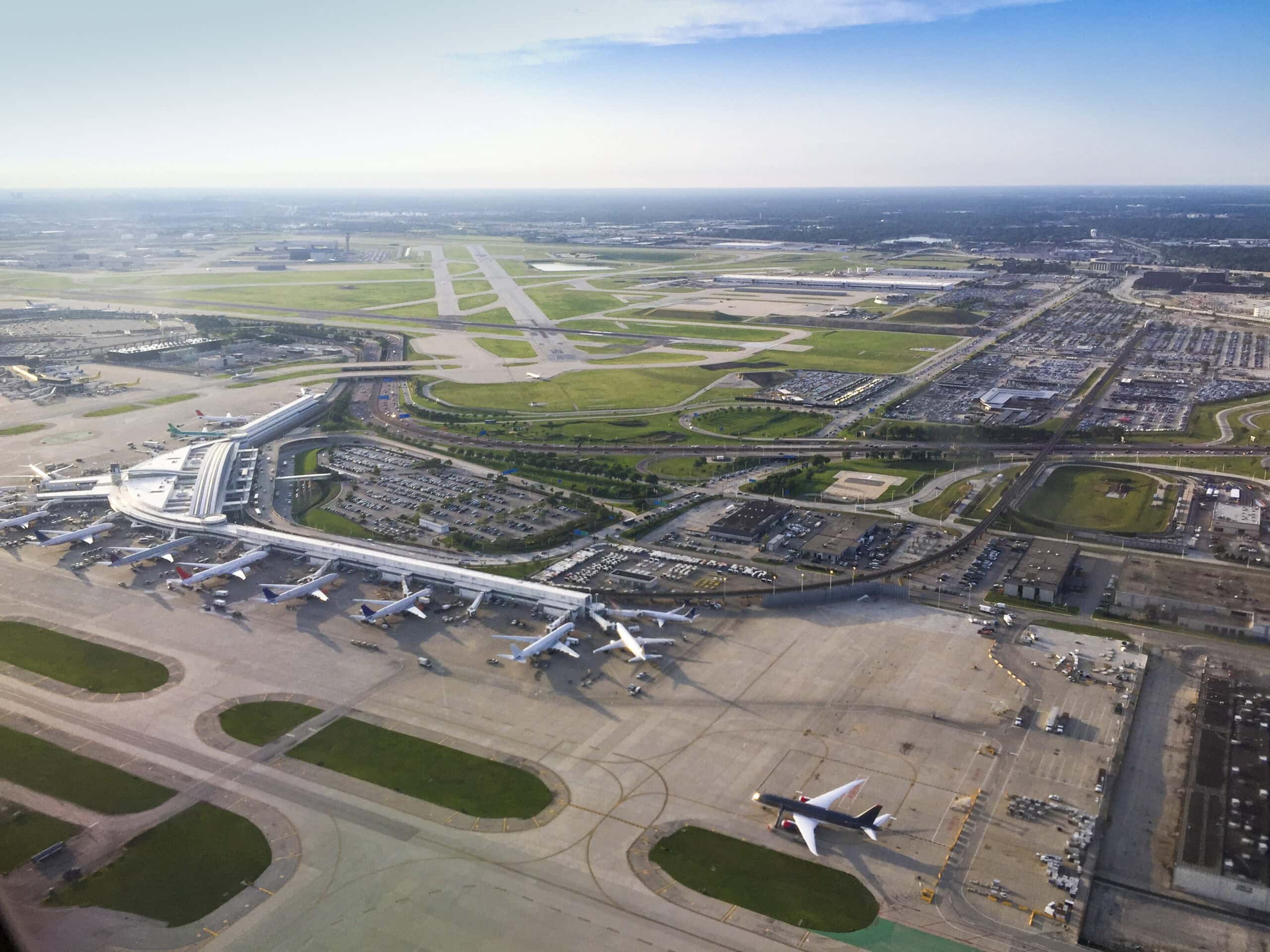
Located approximately 17 miles northwest of downtown Chicago, O’Hare International Airport (ORD) stands as one of the busiest and most iconic airports in the world. Its sheer scale and operational capacity are staggering, boasting four active passenger terminals and nine concourses, designed to handle an astounding volume of flights and passengers each day. O’Hare’s historical significance is immense, having pioneered many concepts now standard in modern aviation, including the hub-and-spoke system. Today, it remains a critical hub for two of the world’s largest airlines, United Airlines and American Airlines, among countless other domestic and international carriers.
For travelers, O’Hare offers an unparalleled network of non-stop flights to destinations across the globe, making it the preferred choice for international visitors and those connecting to distant locales. The airport’s facilities are extensive, reflecting its status as a premier global gateway. Passengers can find an array of dining options, from quick bites to upscale restaurants, alongside a diverse selection of retail stores for last-minute souvenirs or luxury shopping. Business travelers and those seeking a more exclusive experience can enjoy numerous airline lounges offering comfort and amenities. For layovers or early morning flights, the Hilton Chicago O’Hare Airport is conveniently located directly within the airport complex, providing direct access to terminals via underground walkways. Other prominent nearby hotels cater to various budgets, including the Hyatt Regency O’Hare Chicago and the Loews Chicago O’Hare Hotel, all offering shuttle services.
Ground transportation from O’Hare to downtown Chicago is highly efficient. The CTA Blue Line train provides a direct and affordable connection to the Loop and other key neighborhoods, operating 24/7. Taxis, ride-sharing services, and various shuttle buses are also readily available, alongside numerous car rental agencies for those planning to explore the greater Chicago area or embark on road trips to neighboring states like Indiana. While O’Hare’s size can sometimes mean longer walks and security lines, its comprehensive services and vast connectivity make it an indispensable asset for global travel.
Midway International Airport (MDW): The Convenient Choice
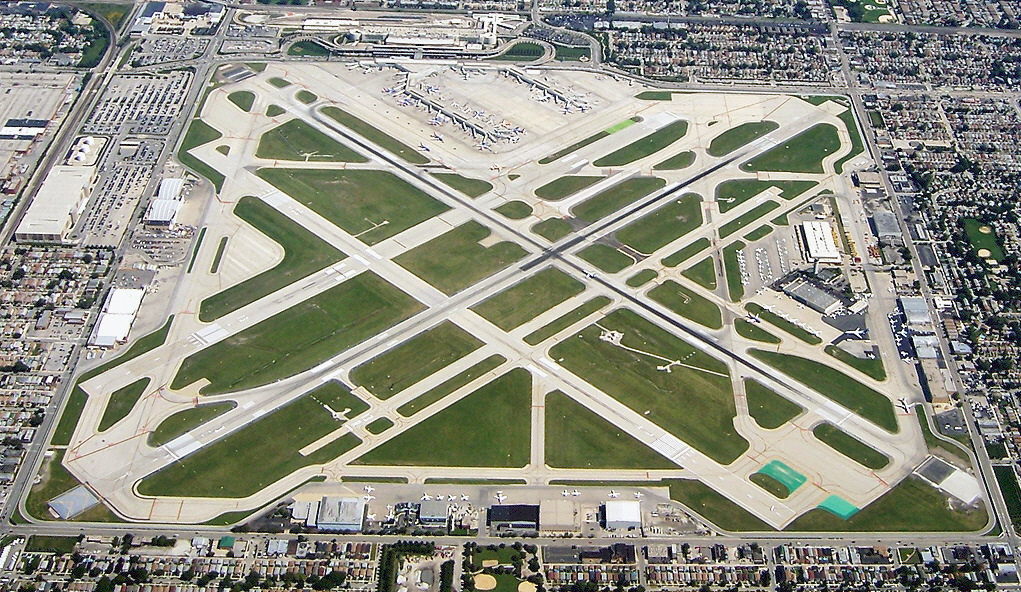
Situated approximately 11 miles southwest of downtown Chicago, Midway International Airport (MDW) offers a stark contrast to O’Hare’s grandeur. Once the busiest airport in the United States, Midway retains a significant role in Chicago’s aviation landscape, particularly appealing to travelers seeking convenience and efficiency. Its proximity to the city center and more compact layout often result in quicker transit times from plane to curb, making it a popular choice for domestic travelers and those on shorter trips.
Midway is predominantly known as a major hub for Southwest Airlines, offering extensive low-cost flights across the United States. Other carriers such as Delta and Allegiant also operate from Midway, providing a strong network of domestic destinations and some international flights to popular vacation spots in Mexico and the Caribbean. Despite being smaller than O’Hare, Midway provides all the essential services travelers need, including a decent selection of restaurants, cafes, and retail outlets.
The journey from Midway to downtown Chicago is exceptionally convenient thanks to the CTA Orange Line. This elevated train line offers direct access to the Loop in about 20-25 minutes, providing scenic views of the city skyline along the way. Taxis, ride-sharing services, and car rentals are also readily available. For accommodation, several comfortable hotels are located just minutes from the terminal, such as the Hyatt Place Chicago Midway Airport and the Holiday Inn Chicago – Midway Airport, offering complimentary shuttles. Midway is often favored by budget travelers, families, and those on business trips where time is of the essence, representing a perfect blend of affordability and accessibility.
Beyond the Major Hubs: Regional and General Aviation Airports
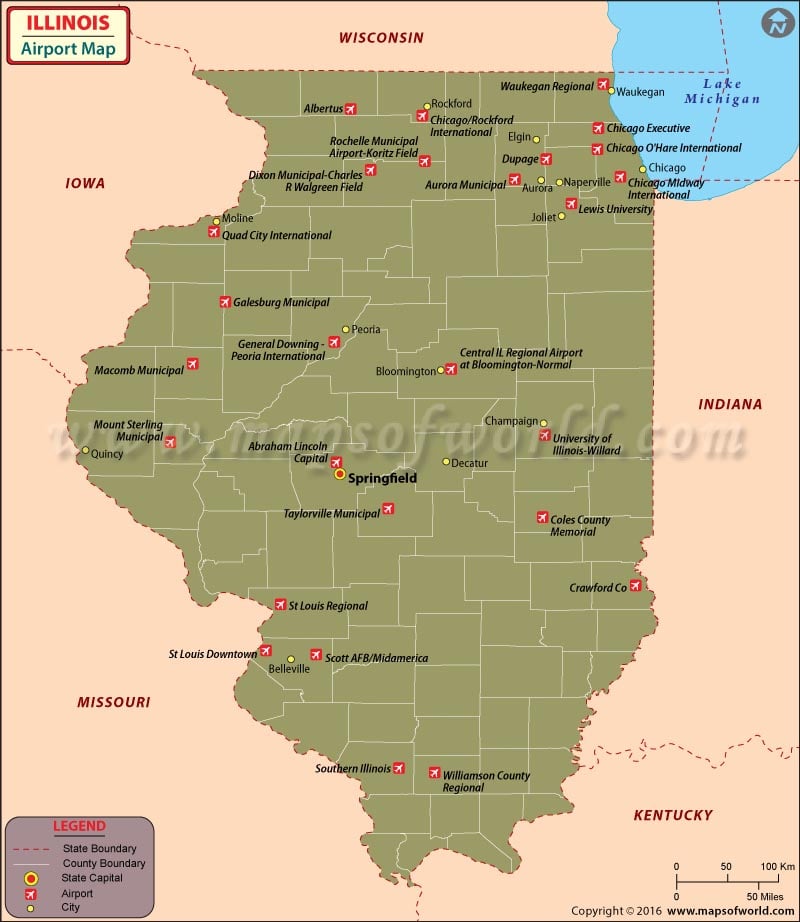
While O’Hare and Midway cater to the vast commercial market, Chicago’s aviation ecosystem is further enriched by several other airports that serve specific niches, from private jets to cargo operations and flight training. These facilities play a crucial role in supporting the broader travel and lifestyle needs of the metropolitan area.
Chicago Executive Airport (PWK): For Private and Business Aviation
Located in the northwest suburbs of Chicago, Chicago Executive Airport (PWK) is a bustling general aviation airport that focuses primarily on corporate and private aircraft. It serves as a vital gateway for business travelers, executives, and those who prefer the efficiency and privacy of charter flights. With its modern facilities, multiple runways, and a range of fixed-base operators (FBOs) offering services like fueling, maintenance, and hangar space, PWK is a cornerstone for luxury travel and time-sensitive business engagements. The airport contributes significantly to the region’s economy by facilitating rapid connections for businesses and offering a seamless travel experience often associated with a high-end lifestyle. For many corporations and individuals, this airport is their true “front door” to Chicago, bypassing the commercial crowds and procedures.
Gary/Chicago International Airport (GYY): A Developing Alternative
Just across the state line in Gary, Indiana, approximately 25 miles southeast of downtown Chicago, lies Gary/Chicago International Airport (GYY). This airport is unique in its designation, serving both as a general aviation facility and having significant potential for future commercial expansion, particularly for cargo operations and as an alternative passenger gateway. While it currently offers limited scheduled commercial flights, GYY serves as an important reliever airport and provides another option for private and charter services, especially for those heading to the south side of Chicago or into Indiana. Its less congested airspace and modern infrastructure make it an attractive prospect for airlines seeking growth opportunities outside the highly saturated O’Hare and Midway markets. It also plays a role in regional tourism, offering easier access to parts of the greater Chicago metropolitan area.
Other Smaller Airports and Airfields
Beyond these more prominent facilities, the broader Chicago metropolitan area is home to several smaller airports and airfields primarily dedicated to general aviation, flight training, and recreational flying. Examples include Lewis University Airport in Romeoville and Aurora Municipal Airport in Sugar Grove, among others. These smaller fields are crucial for fostering aviation talent, supporting local businesses that rely on air access, and providing infrastructure for private pilots. While they do not handle commercial passenger traffic, they are integral components of Chicago’s comprehensive air transportation network, reflecting the city’s deep-rooted connection to aviation at all levels.
Choosing Your Chicago Airport: Tips for Travelers
Deciding which Chicago airport to fly into can significantly impact your travel experience, from the moment you land to your arrival at your final destination. When planning your trip, consider these factors, which align with various aspects of travel, accommodation, tourism, and lifestyle choices.
Accommodation and Accessibility
The location of your accommodation in Chicago is a primary consideration. If you’re staying downtown or on the north side, O’Hare might offer more direct public transit options with the CTA Blue Line. However, if your lodging is closer to the south side or west side, Midway with its CTA Orange Line might be a more efficient choice. Many travelers opt for hotels conveniently located near either airport, particularly for early departures or late arrivals. For example, staying at the Hilton Chicago O’Hare Airport or the Hyatt Place Chicago Midway Airport can minimize stress.
Beyond airport hotels, Chicago offers a vast array of accommodation options, from luxury resorts and boutique hotels in the city center to budget-friendly apartments and long-term stay residences in diverse neighborhoods. Consider the overall travel time and cost from each airport to your specific lodging. Public transportation, including the CTA train lines, offers reliable and cost-effective access. For those preferring more flexibility, car rental services are available at both major airports, along with ample parking facilities, though city driving and parking can be challenging. Ride-sharing services and taxis provide door-to-door convenience but can be more expensive, especially during peak hours.
Maximizing Your Chicago Experience
Your choice of airport can also influence your overall tourism and lifestyle experience in Chicago. If your trip is focused on specific landmarks or cultural attractions, evaluate which airport offers the quickest route. For example, accessing popular downtown attractions like Millennium Park, the Art Institute of Chicago, or the bustling shops along the Magnificent Mile is relatively straightforward from both O’Hare and Midway via CTA trains. However, the slightly shorter ride from Midway can be a deciding factor for those eager to start their exploration without delay.
For budget travelers and families, Midway often provides more affordable flight options, particularly with carriers like Southwest Airlines, and its smaller scale can make for a less overwhelming experience with children. Conversely, business travelers or those seeking luxury travel might prefer O’Hare for its broader international connections, extensive airline lounge access, and premium amenities. First-time visitors should also consider the ease of navigation; while O’Hare is well-signposted, its sheer size can be daunting. Planning your ground transportation in advance, regardless of your chosen airport, is always recommended to ensure a smooth transition into the city’s vibrant local culture, famous food scene (hello, deep-dish pizza!), and endless activities, from exploring Navy Pier to discovering architectural wonders.
Ultimately, Chicago’s diverse airport offerings mean there’s a perfect gateway for every traveler. By considering your specific needs, itinerary, and travel preferences, you can make an informed decision that enhances your entire visit to this incredible city.
In conclusion, Chicago is served by two primary commercial airports, O’Hare International Airport and Midway International Airport, which handle the vast majority of passenger traffic. These are complemented by important general aviation facilities like Chicago Executive Airport and the developing Gary/Chicago International Airport, along with several smaller airfields. This robust and diverse aviation infrastructure ensures that Chicago remains a leading destination and gateway for travelers worldwide, offering flexibility and connectivity for every type of journey. Whether you’re flying in for a quick business meeting, a leisurely family vacation, or embarking on a global adventure, Chicago’s airports are ready to welcome you to the heart of the Midwest.
LifeOutOfTheBox is a participant in the Amazon Services LLC Associates Program, an affiliate advertising program designed to provide a means for sites to earn advertising fees by advertising and linking to Amazon.com. Amazon, the Amazon logo, AmazonSupply, and the AmazonSupply logo are trademarks of Amazon.com, Inc. or its affiliates. As an Amazon Associate we earn affiliate commissions from qualifying purchases.