
Florida, the Sunshine State, is a magnet for travelers worldwide, drawing millions each year with its pristine beaches, vibrant cities, world-class theme parks, and unique natural wonders. Given its immense popularity as a travel destination, it’s no surprise that a robust and extensive air travel infrastructure is essential for facilitating this constant flow of visitors. So, just how many airports are there in Florida? The answer is more complex than a simple number, reflecting a diverse network designed to serve everything from international tourism and bustling business hubs to regional connections and private aviation.
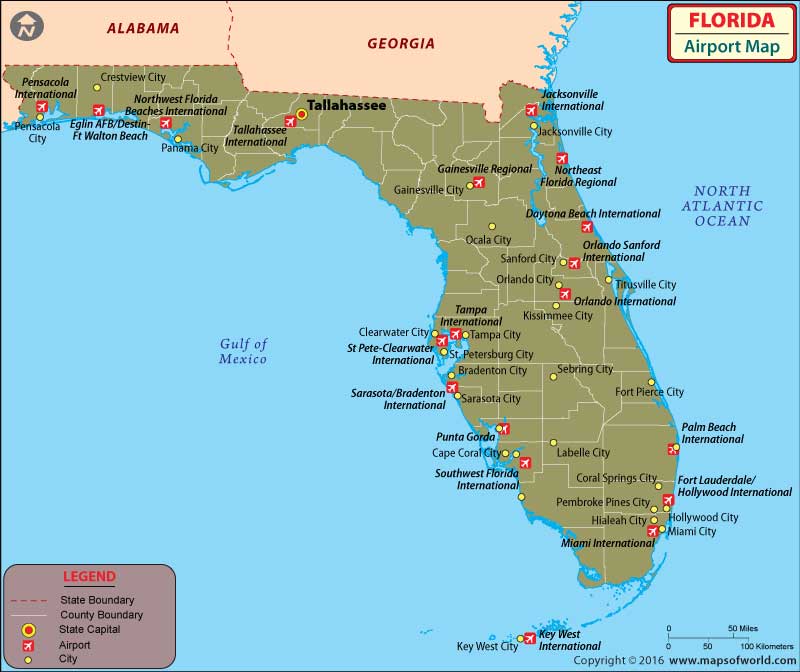
While specific numbers can fluctuate due to operational changes and classification, Florida boasts over 130 public-use airports. This impressive figure includes everything from major international gateways handling millions of passengers annually to smaller regional airports, general aviation facilities catering to private planes, and even heliports. This vast network is strategically distributed across the state, ensuring that whether your destination is the magical theme parks of Orlando, the vibrant nightlife of Miami, the serene beaches of the Gulf Coast, or the historic charm of St. Augustine, there’s an airport nearby to welcome you.
Understanding this intricate web of airports is key to planning an optimal Florida itinerary, choosing the right accommodation, and fully experiencing the diverse lifestyle offerings of the state. From luxurious resorts adjacent to major terminals to quaint boutique hotels near regional airstrips, the choice of airport significantly impacts your travel experience, dictating convenience, accessibility, and even the flavor of your adventure.
Florida’s Major International Gateways: Hubs of Global Travel
The backbone of Florida’s air travel system consists of its large international airports. These serve as crucial entry points for millions of tourists and business travelers from across North America, Latin America, Europe, and beyond, connecting the Sunshine State to the rest of the world. These airports are not just transit points; they are economic engines, surrounded by a plethora of accommodation options, rental car services, and ground transportation networks that funnel visitors directly into Florida’s vibrant tourism industry.
Miami International Airport (MIA)
Located in Miami, this is Florida’s busiest airport and a vital gateway to the Caribbean and Latin America. MIA is a major hub for international travel, reflecting Miami’s status as a global city. Travelers arriving here are often headed for the glamorous South Beach with its iconic South Beach Art Deco Historic District, the upscale boutiques of the Miami Design District, or the vibrant street art of Wynwood Walls. Accommodation options abound, from luxury stays like the Fontainebleau Miami Beach to a wide range of boutique hotels and serviced apartments in downtown Miami. For those seeking nature, Everglades National Park and Biscayne National Park are also within reach. The Port of Miami, the self-proclaimed “Cruise Capital of the World,” is also easily accessible, making MIA a prime choice for cruise passengers.
Orlando International Airport (MCO)
Serving the theme park capital of the world, MCO is the second busiest airport in Florida and a primary entry point for families and leisure travelers. Its proximity to iconic attractions like Walt Disney World Resort, Universal Orlando Resort, and SeaWorld Orlando makes it incredibly popular. The surrounding areas of Lake Buena Vista, Kissimmee, and International Drive are dotted with every conceivable type of accommodation, from sprawling family resorts such as the Hyatt Regency Grand Cypress and Gaylord Palms Resort & Convention Center to budget-friendly suites and villas. Luxury options like the Four Seasons Resort Orlando at Walt Disney World Resort, the Ritz-Carlton, Orlando, Grande Lakes and the Orlando World Center Marriott cater to discerning travelers. MCO is a true hub of family fun and entertainment.
Fort Lauderdale-Hollywood International Airport (FLL)
Situated just north of Miami, FLL serves as an alternative gateway to South Florida and is known for its budget airline options. It’s a convenient choice for visitors heading to Fort Lauderdale’s beautiful beaches, its bustling Riverwalk, or those planning a cruise from Port Everglades. The airport’s accessibility to Hollywood also makes it popular. Notable accommodations include the luxurious The Diplomat Beach Resort Hollywood, Curio Collection by Hilton and the lively Margaritaville Hollywood Beach Resort, offering direct beach access and vibrant entertainment options.
Tampa International Airport (TPA)
Consistently ranked among the best airports in the United States for passenger experience, TPA serves the vibrant Tampa Bay area. Travelers arriving here can explore the dynamic city of Tampa, famous for attractions like Busch Gardens Tampa Bay, ZooTampa at Lowry Park, and its revitalized waterfront. It’s also an excellent choice for those heading to the stunning beaches of Clearwater and St. Petersburg. Resorts such as the JW Marriott Tampa Water Street and the historic The Don CeSar on St. Pete Beach offer luxurious stays, while numerous hotels cater to both business and leisure travelers in downtown Tampa and along the coast. Landmarks like the St. Petersburg Pier and the Salvador Dalí Museum are easily accessible from TPA.
Other Significant International Airports
- Southwest Florida International Airport (RSW) in Fort Myers: This airport is the primary gateway to Southwest Florida’s pristine beaches and islands, including Fort Myers Beach, Sanibel Island, Captiva Island, Naples, and Marco Island. It’s a popular choice for those seeking a more relaxed, nature-focused vacation, with ample opportunities for shelling, boating, and wildlife viewing.
- Jacksonville International Airport (JAX): Serving Northeast Florida, JAX connects visitors to the largest city by landmass in the continental United States. Travelers often head to Jacksonville’s extensive park system, the St. Johns River, the Jacksonville Zoo and Gardens, or the upscale golf resorts of Ponte Vedra Beach and the historic city of St. Augustine.
- Palm Beach International Airport (PBI): A convenient choice for visitors to Palm Beach County, known for its luxury lifestyle, high-end shopping, and vibrant arts scene. Resorts like The Breakers Palm Beach offer unparalleled indulgence, while cultural attractions and beautiful beaches are just a short drive away.
- Northwest Florida Beaches International Airport (ECP) in Panama City Beach: This relatively newer airport serves the popular Panama City Beach area, known for its stunning white sand beaches along the Emerald Coast and vibrant family-friendly attractions.
- Sarasota-Bradenton International Airport (SRQ): Located strategically between Sarasota and Bradenton, SRQ provides convenient access to the region’s cultural attractions, including the Ringling Museum, and the renowned beaches of Siesta Key Beach and Anna Maria Island.
- Melbourne Orlando International Airport (MLB): Serving Florida’s Space Coast, MLB is ideal for those visiting the Kennedy Space Center, Cocoa Beach, or embarking on a cruise from Port Canaveral.
Regional and General Aviation Airports: Connecting Every Corner of the Sunshine State
Beyond the major international hubs, Florida’s extensive network includes numerous regional and general aviation airports. These facilities play a crucial role in enhancing accessibility to smaller communities, supporting local economies, facilitating business travel, and catering to the vibrant private aviation sector.
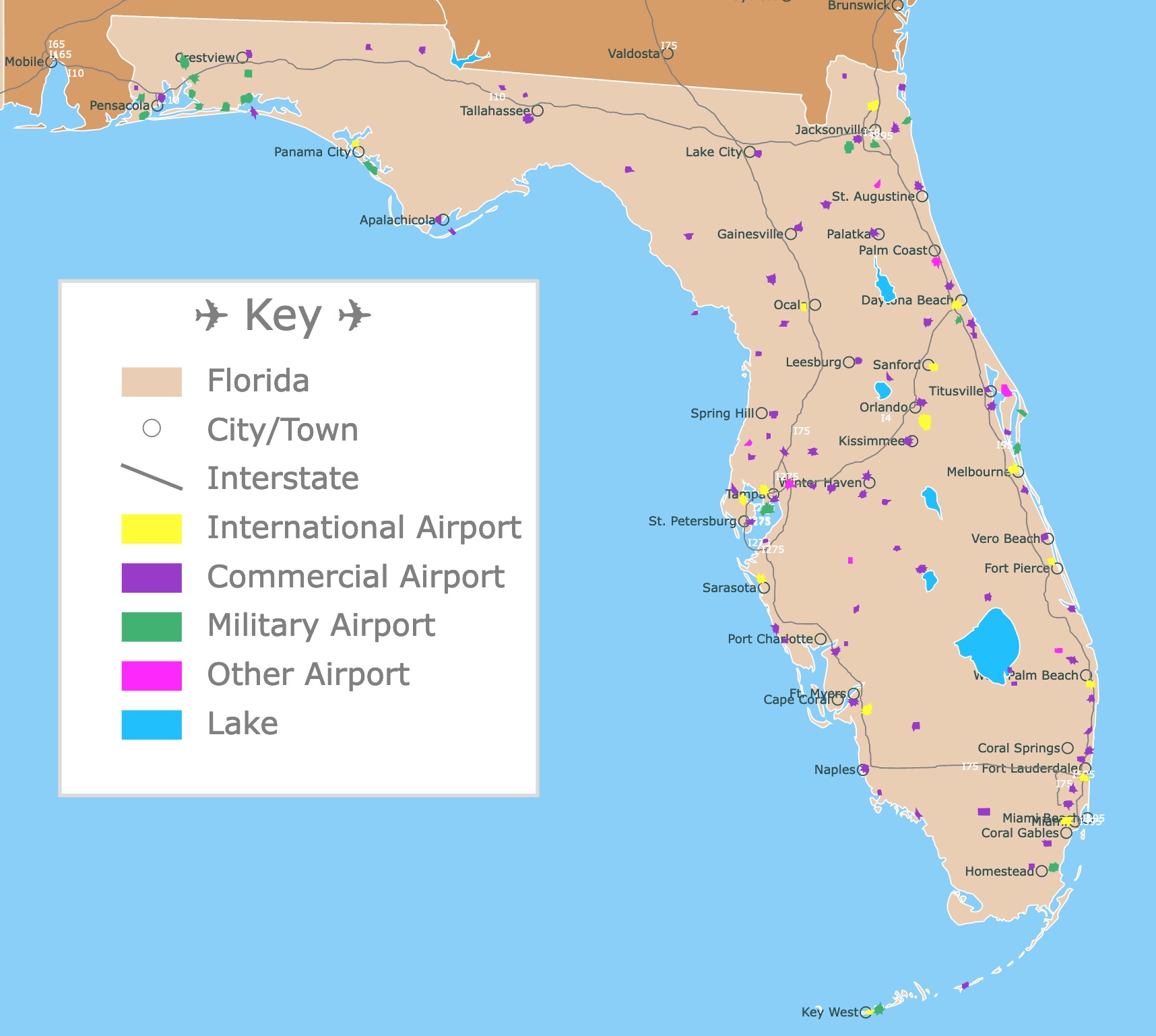
Secondary Commercial Airports
These airports often serve specific regional populations or act as alternative, less congested options to the larger international airports, frequently offering flights from budget airlines.
- Orlando Sanford International Airport (SFB): A popular alternative for budget-conscious travelers heading to the Orlando area, SFB primarily hosts leisure airlines and is well-connected to the theme parks via shuttle services.
- St. Pete–Clearwater International Airport (PIE): A convenient option for those visiting Clearwater Beach and St. Petersburg, PIE is largely dominated by low-cost carriers, offering a direct route to the beautiful Gulf Coast region.
- Pensacola International Airport (PNS): Serving Northwest Florida and the Panhandle, PNS is an important gateway to the historic city of Pensacola, the stunning Pensacola Beach, and attractions like the National Naval Aviation Museum at Naval Air Station Pensacola.
- Destin-Fort Walton Beach Airport (VPS): For travelers heading to the popular tourist destinations of Destin and Fort Walton Beach along the Emerald Coast, VPS is the most direct access point. Visitors can enjoy the Destin Harbor Boardwalk and the Gulfarium Marine Adventure Park.
- Key West International Airport (EYW): The southernmost airport in the continental United States, EYW is the magical portal to Key West and The Florida Keys. While flights can be pricier, the convenience of landing directly in Key West and immediately diving into its unique atmosphere, historic sites like the Key West Historic Seaport, and vibrant culture is often worth the investment, particularly for those looking for a luxurious escape.
- Daytona Beach International Airport (DAB): Serving the iconic Daytona Beach area, DAB is ideal for motorsport enthusiasts visiting the Daytona International Speedway, beach lovers, or those exploring the nearby Marine Science Center and New Smyrna Beach.
- Tallahassee International Airport (TLH): As the gateway to Florida’s capital city, TLH primarily serves government, business, and academic travelers visiting Florida State University or local government institutions.
- Gainesville Regional Airport (GNV): Connects travelers to the university town of Gainesville, home to the University of Florida, and the surrounding North Central Florida region known for its natural springs and outdoor activities.
- Punta Gorda Airport (PGD): A rapidly growing airport on Florida’s Gulf Coast, PGD has become a popular alternative for budget airlines, serving the charming city of Punta Gorda and nearby coastal communities.
- Vero Beach Regional Airport (VRB): This airport offers limited commercial service but is important for private and corporate travel, serving the upscale community of Vero Beach on the Atlantic Coast, known for its cultural scene and quiet beaches.
General Aviation Airports
The vast majority of Florida’s airports fall under the category of general aviation (GA). These facilities cater to private pilots, corporate jets, flight training schools, air ambulances, and various other non-commercial operations. They are vital for business travel, emergency services, and recreational flying, allowing visitors to reach even the most remote or exclusive destinations with personalized travel plans. Many GA airports are located near smaller towns or natural attractions, offering unique access points away from the bustling crowds of commercial terminals. This segment of Florida’s air infrastructure supports a distinct lifestyle of luxury travel and bespoke itineraries, connecting travelers directly to private villas, secluded resorts, or even personal beachfront properties.
Choosing Your Airport: A Traveler’s Guide to Florida Adventures
Selecting the right airport is a critical first step in planning your Florida getaway. The “best” airport depends entirely on your final destination, travel priorities, and desired experience.
Proximity to Your Destination
- Theme Parks: For Walt Disney World Resort or Universal Orlando Resort, MCO is generally the most convenient, offering a wide array of ground transport options, including resort shuttles. SFB is a good budget alternative, though further out.
- Beaches:
- Atlantic Coast: FLL or MIA for South Florida beaches like South Beach and Fort Lauderdale. PBI for Palm Beach. DAB for Daytona Beach. JAX for Amelia Island and St. Augustine.
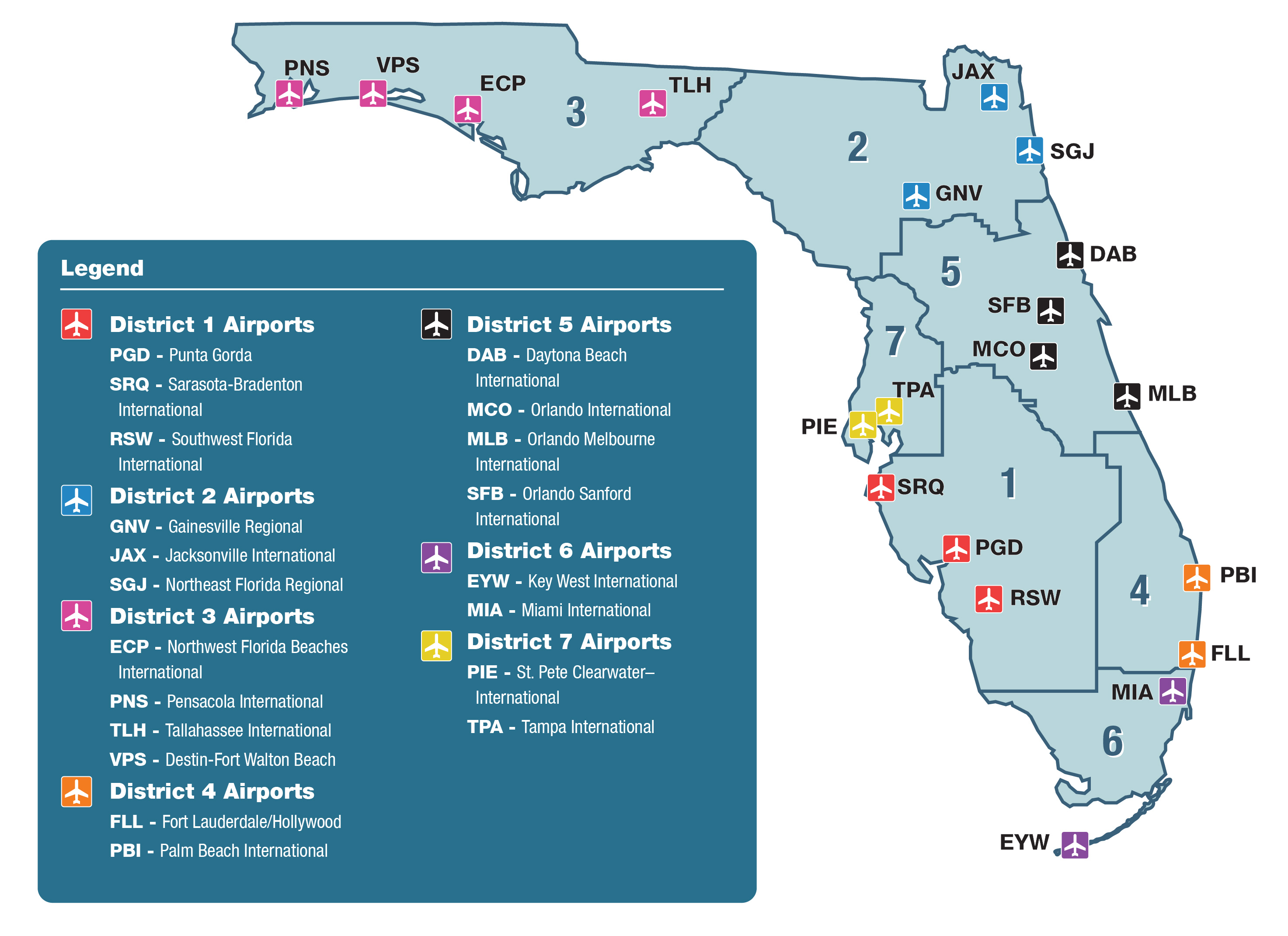
- Gulf Coast: TPA or PIE for Clearwater Beach and St. Pete Beach. SRQ for Sarasota and Bradenton. RSW or PGD for Southwest Florida beaches and islands. PNS, VPS, or ECP for the Panhandle and Emerald Coast.
- The Florida Keys: EYW is ideal for Key West. For other Keys destinations, flying into MIA and driving down is often the most practical and scenic option.
Cost and Airlines
Budget airlines often utilize secondary airports like SFB, PIE, and PGD, which can result in significant savings on airfare. However, consider the additional cost and time for ground transportation to your final destination, as these airports might be further away from major attractions.
Ground Transportation and Accommodation
Major airports typically offer a wider range of rental car companies, ride-sharing services, and public transportation links (like the MIA Mover or Brightline access). The areas surrounding these airports also host an extensive selection of hotels, from budget-friendly chains to luxury resorts designed to cater to arriving and departing travelers. For instance, hotels like the Hyatt Regency Orlando International Airport are integrated directly into the terminal, offering unparalleled convenience. Meanwhile, family-friendly accommodations near Walt Disney World Swan and Dolphin Resort or Universal’s Hard Rock Hotel are strategically placed for easy access to parks.
Lifestyle and Experience
Your choice of airport can also reflect the type of Florida lifestyle you seek. For a vibrant, cosmopolitan experience with high-end shopping and dining, flying into MIA or PBI makes sense. If your focus is on family fun and theme parks, MCO is your best bet. For a relaxed beach vacation, RSW or SRQ offer direct access to serene coastal towns. Private and general aviation airports cater to an even more bespoke experience, allowing travelers to arrive directly at destinations like exclusive golf resorts, private islands, or remote natural preserves such as Big Cypress National Preserve, embodying the pinnacle of luxury travel and convenience.
The Enduring Impact of Florida’s Air Infrastructure
The sheer number and diversity of airports in Florida underscore the state’s critical role as a global tourism powerhouse and a hub for diverse industries. This extensive air infrastructure doesn’t just transport people; it fuels economic growth, creates jobs, and sustains the vibrant tourism industry that is so central to Florida’s identity. It enables local culture to flourish through easier access for both domestic and international visitors, promotes regional commerce by connecting businesses, and ensures that all of Florida’s unique destinations—from the bustling Port Canaveral cruise terminals to the tranquil springs of Central Florida—are within reach.
Whether you’re planning a luxurious family trip to a Walt Disney World Resort hotel, a romantic getaway to the Keys, or a business stay in Tallahassee, understanding the landscape of Florida’s airports is paramount. It allows you to make informed decisions about booking, accommodation, and overall travel logistics, setting the stage for an unforgettable experience in the Sunshine State. With over 130 public-use airports, Florida truly has an open door, or rather, an open runway, for every type of traveler.
LifeOutOfTheBox is a participant in the Amazon Services LLC Associates Program, an affiliate advertising program designed to provide a means for sites to earn advertising fees by advertising and linking to Amazon.com. Amazon, the Amazon logo, AmazonSupply, and the AmazonSupply logo are trademarks of Amazon.com, Inc. or its affiliates. As an Amazon Associate we earn affiliate commissions from qualifying purchases.