
The question of “How many airports in Los Angeles?” is more complex than a simple number. While most people immediately think of Los Angeles International Airport (LAX), the sprawling metropolitan area of Los Angeles is served by a surprisingly extensive network of aviation facilities. These range from major international hubs catering to millions of travelers annually to smaller, regional airports that play a crucial role in local transport, general aviation, and even specialized industries like aerospace. Understanding this network is vital for anyone planning travel to, from, or within Southern California.
Navigating the Skies: The Major Players
When discussing airports in Los Angeles, it’s essential to differentiate between the primary international gateways and the other significant aviation facilities that contribute to the region’s connectivity.
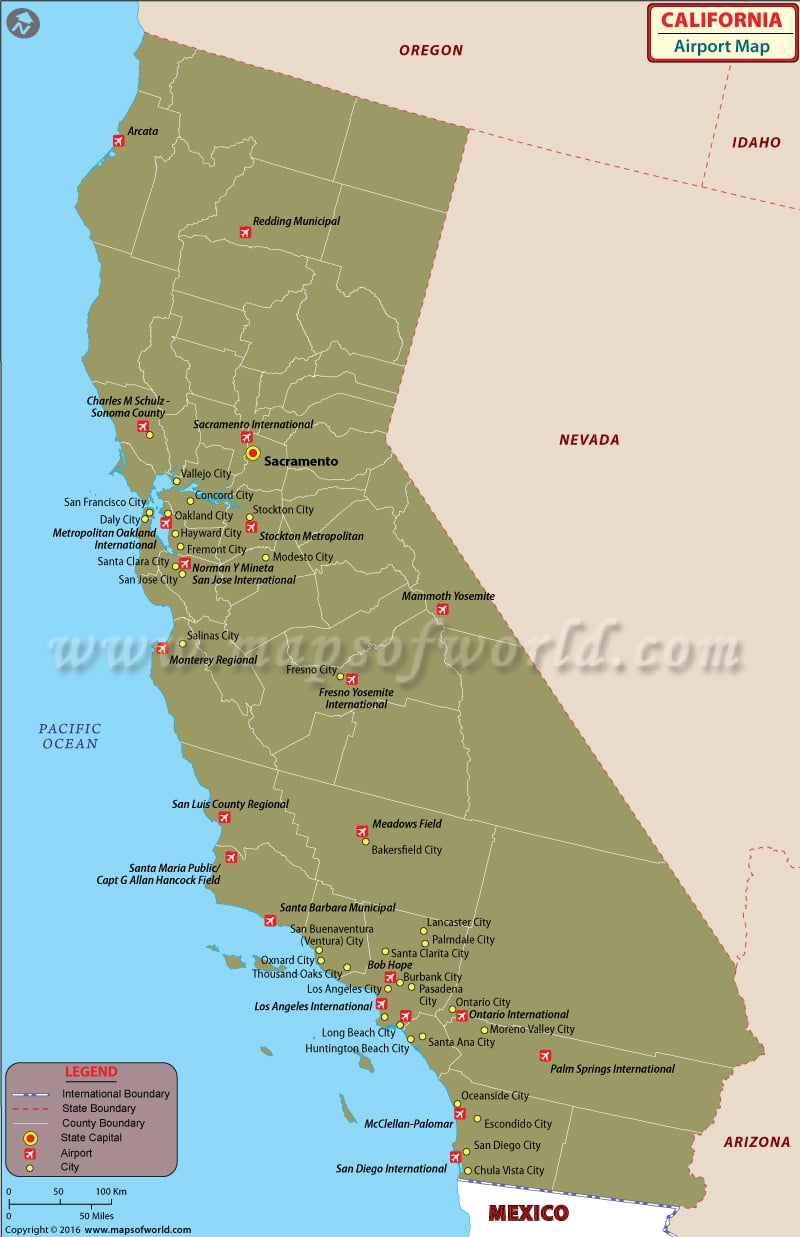
Los Angeles International Airport (LAX): The Grand Gateway
Los Angeles International Airport, or LAX, is undoubtedly the crown jewel of aviation in Los Angeles County. As one of the busiest airports in the United States and the world, LAX handles an immense volume of both domestic and international flights. Its iconic Theme Building, a mid-century modern architectural marvel, stands as a symbol of the city’s status as a global crossroads.
LAX is a massive complex featuring nine passenger terminals, each serving a different set of airlines. This sprawling layout can be daunting for first-time visitors, but ongoing renovations and infrastructure improvements are aimed at enhancing the passenger experience. The airport is a major hub for American Airlines, Delta Air Lines, United Airlines, and a significant base for Southwest Airlines. For international travelers, LAX is a primary port of entry for flights from Asia, Europe, and Latin America.
The sheer scale of operations at LAX means it’s not just a transit point; it’s a destination in itself for many. Its accessibility to popular Los Angeles attractions like the Santa Monica Pier, Hollywood, and the Getty Center makes it a convenient starting point for exploring the region.
Other Major Airports Serving the Greater Los Angeles Area
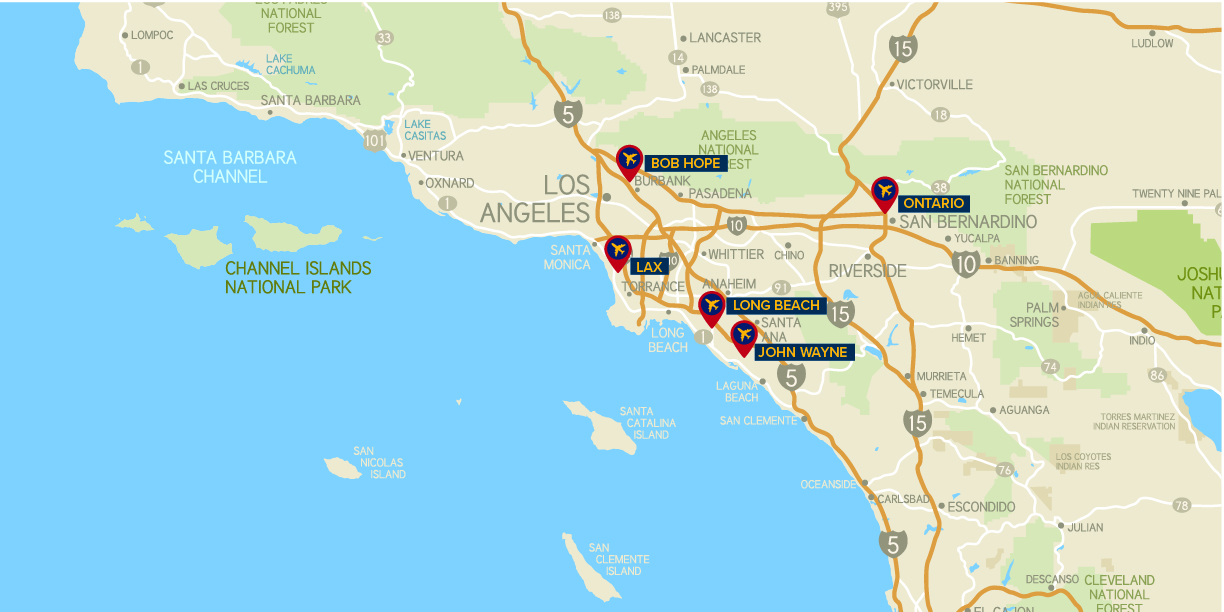
While LAX is the dominant force, the Los Angeles metropolitan area is also served by several other significant airports, each with its own unique role and appeal. These airports often provide alternatives for travelers looking to avoid the crowds at LAX or seeking direct flights to specific parts of the sprawling region.
Hollywood Burbank Airport (BUR): Convenience and Charm
Known more commonly as Burbank Airport, this airport offers a more intimate and often less chaotic experience compared to LAX. Located in the heart of the San Fernando Valley, Burbank Airport is a popular choice for those visiting Burbank, Glendale, and the surrounding areas. It’s a favorite for many in the entertainment industry, given its proximity to major film studios and production facilities.
Burbank Airport is primarily served by domestic carriers, with a focus on shuttle and short-haul flights. Its manageable size and streamlined operations make it an attractive option for business travelers and tourists alike. The airport is also known for its efforts towards environmental sustainability and its community-friendly approach.
Long Beach Airport (LGB): A Quaint and Efficient Option
Long Beach Airport (LGB) is another valuable asset to the Los Angeles air travel network. Nestled within the city of Long Beach, this airport offers a pleasant and efficient travel experience. Its distinctive Spanish Colonial Revival architecture adds a touch of charm that is rarely found in modern airports.
LGB is served by a select group of airlines, focusing on domestic routes. Its convenient location makes it ideal for travelers heading to Long Beach itself, the Queen Mary, or the nearby Disneyland Resort in Anaheim. The airport is known for its relatively short security lines and easy access to ground transportation.
John Wayne Airport (SNA): Serving Orange County
While technically located in Orange County, John Wayne Airport (SNA) is a crucial gateway for a significant portion of the Southern California population and a viable alternative for those traveling to the southern reaches of the Los Angeles metropolitan area. SNA is named after the legendary film star and is known for its aesthetic design, which incorporates art and cultural exhibits.
John Wayne Airport primarily handles domestic flights and is a hub for airlines like Southwest Airlines, American Airlines, and United Airlines. Its proximity to popular destinations like Newport Beach, Laguna Beach, and the aforementioned Disneyland Resort makes it a strategic choice for many travelers. The airport has strict noise abatement policies, contributing to its generally quieter atmosphere.

Beyond the Major Hubs: Regional and General Aviation Airports
The aviation landscape of Los Angeles extends far beyond the major commercial airports. A robust network of smaller airports caters to a diverse range of needs, from private aircraft and flight training to cargo operations and specialized aviation activities.
Ontario International Airport (ONT): A Growing Force in the Inland Empire
Ontario International Airport (ONT) serves the eastern part of the Los Angeles metropolitan area, commonly known as the Inland Empire. It has seen significant growth in recent years, positioning itself as a major cargo hub and a convenient alternative for passengers in that region.
ONT handles both passenger and cargo traffic, with airlines like Southwest Airlines and Frontier Airlines offering domestic routes. Its location makes it a strategic point for businesses operating in the Inland Empire and a convenient option for those traveling to areas like Palm Springs or the mountains.
Palmdale Regional Airport (PMV) and Meadows Field Airport (BFL)
While further afield, Palmdale Regional Airport (PMV) and Meadows Field Airport in Bakersfield represent the outer edges of the broader Los Angeles influence. PMV has historically been associated with aerospace manufacturing and has limited commercial passenger service, primarily serving as a reliever for other regional airports. BFL serves the Kern County region and offers a smaller scale of commercial air service, connecting the area to Las Vegas and other destinations.
General Aviation Airports: The Backbone of Private Flying
Beyond these commercial operations, the Los Angeles area is dotted with numerous general aviation airports. These facilities are essential for pilots of private aircraft, flight schools, charter services, and even for certain specialized operations like medical transport. Airports such as Van Nuys Airport, Whiteman Airport, and Torrance Airport are vital components of the local aviation ecosystem.
Van Nuys Airport, in particular, is one of the busiest general aviation airports in the world and a significant center for the aerospace industry in California. These smaller airports contribute to the vibrancy of the region’s aviation sector and provide essential services that support both leisure and business travel.
Choosing the Right Airport for Your Los Angeles Adventure
With so many aviation options available, selecting the most suitable airport for your trip to Los Angeles depends on a variety of factors. Your final destination within the vast metropolitan area, the airlines you prefer to fly with, your budget, and your tolerance for airport crowds will all play a role in your decision-making process.
Factors to Consider When Selecting an Airport
-
Proximity to Destination: The most significant factor is often how close the airport is to your final lodging or primary area of interest. If you’re staying in the San Fernando Valley, Burbank Airport might be your best bet. If your focus is on the beaches, LAX or Long Beach Airport could be more convenient. For those heading south into Orange County, John Wayne Airport becomes a strong contender.
-
Flight Availability and Cost: Compare flight options and prices across different airports. Sometimes, flying into a secondary airport might offer significant savings or more direct routes, even if it requires a slightly longer drive.
-
Airport Experience: Do you prefer the hustle and bustle of a major international airport with endless amenities, or a smaller, more relaxed environment? LAX offers a world-class experience with numerous dining and shopping options, while airports like Burbank and Long Beach provide a more streamlined and less stressful journey.
-
Ground Transportation: Consider how you will get from the airport to your accommodation. While LAX has extensive public transportation options and ride-sharing services, smaller airports might have more limited choices, or their proximity might make a taxi or rental car more practical.
-
Cargo and Business Needs: For those involved in cargo logistics or specific business aviation needs, airports like Ontario International Airport and the various general aviation facilities become paramount.
In conclusion, the question of “How many airports in Los Angeles?” yields a nuanced answer. While LAX is the primary international gateway, a robust network of airports, including Burbank, Long Beach, John Wayne Airport, and Ontario International Airport, alongside numerous general aviation facilities, collectively form the complex and vital air transportation system that serves the vast and dynamic Los Angeles region. Understanding this multifaceted network is key to unlocking efficient and enjoyable travel experiences in this iconic part of California.
LifeOutOfTheBox is a participant in the Amazon Services LLC Associates Program, an affiliate advertising program designed to provide a means for sites to earn advertising fees by advertising and linking to Amazon.com. Amazon, the Amazon logo, AmazonSupply, and the AmazonSupply logo are trademarks of Amazon.com, Inc. or its affiliates. As an Amazon Associate we earn affiliate commissions from qualifying purchases.