
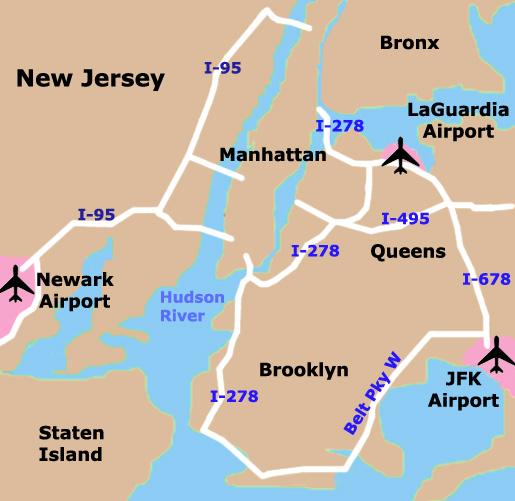
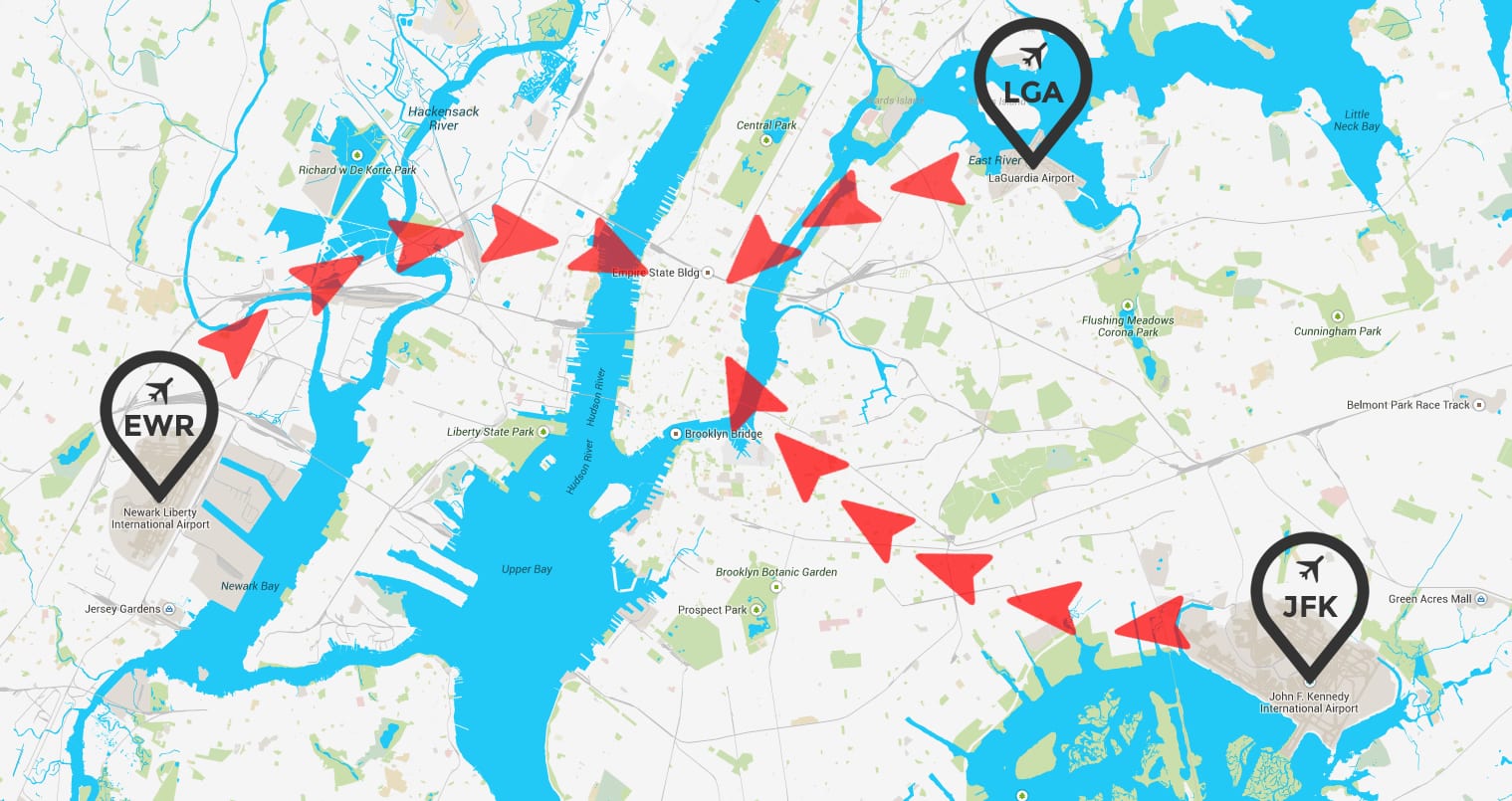
When planning a trip to the bustling metropolis of New York City, one of the first questions travelers often ponder is “How many airports serve this iconic destination?” The answer, while seemingly simple, involves a bit more nuance than a single number. Officially, New York City is directly served by three major commercial airports, two of which are located within its boroughs and one just across the Hudson River in New Jersey but is inextricably linked to the NYC metropolitan area’s air travel network. These three primary gateways – John F. Kennedy International Airport (JFK), LaGuardia Airport (LGA), and Newark Liberty International Airport (EWR) – collectively handle tens of millions of passengers annually, connecting the city to destinations worldwide and acting as vital arteries for tourism, business, and personal travel.
Beyond these colossal commercial hubs, the broader New York City metropolitan area is also home to several smaller, regional, and executive airports that cater to private aviation, cargo, or general aviation needs. Understanding the distinct characteristics, strategic locations, and connectivity options of each airport is crucial for any traveler, whether you’re embarking on a luxury getaway, a budget-conscious adventure, a family trip, or a crucial business stay. From booking the ideal accommodation to navigating local culture and making the most of NYC’s landmarks and attractions, your choice of airport can significantly shape your overall experience in the city that never sleeps.
New York City’s Primary Aerial Gateways: The Big Three
The three main airports serving the New York City metropolitan area are monumental in scale and function, each playing a unique role in the global aviation landscape. While two are physically located within New York City (JFK and LGA in Queens), EWR in New Jersey is an equally critical component of the city’s travel infrastructure.
John F. Kennedy International Airport (JFK): The Global Hub
John F. Kennedy International Airport (JFK) stands as the principal international gateway to New York City and one of the busiest airports in the United States. Located in Jamaica, Queens, approximately 16 miles southeast of Midtown Manhattan, JFK is synonymous with global travel, handling flights to virtually every corner of the world. Its sheer size and extensive network of airlines make it the preferred choice for long-haul international flights, offering a vast array of connections and experiences.
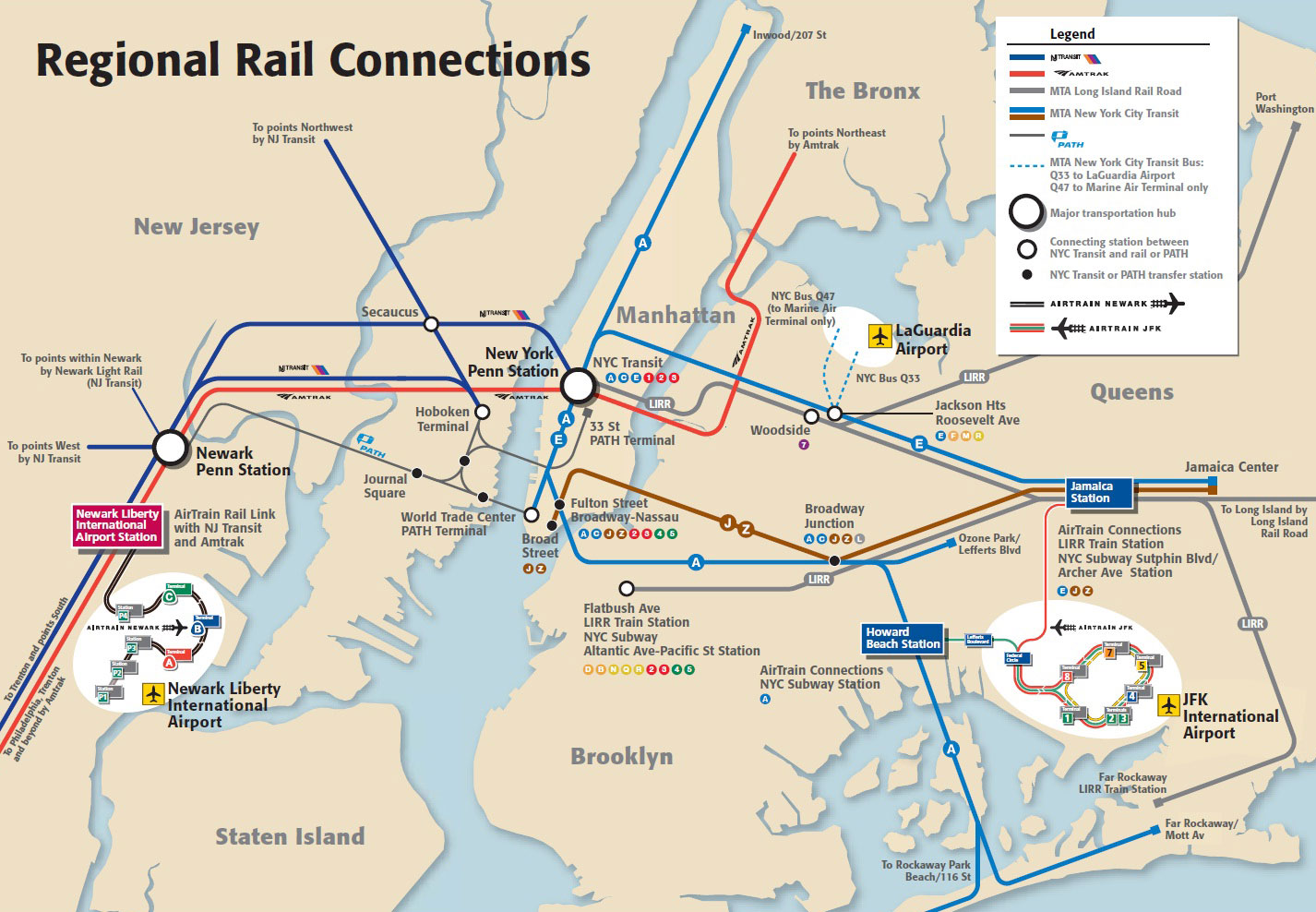
For travelers, JFK boasts an impressive array of amenities across its multiple terminals, including luxury lounges, diverse dining options ranging from quick bites to upscale restaurants, and extensive duty-free shopping. Accommodation near JFK is plentiful, with numerous hotels in the Jamaica area catering to various budgets, ideal for overnight layovers or early morning departures. Getting to and from Manhattan is facilitated by the AirTrain JFK, which connects to MTA subway and Long Island Rail Road (LIRR) services, offering a relatively efficient and cost-effective transfer, albeit one that requires some planning. For those seeking luxury travel or business stays, JFK offers the most comprehensive infrastructure.
LaGuardia Airport (LGA): The Domestic Powerhouse
Situated on the waterfront in Flushing, Queens, about 8 miles northeast of Midtown Manhattan, LaGuardia Airport (LGA) primarily serves domestic destinations within the United States and parts of Canada. For decades, LGA was known for its aging infrastructure, but a monumental multi-billion-dollar redevelopment project has utterly transformed it into a state-of-the-art facility, often lauded as one of the best new airports in the world. Its modern terminals, enhanced passenger experience, and increased efficiency make it an increasingly attractive option for domestic travel.
LGA is particularly convenient for travelers whose final destination is in Manhattan, especially the Upper East Side, Midtown, or parts of Brooklyn and Queens. While there’s no direct rail link, the airport is well-served by MTA buses that connect to subway lines, as well as abundant taxi and ride-share services. The ongoing construction of the AirTrain LaGuardia is set to further revolutionize connectivity. The new terminals boast impressive dining and shopping options, reflecting a focus on enhancing the overall travel experience. For business travelers or those on shorter trips, LGA’s proximity to Manhattan and its modernized facilities make it an efficient choice. Accommodation options in nearby Flushing or Astoria offer convenience for early departures or late arrivals.
Newark Liberty International Airport (EWR): New Jersey’s NYC Gateway
Though located in Newark, New Jersey, approximately 16 miles southwest of Midtown Manhattan, Newark Liberty International Airport (EWR) is an integral part of the New York City airport system. EWR serves a significant number of both domestic and international flights, often offering competitive fares compared to JFK or LGA. This can be particularly appealing for budget travelers or those seeking alternative airline options.
What truly sets EWR apart is its excellent connectivity to Manhattan via a combination of the AirTrain Newark and NJ Transit commuter trains. This seamless transfer provides direct access to New York Penn Station in Midtown Manhattan in under 30 minutes in many cases, making it surprisingly convenient for destinations in Midtown, Downtown Manhattan, and the Financial District. Furthermore, EWR is a major hub for United Airlines, offering extensive domestic and international routes. The airport also boasts modern facilities, a variety of dining options, and ample shopping. Nearby accommodation in Elizabeth and Newark provides convenient lodging for travelers.
Beyond the Major Hubs: Regional and Executive Airports
While the “Big Three” handle the vast majority of commercial passenger traffic, the New York City metropolitan area is also served by several smaller airports that cater to specific segments of aviation, primarily private, executive, and regional travel. These airports offer alternative points of entry and exit, especially for those utilizing private aircraft or seeking specialized services.
Teterboro Airport (TEB): For Private and Business Aviation
Located in Bergen County, New Jersey, just 12 miles from Midtown Manhattan, Teterboro Airport (TEB) is one of the busiest private aviation airports in the United States. It exclusively handles general aviation, corporate, and private jet flights, with no commercial airline service. TEB is the airport of choice for business executives, celebrities, and high-net-worth individuals who value privacy, efficiency, and direct access to Manhattan.
The proximity of Teterboro to the city makes it incredibly convenient for those with the means to utilize private aircraft, offering significantly reduced ground travel times compared to the commercial airports. While it doesn’t serve the typical tourist, TEB plays a crucial role in the broader lifestyle of New York City, facilitating rapid business connections and luxury travel experiences that might otherwise be hampered by commercial airport logistics.
Other Notable Regional Airports
For travelers venturing further afield or considering specialized connections, a few other regional airports in the greater New York City area can sometimes come into play, particularly for those heading to upstate New York or Long Island:
- Long Island MacArthur Airport (ISP): Located in Ronkonkoma, Long Island, ISP is a smaller commercial airport primarily serving destinations in Florida and the southeastern United States with airlines like Southwest and Frontier. While a considerable distance from Manhattan (about 50 miles), it can be a convenient option for travelers whose final destination is on Long Island and who prefer a less congested airport experience.
- Stewart International Airport (SWF): Situated near Newburgh, approximately 60 miles north of Manhattan, SWF is another regional airport. It offers limited commercial service, mainly from low-cost carriers like Allegiant Air and Frontier Airlines. While distant, it can serve as a viable option for travelers heading to the Hudson Valley region or seeking potentially cheaper flights, provided they factor in the longer ground transportation time to NYC.
Choosing Your Arrival Point: A Strategic Traveler’s Guide
Selecting the right airport for your New York City trip is more than just picking the cheapest flight; it’s a strategic decision that impacts your travel budget, time, and overall experience. Factors ranging from your ultimate destination within the city to your preferred mode of transport and travel style should influence your choice.
Factors Influencing Your Airport Choice
- Your Final Destination in NYC: This is perhaps the most critical factor.
- JFK is often best for those heading to Brooklyn, Queens, or south/east Manhattan due to its AirTrain connections.
- LGA provides the quickest ground transport to Midtown, the Upper East Side, and parts of Queens.
- EWR is ideal for travelers going to Downtown Manhattan, the Financial District, or anywhere in New Jersey, thanks to its direct rail link to Penn Station.
- Flight Availability and Cost: Flight prices can vary significantly between airports, even for the same airline. EWR frequently offers more competitive international fares. Consider budget airlines that may fly into EWR or LGA for domestic routes.
- Airline Preferences: If you’re loyal to a specific airline, your choice might be limited. For example, Delta has a strong presence at LGA, while United dominates at EWR, and American Airlines is a major player at JFK.
- Travel Style and Convenience:
- Luxury Travel: Often prioritizes seamless transfers, potentially private car services from any airport. JFK has numerous premium lounges.
- Budget Travel: Focuses on public transport costs and cheaper flights, making EWR or LGA attractive options.
- Business Stays: Values efficiency and proximity to business districts. LGA and EWR’s quick links to Manhattan can be advantageous.
- Family Trips: Considers ease of navigation with luggage and children. Direct ride-share or taxi might be preferred over multi-leg public transport.
Getting to and From the Airports: Connectivity Matters
Understanding the transportation options from each airport is crucial for a smooth arrival and departure experience.
- From JFK:
- AirTrain JFK + Subway: The most common and cost-effective method. The AirTrain connects all terminals to the Jamaica Station (for E, J, Z subway lines) or the Howard Beach Station (for the A subway line), which then proceed into Manhattan. Travel time can be 60-90 minutes.
- AirTrain JFK + LIRR: Faster to Manhattan Penn Station or Grand Central Madison, but more expensive. Travel time around 45-60 minutes.
- Taxis/Ride-shares/Shuttles: Offers door-to-door convenience but can be costly and subject to NYC traffic, especially during peak hours. A flat rate applies to Manhattan taxis.
- From LGA:
- MTA Buses + Subway: Several bus lines (Q70, M60, Q48, Q72) connect the airport to subway stations in Queens and Manhattan. The Q70 LaGuardia Link is a popular express service. Travel time can be 45-75 minutes.
- Taxis/Ride-shares/Shuttles: Generally quicker to Midtown Manhattan than from JFK due to shorter distance, but still subject to traffic. Metered fares.
- From EWR:
- AirTrain Newark + NJ Transit Train: The most efficient way to reach New York Penn Station. The AirTrain connects to the Newark Liberty International Airport Station, where you can catch an NJ Transit or Amtrak train to NYC. Travel time is typically 25-45 minutes.
- PATH Train: From Newark Penn Station (accessible via NJ Transit from the airport or taxi), the PATH train offers direct service to World Trade Center or Midtown Manhattan (33rd Street). Great for Downtown Manhattan.
- Taxis/Ride-shares/Shuttles: Metered fares apply, plus tolls and surcharges for crossing into New York. Can be expensive with traffic.
Enhancing Your Airport Experience: Amenities, Accommodation, and Tips
Beyond the mere logistics of arrival and departure, the airport experience itself has become an integral part of modern travel. New York City’s airports have evolved to offer a variety of services, dining, and accommodation options, aimed at making your journey as comfortable as possible.
Airport Facilities and Services
The major NYC airports have undergone significant transformations, elevating their passenger experience:
- Dining and Shopping: All three major airports boast an impressive selection of restaurants, cafes, and bars, from fast food to gourmet dining. Retail options include duty-free shops, luxury boutiques, bookstores, and convenience stores, catering to all needs and last-minute souvenir shopping. JFK and the redeveloped LGA particularly stand out for their modern culinary offerings and diverse retail landscapes.
- Lounges: For frequent flyers or those seeking a more exclusive experience, numerous airline lounges and independent lounges (like Priority Pass) are available across JFK, LGA, and EWR, offering comfortable seating, complimentary food and beverages, Wi-Fi, and business facilities.
- Connectivity: Free Wi-Fi is standard across all major terminals, allowing travelers to stay connected, plan their next steps, or catch up on work.
- Art and Culture: Reflecting NYC’s vibrant local culture, the newly renovated airports often feature public art installations, live performances, and exhibits that enhance the aesthetic and experiential quality of the space.
Accommodation Near NYC Airports
Whether you have an early flight, a late arrival, or a long layover, hotels near the airports offer convenience and respite.
- JFK: The Jamaica area surrounding JFK has a wide selection of hotels, ranging from budget-friendly options to more upscale choices. Many offer complimentary shuttle services to and from the terminals. This is ideal for those seeking practical accommodation rather than a full urban tourism experience immediately upon arrival.
- LGA: Hotels are abundant in nearby Flushing and East Elmhurst, Queens, also with shuttle services. These areas offer a taste of local culture, particularly Flushing’s renowned Chinatown, making for an interesting overnight stay.
- EWR: The cities of Newark and Elizabeth provide numerous hotel options, many directly connected to the airport via shuttle or the AirTrain Newark. Staying here can be a strategic choice for business travelers with meetings in New Jersey or for those looking for slightly more affordable accommodation than in Manhattan, while still having excellent access to the city.
Essential Travel Tips for NYC Arrivals
To ensure a smooth transition from airport to city, consider these vital tips:
- Plan Your Transportation in Advance: Research the best way to get to your specific accommodation from your chosen airport. Consider rush hour traffic if using taxis or ride-shares. Purchase an MTA MetroCard (for subway and bus) or an NJ Transit ticket beforehand, or ensure you have a contactless payment method.
- Allow Ample Time: New York City is fast-paced, but travel to and from airports can involve delays. Always factor in extra time for security, potential flight delays, and ground transportation, especially during peak travel seasons or bad weather.
- Stay Informed: Check your flight status regularly and sign up for airline alerts. Be aware of any construction or public transport changes that might affect your journey.
- Pack Smart: If relying on public transport, minimize luggage to what you can comfortably carry. Consider the best luggage for ease of movement through busy stations.
- Book Accommodation Early: Especially for popular times of the year, booking your hotels, suites, or apartments well in advance ensures better rates and availability. Reviews and comparisons can guide your choice between airport hotels and those within the city.
- Embrace the Experience: From the moment you land, you’re stepping into a vibrant city. Be prepared for crowds, an energetic pace, and an unparalleled array of cultural experiences, food, and landmarks.
In conclusion, New York City is primarily served by three major commercial airports – JFK, LGA, and EWR – each offering distinct advantages depending on your travel needs. While the number seems straightforward, the choice of airport is a gateway to the city’s diverse tourism, accommodation, and lifestyle offerings, making an informed decision key to a truly memorable New York adventure.
LifeOutOfTheBox is a participant in the Amazon Services LLC Associates Program, an affiliate advertising program designed to provide a means for sites to earn advertising fees by advertising and linking to Amazon.com. Amazon, the Amazon logo, AmazonSupply, and the AmazonSupply logo are trademarks of Amazon.com, Inc. or its affiliates. As an Amazon Associate we earn affiliate commissions from qualifying purchases.