
When planning a trip to the Emerald City, understanding its air travel infrastructure is paramount. The question “How Many Airports In Seattle?” often arises, and the answer is more nuanced than a simple single number. While the primary gateway is well-known, the region is served by a network of airports, each catering to different needs, from major international travel to general aviation and cargo operations. Navigating this landscape ensures a smoother journey, whether you’re arriving for a luxurious resort stay, exploring iconic landmarks, or immersing yourself in the local culture.
The Primary Gateway: Seattle-Tacoma International Airport (SEA)
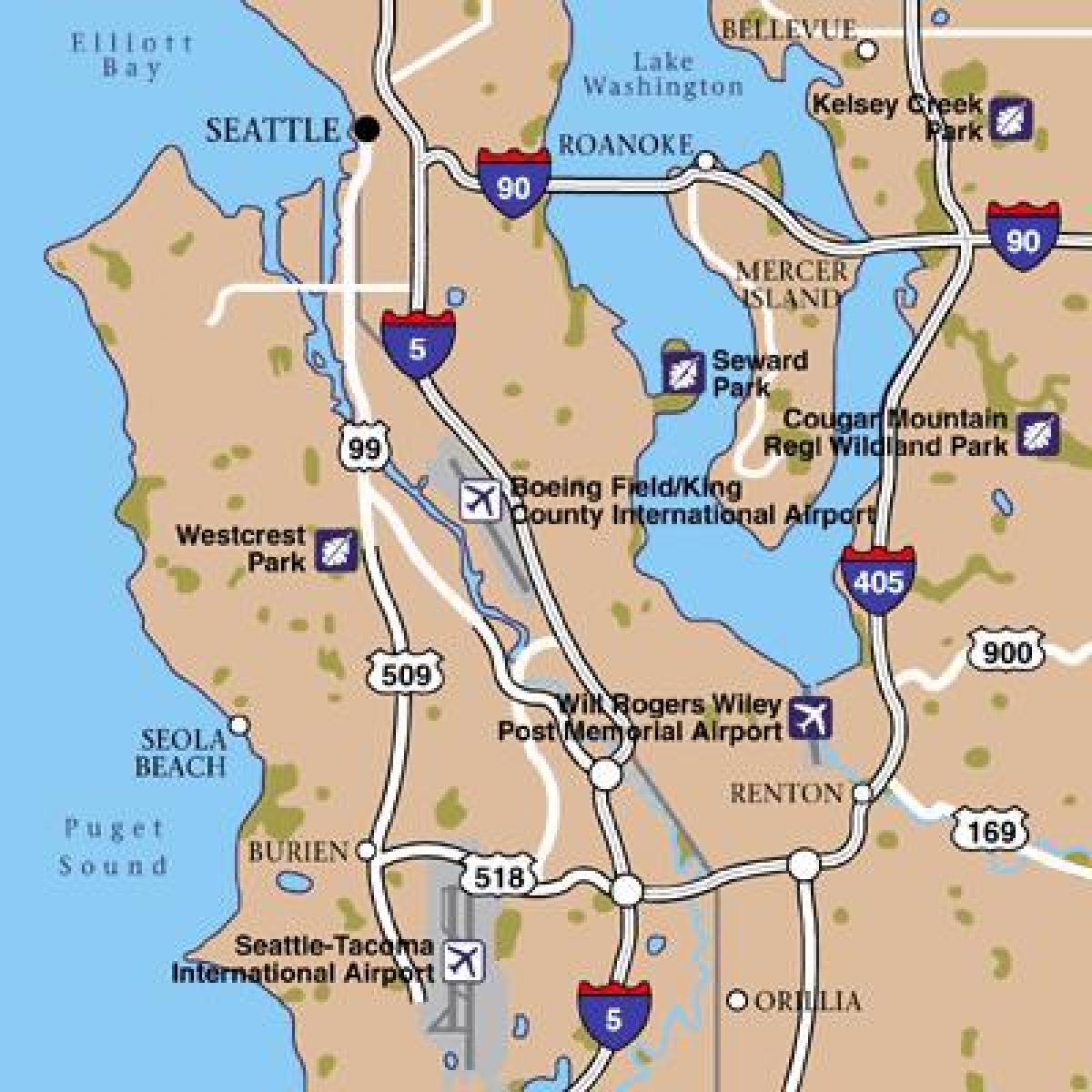
The undisputed king of air travel in the greater Seattle area is Seattle-Tacoma International Airport, commonly known as SEA. This sprawling hub is the busiest airport in the Pacific Northwest and a vital connection point for travelers from across the globe. For most visitors, SEA will be their arrival and departure point, offering a comprehensive range of services and amenities to facilitate their travel experience.
Passenger Services and Amenities
SEA is a modern, bustling airport designed to handle millions of passengers annually. It boasts an impressive array of airlines, connecting Seattle to hundreds of domestic and international destinations. This extensive network makes it an ideal entry point for exploring diverse destinations, from the vibrant city itself to the natural wonders of Washington State.
Once you’ve landed at SEA, you’ll find everything you need to begin your tourism adventure. The airport offers a wide selection of dining options, ranging from quick bites to sit-down restaurants, allowing you to sample local flavors or grab a familiar meal. Numerous retail outlets provide opportunities for last-minute souvenir shopping or picking up travel essentials. For those seeking accommodation options immediately upon arrival or before departure, the airport itself is connected to several hotels, offering convenience and comfort.
Beyond basic amenities, SEA is equipped to cater to various lifestyle needs. Business travelers can find quiet work areas and conference facilities, while families can benefit from designated play zones and family restrooms. The airport also houses art installations and information desks to help you get acquainted with Seattle and its surrounding attractions. Navigating the terminals is made easier with clear signage and efficient public transportation links, including the Link Light Rail, which provides direct access to downtown Seattle and beyond.
Airlines and Destinations Served
The sheer volume of airlines operating out of SEA is a testament to its importance as a travel hub. Major carriers like Alaska Airlines, Delta Air Lines, United Airlines, and American Airlines have a significant presence, offering a vast network of domestic flights. International travelers can connect to destinations across Asia, Europe, and other parts of the world, making Seattle a gateway for global exploration. This connectivity is crucial for those seeking to experience a wide range of travel experiences, from urban exploration to more remote destinations.
The flight schedules are extensive, catering to both early morning departures and late-night arrivals. This flexibility is invaluable for travelers with varied accommodation needs, whether they’re looking for a quick overnight stay before an early flight or a leisurely arrival to settle into a luxury resort. The airport’s robust operational capacity ensures that even during peak travel seasons, the flow of passengers is managed efficiently.
Cargo Operations and Economic Impact
While passenger traffic often takes center stage, SEA also plays a crucial role in cargo transportation. Its extensive cargo facilities support the movement of goods, contributing significantly to the regional economy. This economic impact extends beyond the airport itself, supporting industries that rely on efficient logistics and travel infrastructure. The presence of such a robust cargo operation underscores the multifaceted importance of SEA to the Pacific Northwest.
Secondary Airports Serving the Seattle Region
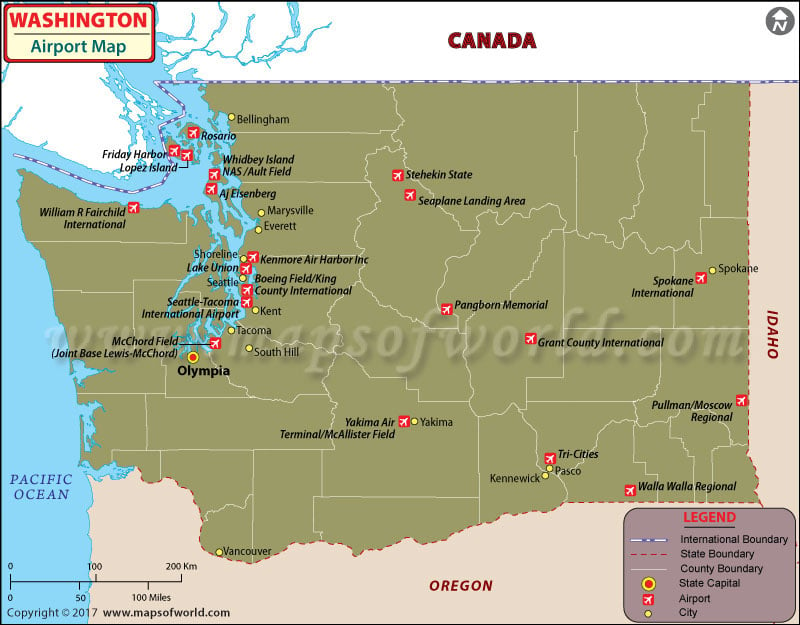
Beyond the primary international gateway, the Seattle metropolitan area is served by several smaller airports. These facilities cater to different aviation needs, including general aviation, regional flights, and specific cargo operations. Understanding these secondary airports can be beneficial for travelers seeking alternative travel options or those interested in the broader aviation landscape of Seattle.
Boeing Field (King County International Airport)
Boeing Field, officially known as King County International Airport, is a significant general aviation airport located just south of downtown Seattle. While it doesn’t handle major commercial passenger flights like SEA, it’s a hub for corporate aviation, private planes, and the aerospace industry.
General Aviation and Corporate Travel
For individuals and businesses who own or charter private aircraft, Boeing Field offers a convenient and accessible option. It provides extensive facilities for aircraft maintenance, fueling, and parking. This makes it an attractive choice for executives and discerning travelers who prioritize efficiency and flexibility in their travel arrangements, often opting for luxury travel experiences. The proximity to downtown Seattle also makes it a valuable asset for quick business trips or discreet arrivals.
The Museum of Flight
A major attraction at Boeing Field is The Museum of Flight. This world-renowned institution is dedicated to the history of aviation and space exploration, featuring an impressive collection of aircraft and spacecraft. It’s a must-visit for aviation enthusiasts and families looking for an educational and inspiring experience in Seattle. The museum’s presence further highlights the rich aviation heritage associated with Boeing Field.
Kenmore Air Harbor Seaplane Base
For a truly unique Seattle arrival or departure, consider the Kenmore Air Harbor Seaplane Base. Located on the northern shore of Lake Washington, this seaplane base is a vital hub for scheduled seaplane flights to various destinations in Washington and British Columbia.
Scenic Flights and Regional Connections
Kenmore Air is the primary operator from this base, offering scheduled services to locations like the San Juan Islands, Vancouver, and further afield. These flights provide not only a practical mode of transportation but also an incredibly scenic experience, offering breathtaking aerial views of the Puget Sound and the surrounding natural beauty. This offers a distinct alternative to traditional air travel for those seeking a unique destination or a different perspective on Seattle’s geography.
The seaplanes are a quintessential part of the Seattle experience, blending travel with an appreciation for the region’s stunning waterways and landscapes. For tourists, it’s an opportunity to connect with nature and reach secluded resorts or natural attractions accessible primarily by water.
Renton Municipal Airport
Renton Municipal Airport is another general aviation airport located in Renton, a city southeast of Seattle. Similar to Boeing Field, it serves private pilots, small aircraft, and flight training operations. It plays a role in supporting the local aviation community and providing an alternative for non-commercial air traffic in the region.
Choosing the Right Airport for Your Seattle Adventure
Understanding the different airports serving Seattle empowers you to make informed decisions for your travel plans. While SEA is the main artery for most travelers, the other airports offer specialized services that can enhance your experience, align with your lifestyle, or provide access to specific attractions and accommodations.
Planning Your Arrival and Departure
For international or long-haul domestic flights, Seattle-Tacoma International Airport is almost always your primary choice. Its extensive flight options and comprehensive facilities ensure a smooth journey. When booking flights, consider your final destination within the Seattle metropolitan area. If you’re staying in downtown Seattle or heading north, the Link Light Rail from SEA offers an efficient and cost-effective transfer.
If you’re arriving via private jet or looking for a more discreet entry, Boeing Field is an excellent alternative. Its proximity to downtown Seattle and its sophisticated services cater to high-end travel needs. For those seeking an unforgettable arrival or a unique way to reach island destinations, the seaplanes from Kenmore Air Harbor offer an unparalleled experience.

Connecting to Accommodation and Attractions
Your choice of airport can also influence your access to hotels and attractions. Staying near SEA offers a wide range of hotels, from budget-friendly options to upscale resorts, many with airport shuttle services. This is ideal for travelers with early flights or those who prefer to be close to the airport’s amenities.
For visitors planning to explore the Museum of Flight, Boeing Field provides direct access. Similarly, if your itinerary includes island hopping or visiting lakeside resorts, the seaplane base offers a unique point of entry.
When planning your accommodation, consider how you will travel from the airport. Public transportation, ride-sharing services, and rental cars are readily available at SEA. For the smaller airports, pre-arranged transport or taxis might be more suitable. Researching your onward journey in advance ensures a seamless transition from air travel to exploring Seattle‘s rich local culture, fascinating landmarks, and diverse activities. Whether you’re a business traveler seeking efficient stays, a family on a budget trip, or an adventurer looking for luxury experiences, understanding Seattle‘s airport network is the first step to unlocking an exceptional travel adventure in the Emerald City.
LifeOutOfTheBox is a participant in the Amazon Services LLC Associates Program, an affiliate advertising program designed to provide a means for sites to earn advertising fees by advertising and linking to Amazon.com. Amazon, the Amazon logo, AmazonSupply, and the AmazonSupply logo are trademarks of Amazon.com, Inc. or its affiliates. As an Amazon Associate we earn affiliate commissions from qualifying purchases.