
Navigating the world of airline loyalty programs can often feel like deciphering a complex code, especially when trying to determine the true value of your hard-earned points. For members of the Alaska Airlines Mileage Plan, the question of “How many Alaska Miles for a flight?” is central to maximizing their travel benefits. Unlike some other programs that employ fixed award charts, Alaska Airlines uses a dynamic pricing model for its own flights, while maintaining specific partner award charts that offer incredible value. Understanding these nuances is key to unlocking exceptional travel experiences. This guide will demystify the process, revealing the factors that influence redemption rates and how you can strategically use your Alaska Miles to fly further and in greater comfort.
Understanding the Alaska Airlines Mileage Plan
The Alaska Airlines Mileage Plan is consistently ranked among the most valuable airline loyalty programs globally. Its unique blend of dynamic pricing for Alaska Airlines flights and a robust network of diverse airline partners, including many outside of its primary Oneworld Alliance membership, provides unparalleled flexibility and redemption opportunities.
The Value Proposition of Mileage Plan
What sets the Mileage Plan apart is its reputation for offering outsized value, particularly on international premium cabin redemptions with its partner airlines. While the number of miles required for a domestic flight on Alaska Airlines can fluctuate based on demand, route, and time of booking, the fixed award charts for partner flights often present “sweet spots” that allow for luxury travel at a fraction of the cash price. This dual system requires a strategic approach to ensure you’re always getting the best deal for your miles. The program also maintains a generous stopover policy, allowing you to add a stopover on one-way international award tickets, further enhancing the value proposition.
Earning Alaska Miles
Before you can redeem them, you need to accumulate Alaska Miles. The program offers multiple avenues for earning, making it accessible for a wide range of travelers.
- Flights with Alaska Airlines and Oneworld Alliance Partners: The most straightforward way to earn miles is by flying. You earn miles based on the distance flown and your fare class on Alaska Airlines flights. Crucially, flying with Oneworld Alliance members like American Airlines, British Airways, and Qatar Airways, as well as independent partners such as Condor and Icelandair, also accrues Alaska Miles. It’s important to check the specific earning rates for each partner, as they can vary significantly.
- Credit Card Sign-up Bonuses and Spending: A major accelerator for earning Alaska Miles is through co-branded credit cards. The Alaska Airlines Visa Signature Card from Bank of America frequently offers substantial sign-up bonuses, often enough for a round-trip domestic flight or a significant portion of an international journey. Everyday spending on these cards also earns miles, typically at a rate of 1 mile per dollar on most purchases and elevated rates on Alaska Airlines expenditures.
- Shopping Portals and Dining Programs: Alaska Airlines operates a shopping portal, Mileage Plan Shopping, where you can earn bonus miles for online purchases at participating retailers. Similarly, the Mileage Plan Dining program allows you to earn miles when dining at registered restaurants. These avenues, while not providing massive mile hauls, can be excellent for topping up your account through routine spending.
The Unique Alaska Airlines Partner Network
What truly makes the Alaska Airlines program stand out is its incredibly diverse and valuable partner network. While it is a member of the Oneworld Alliance, Alaska Airlines has also maintained and cultivated strong relationships with a number of non-Oneworld carriers, creating a unique hybrid ecosystem. This means you can redeem miles on airlines like Cathay Pacific, Japan Airlines, Qantas, Korean Air, and Singapore Airlines (for specific routes), each with its own award chart. This flexibility allows for unparalleled access to routes and premium cabin products across the globe, often at very competitive mileage rates.
Factors Influencing Mileage Redemption Rates
The number of Alaska Miles required for a flight is not a static figure. It’s a dynamic variable influenced by several key factors. Understanding these elements is crucial for successful award booking.
Dynamic Pricing vs. Award Charts
This is perhaps the most significant distinction to grasp within the Mileage Plan.
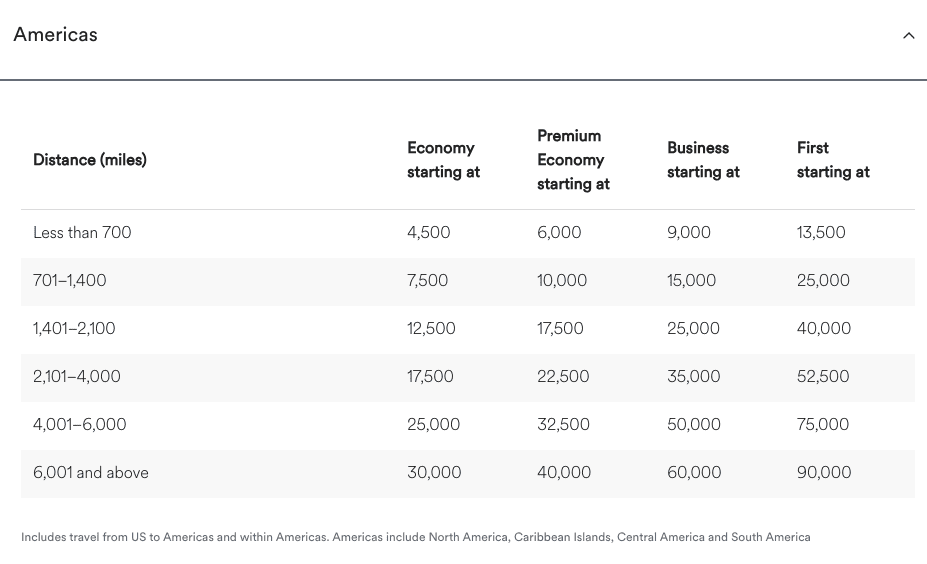
- Domestic Alaska Airlines Flights: For flights operated by Alaska Airlines itself, the program uses dynamic pricing. This means the mileage cost is directly tied to the cash price of the ticket, demand for the route, and availability. You might find a short-haul flight for as few as 5,000 miles during off-peak times or a cross-country journey for 12,500-20,000 miles in economy. However, during peak seasons or for popular routes, the mileage cost can skyrocket, sometimes making cash tickets a better value. The best strategy here is flexibility: be open to different dates and times to find the lowest mileage requirements.
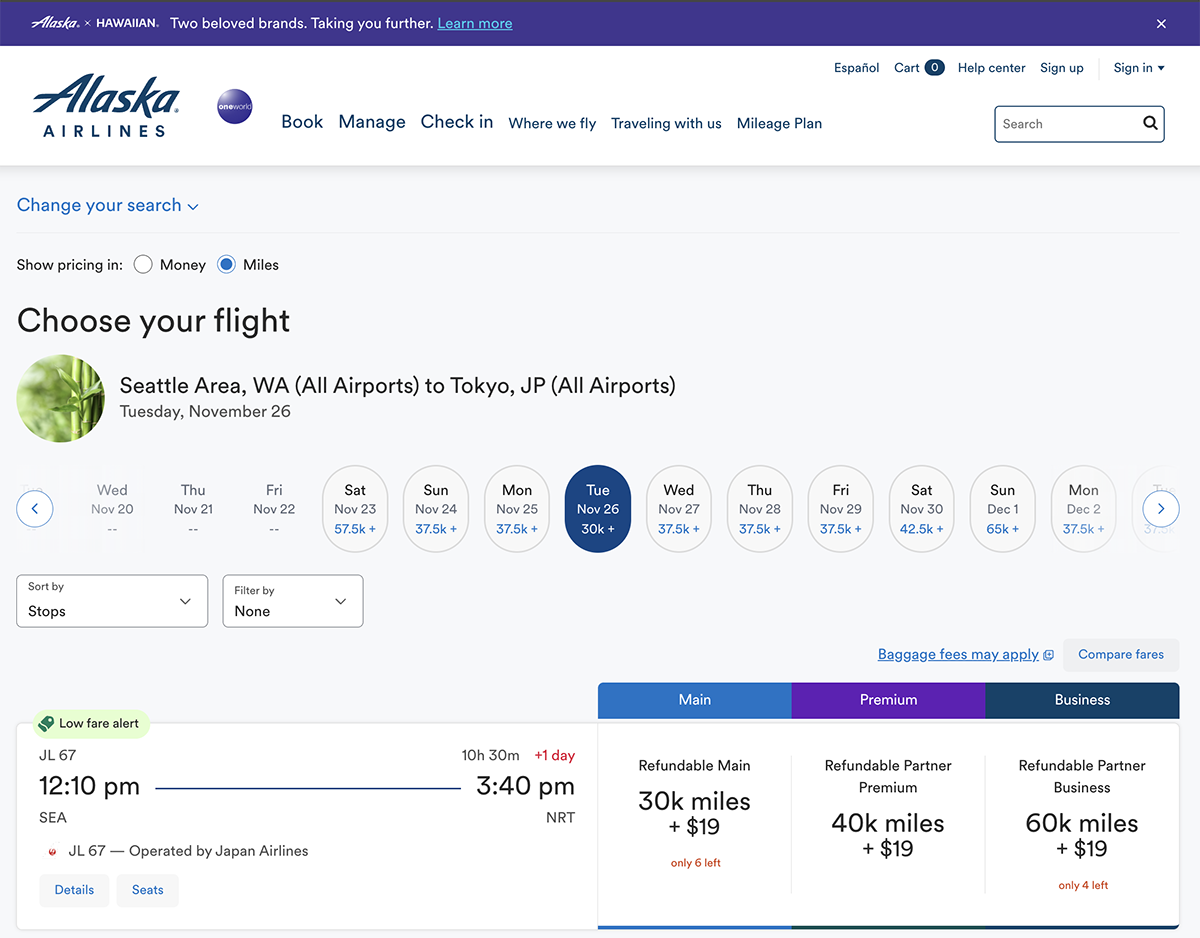
- Partner Airline Flights: This is where the fixed award charts shine. Each partner airline (Cathay Pacific, Japan Airlines, Qantas, etc.) has its own specific award chart for travel from certain regions to others, and these charts are generally fixed. For example, a business class flight from the United States to Asia on Cathay Pacific might consistently cost 50,000 miles, regardless of the cash price. This predictability allows for strategic planning and often yields tremendous value, especially for premium cabins.
Route, Destination, and Cabin Class
The specifics of your desired flight heavily influence the mileage cost.
- Short-haul vs. Long-haul Flights: Generally, shorter domestic flights on Alaska Airlines will cost fewer miles than transcontinental or international routes. For partner awards, the region you are traveling to and from dictates the chart, not necessarily the exact distance within a region.
- Economy, Premium Economy, Business, and First Class: As expected, the more luxurious the cabin, the more miles you will need. While an economy seat might be 12,500 miles, a business class seat on the same route could be 50,000 miles, and a first class seat could be 70,000 miles or more. The sweet spot for many savvy travelers lies in redeeming for business or first class on partner airlines, where the cash value of the ticket is significantly higher, thus yielding a better “cents per mile” value.
Seasonality and Availability
Timing plays a crucial role, especially with dynamic pricing.
- Peak Travel Times: Flights during holidays, school breaks, or major events will almost always require more miles (or cash) due to increased demand. Flexibility with your travel dates can lead to substantial savings in miles.
- Booking in Advance: For both Alaska Airlines and partner awards, booking as far in advance as possible is often beneficial. This is particularly true for partner premium cabin awards, where availability can be extremely limited. Some partners release award seats months in advance, while others may release them closer to departure.
Finding Sweet Spots and Maximizing Value with Alaska Miles

The real magic of Alaska Miles lies in identifying and leveraging the program’s sweet spots. These are specific redemption opportunities where the mileage cost is disproportionately low compared to the cash value of the ticket.
Oneworld Alliance and Partner Redemptions
While Alaska Airlines has a robust network, its partner redemptions often provide the most aspirational value.
- Specific High-Value Partners: Airlines like Cathay Pacific, Japan Airlines, and Qantas frequently appear in discussions of Alaska Miles sweet spots. For example, a business class flight on Cathay Pacific from the United States to Asia (like Hong Kong) can be booked for 50,000 miles one-way, a phenomenal deal given the quality of the product and typical cash prices. Similarly, Japan Airlines offers excellent value for flights to Asia.
- Long-Haul Business and First Class Travel: The value proposition truly escalates when redeeming for long-haul business or first class. These tickets can cost thousands of dollars in cash, but can often be secured for 50,000-70,000 Alaska Miles one-way on a partner airline. This is where your miles deliver the highest “cents per mile” return.
Strategic Stopovers
One of the most generous features of the Mileage Plan is its allowance for a free stopover on one-way international award tickets. This means you can visit an additional city for an extended period (more than 24 hours) without incurring additional mileage costs. For example, you could fly from Seattle to Tokyo on Japan Airlines, stop over for a few days, and then continue to another destination in Asia, all on a single award redemption. This effectively allows you to experience two destinations for the price of one, significantly boosting the value of your miles.
Practical Steps for Redeeming Your Miles
Once you’ve identified your desired flight and confirmed sufficient Alaska Miles, the redemption process is relatively straightforward, though partner awards sometimes require extra steps.
Searching for Award Availability
The first step is always to search for available award seats.
- Using the Alaska Airlines Website: For Alaska Airlines flights, simply use the “Use Miles” option on the homepage search bar. The website will display available dates and corresponding mileage costs. For many partners, like Japan Airlines, Qantas, and Cathay Pacific, you can also search directly on the Alaska Airlines website.
- Tips for Finding Partner Awards: Some partners, particularly those that don’t display well on Alaska Airlines’ site, may require using other alliance websites (e.g., British Airways or American Airlines for Oneworld partners) to find award availability before calling Alaska Airlines to book. Once you’ve found the seats, note down the flight numbers and dates, and call Alaska Airlines’ reservations line to complete the booking. Their agents are generally very helpful with partner award bookings.
Booking Process and Fees
After finding availability, the booking is generally quick.
- Understanding Taxes and Surcharges: While the mileage cost covers the base fare, you will still be responsible for paying taxes and any carrier-imposed surcharges. These can vary significantly by airline and route. For instance, British Airways and Qantas are known for higher surcharges, while partners like Cathay Pacific and Japan Airlines typically have much lower fees. Always factor these cash costs into your overall redemption strategy.
- Change and Cancellation Policies: Alaska Airlines generally has user-friendly change and cancellation policies, especially for elite members. Fees for changes or cancellations can apply, but often you can redeposit miles for a nominal fee if your plans change. Always review the current policy before booking, as these can be updated.
Beyond the Basics: Advanced Strategies for Alaska Mileage Plan Members
To truly master the Mileage Plan, consider these advanced strategies that can further enhance your travel flexibility and benefits.
Combining Miles and Cash (Mileage Plan Buy Miles program)
While generally not recommended as the primary way to acquire miles due to the high cost, the Mileage Plan sometimes offers promotions to buy miles with a bonus. If you are just a few thousand miles short of a valuable redemption, and a promo is running, this could be a viable option to top up your account, especially if the value of the award ticket far outweighs the cost of purchasing the additional miles. However, always calculate the “cents per mile” cost of buying versus the “cents per mile” value of your redemption to ensure it’s a worthwhile transaction.
Status Tiers and Elite Benefits
Earning elite status with Alaska Airlines (MVP, MVP Gold, MVP Gold 75K, MVP Gold 100K) unlocks a host of benefits that enhance the travel experience, including complimentary upgrades, priority boarding, lounge access, and bonus mileage earning on flights. These benefits not only make your journeys more comfortable but also indirectly increase the value of your Alaska Miles by making the travel experience itself more premium. Elite status also grants you reciprocal benefits when flying with Oneworld Alliance partners, broadening your horizons for seamless international travel.
Keeping Your Miles Active
Alaska Miles do not expire as long as your account remains active. An account is considered active if there’s any qualifying activity at least once every 24 months. This can be anything from earning miles on a flight or credit card, redeeming miles for an award, or even buying or transferring miles. This generous policy ensures that your hard-earned miles are safe and available for future use, allowing you to save up for those truly aspirational trips without the pressure of an impending expiration date.
In conclusion, determining “How many Alaska Miles for a flight?” involves navigating a flexible system that rewards informed and strategic travelers. By understanding the interplay between dynamic pricing and fixed award charts, leveraging the expansive partner network, and planning with an eye for sweet spots and stopovers, you can unlock incredible travel opportunities with your Alaska Miles. Whether it’s a short hop within the United States or a luxurious journey across continents, the Mileage Plan offers a path to experiencing the world on your terms.
LifeOutOfTheBox is a participant in the Amazon Services LLC Associates Program, an affiliate advertising program designed to provide a means for sites to earn advertising fees by advertising and linking to Amazon.com. Amazon, the Amazon logo, AmazonSupply, and the AmazonSupply logo are trademarks of Amazon.com, Inc. or its affiliates. As an Amazon Associate we earn affiliate commissions from qualifying purchases.