
Florida, the Sunshine State, beckons millions of visitors annually with its pristine beaches, vibrant cities, and unique natural ecosystems. From the magical theme parks of Orlando to the tranquil beauty of the Everglades National Park, there’s an undeniable allure that draws people from across the globe. However, Florida is also home to a thriving population of American alligators, apex predators that share the state’s vast network of waterways with humans. This often leads to a natural question, especially for those planning a visit or new residents: “How many alligator attacks occur in Florida each year?”
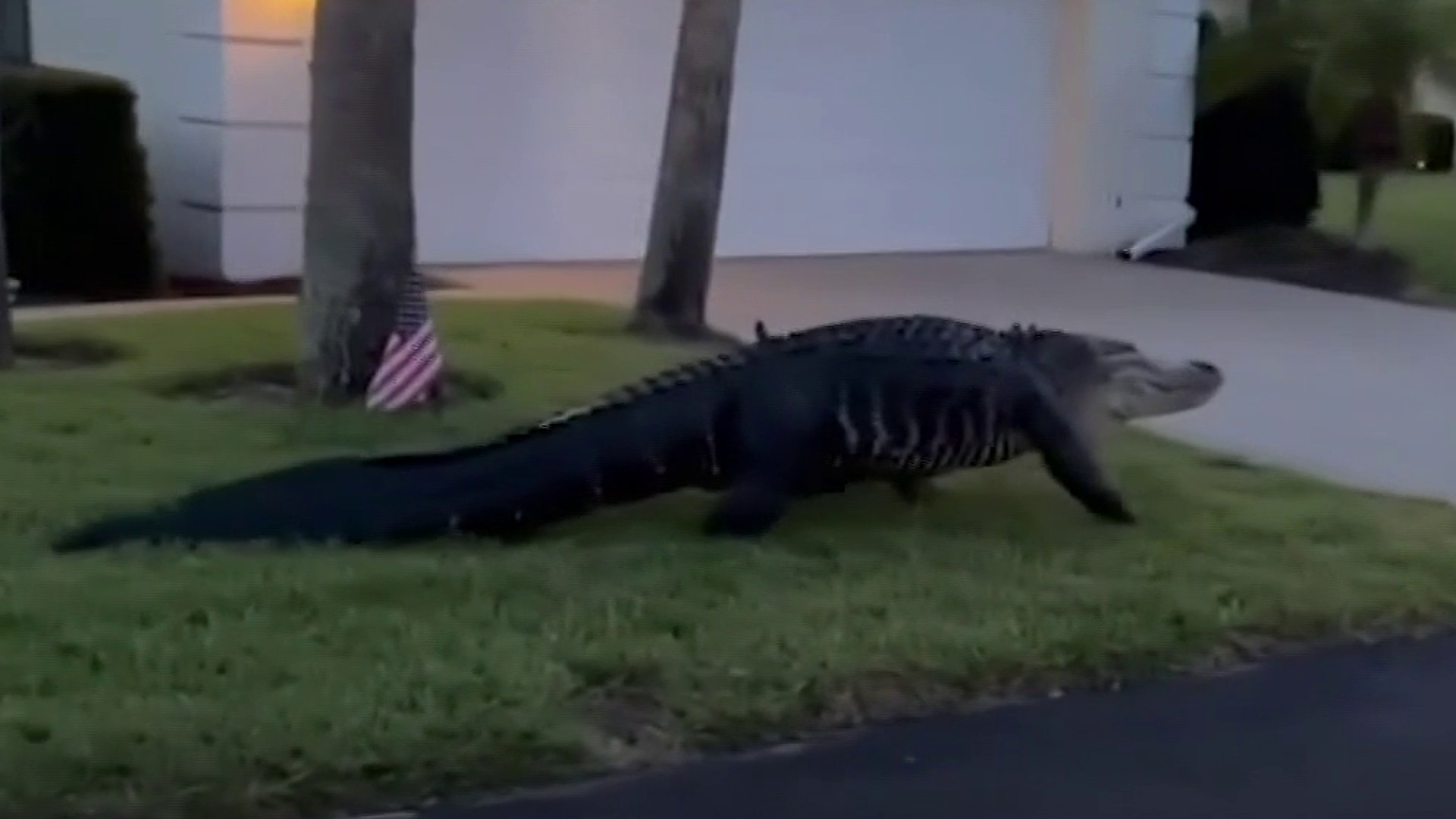
It’s a valid concern, often fueled by sensationalized news reports or popular culture portrayals. The reality, however, is far less dramatic than many imagine. While alligator encounters and incidents do occur, they are remarkably rare when put into perspective, especially given the significant number of both alligators and people coexisting in the state. Understanding the statistics, the reasons behind these incidents, and, most importantly, how to behave responsibly around these magnificent reptiles is key to enjoying all that Florida has to offer safely. This article delves into the factual data, demystifies alligator behavior, and provides essential safety guidelines to ensure your experience in the Sunshine State remains positive and incident-free.
Understanding the Statistics: The Reality of Alligator Encounters
When discussing alligator attacks, it’s crucial to rely on credible data and distinguish between unprovoked bites, which are actual attacks, and other types of encounters. The primary authority for tracking these incidents in Florida is the Florida Fish and Wildlife Conservation Commission (FWC), which meticulously documents every reported alligator incident.
The Data: Annual Averages and Trends
Looking at historical data from the FWC, the number of unprovoked alligator bites in Florida hovers around 7 to 10 per year on average. To put this into perspective, Florida is home to an estimated 1.3 million alligators and hosts over 130 million tourists annually, in addition to its 22 million residents. Given these numbers, the likelihood of an individual experiencing an unprovoked alligator bite is incredibly low, far less than the risk of other common hazards such as lightning strikes, bee stings, or even dog bites.
Fatalities are even rarer. Over the past 70 years (since 1948), the FWC has documented only 26 unprovoked alligator-caused deaths in Florida. This averages out to approximately one fatality every two to three years, making them an extremely infrequent occurrence. The most common type of alligator incident involves nuisance alligators, which are removed by the FWC’s Statewide Nuisance Alligator Program (SNAP) if they are perceived as a threat to people, pets, or property. These removals, while significant in number, do not typically involve actual attacks.
Factors Influencing Attack Rates
Several factors can influence the frequency of alligator encounters, though not necessarily attacks:
- Human Population Growth and Development: As Florida’s human population expands, residential and commercial developments increasingly encroach upon traditional alligator habitats. This urbanization leads to more frequent interactions between humans and alligators as their territories overlap.
- Alligator Population Stability: Thanks to successful conservation efforts, the American alligator population in Florida has fully recovered from near extinction in the mid-20th century. A healthy, robust alligator population naturally means more opportunities for human-alligator interaction.
- Seasonal Variations: Alligator activity tends to increase during warmer months (spring and summer) when their metabolism speeds up, and they become more active in feeding and breeding. This also coincides with peak tourist season and more people engaging in water-related activities.
- Human Behavior: The single largest factor contributing to alligator incidents is often human behavior. Activities like swimming in unmarked waters, walking pets near shorelines, or, critically, feeding alligators, can significantly heighten the risk of an encounter.
Why Alligators Attack: Deciphering Their Behavior
Alligators are wild animals driven by instinct. Unlike many predators, they generally do not view humans as prey. Understanding their motivations is crucial for minimizing risks.
Misunderstandings and Instincts
Most alligator attacks are not predatory in nature, meaning an alligator is not actively hunting a human. Instead, attacks typically stem from a few key scenarios:
- Mistaken Identity: Alligators are opportunistic ambush predators. They strike at anything that splashes or appears to be potential prey near the water’s edge. A dog swimming, a child playing at the water’s edge, or even an adult wading or swimming in murky water can be mistaken for a natural food source like a fish, turtle, or small mammal. This is particularly true for smaller alligators, but larger ones can also make this error.
- Territorial Defense: Female alligators are fiercely protective of their nests and young. Approaching a nest or a group of hatchlings can provoke a defensive attack.
- Habituation to Human Food Sources: This is perhaps the most dangerous scenario, and it is almost always caused by humans. When alligators are fed, either intentionally or unintentionally (e.g., discarded fish scraps), they lose their natural fear of humans and begin to associate people with food. They may then approach humans aggressively, expecting to be fed, or may bite out of frustration if no food is offered. This is why feeding alligators is illegal in Florida and carries severe penalties.
- Poor Visibility: Alligators often lurk in murky water, making them difficult to spot. Swimming or wading in waters where visibility is low increases the risk of an accidental encounter.
Preferred Habitats and High-Risk Zones
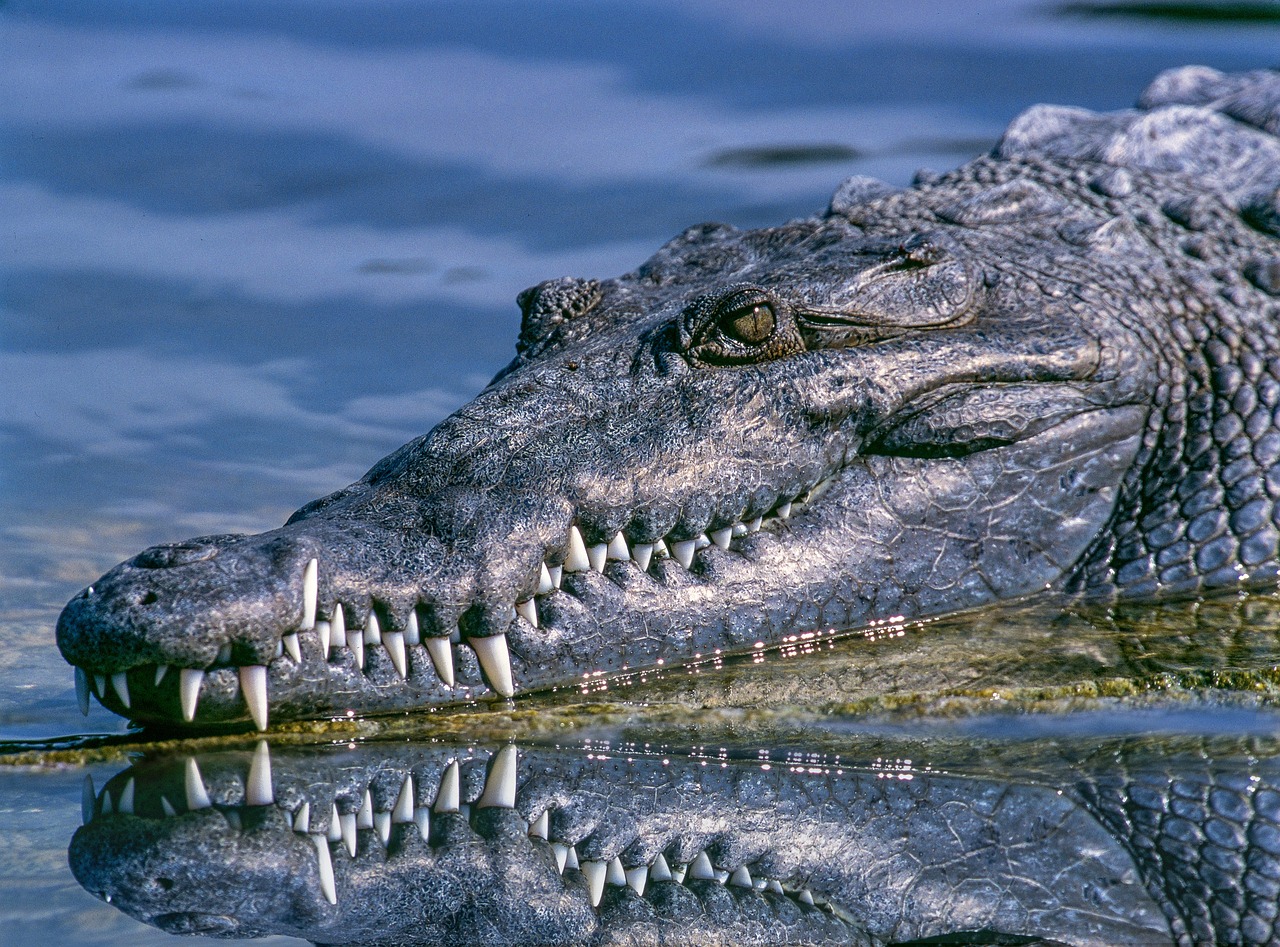
Alligators inhabit virtually every freshwater body in Florida, including lakes, rivers, canals, golf course ponds, retention ponds, and even swamps. They can also tolerate brackish water for periods, meaning they are sometimes found near coastal areas.
High-risk zones and behaviors include:
- Areas with Dense Vegetation: Alligators often hide in dense reeds, cattails, and other aquatic vegetation along shorelines, providing them cover for ambush.
- Dusk, Night, and Dawn: Alligators are most active during these low-light periods, making encounters more likely and less visible.
- Unsupervised Water Access: Children and pets are more vulnerable due to their smaller size and unpredictable movements.
- Fishing and Boating: Careless handling of fish or discarding entrails near the water can attract alligators. Similarly, small boats or kayaks can sometimes be perceived as a threat or an object to investigate.
Essential Safety Tips for Visitors and Residents in Florida
Coexisting safely with alligators in Florida is largely a matter of awareness, common sense, and respecting these powerful reptiles. By following simple guidelines, you can significantly minimize any potential risks.
Golden Rules for Alligator Coexistence
The FWC emphasizes several key rules for alligator safety:
- Never Feed Alligators: This cannot be stressed enough. It is illegal and incredibly dangerous. Feeding alligators makes them lose their natural fear of humans and can lead them to associate people with food, drastically increasing the risk of an attack.
- Keep a Safe Distance: If you see an alligator, admire it from a distance. The FWC recommends maintaining a distance of at least 20 feet (6 meters). Do not approach them, provoke them, or attempt to interact with them in any way.
- Swim Only in Designated Areas During Daylight Hours: Many Florida beaches and parks have designated swimming areas that are monitored for safety. Avoid swimming in natural freshwater bodies, especially at dusk, night, or dawn when alligators are most active. Also, avoid swimming in canals, ponds, or other waters where alligators are known to live.
- Supervise Children and Pets: Small children and pets are particularly vulnerable to alligator attacks. Keep them away from the edges of freshwater bodies. Never allow pets to swim or drink in natural waters, and always keep dogs on a leash near water.
- Be Aware of Your Surroundings: Pay attention to warning signs posted in parks and public areas. These signs are there for a reason. If you see an alligator, assume it’s wild and potentially dangerous.
- Avoid Areas with Dense Vegetation: Alligators often use dense vegetation along shorelines for cover. Avoid walking or wading in these areas.
- Do Not Dispose of Fish Scraps in Water: Discarding fish remains or bait into the water can attract alligators, making the area more dangerous for others.
What to Do in an Encounter
While rare, knowing how to react in the unlikely event of an alligator encounter can be critical:
- If an alligator approaches you on land: Back away slowly and calmly. Do not run, as this might trigger a chase instinct. Alligators can run surprisingly fast over short distances.
- If an alligator attacks you: Fight back aggressively. Aim for the eyes or snout, which are sensitive areas. This is your best chance to deter the animal and escape.
- Report Nuisance Alligators: If you encounter an alligator that is acting aggressively, frequently approaching people, or is larger than 4 feet and poses a threat, contact the FWC’s Statewide Nuisance Alligator Program (SNAP) at 866-FWC-GATOR (866-392-4286). They will dispatch trappers to assess and potentially remove the alligator.
Enjoying Florida Safely: Perspective and Peace of Mind
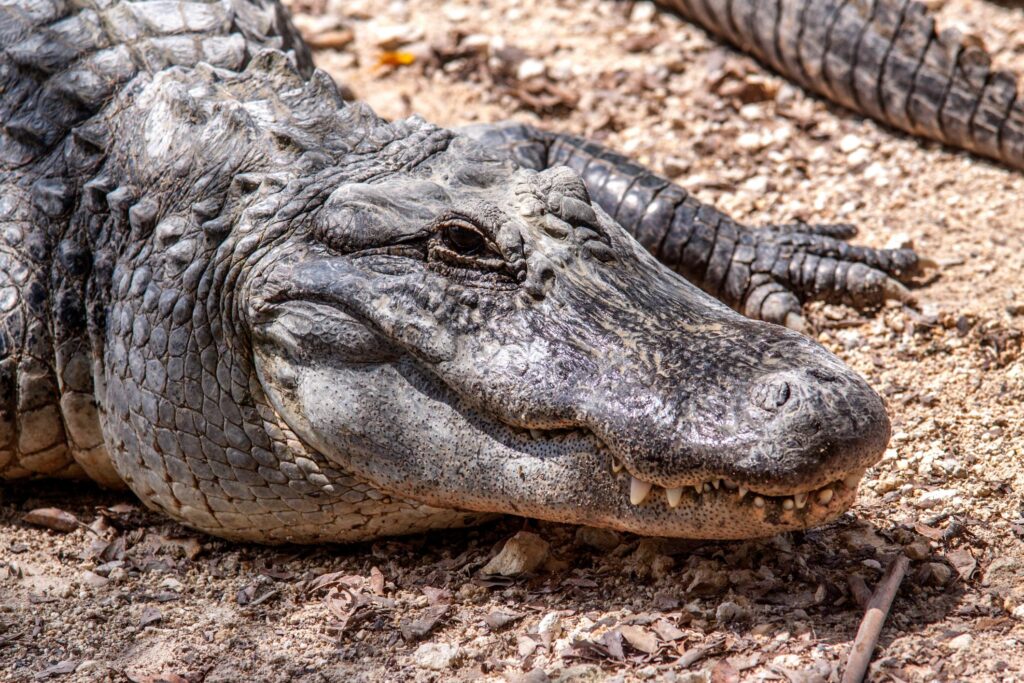
The presence of alligators is an integral part of Florida’s unique natural charm and biodiversity. These ancient reptiles play a vital role in the state’s ecosystem, and observing them from a safe distance can be a truly memorable experience, particularly in places like the Everglades National Park or on airboat tours in the state’s numerous wildlife management areas.
It’s essential to maintain a balanced perspective. The risk of an alligator attack is statistically very low, especially for those who follow basic safety guidelines. You are far more likely to get a sunburn, encounter traffic, or even be struck by lightning than to suffer an alligator bite in Florida. Millions of people safely enjoy Florida’s waters and natural areas every year without incident.
By being informed and practicing responsible tourism, you can fully appreciate Florida’s stunning natural beauty, vibrant culture, and diverse wildlife without undue worry. Respect for wildlife, especially powerful predators like alligators, is not just about personal safety; it’s also about fostering healthy coexistence and ensuring these magnificent creatures continue to thrive in their natural habitats for generations to come. So, come to Florida, explore its wonders, and embrace the unique natural experiences it offers, all while keeping safety and awareness at the forefront.
LifeOutOfTheBox is a participant in the Amazon Services LLC Associates Program, an affiliate advertising program designed to provide a means for sites to earn advertising fees by advertising and linking to Amazon.com. Amazon, the Amazon logo, AmazonSupply, and the AmazonSupply logo are trademarks of Amazon.com, Inc. or its affiliates. As an Amazon Associate we earn affiliate commissions from qualifying purchases.