
Florida, a state synonymous with vibrant ecosystems, lush landscapes, and a significant population of American alligators, draws millions of visitors annually. For many, the allure of the Sunshine State includes experiencing its unique wildlife, often from a safe distance, whether on a guided tour through the Everglades National Park or enjoying a tranquil kayak trip. However, the presence of these formidable reptiles necessitates a healthy respect and understanding of their behavior. For travelers and residents alike, a pertinent question arises: “How many alligator attacks occur in Florida each year?” Understanding these statistics is not about fostering fear, but about promoting informed tourism and ensuring safe enjoyment of the state’s natural wonders.
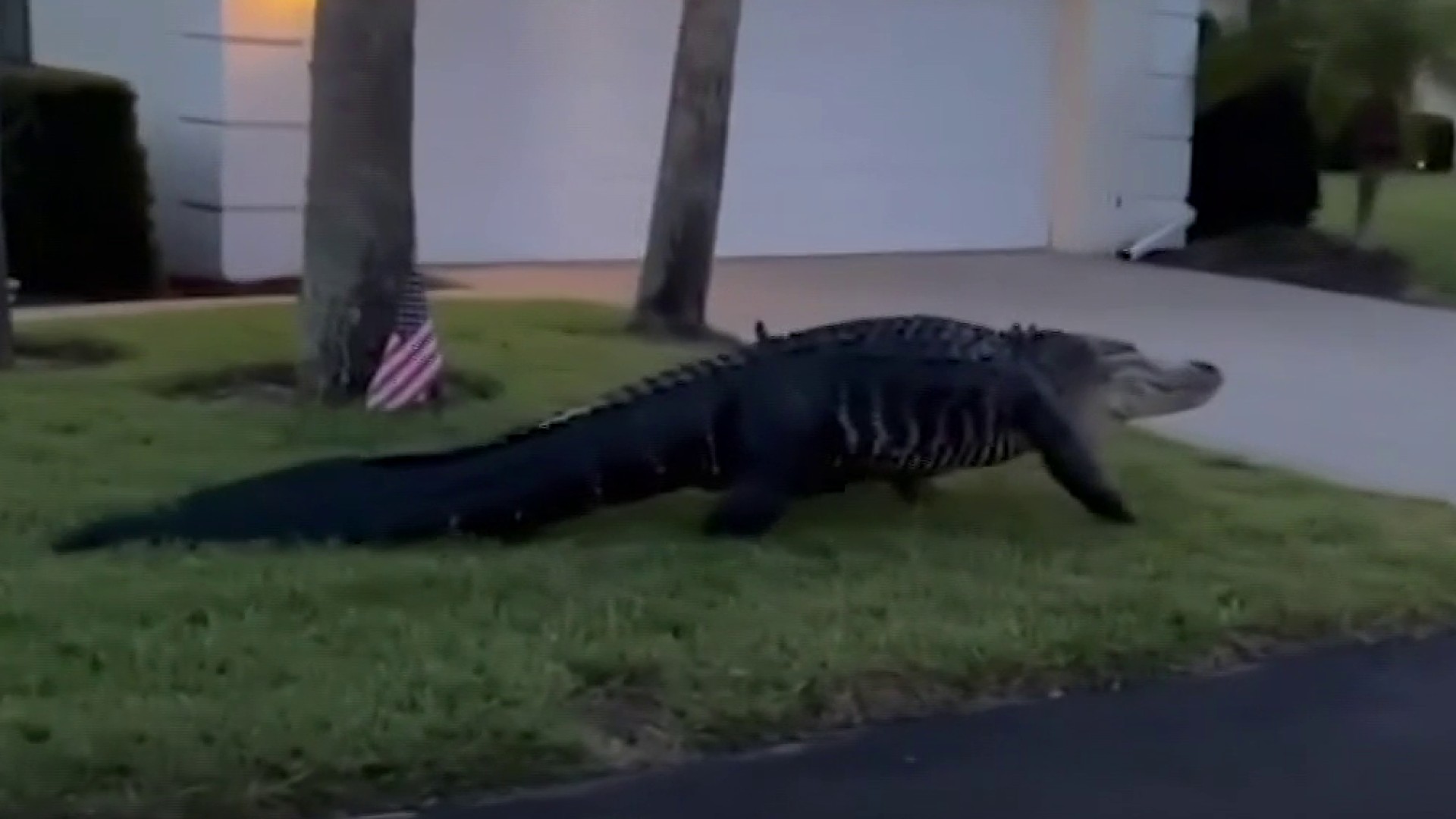
Understanding Alligator Incidents in Florida
The Florida Fish and Wildlife Conservation Commission (FWC) meticulously tracks alligator-related incidents, categorizing them to provide clarity on the nature and severity of interactions. It’s crucial to differentiate between a “nuisance alligator” — one that poses a threat to people or property — and an actual “attack,” which implies physical contact resulting in injury. Most interactions involve nuisance alligators that have become accustomed to human presence, often due to irresponsible feeding.
Defining an “Attack”
The FWC defines an alligator attack as an instance where an alligator attempts to bite or physically harms a human. These incidents are relatively rare given the large alligator population and the sheer number of people who recreate in or near alligator habitats across the state. The data collected by the FWC is essential for public safety initiatives, educational campaigns, and wildlife management strategies. These statistics are not static and can fluctuate year by year, influenced by factors such as weather patterns, human activity, and alligator population dynamics. When incidents do occur, they are thoroughly investigated to understand the contributing factors, often highlighting the importance of maintaining a safe distance and never feeding these wild animals.
The Nuisance Alligator Program
Florida’s Nuisance Alligator Program is a cornerstone of managing human-alligator interactions. This program allows residents and visitors to report alligators that are perceived as a threat. The FWC then dispatches trained nuisance alligator trappers to assess the situation. If an alligator is deemed a significant risk, it is humanely removed. This program is not about eradicating alligators but about ensuring public safety and maintaining ecological balance. The success of this program is measured not only by the number of nuisance alligators removed but also by the prevention of more serious incidents. The program is a critical component of responsible wildlife tourism in Florida, allowing visitors to experience destinations like Bok Tower Gardens or enjoy a boat tour on the St. Johns River with a greater sense of security.
Annual Statistics and Trends
The numbers for alligator attacks in Florida, while not zero, are remarkably low when considered against the backdrop of the state’s extensive alligator population and its thriving tourism industry. The FWC releases annual reports that provide a clear picture of these incidents.
Historical Data Overview
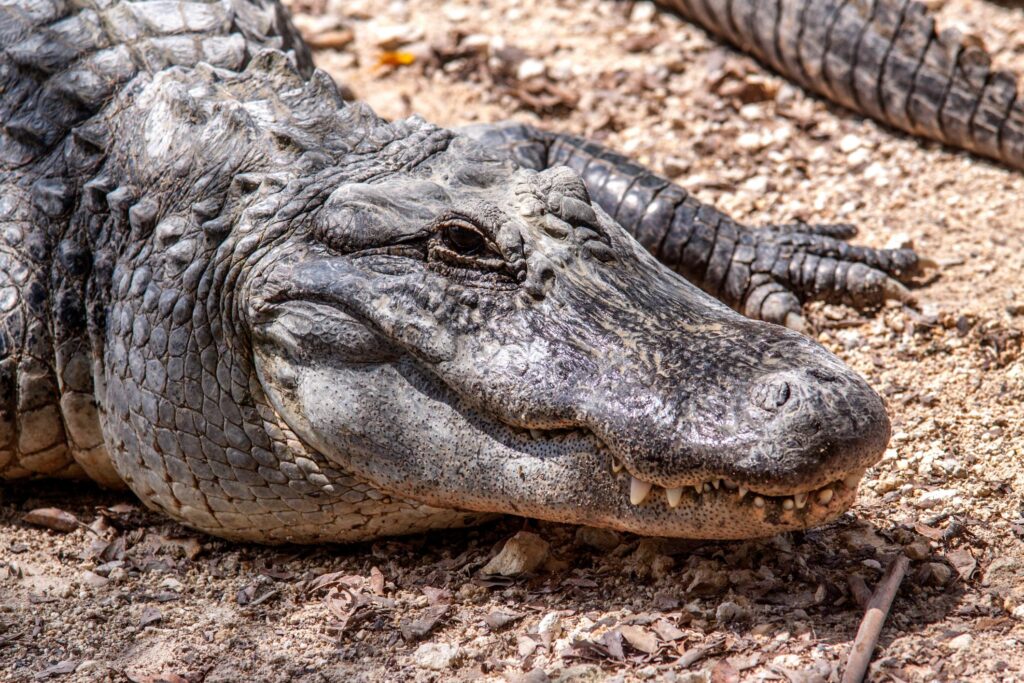
Looking at historical data, the number of documented alligator attacks resulting in fatalities or serious injuries remains exceptionally small. For instance, in many years, the number of fatal attacks can be counted on one hand, and often even fewer. Non-fatal bites, while more frequent than fatalities, are still a minority of all alligator interactions. These statistics underscore that with common sense precautions, the risk of a serious encounter is minimal. This information is vital for travelers planning a visit to popular tourist destinations such as Walt Disney World or exploring natural areas like the Ocala National Forest. The state’s commitment to managing its wildlife populations effectively contributes to these low numbers.
Factors Influencing Incident Rates
Several factors can influence the number of alligator-related incidents. The most significant is human behavior. Alligators are not inherently aggressive towards humans; they generally view people as a potential threat or, in some cases, as a food source if they have been habituated to human handouts. Irresponsible feeding, swimming in unposted waters, or approaching alligators too closely are common precursors to negative encounters. Environmental conditions also play a role. During mating season, male alligators can become more territorial and active. Extreme weather events, such as droughts that concentrate wildlife in smaller water bodies, can also increase the proximity of humans and alligators. The growing human population and development in Florida also mean more people are living and recreating in areas where alligators naturally occur, leading to an increased potential for interaction. Understanding these dynamics is crucial for enjoying Florida’s natural beauty, from the beaches of Clearwater to the swamps of the Apalachicola River.
Ensuring Safe Wildlife Encounters
While the statistics may be reassuring, safety remains paramount. Visitors and residents alike can take simple yet effective measures to ensure their alligator encounters are positive and uneventful. The goal is coexistence, allowing these magnificent creatures to thrive while ensuring human safety.
Essential Safety Guidelines for Travelers
The primary rule when visiting alligator habitats in Florida, whether it’s a state park, a golf course, or a backyard canal, is to maintain a safe distance. Alligators are wild animals and should be treated with respect. Never feed them; this is not only illegal in Florida but also the leading cause of aggressive alligator behavior. Feeding alligators makes them associate humans with food, diminishing their natural fear and leading them to approach people, which can result in dangerous situations. When visiting areas known for alligators, such as the swamps surrounding Orlando or the waterways of Tampa, always be aware of your surroundings. Avoid swimming in areas where alligators are known to inhabit, especially at dawn or dusk when they are most active. Keep pets on a leash and do not allow them to roam freely in these areas, as they can become targets for alligators. For those staying at resorts like the Ritz-Carlton Orlando, Grande Lakes that are situated near natural habitats, always adhere to posted signage and any guidelines provided by the resort.

The Role of Education and Awareness
Education is a critical component in fostering safe coexistence between humans and alligators. The FWC actively promotes educational programs and materials to inform the public about alligator behavior and safety. Understanding that alligators are an integral part of Florida’s ecosystem, and that attacks are rare when precautions are taken, can help alleviate unnecessary fear. Many tour operators in areas like the Florida Keys offer educational components to their excursions, highlighting the importance of respecting wildlife. Visitors can also access information through the MyFWC.com website, which provides comprehensive guides on alligator safety. By empowering people with knowledge, Florida ensures that its natural attractions, including its reptilian residents, can be enjoyed responsibly and safely by all. This proactive approach benefits both the environment and the tourism industry, making Florida a truly unique and captivating destination.
LifeOutOfTheBox is a participant in the Amazon Services LLC Associates Program, an affiliate advertising program designed to provide a means for sites to earn advertising fees by advertising and linking to Amazon.com. Amazon, the Amazon logo, AmazonSupply, and the AmazonSupply logo are trademarks of Amazon.com, Inc. or its affiliates. As an Amazon Associate we earn affiliate commissions from qualifying purchases.