
Florida, the Sunshine State, is renowned for its pristine beaches, vibrant cities, and world-class theme parks, but beneath the surface of this tropical paradise lies another, equally iconic, resident: the American alligator. These ancient reptiles are not just a symbol of the state’s wild heart; they are an integral part of its rich ecosystem and a captivating draw for tourists and nature enthusiasts alike. If you’re planning a trip to this enchanting corner of the United States, a burning question might be, “Just how many alligators are there in Florida, and what does that mean for my travel experience?”
The sheer abundance of alligators in Florida is often a point of fascination and sometimes apprehension for visitors. Understanding their population, behavior, and the best ways to safely observe them is key to a truly memorable and respectful journey through Florida’s natural landscapes. From the bustling tourist hubs of Orlando and Miami to the tranquil wilderness of its national parks and wildlife refuges, alligators are a ubiquitous part of the Floridian tapestry. This guide delves into the impressive numbers, where to find them, and how to safely and responsibly enjoy an encounter with these magnificent creatures, enhancing your overall travel and accommodation planning.
The Abundant Alligator Population of Florida: A Natural Wonder
Florida’s unique subtropical climate, extensive network of freshwater habitats, and robust conservation efforts have created an ideal environment for the American alligator to thrive. These factors combine to make Florida arguably the best place in the world to encounter alligators in their natural habitat, turning a simple trip into an extraordinary wildlife experience.
Estimating the Numbers: Millions of Ancient Predators
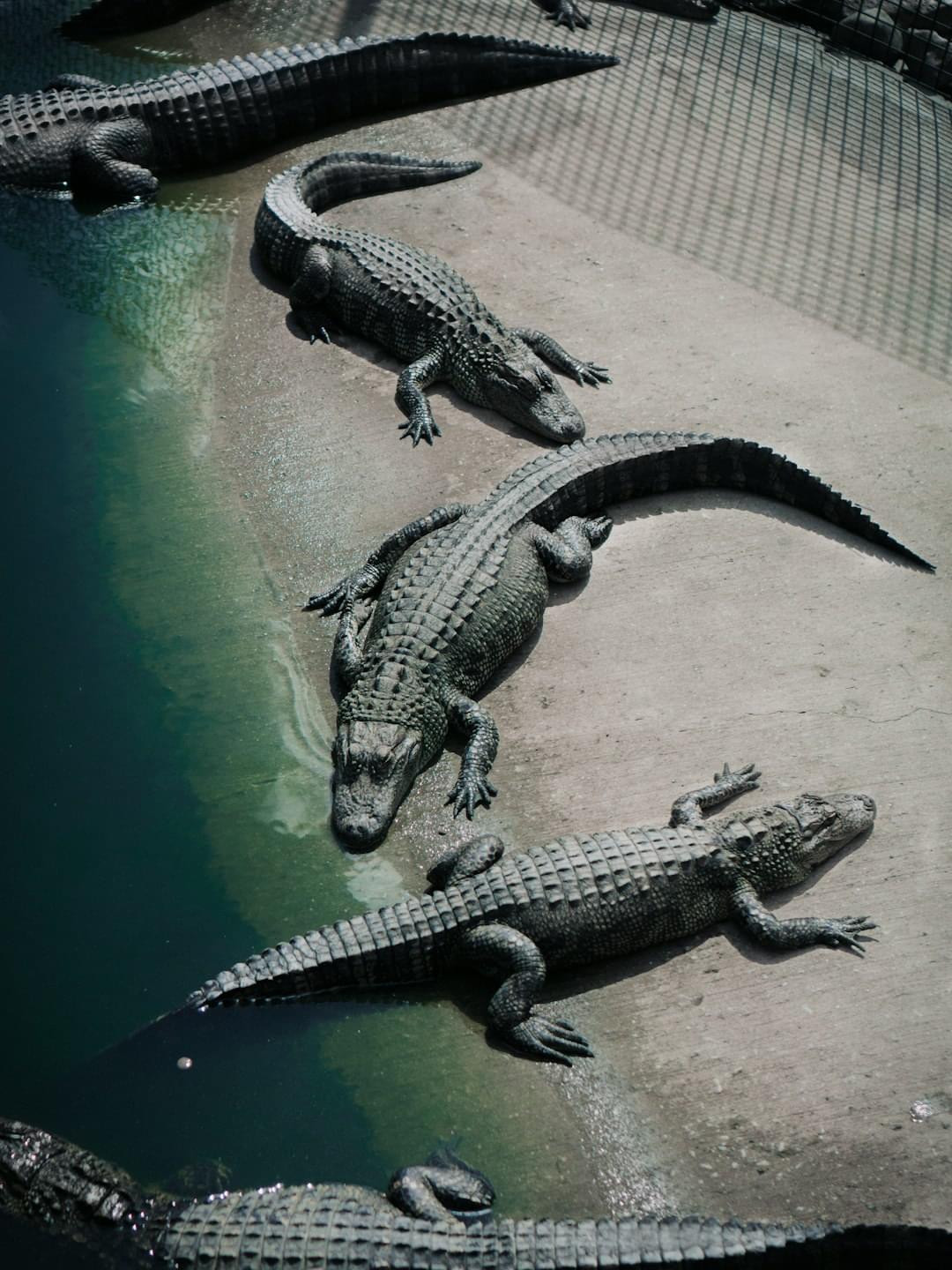
Estimating the precise number of any wild animal population is a challenge, but wildlife biologists and conservationists in Florida have developed fairly accurate models. The consensus is that there are approximately 1.3 million alligators living throughout the state. This astounding figure means that alligators are not just present; they are prolific, with a significant presence in all 67 counties of Florida. This includes virtually every body of freshwater, from vast lakes and slow-moving rivers to canals, retention ponds, and even golf course water hazards.
The American alligator (Alligator mississippiensis) has made a remarkable comeback since being placed on the endangered species list in 1967. Thanks to dedicated conservation efforts by organizations like the Florida Fish and Wildlife Conservation Commission (FWC), their populations recovered so successfully that they were removed from the list in 1987. Today, they are considered a conservation success story, their thriving numbers a testament to Florida’s commitment to preserving its natural heritage. For travelers, this means a high probability of spotting an alligator, offering a thrilling glimpse into Florida’s wild side.
Where to Spot Them: Top Destinations for Alligator Encounters
For those eager to witness these apex predators, Florida offers numerous opportunities, ranging from dedicated wildlife parks to vast, untouched wilderness areas. Integrating an alligator viewing experience into your travel itinerary is a must for any nature enthusiast.
One of the most iconic locations is Everglades National Park. Spanning 1.5 million acres of wetlands, this UNESCO World Heritage Site is a sprawling habitat teeming with alligators. Airboat tours are a popular way to explore the ‘River of Grass’ and get up close to alligators in their natural environment, often with experienced guides providing fascinating insights. The various visitor centers, like the Ernest Coe Visitor Center and Shark Valley, also offer boardwalk trails and observation decks where alligators are frequently seen basking in the sun or gliding through the water.
Another prime spot is Gatorland, located in Orlando. Billed as the “Alligator Capital of the World,” this classic Florida attraction combines a theme park, wildlife preserve, and educational facility. Here, visitors can safely observe thousands of alligators and crocodiles, participate in thrilling shows, and even zip-line over alligator habitats. It’s a fantastic option for families and those looking for a more curated and guaranteed alligator experience, perfect for integrating into a wider Orlando vacation focused on theme parks and family fun.
Beyond these major attractions, numerous state parks and national wildlife refuges offer excellent opportunities. Myakka River State Park near Sarasota is known for its abundant wildlife, including a large alligator population visible from its boat tours and canopy walkway. The Arthur R. Marshall Loxahatchee National Wildlife Refuge in Boynton Beach and St. Marks National Wildlife Refuge in the Panhandle also offer serene environments for alligator spotting, often with fewer crowds. Even in urban areas like Fort Lauderdale and Naples, canal systems and nature preserves often host these reptiles, reminding visitors that Florida’s wild heart beats close to its developed areas.
Alligators and Florida’s Ecosystem & Tourism: A Symbiotic Relationship
The alligator’s presence in Florida extends beyond mere numbers; it profoundly influences both the state’s delicate ecological balance and its vibrant tourism industry. Understanding this symbiotic relationship can enrich a traveler’s appreciation for Florida’s natural environment and the diverse experiences it offers.
Their Role in Nature: Architects of the Wetlands
Alligators are true keystone species, meaning their presence is crucial for the health and stability of their ecosystem. As apex predators, they help regulate populations of other animals, maintaining biodiversity within Florida’s wetlands. Their most significant ecological role, however, is as “ecosystem engineers.” During dry seasons, alligators dig “gator holes” in marshes and swamps, creating critical water refuges for fish, insects, turtles, and other wildlife. These gator holes become biodiversity hotspots, allowing many species to survive drought conditions. When the rains return, these expanded depressions help to disperse water and nutrients across the landscape. This natural engineering directly contributes to the unique character of places like the Everglades, which draws millions of tourists annually.
For the eco-conscious traveler, recognizing the alligator’s vital role deepens the experience of visiting Florida’s natural parks. It transforms a simple wildlife sighting into an understanding of a complex, interconnected web of life, making the visit not just an observation but an educational journey into ecological science.
Alligator-Related Tourist Attractions: Engaging Experiences
Florida has masterfully integrated its alligator population into its tourism offerings, creating unique and educational attractions that cater to a wide range of interests. These attractions not only provide safe viewing opportunities but also contribute significantly to the local economy and conservation efforts.
Beyond Gatorland, which provides a comprehensive, fun-filled experience, many other attractions focus on alligator encounters. Various companies offer guided airboat tours, particularly in the Everglades and around Lake Okeechobee and the St. Johns River. These tours allow visitors to glide over the water at high speeds, then slow down for intimate wildlife viewing, often accompanied by knowledgeable guides who share facts about the alligators and their habitat. Companies like Wild Florida in Kissimmee offer similar experiences, often combined with drive-through safaris or other animal encounters.
These attractions provide thrilling adventures for families and solo travelers alike, offering a different kind of “ride” than the typical theme park. They are crucial components of Florida’s tourism strategy, attracting visitors who seek authentic wildlife experiences alongside more conventional leisure activities. Many of these operators also contribute to alligator research and rescue efforts, demonstrating a commitment to the animals they showcase.
Educational Experiences: Learning About Conservation
A significant aspect of alligator-related tourism in Florida is the emphasis on education and conservation. Facilities like Gatorland and numerous state parks provide extensive interpretive programs that teach visitors about alligator biology, behavior, and the importance of wetland conservation. Park rangers, wildlife experts, and professional guides lead presentations, nature walks, and boat tours, offering insights into these reptiles’ lives and the broader ecosystem.
For the curious traveler, these educational components are invaluable. They move beyond mere spectacle, fostering a deeper understanding and appreciation for these creatures and the delicate balance of their environment. Learning about responsible wildlife viewing, the challenges of habitat preservation, and the success of alligator conservation efforts encourages visitors to become advocates for nature. This aligns perfectly with a lifestyle of conscious travel, where experiences are not just enjoyed but also understood and respected. It empowers travelers to make informed decisions and encourages them to support sustainable tourism practices that protect Florida’s unique wildlife for future generations.
Coexisting with Alligators: Safety Tips for Travelers
While the idea of seeing an alligator in the wild is thrilling, it’s paramount for travelers to approach these encounters with respect and caution. Alligators are wild animals, and understanding how to safely coexist with them is crucial for a positive and incident-free Florida experience.
Understanding Alligator Behavior: What You Need to Know
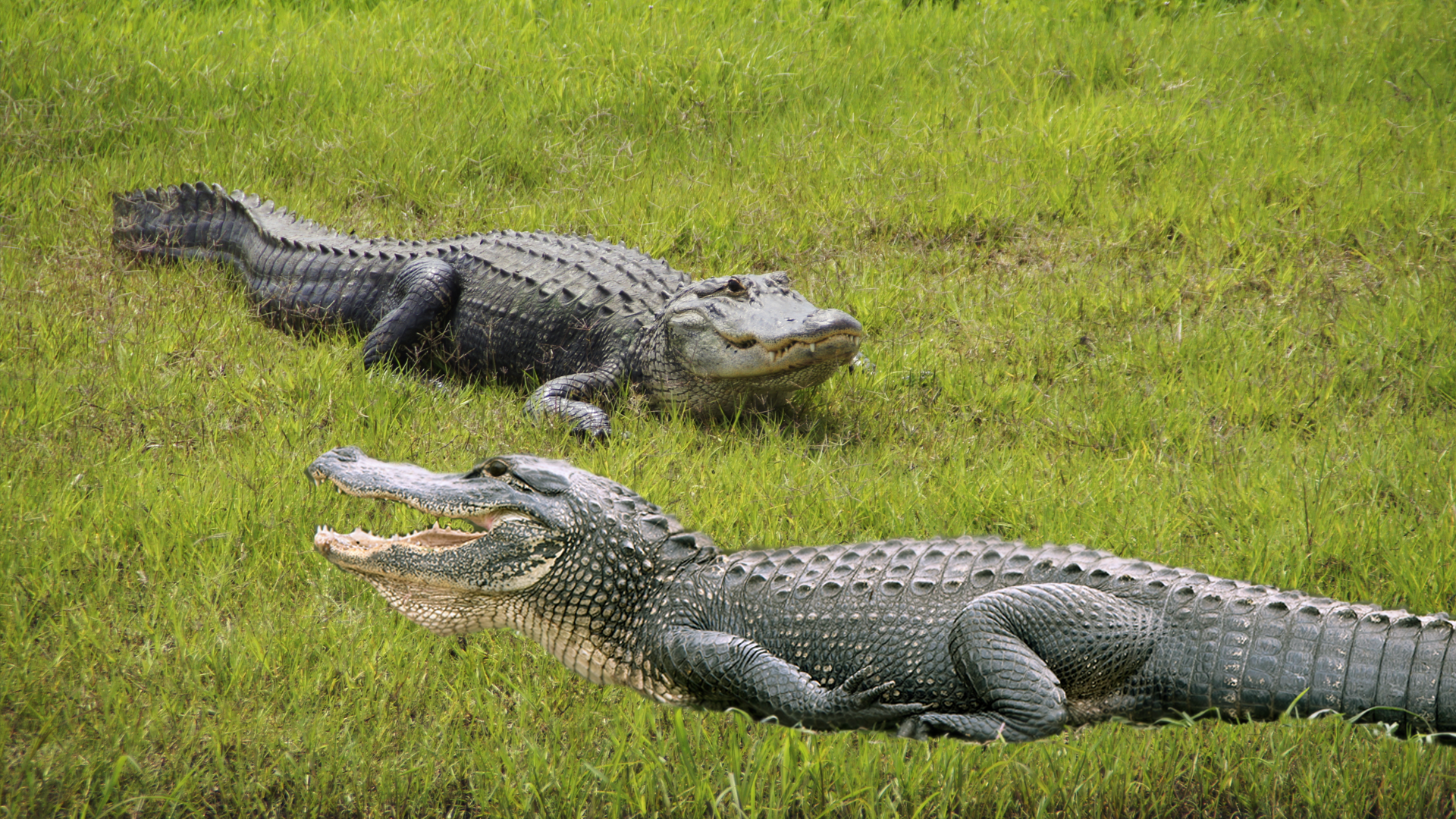
Alligators are naturally wary of humans and typically avoid confrontation. However, they are powerful predators, and their behavior can be unpredictable, especially if provoked or if they associate humans with food. They are cold-blooded, meaning they rely on external sources to regulate their body temperature. You’ll often see them basking in the sun on land or floating motionlessly in water, particularly during cooler mornings or evenings. They are most active during warmer months and at dawn and dusk.
Female alligators can be territorial, especially when nesting. Nesting season typically runs from late spring through summer. It’s vital to give any alligator, particularly a female with young, a wide berth. Alligators are also opportunists; they will consume anything they can overpower, including small pets. Their powerful jaws and sharp teeth are designed for crushing and tearing, so never underestimate their capabilities. Understanding these basic behavioral patterns is the first step in ensuring your safety and respecting their natural habitat.
Essential Safety Guidelines for Responsible Tourism
The Florida Fish and Wildlife Conservation Commission (FWC) provides clear guidelines for safe interactions with alligators. Adhering to these tips is not just about personal safety; it’s about promoting responsible tourism and protecting these magnificent animals.
- Never Feed Alligators: This is the most critical rule. Feeding alligators makes them lose their natural fear of humans and associate people with food. This habituation is dangerous for both humans and alligators, often leading to the alligator being deemed a “nuisance” and potentially removed or euthanized. It is also illegal.
- Keep Your Distance: Always maintain a safe distance from alligators, both on land and in the water. A general rule of thumb is to stay at least 30 feet (9 meters) away. Never approach a basking alligator, attempt to pet it, or try to take a selfie. Use binoculars or a zoom lens for close-up viewing.
- Swim Only in Designated Areas: Alligators inhabit all freshwater bodies in Florida. Only swim in areas clearly marked as safe for swimming. Avoid swimming or wading in natural freshwater at dawn, dusk, or night when alligators are most active.
- Supervise Children and Pets: Small children and pets are similar in size to an alligator’s natural prey. Always keep children close to you and keep pets on a leash and away from the water’s edge, especially near lakes, ponds, or canals. Never let pets drink from or swim in unsupervised natural waters.
- Be Aware of Your Surroundings: When near water, be vigilant. Look for signs of alligator activity, such as slides on banks or disturbances in the water. Use caution when retrieving golf balls or other items from the water.
- Report Nuisance Alligators: If you encounter an alligator that is aggressive, unusually large, or appears to be a threat to people or pets, contact the FWC’s Nuisance Alligator Hotline immediately. Do not attempt to handle the situation yourself.
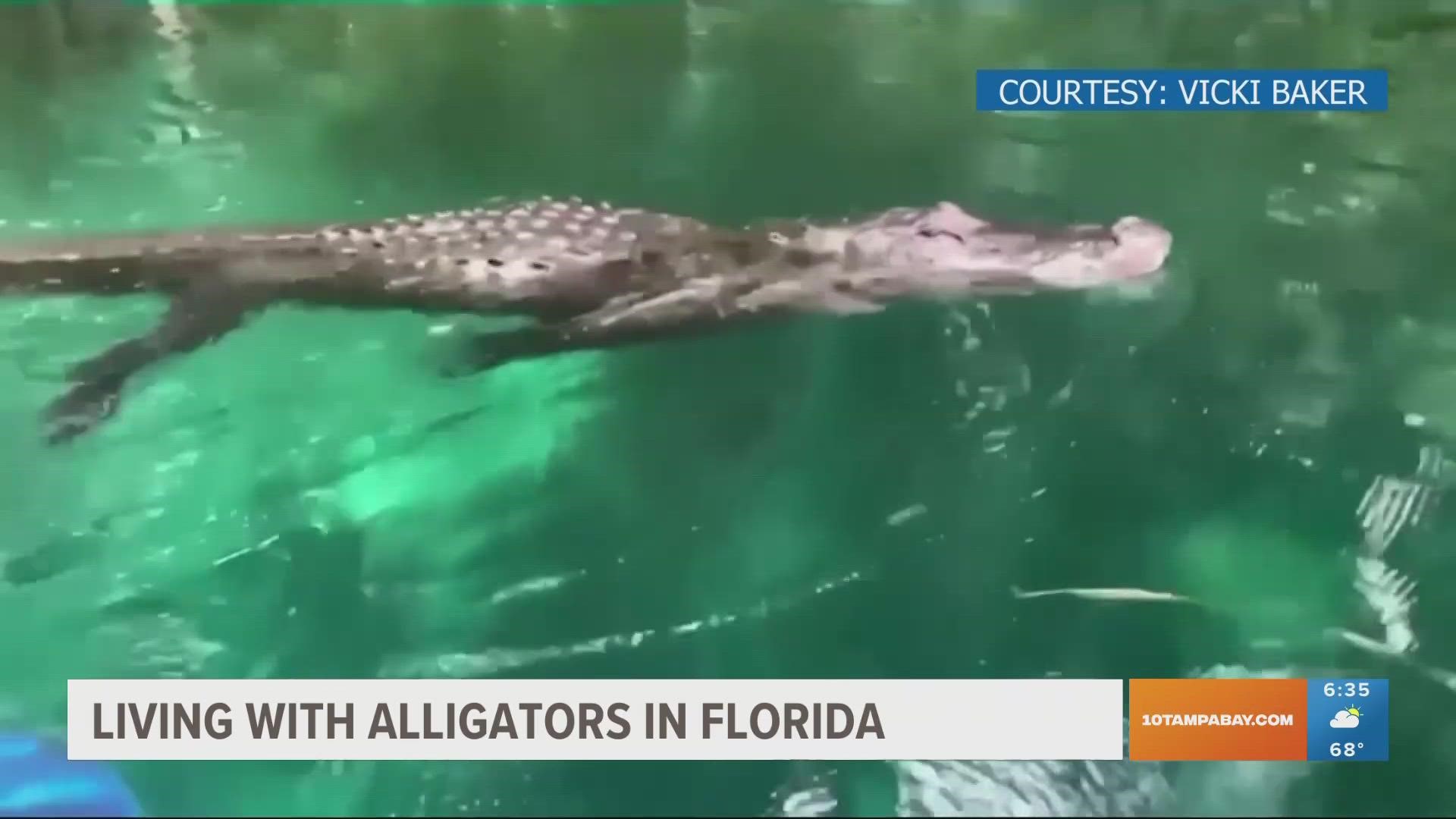
By following these simple yet crucial guidelines, travelers can safely enjoy Florida’s stunning natural beauty and its iconic alligator residents, contributing to a culture of respectful and responsible tourism.
Planning Your Florida Trip: Alligator Encounters & Accommodation
Integrating alligator viewing into your Florida vacation can be a highlight, offering a unique blend of adventure and nature immersion. Thoughtful planning can enhance this experience, especially concerning the best times to visit and where to stay.
Best Seasons for Viewing: Timing Your Wildlife Adventure
While alligators are present year-round, certain seasons offer better viewing opportunities due to their behavioral patterns. The warmer months, generally from April to October, are when alligators are most active. As cold-blooded reptiles, they seek out the sun to warm up, making them more visible basking along canal banks, lake shores, and riverbeds. This period also coincides with their nesting and breeding season, which can lead to increased activity and territorial displays, offering dynamic viewing experiences.
Conversely, during the cooler winter months (November to March), alligators become less active. They enter a state of brumation (a reptilian form of hibernation) and may retreat to dens or spend more time underwater, making them harder to spot. Therefore, if an alligator encounter is high on your travel priorities, planning your trip during the spring, summer, or early fall will yield the best results. This timing also aligns well with other popular Florida attractions, allowing for a diverse itinerary.
Accommodation Choices Near Wildlife Areas: Eco-Friendly Stays
When planning your trip, consider accommodation options that place you conveniently close to prime alligator viewing locations or offer their own unique natural settings. For those venturing to the Everglades National Park, towns like Homestead, Florida City, or even Miami (a bit further north) provide a range of hotels, from budget-friendly options to more luxurious resorts. Some eco-lodges and boutique hotels located on the fringes of natural preserves offer immersive experiences, sometimes with private docks or nature trails where wildlife, including alligators, might be seen from a safe distance.
If your focus is on attractions like Gatorland or Wild Florida, staying in Orlando or Kissimmee provides a vast array of hotels, resorts, and vacation rentals. Many of these accommodations cater to families, offering amenities that complement a full day of adventure. For a more serene experience, consider hotels or cabins near state parks like Myakka River State Park, offering a tranquil retreat after a day of wildlife observation. Searching for “eco-friendly resorts Florida” or “hotels near nature preserves” on booking sites can help uncover stays that align with a nature-focused itinerary and a responsible lifestyle. Always check reviews for proximity to natural areas and ensure the accommodation adheres to environmental best practices.
Integrating Alligator Experiences into Your Itinerary: A Balanced Approach
A well-rounded Florida itinerary can seamlessly blend thrilling alligator encounters with other popular attractions. For example, you could spend a morning on an airboat tour in the Everglades or at Gatorland, then transition to a relaxing afternoon on one of Florida’s famous beaches, or an evening enjoying Orlando’s vibrant dining and entertainment scene.
Consider combining your wildlife adventure with cultural experiences in cities like St. Augustine, the nation’s oldest city, or art deco exploration in Miami’s South Beach. For families, a day at Busch Gardens or Disney World could be followed by a visit to a nearby nature center or state park for a dose of wild Florida. The key is to allocate sufficient time for each activity and factor in travel time between destinations. Utilizing online travel guides and destination-specific resources can help you craft an itinerary that balances adventure, relaxation, and cultural immersion, ensuring your trip to Florida is as diverse and exciting as the state itself.
In conclusion, Florida’s approximately 1.3 million alligators are a testament to the state’s incredible biodiversity and successful conservation efforts. These magnificent reptiles offer a captivating glimpse into the wild heart of the Sunshine State, making alligator encounters a must-do for many travelers. By understanding their behavior, adhering to essential safety guidelines, and planning your trip thoughtfully, you can enjoy thrilling and educational experiences that connect you deeply with Florida’s natural wonders. Whether you choose a dedicated wildlife park or venture into the vast wilderness, respectful observation and responsible tourism ensure that both visitors and alligators can continue to thrive in this unique and beautiful environment.
LifeOutOfTheBox is a participant in the Amazon Services LLC Associates Program, an affiliate advertising program designed to provide a means for sites to earn advertising fees by advertising and linking to Amazon.com. Amazon, the Amazon logo, AmazonSupply, and the AmazonSupply logo are trademarks of Amazon.com, Inc. or its affiliates. As an Amazon Associate we earn affiliate commissions from qualifying purchases.