
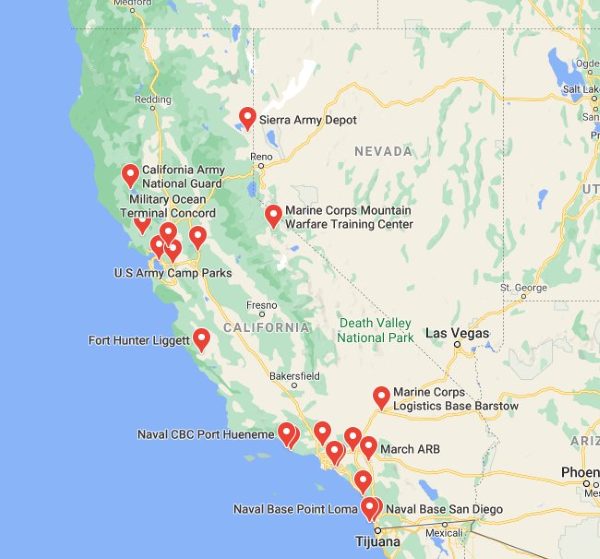
California, often celebrated for its sprawling coastlines, tech innovation, and Hollywood glamour, also holds a profound and enduring legacy as a cornerstone of United States military operations. This extensive presence has shaped its history, economy, and landscape, creating numerous significant military landmarks across the state. While popular perception might lean towards naval ports or airfields, the U.S. Army maintains a critical, albeit often less visible, footprint. Understanding the number and nature of these Army bases requires a look beyond simple counts, delving into their strategic importance, historical evolution, and their role as pivotal landmarks within the Golden State.
California’s Strategic Military Significance: A Historical Perspective
The military’s presence in California dates back centuries, long before statehood, evolving from early Spanish presidios to crucial defense outposts and training grounds. These sites, many of which were or became Army installations, stand as historical landmarks, marking the state’s strategic importance across different eras.
Early Foundations and Coastal Defenses
The earliest military establishments in California were the Spanish presidios, such as those in San Diego, Monterey, and San Francisco, founded in the late 18th century. These fortifications were designed to protect Spanish colonial interests and provide a base for expansion. Following California’s annexation by the United States in the mid-19th century, many of these sites were adopted and expanded by the U.S. Army. Landmarks like the Presidio of San Francisco, originally a Spanish fort and later a vital U.S. Army post for nearly 150 years, represent this continuity. It served as a command center, training ground, and point of embarkation for troops in various conflicts, from the Spanish-American War to Vietnam. Similarly, the Presidio of Monterey, another former Spanish presidio, has a rich history under U.S. Army control, transitioning from a cavalry post to its modern role.
The discovery of gold in California and its subsequent population boom further cemented the need for military presence. Forts were established to protect settlers, maintain order, and manage relations with Native American tribes. Coastal defenses became paramount, especially during the Civil War and subsequent global conflicts, with the Army constructing fortifications like Fort Point beneath the future Golden Gate Bridge to guard San Francisco Bay. These historical sites today serve as powerful reminders of the Army’s foundational role in the state’s development and defense.
Twentieth-Century Expansion and Modern Roles
The two World Wars and the Cold War dramatically expanded the military footprint in California, establishing numerous training centers, logistics hubs, and testing grounds. While many of these became Navy, Marine Corps, or Air Force installations, the U.S. Army also saw significant growth. The vast, undeveloped lands of the Mojave Desert, in particular, proved ideal for large-scale training maneuvers, leading to the establishment of key facilities that remain active today.
Post-Cold War reorganizations and base closures (BRAC rounds) led to the deactivation of many historic Army posts, including the venerable Presidio of San Francisco, which transitioned to national park status. However, the remaining Army installations have adapted to new challenges, focusing on cutting-edge training, specialized language instruction, and critical logistics support for global operations. These modern facilities continue the legacy of their predecessors as essential landmarks in the nation’s defense strategy.
Defining “Army Base”: A Look at Active U.S. Army Installations
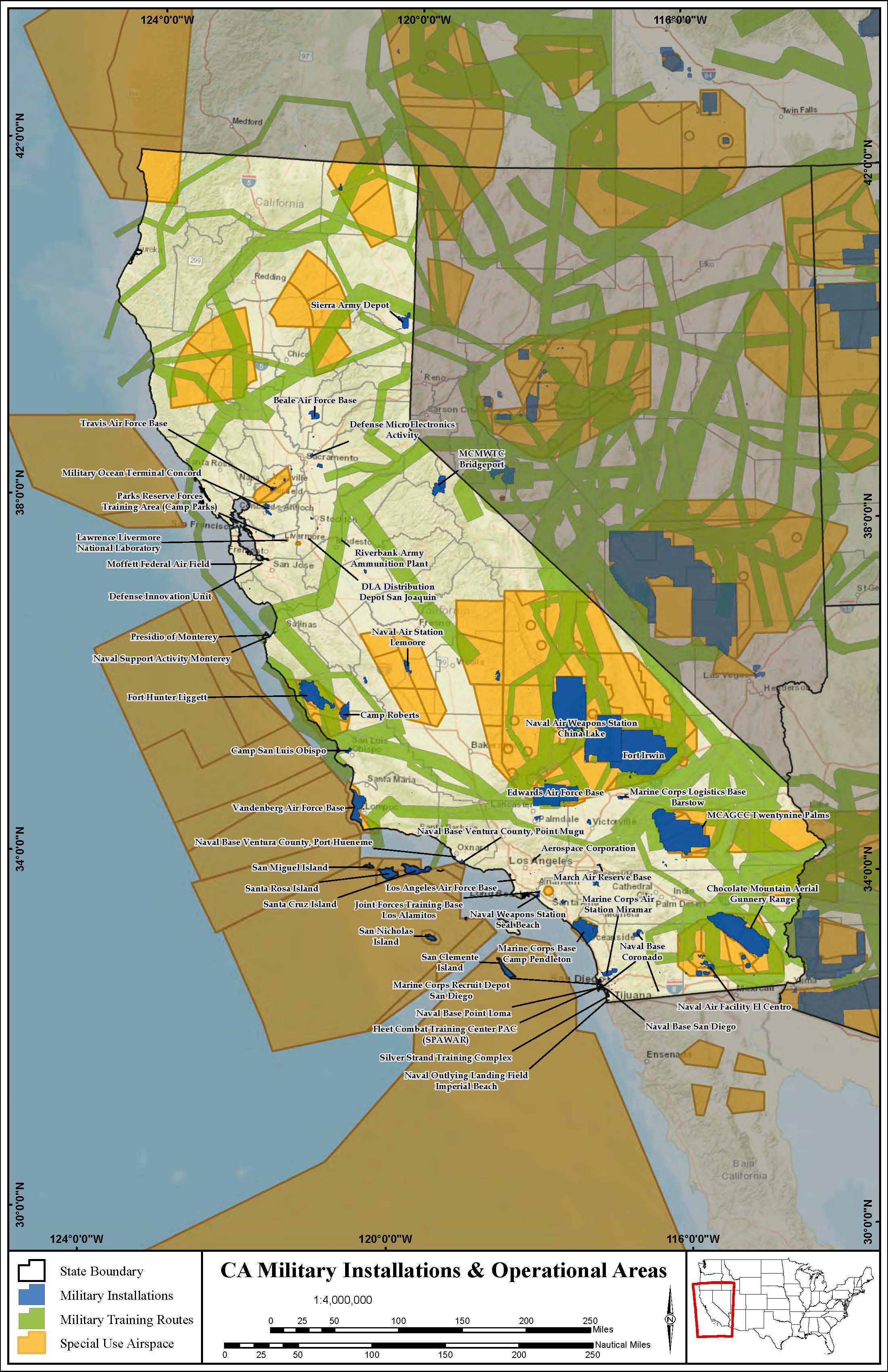
When discussing “Army bases” in California, it’s important to differentiate between large, active-duty installations, smaller reserve centers, and facilities managed by other military branches. While California hosts an extensive network of military installations, the number of large, active “Army bases” (primarily managed by the U.S. Army directly) is relatively focused, reflecting the Army’s strategic priorities within the state.
Key Active Duty Army Installations
As of recent data, California is home to a few prominent active-duty Army installations, each serving a highly specialized and critical function:
- Fort Irwin National Training Center: Located deep within the Mojave Desert near Barstow, Fort Irwin is arguably the most significant active U.S. Army base in California. It serves as the premier maneuver warfare training center for the U.S. military, where brigade-sized units undergo realistic, immersive combat simulations against a highly trained opposing force. Its vast size and challenging terrain make it an irreplaceable landmark for combat readiness.
- Presidio of Monterey: While historically a full Army post, the Presidio of Monterey today is primarily known as the home of the Defense Language Institute Foreign Language Center (DLIFLC). This institution is a world-renowned center for foreign language instruction, training thousands of military personnel in critical languages for intelligence, diplomacy, and global operations. Although smaller in physical footprint than Fort Irwin, its strategic importance in national security is immense, making it a vital educational landmark.
- Parks Reserve Forces Training Area (PRFTA): Situated in Dublin, PRFTA is a crucial joint-use facility that primarily supports Army Reserve and National Guard units. It provides facilities for training, mobilization, and administrative functions for a wide array of reserve component units in Northern California. While not an active-duty maneuver base, its role in maintaining military readiness for reserve forces is essential.
Thus, in terms of large, active, conventional “Army bases” under direct U.S. Army command, the number is relatively small, focusing on these three critical installations.
Important Reserve and National Guard Facilities
Beyond these large active-duty posts, the U.S. Army maintains a substantial presence through its reserve components. The California Army National Guard and the U.S. Army Reserve operate dozens of armories, training sites, and readiness centers scattered across the state. These facilities, while not “bases” in the same sense as Fort Irwin, are vital landmarks for local communities, serving as recruitment centers, training grounds for citizen-soldiers, and hubs for emergency response. Examples include the numerous Army Reserve Centers and National Guard armories found in major cities like Los Angeles, Sacramento, and San Diego, and smaller towns across the state. These decentralized facilities ensure the Army’s reach extends throughout California, allowing for localized support and rapid response capabilities.
Supporting Army Facilities and Districts
In addition to the aforementioned bases and reserve centers, the U.S. Army Corps of Engineers maintains districts in Sacramento and Los Angeles, which are crucial for civil works projects, infrastructure development, and emergency management across the state and region. While not combat bases, these offices represent another facet of the Army’s enduring presence and contribution to California’s landscape and public welfare.
The Broader Military Landscape Beyond Active Army Bases
It’s impossible to discuss the military presence in California without acknowledging the extensive installations of other branches, which often overshadow the Army’s footprint in terms of sheer number and public visibility. These non-Army military landmarks contribute significantly to the state’s strategic importance.
Prominent Installations of Other Branches
California is home to some of the largest and most critical bases for the U.S. Marine Corps, U.S. Navy, and U.S. Air Force.
- The Marine Corps operates Marine Corps Base Camp Pendleton, a vast training area in Southern California, and Marine Corps Air Ground Combat Center Twentynine Palms, another desert training facility.
- The Navy’s presence is particularly strong, with major naval bases in San Diego (including Naval Base San Diego, home to a large portion of the Pacific Fleet) and Ventura County (Naval Base Ventura County).
- The Air Force has significant installations like Edwards Air Force Base, a premier flight test center, and Travis Air Force Base, a major air mobility hub.
These installations, while not Army bases, are integral to the broader military landscape of California and often collaborate with Army units in joint exercises and logistics. Their imposing size and critical functions make them unmistakable landmarks, shaping the regions where they reside.
Enduring Legacy of Former Military Sites
Many former Army posts and facilities across California have transitioned into civilian use, yet their military heritage remains an indelible part of their identity. The Presidio of San Francisco, now a national park, stands as a prime example. Its historic buildings, parade grounds, and strategic position overlooking the Golden Gate embody centuries of military history. Other former sites, like the Oakland Army Base (now undergoing redevelopment), have left significant physical and economic footprints. These transformed spaces, though no longer active military installations, continue to serve as historical landmarks, offering insights into California’s past and the evolution of its urban and rural landscapes.
The Impact of Military Landmarks on California Communities and Heritage
The presence of Army bases, both active and historic, has had a profound and multifaceted impact on California’s communities, contributing to its economic vitality, social fabric, and historical narrative. These military landmarks are more than just strategic outposts; they are integral parts of the state’s identity.
Economic and Social Contributions
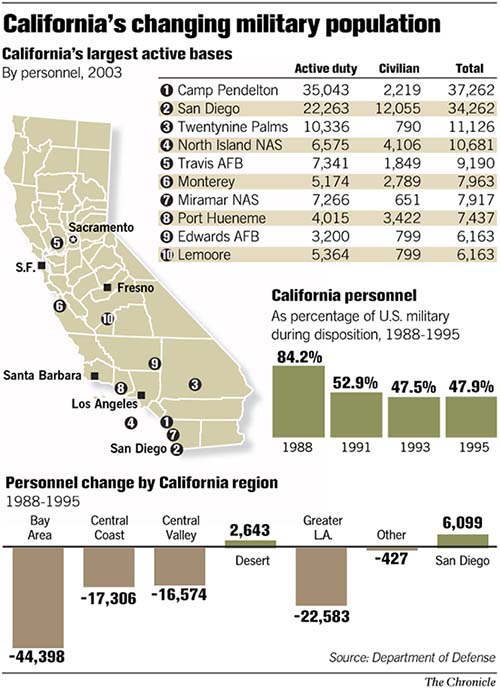
Active Army bases like Fort Irwin are significant economic engines for their surrounding rural communities, providing thousands of jobs for military personnel and civilian contractors. They stimulate local businesses, contribute to housing markets, and support schools and healthcare services. The constant rotation of military families also brings a diverse cultural dynamic to these areas. Similarly, the numerous Army Reserve and National Guard facilities contribute to local economies through salaries and purchases, while also integrating service members into the community as neighbors and civic participants. These installations, therefore, function as economic and social landmarks, their presence shaping the demographic and financial landscape of their regions.
Accessible Military History and Memorials
While most active military bases have restricted public access for security reasons, California offers numerous opportunities for the public to engage with its rich military history. Many former Army installations and related sites have been preserved as historical landmarks and parks, providing educational and recreational experiences.
- The aforementioned Presidio of San Francisco allows visitors to explore historic buildings, museums, and scenic trails that tell the story of its military past.
- Fort Point, a National Historic Site, offers guided tours and interpretive displays about its role in coastal defense.
- The California Military Museum in Sacramento houses extensive collections of artifacts, documents, and exhibits detailing the state’s military history, including significant contributions from the U.S. Army and its reserve components.
- Throughout the state, monuments and memorials honor the service and sacrifice of Army personnel, from local community parks to grand state memorials. These accessible landmarks allow citizens to connect with the state’s military heritage, understand the role of the Army, and pay tribute to those who served.
In conclusion, while the number of large, active U.S. Army bases in California is concentrated on a few strategically vital installations like Fort Irwin and the Presidio of Monterey, the Army’s footprint extends far wider. Its historical presence, vast network of National Guard and Reserve facilities, and the enduring legacy of former posts all contribute to a rich tapestry of military landmarks across the state. These sites, whether active or historic, are integral to California’s identity, shaping its landscape, economy, and understanding of its place in national defense.
LifeOutOfTheBox is a participant in the Amazon Services LLC Associates Program, an affiliate advertising program designed to provide a means for sites to earn advertising fees by advertising and linking to Amazon.com. Amazon, the Amazon logo, AmazonSupply, and the AmazonSupply logo are trademarks of Amazon.com, Inc. or its affiliates. As an Amazon Associate we earn affiliate commissions from qualifying purchases.