
The Lone Star State, a vast expanse of diverse landscapes and rich history, is also home to a significant military presence. Within its borders lie several crucial installations that serve as cornerstones of the United States Army’s operational capabilities. Understanding the distribution and significance of these Army bases offers a compelling glimpse into the state’s strategic importance and its deep-rooted connection to national defense. For those interested in the military geography of Texas, or perhaps planning a visit to areas near these installations, this overview provides essential insights.
Major Army Installations in Texas
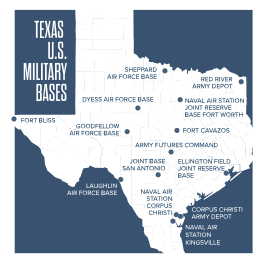
Texas boasts several of the nation’s largest and most critical Army posts, each contributing uniquely to the defense infrastructure. These bases are not merely training grounds but are hubs of advanced military technology, home to formidable units, and significant economic drivers for their surrounding communities.

Fort Cavazos: A Powerhouse of Readiness
Formerly known as Fort Hood, Fort Cavazos stands as one of the largest active duty posts in the United States, covering an impressive 214,000 acres. Situated in the heart of Central Texas, near the city of Killeen, this installation is home to the First Cavalry Division and the 1st Armored Division, among other significant units.
Mission and Capabilities
Fort Cavazos is renowned for its extensive training facilities, which enable large-scale combined arms exercises. Its vast maneuver space allows for the realistic simulation of combat scenarios, preparing soldiers for deployment in diverse environments. The base houses a wide array of combat vehicles, aircraft, and sophisticated communication systems, making it a premier location for modern warfare training.
Historical Significance and Evolution
Established in 1942, Fort Cavazos has played a pivotal role in numerous conflicts, from World War II to operations in Iraq and Afghanistan. The recent renaming from Fort Hood to Fort Cavazos in 2023 honored the legacy of General Richard E. Cavazos, a decorated Korean and Vietnam War veteran of Hispanic heritage, reflecting a broader effort to rename bases honoring Confederate figures. This change underscores the evolving narrative and recognition within the U.S. Army.
Fort Bliss: A Southwestern Stronghold
Located in El Paso, Texas, Fort Bliss is another colossal Army installation, sprawling over 1.12 million acres of land. This makes it one of the largest Army installations in both the United States and the world, primarily serving as a training and mobilization hub for Southwest border operations and beyond.
Strategic Location and Training Environment
The proximity of Fort Bliss to the U.S.-Mexico border grants it a unique strategic advantage for missions related to border security and interagency cooperation. The arid, desert environment provides an ideal setting for training in desert warfare, essential for operations in many parts of the world. It is home to the 1st Armored Division and the 3rd Armored Cavalry Regiment.
Modernization and Future Role
Fort Bliss has undergone significant modernization in recent years, with substantial investment in infrastructure, barracks, and training facilities. This ensures it remains at the forefront of military readiness, capable of supporting large-scale deployments and complex training exercises. Its role in national defense, particularly concerning the southern frontier and as a force projection platform, remains critically important.
Other Key Army Installations
Beyond the two largest installations, Texas hosts other vital Army facilities that contribute to its defense landscape.
Red River Army Depot
Located near Texarkana, Red River Army Depot plays a crucial role in logistics and maintenance. It is a major center for the repair and refurbishment of Army vehicles and equipment, ensuring that the U.S. military maintains its operational readiness. The depot’s workforce of civilian employees is essential to its function, demonstrating the close partnership between military personnel and the surrounding civilian community.
Joint Base San Antonio
While Joint Base San Antonio encompasses multiple installations, including Lackland Air Force Base, Fort Sam Houston, and Camp Bullis, Fort Sam Houston specifically hosts significant Army commands and training elements. It is a major center for medical training and readiness, producing healthcare professionals for the Army. The integration of these installations under a joint command structure enhances operational efficiency and inter-service cooperation.
Other Training Sites and Facilities
Texas also hosts numerous smaller training sites, reserve centers, and National Guard facilities scattered across the state. These, while not as large as the major installations, are vital for maintaining a distributed network of readiness, supporting local recruitment, and providing essential training opportunities closer to various communities. These smaller sites contribute to the overall strength and accessibility of Army resources in Texas.
The Economic and Social Impact of Army Bases in Texas
The presence of these large Army installations has a profound impact on the economic and social fabric of Texas. They are significant employers, drawing both military personnel and civilian workers, and their presence stimulates local economies through procurement, services, and the spending power of their inhabitants.
Economic Contributions
Army bases are major economic engines for their host regions. They create thousands of jobs, ranging from highly skilled technical roles to administrative and support positions. The substantial payroll of soldiers and civilian employees, coupled with the procurement of goods and services from local businesses, injects billions of dollars into the Texas economy annually. This economic activity supports retail, housing, and various service industries, fostering growth and stability in communities surrounding the bases. For instance, the economic ripple effect from Fort Cavazos and Fort Bliss is particularly pronounced in their respective regions of Central Texas and West Texas.
Community Relations and Outreach
Strong relationships between Army bases and their surrounding communities are essential for mutual support and understanding. Many bases actively engage in outreach programs, collaborating with local schools, charities, and civic organizations. This engagement fosters a sense of partnership, making the communities welcoming to military families and strengthening the bond between the armed forces and the populace. Events such as base open houses, family days, and participation in local parades allow civilians to connect with military life and understand the contributions of the U.S. Army.
Quality of Life for Service Members and Families
The quality of life for soldiers and their families is a significant consideration for Army installations. Bases like Fort Cavazos and Fort Bliss offer a wide range of amenities and services, including housing, healthcare, education, recreational facilities, and childcare. These support systems are designed to ensure that service members and their families are well-cared for, contributing to morale and retention. The presence of these services also makes the surrounding towns and cities attractive places to live for military personnel during their assignments.
The Role of Texas in National Defense Strategy
The sheer scale and strategic positioning of Army bases in Texas underscore the state’s critical importance in the broader national defense strategy of the United States.
Training and Readiness Hubs
Texas provides unparalleled training environments for the U.S. Army. The vast open spaces, varied terrain, and favorable climate allow for realistic and comprehensive training exercises that are essential for maintaining a high level of combat readiness. The ability to conduct large-scale maneuvers, combined arms training, and specialized operations makes Texas an indispensable location for preparing forces for global deployments.
Logistics and Power Projection
The numerous installations, including Red River Army Depot, facilitate the logistical support necessary for the military. Fort Bliss, with its extensive infrastructure, serves as a critical node for deploying forces towards the southern border and as a staging area for operations elsewhere. The state’s robust transportation networks, including highways, railways, and airfields, further enhance its capacity for power projection.

A testament to Enduring Commitment
The presence of multiple major Army bases in Texas is a testament to the state’s enduring commitment to national security. These installations are not static entities but are continuously evolving, adapting to new technologies and emerging threats. They represent a significant investment in the nation’s defense and a vital component of its strategic posture, ensuring that the U.S. Army remains prepared to meet any challenge.
In conclusion, Texas is home to a formidable array of Army bases, most notably Fort Cavazos and Fort Bliss, alongside other crucial installations like Red River Army Depot and elements within Joint Base San Antonio. These bases are central to the training, readiness, and operational capabilities of the United States Army, while also serving as significant economic and social contributors to the Lone Star State.
LifeOutOfTheBox is a participant in the Amazon Services LLC Associates Program, an affiliate advertising program designed to provide a means for sites to earn advertising fees by advertising and linking to Amazon.com. Amazon, the Amazon logo, AmazonSupply, and the AmazonSupply logo are trademarks of Amazon.com, Inc. or its affiliates. As an Amazon Associate we earn affiliate commissions from qualifying purchases.