
Alaska, the United States’ largest state, is often synonymous with vast wilderness and iconic wildlife, with bears standing prominently among its most revered inhabitants. For travelers seeking an authentic encounter with nature, the question of “how many bears are in Alaska?” is more than mere curiosity; it speaks to the very essence of the Alaskan experience, guiding expectations for wildlife viewing and informing responsible travel practices. While an exact, real-time count remains elusive due to the sheer size of their habitats and their elusive nature, wildlife biologists and conservationists regularly estimate populations, offering a fascinating glimpse into the health and distribution of these magnificent creatures across the state’s diverse landscapes. Understanding these populations is key to appreciating Alaska’s pristine ecosystems and planning unforgettable wildlife-centric adventures.

Alaska’s Diverse Bear Populations: A Natural Wonder
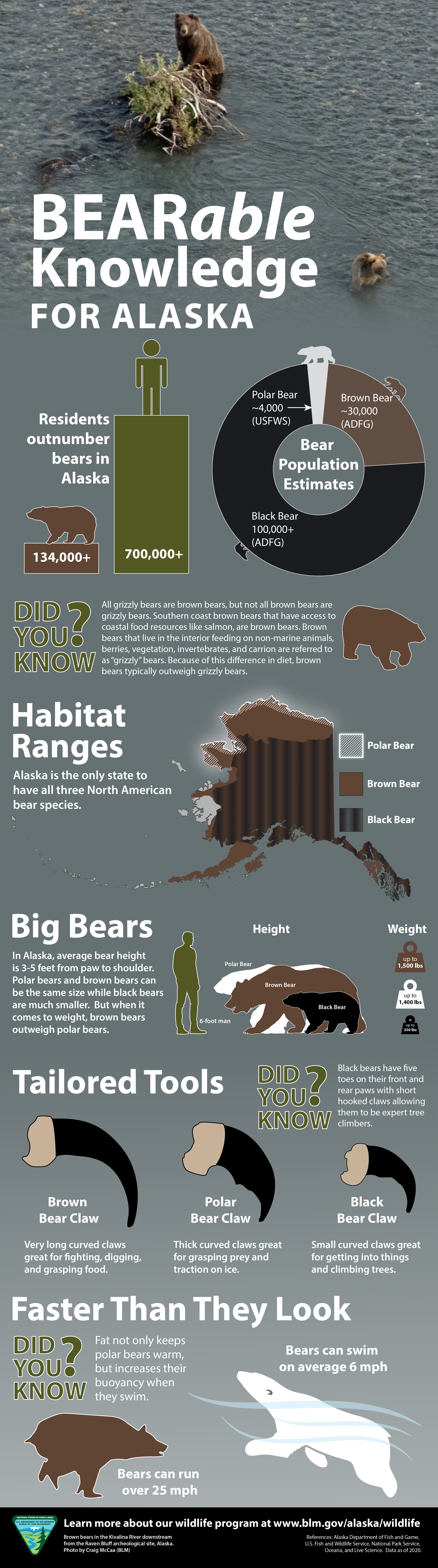
Alaska is unique in that it is home to three distinct species of North American bears: brown bears (which include grizzlies), black bears, and polar bears. Each species occupies a specific niche within the state’s varied terrains, from dense coastal forests to expansive Arctic tundra. Their presence is a testament to the wildness of Alaska and offers unparalleled opportunities for travelers to witness these animals in their natural habitats.
Brown Bears (Grizzlies): Icons of the Alaskan Wilderness
Brown bears, particularly the coastal varieties, are perhaps the most famous and largest land predators in North America. Often referred to as grizzlies when found inland, these magnificent creatures thrive in Alaska’s rich ecosystems. The coastal brown bears, benefitting from abundant salmon runs, can grow to immense sizes, sometimes exceeding 1,500 pounds. While population estimates fluctuate, it is believed that Alaska hosts approximately 30,000 to 35,000 brown bears. They are widespread across the state, inhabiting areas from the Southeast panhandle up through the Interior and Arctic regions. Their habitats are typically characterized by dense forests, expansive tundra, and salmon-rich rivers, making them a significant draw for travelers visiting destinations like Katmai National Park and Preserve and Kodiak Island. Observing these powerful animals fishing for salmon or foraging on berries is a quintessential Alaskan experience, offering profound insights into the raw beauty of the wild.
Black Bears: The Adaptable Forest Dwellers
More numerous and widely distributed than their brown bear cousins, black bears are the smallest of Alaska’s bear species. Despite their name, black bears can exhibit a range of colors, from cinnamon and brown to bluish-gray and, of course, black. Their population in Alaska is estimated to be around 100,000 individuals, making them the most common bear species encountered. They prefer forested areas, particularly those with dense undergrowth, and are adept at adapting to various environments, even sometimes venturing near human settlements. Black bears are found across most of the forested regions of the state, excluding the Kodiak Archipelago, Aleutian Islands, and some islands in Southeast Alaska, as well as the treeless tundra north of the Brooks Range. For travelers, spotting a black bear might happen on a scenic drive, a hiking trail, or during guided excursions in forested areas, offering a more common yet equally thrilling wildlife encounter.
Polar Bears: Sentinels of the Arctic
The magnificent polar bear, a symbol of the Arctic wilderness, represents the third bear species in Alaska. These highly specialized marine mammals are primarily found along Alaska’s northern and western coasts, within the Arctic Coastal Plains and Bering and Chukchi Seas. Their lives are intimately tied to sea ice, where they hunt seals, their primary food source. The global population of polar bears is estimated at 20,000–25,000, with approximately 4,000–5,000 individuals found in Alaska’s jurisdiction. Due to their remote habitat and the challenges of access, viewing polar bears requires specialized travel arrangements, often involving air charters to far northern communities like Utqiagvik or Kaktovik. Such expeditions offer a truly unique and often once-in-a-lifetime travel experience, highlighting the fragile beauty of the Arctic and the imperative of conservation.
Estimating the Numbers: Challenges and Insights
Providing a precise, real-time count of Alaska’s bear populations is an incredibly complex endeavor. The vast, often rugged, and remote terrain, coupled with the bears’ wide-ranging habits and elusive nature, presents significant logistical and scientific challenges. However, robust estimation methods provide invaluable data for wildlife management and for travelers keen on understanding the prevalence of these animals.
Why Exact Counts Are Elusive
Wildlife biologists employ a variety of techniques to estimate bear populations, including aerial surveys, telemetry (radio-collaring), DNA sampling from hair snares, and mark-recapture studies. Each method has its limitations and is often labor-intensive and costly. Bears have extensive home ranges, particularly brown bears and polar bears, and their numbers can fluctuate seasonally based on food availability and migration patterns. Additionally, the sheer scale of Alaska’s wilderness, covering over 660,000 square miles, makes comprehensive statewide surveys for all species nearly impossible. Therefore, the numbers provided are always estimates, offering a scientifically informed snapshot rather than an absolute census. For travelers, this means understanding that while bears are prevalent, specific encounters are never guaranteed, emphasizing the thrill of the wild.
Regional Distribution and Density Factors
Bear populations are not uniformly distributed across Alaska; their density varies significantly by region, primarily influenced by food resources, habitat type, and human presence. Coastal areas with abundant salmon runs, such as those in Southeast Alaska and along the Alaska Peninsula, tend to support higher densities of brown bears. Black bears are more prevalent in the interior forests, while polar bears are restricted to the northern coasts and sea ice. Understanding these regional differences is crucial for travelers planning bear-viewing trips, as it directs them to the areas with the highest probability of successful encounters and helps set realistic expectations for their Alaskan adventure.
Conservation Efforts and Population Monitoring
The ongoing monitoring of bear populations is vital for their long-term conservation and for maintaining the ecological balance of Alaska’s wilderness. The Alaska Department of Fish and Game (ADF&G) and other federal agencies, such as the National Park Service and the U.S. Fish and Wildlife Service, actively conduct research and implement management strategies. These efforts include habitat protection, regulating hunting (where applicable), and educating the public and travelers on bear safety. For travelers, supporting responsible tourism operators who adhere to wildlife viewing guidelines directly contributes to these conservation efforts, ensuring that future generations can also marvel at Alaska’s bear populations.
Where to Witness Alaska’s Bears: Premier Destinations
For many travelers, seeing a bear in its natural habitat is a highlight of an Alaskan journey. While bears can be encountered across much of the state, certain destinations are renowned for offering exceptional and reliable viewing opportunities, each providing a unique perspective on these magnificent animals.
Katmai National Park and Preserve: Brown Bear Hotspot
Arguably the most famous bear-viewing destination in Alaska, Katmai National Park and Preserve is world-renowned for its dense population of coastal brown bears. During the summer and fall salmon runs, particularly at Brooks Falls, dozens of bears gather to feast on migrating sockeye salmon. Travelers can observe these bears from specially constructed viewing platforms, offering safe and unobstructed views of their incredible fishing prowess. Access to Katmai is primarily by floatplane from cities like King Salmon or Anchorage, making it a truly immersive wilderness experience. It’s an unparalleled destination for photographers and wildlife enthusiasts alike.
Denali National Park and Preserve: A Tapestry of Wildlife
Denali National Park and Preserve, home to North America’s tallest peak, Denali, offers a broader spectrum of wildlife viewing, including both brown bears (grizzlies) and black bears. While bears in Denali are typically more dispersed than in Katmai, shuttle bus tours along the park road provide excellent opportunities to spot them foraging on the vast tundra. Unlike Katmai, Denali offers a chance to see grizzlies in an alpine environment, often alongside caribou, moose, and Dall sheep, making it a comprehensive Alaskan wildlife safari. The park is accessible by road from Anchorage or Fairbanks, providing a different kind of travel convenience.
Kodiak Island: Home of the Giant
Kodiak Island, located off Alaska’s south-central coast, is famous for its unique subspecies of brown bear, the Kodiak bear, which are among the largest bears in the world. These bears are found exclusively on the Kodiak Archipelago. Traveling to Kodiak typically involves a flight from Anchorage to the city of Kodiak, followed by guided excursions, often by floatplane or boat, into the remote parts of the island. The rugged beauty of Kodiak, combined with the sheer size of its bears, offers an awe-inspiring and truly wild viewing experience, highlighting the island’s raw, untamed nature as a premier travel destination for wildlife enthusiasts.
Arctic Coastal Plains: Realm of the Polar Bear
For travelers seeking the ultimate Arctic adventure, the Arctic Coastal Plains provide opportunities to witness polar bears. Remote communities such as Kaktovik, on Barter Island within the Arctic National Wildlife Refuge, offer guided boat tours in late summer and fall to view polar bears that congregate near the coast before the winter sea ice forms. This is a highly specialized travel experience, often requiring significant planning and investment, but it offers unparalleled access to these iconic Arctic predators in their fragile environment. Such journeys are not merely trips but expeditions into one of Earth’s last great wildernesses, underscoring the vital role Alaska plays in global conservation.
Responsible Bear Viewing: Enhancing Your Alaskan Experience
Encountering bears in the wild is a privilege, and ensuring these interactions are safe for both humans and bears is paramount. Responsible bear viewing practices not only enhance the travel experience but also contribute to the conservation of Alaska’s precious wildlife.
Safety Protocols and Guidelines
When traveling in bear country, safety is non-negotiable. This includes carrying bear spray and knowing how to use it, making noise on trails to avoid surprising a bear, storing food securely, and respecting designated viewing distances. Park rangers and local guides provide essential safety briefings, and adherence to their advice is crucial. For guided tours, especially in high-density areas like Katmai, expert guides ensure that viewing occurs safely and ethically, minimizing disturbance to the animals. Travelers should always prioritize safety guidelines to ensure their Alaskan adventure remains positive and respectful of wildlife.
Ethical Wildlife Observation
Ethical wildlife observation is about minimizing human impact. This means never feeding bears, avoiding sudden movements or loud noises, and refraining from approaching them, especially mothers with cubs. Utilizing binoculars or telephoto lenses allows for close-up views without intrusion. Choosing tour operators who prioritize ethical practices and educate their clients on responsible viewing is an important aspect of planning a trip. By practicing ethical observation, travelers contribute to the bears’ natural behavior patterns and the pristine quality of Alaska’s wilderness experiences.
Choosing a Reputable Tour Operator
For most travelers, especially those venturing into remote bear habitats, booking with a reputable and experienced tour operator is highly recommended. These operators possess local knowledge, expertise in bear behavior, and adhere to strict safety and environmental regulations. They can facilitate access to prime viewing locations, provide necessary equipment, and ensure a safe, informative, and impactful experience. A good operator will also prioritize small group sizes and minimal disturbance, making the bear encounter more intimate and authentic. Investing in a knowledgeable guide enhances the entire travel experience, offering insights that independent exploration might miss.
The Alaskan Bear Ecosystem: More Than Just Numbers
The presence and health of Alaska’s bear populations are indicators of a thriving ecosystem. Beyond simply counting them, understanding their ecological role and the challenges they face adds depth to any Alaskan travel narrative.
Role in the Ecosystem
Bears are keystone species in many Alaskan environments. Brown bears, for instance, play a crucial role in nutrient cycling by dispersing salmon carcasses into riparian forests, enriching the soil and supporting a myriad of other species. Black bears help control insect populations and disperse seeds through their diet of berries. Polar bears are at the apex of the Arctic food web. Their health directly reflects the health of their respective habitats. For travelers, appreciating this interconnectedness transforms a wildlife sighting into a deeper understanding of Alaska’s ecological grandeur and the importance of preserving these delicate balances.

Climate Change and Future Challenges
Alaska’s bears face significant challenges, particularly from climate change. Polar bears are directly threatened by the loss of sea ice, which is critical for their hunting and breeding. Brown bears and black bears are experiencing shifts in food availability and habitat due to changing weather patterns and wildfires. These environmental pressures highlight the urgency of conservation efforts and make the opportunity to witness these animals in the wild even more poignant. Travelers to Alaska become witnesses to these changes, often leaving with a heightened sense of responsibility towards global environmental stewardship.
In conclusion, while the precise number of bears in Alaska remains a dynamic estimation, their sheer presence and diversity underscore Alaska’s status as a premier wildlife destination. From the imposing Kodiak bears to the nimble black bears and the iconic polar bears, each species contributes to the state’s untamed allure. For the discerning traveler, understanding these populations, knowing where to find them, and committing to responsible viewing practices will ensure an Alaskan adventure that is not only thrilling but also deeply respectful of the incredible natural world.
LifeOutOfTheBox is a participant in the Amazon Services LLC Associates Program, an affiliate advertising program designed to provide a means for sites to earn advertising fees by advertising and linking to Amazon.com. Amazon, the Amazon logo, AmazonSupply, and the AmazonSupply logo are trademarks of Amazon.com, Inc. or its affiliates. As an Amazon Associate we earn affiliate commissions from qualifying purchases.