
Florida, a state renowned for its sun-drenched beaches, vibrant theme parks, and rich biodiversity, often evokes images of alligators and manatees. However, a less publicized yet equally fascinating aspect of its wildlife is its bear population. The presence of bears in the Sunshine State might surprise many, prompting a crucial question: how many bears call Florida home? Understanding this number is not just a matter of ecological curiosity; it’s vital for effective conservation, responsible tourism, and maintaining a harmonious coexistence between humans and wildlife.
The Apex Predator of Florida’s Wilds: The American Black Bear
When we speak of bears in Florida, we are primarily referring to the American black bear (Ursus americanus), a species that has adapted remarkably to the diverse landscapes of the state. Unlike their more fearsome grizzly cousins found in the western United States and Canada, Florida’s black bears are generally shy and reclusive. They inhabit a range of ecosystems, from the dense cypress swamps of the Everglades National Park to the pine flatwoods and oak hammocks scattered across the state’s interior.
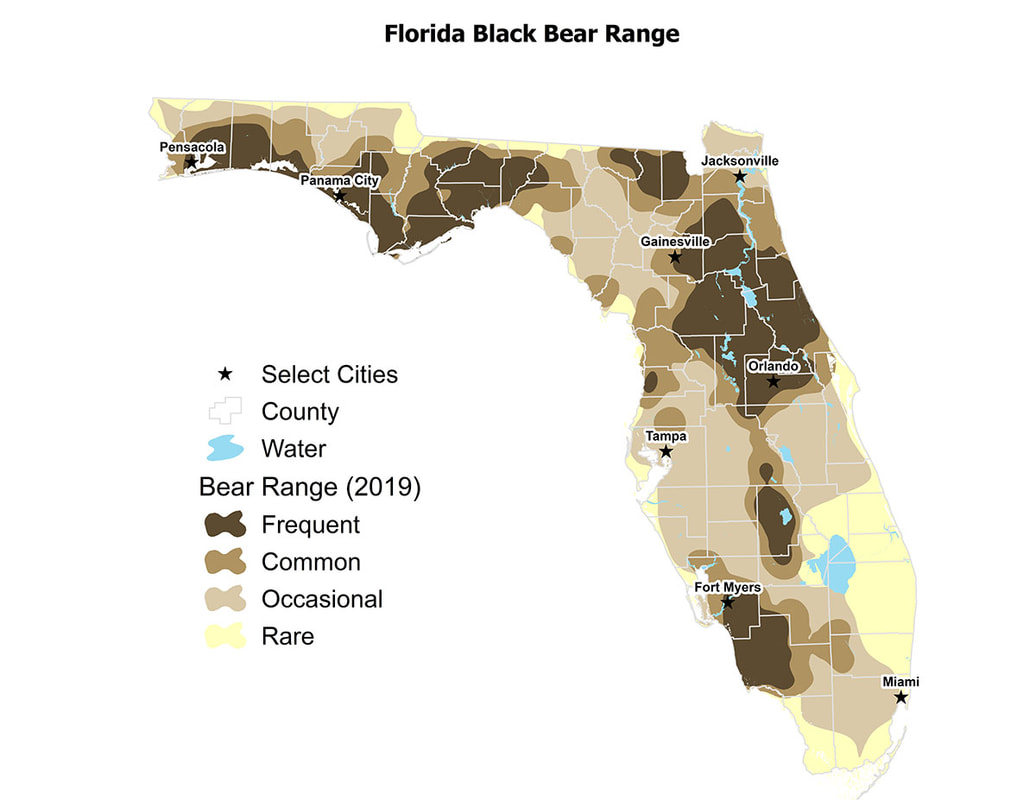
Distribution and Habitat Preferences
The American black bear population in Florida is not uniformly distributed. Instead, they are concentrated in specific regions that offer the resources they need to survive and reproduce. The largest and most stable populations are found in:
- Northern Florida: This region, characterized by extensive forests and wetlands, particularly in areas like the Ocala National Forest and the Panhandle, supports a significant number of black bears. These forests provide ample food sources, denning sites, and corridors for movement.
- Central Florida: While development has fragmented habitats, pockets of suitable terrain persist in central Florida, particularly around large tracts of public land and wildlife management areas. These areas often serve as crucial stepping stones connecting northern and southern populations.
- South Florida: Although historically present, the black bear population in South Florida has faced greater challenges due to habitat loss and fragmentation. However, conservation efforts are underway to protect and potentially expand their presence in areas like the Big Cypress National Preserve.
Bears are adaptable and can thrive in areas with a mix of natural habitats and human activity, provided they have access to food, water, and shelter. This adaptability, however, also brings them into closer proximity with human communities, necessitating careful management and public awareness.
Population Estimates: A Dynamic Figure
Pinpointing the exact number of bears in Florida is a complex endeavor, involving extensive research, tracking, and modeling by wildlife biologists. The Florida Fish and Wildlife Conservation Commission (FWC) is the primary agency responsible for monitoring and managing the state’s bear population.
Historically, bear populations have fluctuated due to various factors, including habitat availability, food resources, and human-related mortality. In recent decades, however, concerted conservation efforts have led to a notable recovery and increase in bear numbers.
As of recent estimates from the FWC, the statewide population of American black bears in Florida is believed to be between 10,000 and 15,000 individuals. This figure is an estimate based on scientific surveys, including mark-recapture studies, aerial surveys, and genetic analysis of scat and hair samples. It’s important to understand that this is not a precise count but rather a scientifically derived range that reflects the best available data. The population is considered to be stable and, in many areas, increasing.
Conservation and Management: Ensuring a Future for Florida Bears
The recovery of Florida’s black bear population is a testament to successful conservation strategies. However, challenges remain, and ongoing management is crucial for ensuring the long-term survival of the species.
Habitat Preservation and Restoration

A cornerstone of bear conservation is the protection and restoration of their natural habitats. This involves:
- Acquisition of Lands: The state and various conservation organizations work to acquire ecologically significant lands, ensuring they are protected from development and remain wild spaces for wildlife.
- Wildlife Corridors: Establishing and maintaining wildlife corridors is essential to connect fragmented habitats. These corridors allow bears to move safely between different areas, find mates, and access resources, reducing genetic isolation and increasing their resilience.
- Habitat Management: Practices like prescribed burning in pine flatwoods help maintain healthy ecosystems that provide a diverse range of food sources for bears, including berries, nuts, and insects.
Addressing Human-Bear Conflict
As bear populations grow and expand into new areas, encounters with humans become more frequent. Managing these interactions is paramount for both human safety and bear welfare. The FWC provides extensive guidance on how to minimize human-bear conflict:
- Securing Food Sources: Bears are attracted to garbage, pet food, and bird feeders. Properly securing these attractants, using bear-resistant containers, and not feeding bears are critical steps for preventing conflicts.
- Responsible Practices in Bear Country: Residents and visitors in areas known to have bear populations are encouraged to be aware of their surroundings, keep pets on leashes, and understand bear behavior to avoid startling or cornering them.
- Education and Outreach: Public education campaigns play a vital role in fostering understanding and promoting coexistence. The more people know about bears and how to live safely alongside them, the less likely conflicts are to arise.
Research and Monitoring
Continuous research and monitoring are indispensable for adaptive management. The FWC and its partners utilize various techniques to gather data on bear populations, including:
- Population Dynamics: Tracking birth rates, mortality rates, and dispersal patterns helps scientists understand population trends.
- Dietary Studies: Analyzing scat and stomach contents reveals what bears are eating, providing insights into food availability and their role in the ecosystem.
- Genetic Analysis: DNA collected from hair and scat samples helps determine population structure, genetic diversity, and individual movements.
Bears and Tourism: Experiencing Florida’s Wild Side Responsibly
While Florida is not a prime destination for dedicated bear-watching tours like some other regions, the presence of black bears adds a unique dimension to its ecotourism potential. For those interested in experiencing Florida’s wild side, opportunities to see bears can arise, particularly in its vast protected natural areas.
Where to Potentially See Bears
- State Parks and Wildlife Management Areas: Many of Florida’s state parks and wildlife management areas, especially those in northern and central Florida with extensive forest cover, offer opportunities for observing wildlife, including bears. Parks such as Paynes Prairie Preserve State Park or areas managed by the FWC can be rewarding for patient observers.
- Guided Ecotours: Some specialized ecotour operators focus on wildlife viewing in Florida’s natural landscapes. While bear sightings are not guaranteed, these tours can increase the chances of encountering bears and other native species in their natural habitats.
- Driving Safely: While driving through remote areas, especially at dawn or dusk, keep an eye on the roadside. Bears may occasionally cross roads in search of food or to move between habitats.

Responsible Wildlife Viewing Tips
It is crucial to remember that bears are wild animals, and their well-being, as well as human safety, must be prioritized.
- Maintain a Safe Distance: Never approach a bear. Use binoculars or a telephoto lens to observe them from a safe distance. A general rule of thumb is to stay at least 100 yards (91 meters) away.
- Never Feed Bears: Intentionally or unintentionally feeding bears habituates them to humans, which can lead to dangerous situations and often results in the bear being euthanized.
- Respect Their Space: If a bear changes its behavior in response to your presence, you are too close. Back away slowly and calmly.
- Do Not Disturb Cubs: Mother bears are fiercely protective of their young. Never get between a mother and her cubs.
- Report Sightings and Incidents: If you encounter a bear that appears to be sick, injured, or behaving aggressively, report it immediately to the FWC.
The presence of black bears in Florida is a dynamic and evolving story. With an estimated population of 10,000 to 15,000 individuals, these magnificent animals are a vital part of the state’s ecological tapestry. Through continued conservation efforts, responsible management, and public awareness, Florida is working to ensure that its wild spaces remain home to these iconic predators for generations to come. For travelers and nature enthusiasts, understanding and respecting these wild inhabitants is key to a safe and rewarding experience in the Sunshine State’s untamed corners.
LifeOutOfTheBox is a participant in the Amazon Services LLC Associates Program, an affiliate advertising program designed to provide a means for sites to earn advertising fees by advertising and linking to Amazon.com. Amazon, the Amazon logo, AmazonSupply, and the AmazonSupply logo are trademarks of Amazon.com, Inc. or its affiliates. As an Amazon Associate we earn affiliate commissions from qualifying purchases.