
When travelers plan a stay at a major hospitality brand like Hilton Hotels, they rarely stop to consider the sheer scale of the operation behind that single room. Beyond the crisp white sheets, plush pillows, and ergonomic mattress of your individual suite lies a massive, global network of real estate. To answer the question of how many beds Hilton operates worldwide, we must dive deep into the numbers, brands, and expansion strategies of one of the world’s largest hospitality giants. Understanding this scale gives a fascinating perspective on modern global travel, accommodation management, and the massive logistics required to ensure millions of guests have a place to sleep every single night.
The Global Footprint: Counting the Rooms and Brands
To figure out the total number of beds, we first have to look at the total number of hotel rooms. Hilton Worldwide boasts a staggering portfolio consisting of well over one million rooms distributed across thousands of properties globally. Because the vast majority of standard hotel rooms feature either a single king-size bed, a queen-size bed, or two double/queen beds, calculating the actual bed count requires looking at standard hotel room configurations.
On average, assuming a mix of single-king rooms and double-queen rooms across its diverse portfolio, Hilton properties house well over 1.5 million individual beds worldwide. This massive inventory spans more than 120 countries and territories, touching major global hubs like New York City, London, Tokyo, and Paris.
The Diversity of the Hilton Portfolio
The hospitality conglomerate does not rely on a one-size-fits-all approach. Instead, it operates a multi-brand strategy, each catering to a different demographic of traveler, which directly influences the types and quantities of beds found in their properties:
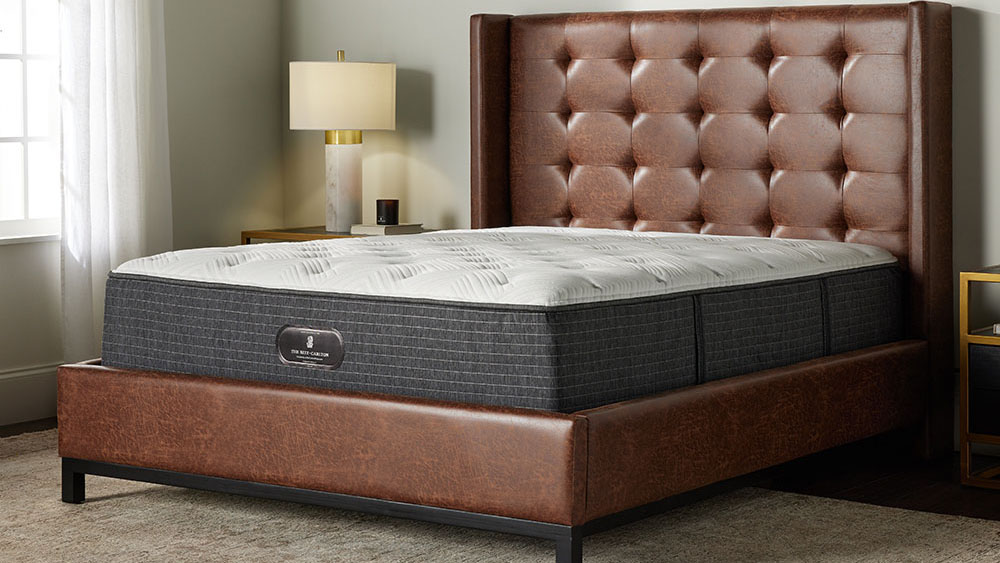
- Luxury and Lifestyle Brands: Properties under the Waldorf Astoria, Conrad Hotels, and LXR Hotels & Resorts feature high-end, custom-designed mattresses tailored for maximum luxury, often focusing on single king configurations in spacious suites.
- Full-Service Brands: The flagship Hilton Hotels & Resorts and DoubleTree by Hilton balance business and leisure travel, offering a mix of king beds and double-queen rooms to accommodate both solo corporate travelers and families.
- Focused-Service and Extended-Stay Brands: Brands like Hampton by Hilton, Hilton Garden Inn, Homewood Suites, and Embassy Suites prioritize functional sleeping arrangements, often featuring pull-out sofa beds alongside traditional bedding to maximize guest capacity.
The Anatomy of a Hilton Bed
Understanding the quantity of beds is only part of the equation; the quality, standardization, and maintenance of these sleep surfaces represent a monumental undertaking. Hilton does not simply purchase random mattresses for its properties. The company invests heavily in sleep science and guest comfort research to ensure consistency whether you are staying in Dubai or Chicago.
Standardization Across Properties
To maintain brand loyalty, a guest expecting a signature sleep experience should theoretically receive the same comfort level regardless of the specific location.
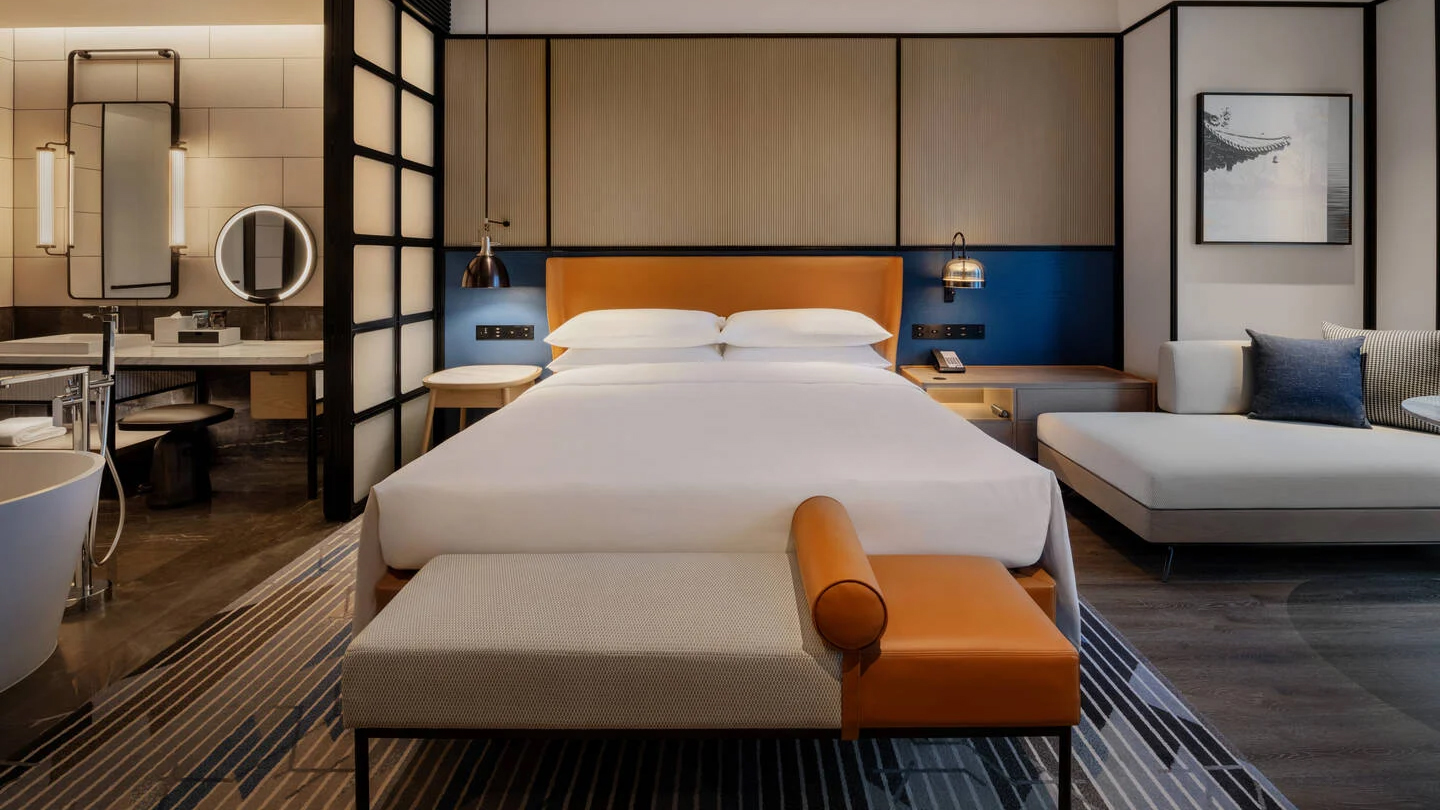
- The Serenity Bed: Introduced to provide an optimal balance of support and comfort, the signature mattress and box spring combination has become a staple across many of the company’s core brands.
- Linens and Pillows: Millions of feather and hypoallergenic pillows, alongside high-thread-count sheets, are laundered, rotated, and replaced on strict schedules to maintain luxury standards.
Capacity Management and Room Configurations
When calculating bed counts, hoteliers use the concept of double occupancy versus single occupancy. A standard room with two queen beds can sleep up to four guests comfortably, effectively doubling the bed capacity of that specific room compared to a single king setup. Extended-stay brands like Home2 Suites often incorporate modular furniture, meaning sofas easily convert into additional sleeping spaces, dynamically shifting the total bed capacity based on the immediate needs of incoming guests.
Expansion and Future Growth
The number of beds in the Hilton ecosystem is not a static figure. It grows daily through an aggressive global development pipeline. The company routinely adds tens of thousands of new rooms to its system every year, stretching across emerging markets in Southeast Asia, Latin America, and the Middle East, alongside steady infill in mature markets like the United States and Europe.
The Pipeline Impact
Every time a new franchise agreement is signed and a property breaks ground—whether it is a boutique property in Rome or a sprawling resort in Hawaii—hundreds or even thousands of new beds are added to the global inventory. This continuous cycle of construction, renovation, and occasional retirement of older properties means the total bed count is a living, breathing metric that constantly scales upward.
Conclusion
While it is impossible to pin down a precise, minute-by-minute tally due to ongoing room renovations, new property openings, and temporary closures, the estimate sits comfortably well above 1.5 million beds worldwide. From the ultra-luxurious suites of Waldorf Astoria to the reliable, family-friendly rooms of Hampton by Hilton, the brand commands an empire built fundamentally on providing a good night’s sleep. The next time you check into a Hilton property, you are participating in a massive, finely tuned global operation designed to house the world, one bed at a time.
LifeOutOfTheBox is a participant in the Amazon Services LLC Associates Program, an affiliate advertising program designed to provide a means for sites to earn advertising fees by advertising and linking to Amazon.com. Amazon, the Amazon logo, AmazonSupply, and the AmazonSupply logo are trademarks of Amazon.com, Inc. or its affiliates. As an Amazon Associate we earn affiliate commissions from qualifying purchases.