
California is renowned not only for its stunning landscapes and vibrant culture but also for its comprehensive and often pioneering labor laws designed to protect employees. For anyone working or considering working an 8-hour shift within the Golden State, understanding the specific break requirements is crucial. These regulations aren’t merely bureaucratic hurdles; they are fundamental components of the state’s commitment to employee well-being, productivity, and a balanced lifestyle. Delving into the nuances of meal and rest periods reveals a framework built on ensuring that workers receive adequate time away from their duties, fostering a healthier and more sustainable work environment.
Understanding California’s Proactive Labor Laws
The labor laws in California stand out for their detail and employee-centric approach, often setting a precedent for other states. Unlike federal regulations, which offer a baseline, California’s statutes, primarily governed by the Industrial Welfare Commission (IWC) Wage Orders and the California Labor Code, mandate specific requirements for breaks based on the length of an employee’s shift. This robust legal framework is a significant aspect of the lifestyle for residents and those on business stays in the state, impacting daily routines and workplace dynamics.
The Rationale Behind Break Requirements
The philosophy underpinning California’s break laws is rooted in promoting employee health, safety, and efficiency. Studies consistently show that regular breaks can prevent fatigue, reduce the risk of accidents, improve concentration, and boost overall morale. For an 8-hour shift, these breaks are not just about stepping away from a workstation; they’re about providing essential time for physiological needs, mental respite, and the opportunity to recharge. This proactive approach by the state recognizes that a well-rested employee is generally a more productive and engaged one, ultimately benefiting both the individual and the employer.
Who is Covered?
Generally, most non-exempt employees in California are covered by these break requirements. Non-exempt employees are typically paid hourly and are entitled to overtime pay and other labor protections. Exempt employees, who are usually salaried professionals, administrative, or executive employees meeting specific criteria, are typically not covered by these particular meal and rest break rules. However, even for exempt employees, employers often provide breaks as a best practice, recognizing the universal human need for respite. The IWC Wage Orders detail specific requirements across 17 different industry and occupation categories, ensuring that the rules are tailored yet comprehensive for the majority of the workforce.
Mandatory Meal Periods: The Core of California Labor Law
For an 8-hour shift, the most significant break requirement in California is the mandatory meal period. These are not merely suggestions but legally enforceable rights, and employers face significant penalties for non-compliance. Understanding the specifics of these meal breaks is fundamental to navigating the California workplace.
The First Meal Period for an 8-Hour Shift
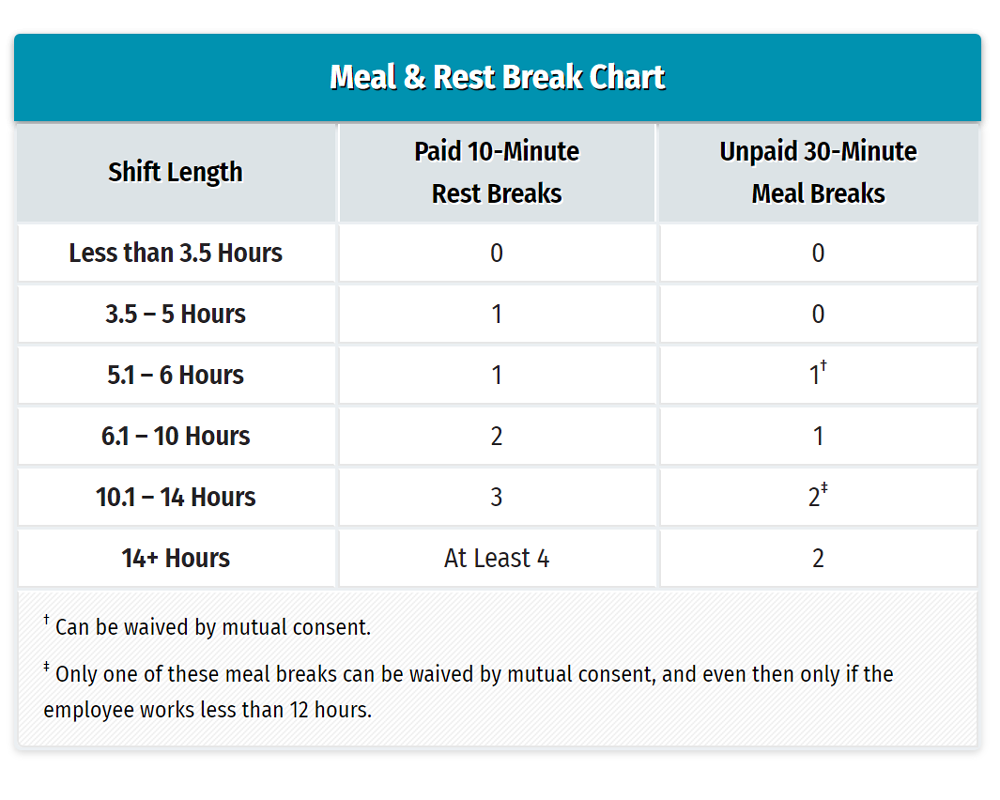
For an employee working an 8-hour shift, California law mandates one uninterrupted 30-minute meal period. This meal period must generally be provided no later than the end of the fifth hour of work. The purpose is to ensure employees have adequate time to eat and disengage from their work duties. Crucially, this 30-minute meal period must be unpaid, meaning employees are relieved of all duties and are free to leave the premises if they choose. If an employee is required to remain on duty during a meal period, it must be counted as time worked and compensated at their regular rate of pay. Furthermore, if an employer fails to provide a compliant meal period, the employee is entitled to one additional hour of pay at their regular rate for each workday that a meal period was not provided or was improperly provided.
Waiver Conditions and Mutual Consent
While the 30-minute meal period for an 8-hour shift is generally mandatory, California law does allow for a limited waiver under specific conditions. If the total hours worked by an employee do not exceed six hours in a workday, the meal period may be waived by mutual consent of both the employer and the employee. However, for an 8-hour shift, this direct waiver provision for the first meal period typically does not apply because the shift duration exceeds six hours.
There’s also a provision for an “on-duty” meal period, but this is extremely rare and only permissible when the nature of the work prevents an employee from being relieved of all duty, and an express written agreement between the employer and employee is signed. This on-duty meal period must be paid. Given the strict interpretations and potential liabilities, most employers prioritize ensuring employees are fully relieved of duty for their meal breaks. For a typical 8-hour shift, the expectation remains a full 30-minute off-duty meal period.
Rest Breaks: Ensuring Employee Well-being
Beyond meal periods, California also requires employers to provide paid rest breaks, which are equally important for maintaining employee stamina and focus throughout an 8-hour workday. These shorter breaks serve a distinct purpose from meal periods, allowing for quick rejuvenation without a complete disengagement from the workday.
Calculating Rest Periods for an 8-Hour Workday
For an 8-hour shift, California law requires employers to authorize and permit two 10-minute paid rest periods. The general rule of thumb is one 10-minute rest period for every four hours worked or major fraction thereof.
For an 8-hour shift, this typically breaks down as follows:
- First 10-minute rest period: Should be scheduled sometime during the first four hours of the shift. For example, if an employee works from 9 AM to 5 PM, their first rest break might be around 11 AM.
- Second 10-minute rest period: Should be scheduled sometime during the second four hours of the shift. Following the example, this might be around 3 PM.
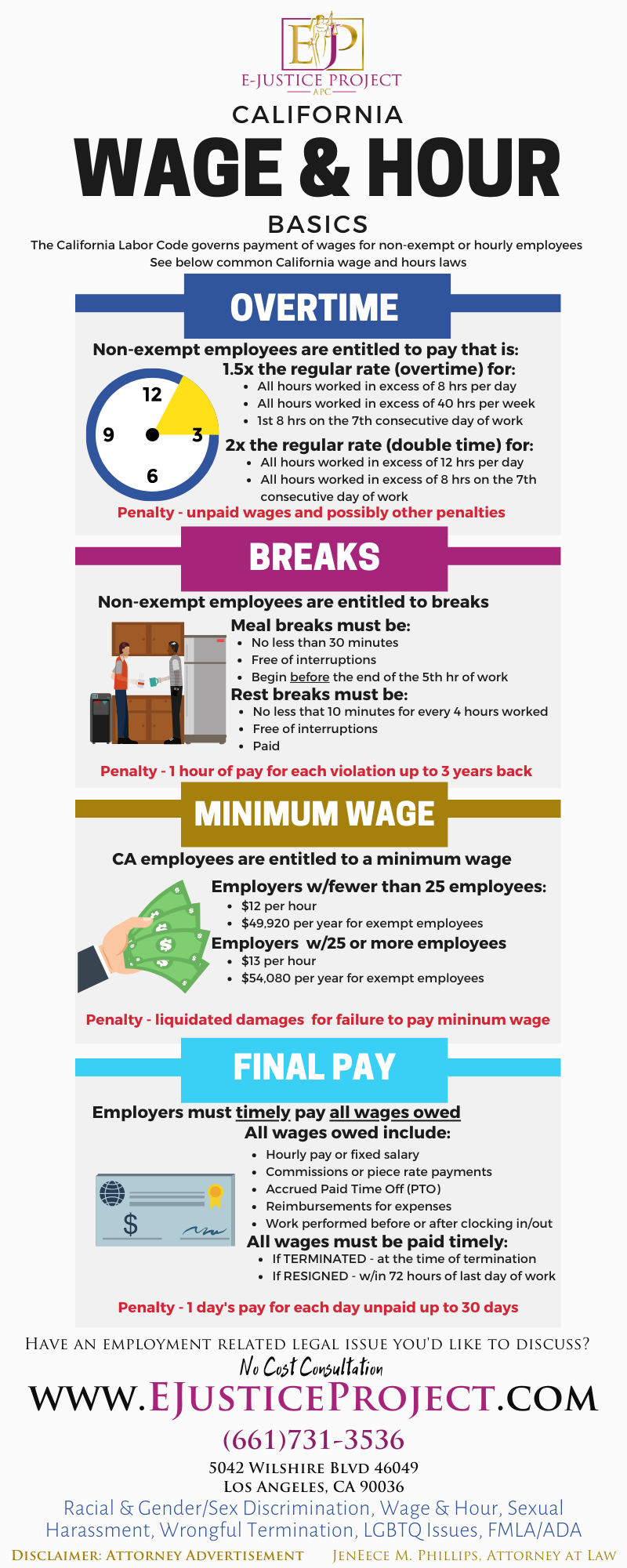
These rest periods should, to the extent practicable, fall in the middle of each work period. Employers are prohibited from requiring employees to remain on duty during their rest periods. Unlike meal periods, rest periods must always be counted as hours worked and therefore must be paid. If an employer fails to provide a compliant rest period, the employee is entitled to one additional hour of pay at their regular rate for each workday that a rest period was not provided.
Unpaid vs. Paid Breaks
It’s critical to distinguish between the two types of breaks in California for an 8-hour shift:
- Meal Periods (30 minutes): Generally unpaid and off-duty, meaning the employee is completely relieved of all duties. For an 8-hour shift, one such meal period is required.
- Rest Periods (10 minutes): Always paid and on-duty (though the employee is relieved of active work duties), meaning they count as working time. For an 8-hour shift, two such rest periods are required.
This distinction is a cornerstone of California labor law and a frequent area of litigation if not properly administered by employers. Employees should be fully aware of their rights concerning both paid and unpaid break times to ensure they are being compensated and relieved of duty appropriately.
Navigating Common Scenarios and Employer Responsibilities
Understanding the letter of the law is one thing, but how these regulations play out in real-world workplaces can sometimes be complex. Both employees and employers in California have specific responsibilities regarding break compliance.
Non-Compliant Breaks and Penalties
A failure to provide proper meal and rest breaks can lead to significant penalties for employers. As mentioned, for each day an employer fails to provide a compliant meal or rest period, the employee is entitled to an “additional hour of pay” (often referred to as premium pay) at their regular rate. These penalties can accumulate quickly, especially if the violations affect multiple employees over an extended period. This premium pay is considered wages and is subject to the same rules as other wages, including prompt payment upon termination.
Common violations include:
- Late meal periods: Providing the meal period after the fifth hour of work without a valid waiver.
- Short meal periods: Not providing a full 30 minutes of uninterrupted, off-duty time.
- Missed rest periods: Not providing two 10-minute paid rest periods for an 8-hour shift.
- “On-duty” meal periods without agreement: Requiring employees to remain on duty without a valid written agreement for specific circumstances.
Employees who believe their break rights have been violated can file a wage claim with the Division of Labor Standards Enforcement (DLSE), a division of the California Department of Industrial Relations (DIR), or pursue a private lawsuit.
Record-Keeping and Communication
Employers in California have a legal obligation to maintain accurate payroll records, which include precise documentation of meal and rest periods taken. This is crucial for demonstrating compliance and defending against potential claims. Employers must also effectively communicate their break policies to employees, often through posted notices and employee handbooks.
For employees, it is equally important to accurately record their work hours and breaks. Clocking in and out for meal periods is a standard practice that helps establish a clear record. If an employee is unable to take a required break due to work demands or employer instruction, it’s essential to communicate this to a supervisor and document the incident. Open communication and diligent record-keeping from both sides are key to ensuring that California’s break laws are properly observed.
The Impact on California’s Work Culture and Lifestyle
California’s robust break laws are more than just legal mandates; they deeply influence the state’s work culture and the lifestyle of its inhabitants. They reflect a societal value that prioritizes employee well-being as integral to economic prosperity and quality of life.
Fostering a Healthier Work-Life Balance
By strictly regulating breaks, California encourages a healthier work-life balance. Knowing that specific times are set aside for rest and meals allows employees to plan their day more effectively, ensuring they have moments to decompress, attend to personal needs, or simply enjoy a quiet moment away from work pressure. This contributes to reducing stress, preventing burnout, and improving overall job satisfaction. For individuals considering relocating to California for work, or those on extended business assignments, these legal protections can be a significant factor in their quality of life. It implies a workplace environment where human needs are formally recognized and accommodated, not just tolerated.

Implications for Businesses and Workforce Dynamics
While compliance with California’s break laws requires careful attention from businesses, it also fosters a more engaged and stable workforce. Companies that effectively manage break compliance often report higher employee retention and productivity. The regulations compel employers to think strategically about staffing levels and workflow management to ensure breaks can be provided without disrupting operations. This creates a dynamic where employers are incentivized to create efficient systems that naturally integrate breaks, rather than viewing them as interruptions. In the long run, this cultivates a more professional and humane work environment, which benefits the state’s economy by promoting a healthy, productive, and satisfied labor force.
In conclusion, for an 8-hour shift in California, employees are legally entitled to one 30-minute unpaid meal period and two 10-minute paid rest periods. These provisions are critical components of the state’s labor framework, designed to ensure workers are treated fairly, remain healthy, and contribute effectively to California’s vibrant economy.
LifeOutOfTheBox is a participant in the Amazon Services LLC Associates Program, an affiliate advertising program designed to provide a means for sites to earn advertising fees by advertising and linking to Amazon.com. Amazon, the Amazon logo, AmazonSupply, and the AmazonSupply logo are trademarks of Amazon.com, Inc. or its affiliates. As an Amazon Associate we earn affiliate commissions from qualifying purchases.