
The silhouette of a California Condor soaring against the vast expanse of the American West is an image of untamed wilderness, a symbol of resilience, and a stark reminder of the delicate balance of nature. These magnificent creatures, with their impressive wingspans and ancient lineage, have captivated imaginations for centuries. But in recent decades, their numbers have dwindled to alarmingly low levels, prompting urgent conservation efforts. The question that echoes through national parks and across scientific journals is a simple yet profound one: “How many California Condors are left?” The answer, while heartening in its progress, still underscores the ongoing need for vigilance and support.
The Perilous Journey of the California Condor
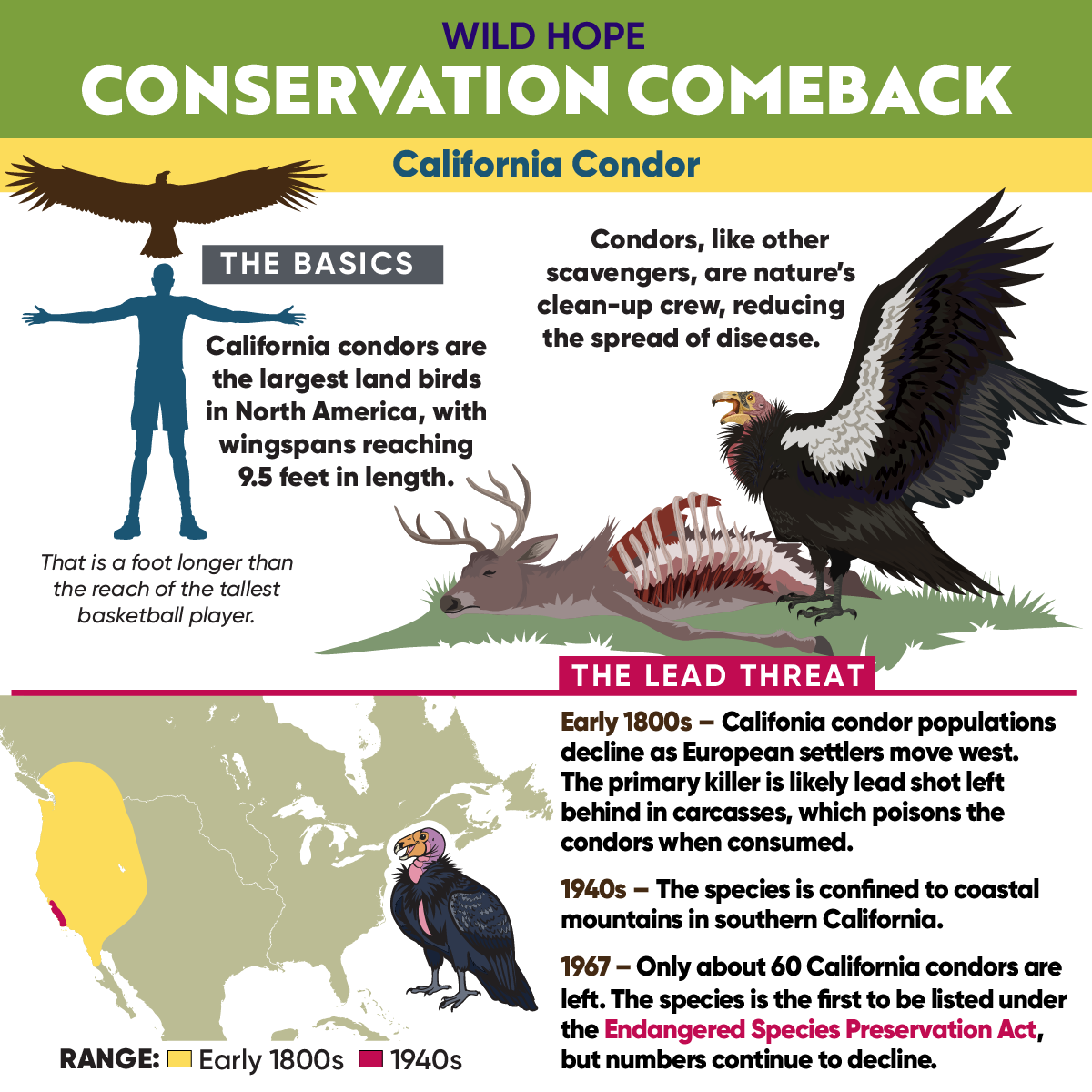
The story of the California Condor is a dramatic tale of near extinction and a testament to dedicated conservation. Once widespread across the western United States, from the Pacific Ocean coast to the Rocky Mountains, their population experienced a catastrophic decline throughout the 20th century. By the early 1980s, the situation had become so dire that wildlife officials made the difficult decision to capture the last remaining wild condors. This bold move, known as the “all-condor” program, brought the wild population down to zero, a drastic measure intended to save the species from permanent oblivion. The hope was to establish a captive breeding program that could eventually reintroduce these majestic birds back into their ancestral habitats.
Causes of Decline: A Multifaceted Threat
The precipitous drop in California Condor numbers was not attributable to a single cause but rather a confluence of human-induced pressures. One of the most significant threats was the widespread use of lead ammunition. Condors are scavengers, feeding on carcasses of animals. When hunters used lead bullets, fragments of lead would remain in the carcasses. Upon consuming this contaminated meat, the condors would ingest the lead, leading to lead poisoning. Lead is a potent neurotoxin, and even small amounts can cause severe damage to the condor’s nervous system, affecting their ability to fly, forage, and reproduce, ultimately proving fatal.
Habitat loss and degradation also played a crucial role. As human populations expanded, particularly in California, natural landscapes were converted for agriculture, urban development, and other human activities. This fragmentation of their habitat reduced the availability of suitable foraging areas and nesting sites for the condors. The majestic Sierra Nevada range, once a vital territory for the species, saw significant changes that impacted their ecological niche.
Other factors contributing to their decline included poisoning from pesticides, electrocution from power lines, and deliberate shooting. The combination of these threats pushed the California Condor to the very brink of extinction, a somber warning about the impact of human activities on even the most resilient species. The landscape of Arizona, with its vast canyons like the Grand Canyon National Park, once provided ample space, but even these remote areas were not immune to these pervasive issues.
The Phoenix Rises: Conservation Efforts and Reintroduction
The captive breeding program, initiated in the late 1980s, became the cornerstone of the California Condor’s recovery. Managed by organizations like the San Diego Zoo Safari Park and the Los Angeles Zoo, this program brought together the remaining individuals and focused on maximizing breeding success. Through careful management, innovative techniques, and a deep understanding of condor biology, the program began to yield results. Eggs were incubated, chicks were raised, and eventually, these captive-bred birds were deemed ready for release back into the wild.
The reintroduction process is a meticulously planned endeavor. Young condors are carefully selected for release, often those that show strong natural foraging instincts and are healthy. Before their release, they undergo a period of acclimation in large, open-air flight pens at release sites, allowing them to adapt to their new environment and learn essential survival skills. The initial releases took place in areas like the Big Sur region of California and at the Vermilion Cliffs National Monument in Arizona.
These reintroduced condors are closely monitored by dedicated teams of biologists and wildlife specialists. Using GPS tracking devices and regular visual observations, researchers gather vital data on their movements, foraging habits, social interactions, and survival rates. This data is crucial for understanding the challenges faced by the reintroduced population and for refining conservation strategies. The work is a continuous cycle of release, monitoring, and adaptive management.
Success Stories and Ongoing Challenges
The success of the captive breeding and reintroduction programs has been nothing short of remarkable. From a low of just 22 individuals in 1982, the California Condor population has grown significantly. Today, there are hundreds of California Condors, with a substantial portion now flying free in the wild across California, Arizona, Utah, and Baja California, Mexico. This resurgence is a powerful testament to the dedication and collaborative efforts of scientists, conservationists, government agencies, and the public.
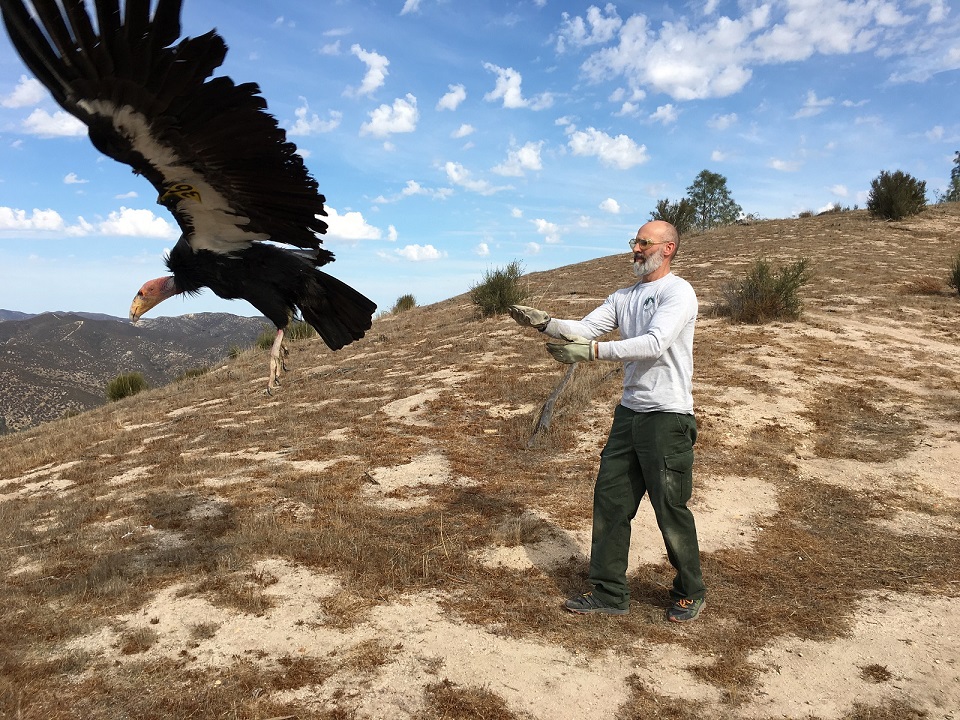
However, the journey is far from over. While the numbers have increased, the California Condor remains a critically endangered species. The threats that led to their decline are still present. Lead ammunition remains a persistent problem, and continued public awareness campaigns and legislative efforts are underway to transition hunters to non-lead alternatives. The National Park Service and other conservation organizations are actively working to reduce lead exposure in the condors’ environment, including through carcass removal programs in critical areas.
Habitat fragmentation and human disturbance continue to pose challenges. As development encroaches on wild spaces, ensuring sufficient safe foraging grounds and nesting sites is paramount. The condors’ slow reproductive rate also means that population recovery is a long-term process. Each individual condor is incredibly valuable, and the loss of even a single bird can have a significant impact on the overall population trajectory. The ongoing presence of The Peregrine Fund, a leading conservation organization, in monitoring and research further highlights the continuous effort.
Experiencing the Majesty: Where to See California Condors
For nature enthusiasts and travelers seeking an encounter with these iconic birds, several destinations offer the best opportunities to witness California Condors in their natural habitat. These locations are often within or near protected wilderness areas that have been instrumental in the species’ recovery.
California: Coastal Cliffs and Mountain Vistas
In California, the rugged coastlines and dramatic landscapes of Big Sur have long been a stronghold for California Condors. The dramatic cliffs and expansive skies provide ideal conditions for these large birds. Visitors exploring Pfeiffer Big Sur State Park or driving along the iconic Highway 1 may be fortunate enough to spot a condor soaring overhead. The Ventana Wildlife Society actively monitors condor populations in this region and offers educational programs that can enhance a visitor’s understanding of these magnificent creatures.
Further inland, the Los Padres National Forest and the San Bernardino National Forest also host reintroduced condor populations. These mountainous regions offer stunning natural beauty and a chance to experience the wilder side of California. Birdwatching tours and guided hikes in these areas can significantly increase the odds of a sighting, often led by experienced naturalists who can identify the birds and share insights into their behavior.
Arizona: The Grand Canyon and Beyond
Arizona is another prime destination for condor viewing, largely due to the successful reintroduction program centered around the Grand Canyon National Park. The vastness of the Grand Canyon provides ample space for condors to forage and fly. While sightings can occur anywhere within the park, areas like the South Rim often offer excellent vantage points. Early morning and late afternoon are typically the best times to observe wildlife, including condors, as they are most active during these periods.
The Vermilion Cliffs National Monument, located in northern Arizona, is a critical release site and a vital habitat for California Condors. This remote and rugged area offers a more immersive wilderness experience. Guided tours focusing on condor viewing are available and highly recommended for those who wish to explore this significant conservation area. The Arizona Game and Fish Department works in tandem with federal agencies to manage and protect these birds within the state.
Utah: Southern Utah’s Wilderness
Southern Utah has become an increasingly important region for California Condors, with a growing population centered around the Zion National Park and the Dixie National Forest. The dramatic red rock landscapes and canyon systems provide a picturesque backdrop for these soaring birds. Hiking trails within Zion offer opportunities for unexpected sightings, though patience and a keen eye are often required. Conservation efforts in Utah are ongoing, aiming to expand suitable habitat and ensure the long-term survival of the condor population.

Mexico: Baja California’s Untamed Coast
The presence of California Condors extends south of the border into Baja California, Mexico, specifically in the Sierra de San Borja region. This remote peninsula offers a unique opportunity to see condors in a distinct ecological setting. Access to this region can be more challenging, often requiring specialized tours and a willingness to explore less-traveled areas. The Grupo de Conservación de Aves de México (Grupo de Conservación de Aves de México) plays a vital role in monitoring and protecting the condors in this part of their range.
When embarking on a condor-watching expedition, it is essential to remember that these are wild animals, and sightings are never guaranteed. Respecting their space and adhering to park regulations is paramount. The thrill of spotting a California Condor, a bird that was once on the precipice of disappearing forever, is an unforgettable experience, a powerful reminder of what can be achieved through dedicated conservation and a shared commitment to preserving our planet’s natural heritage. The current population count, while a measure of success, also serves as a beacon, guiding future efforts to ensure these magnificent birds continue to grace the skies for generations to come.