
For many, travel is an exhilarating journey of discovery, a tapestry woven with new sights, sounds, and most deliciously, tastes. From the savory street food of Tokyo to the exquisite pastries of Paris, culinary exploration is an integral part of the adventure. Yet, amid the joy of sampling local delicacies, a common question often surfaces, especially when faced with an irresistible treat like the classic Boston Cream Doughnut: “How many calories are in this delightful indulgence?”
This question isn’t born of guilt, but rather a conscious effort by modern travelers to balance authentic experiences with personal well-being. Whether you’re on a luxury retreat or a budget-friendly adventure, understanding the nutritional impact of your choices allows for a more mindful approach to travel and lifestyle. Let’s delve into the sweet world of the Boston Cream Doughnut, uncovering its caloric secrets and exploring how it fits into the broader landscape of travel and gastronomic enjoyment.
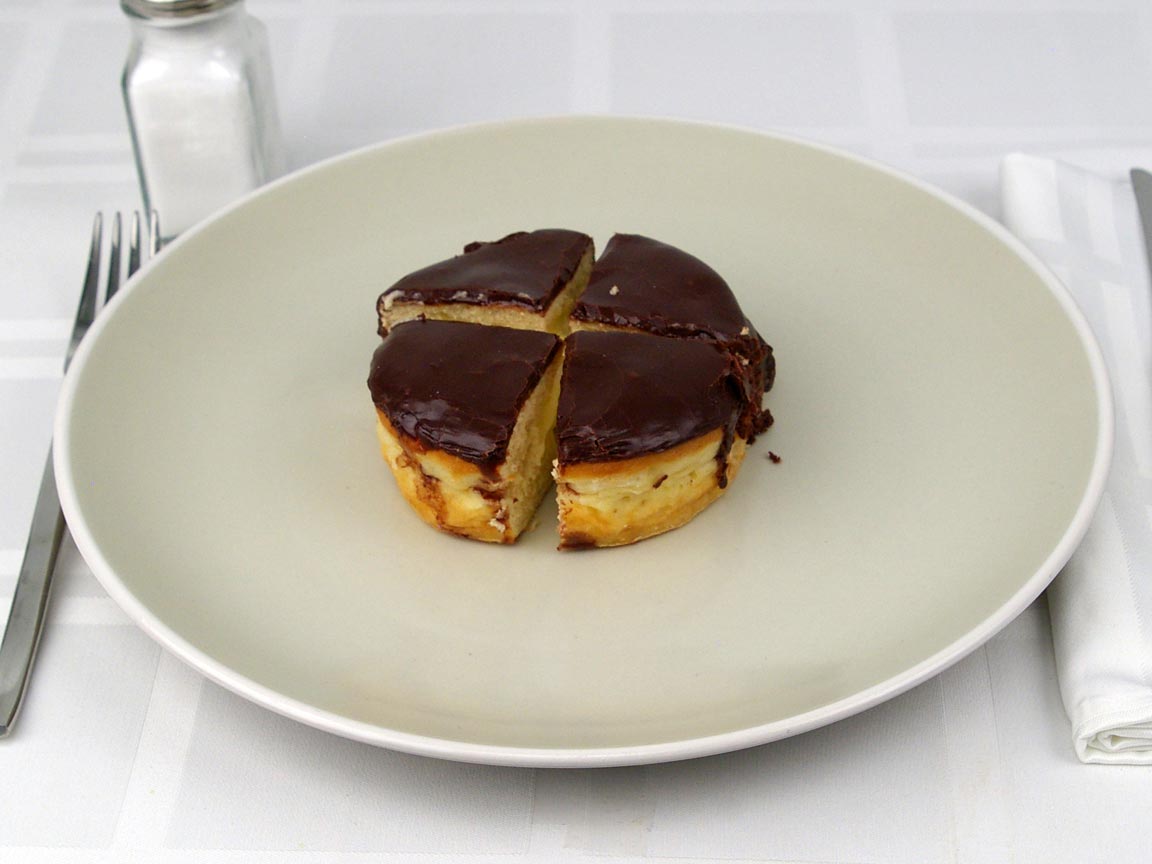
The Iconic Boston Cream Doughnut: A Sweet Legacy
Before we dissect its nutritional profile, it’s essential to appreciate the rich history and cultural significance of the Boston Cream Doughnut. More than just a simple pastry, it represents a slice of American culinary heritage, particularly from its namesake city.
Tracing its Sweet History: From Pie to Doughnut
The origins of the Boston Cream Doughnut are fascinating, deeply rooted in the culinary traditions of Boston, Massachusetts. Its predecessor, the Boston Cream Pie, was invented in 1856 at the prestigious Parker House Hotel (now known as the Omni Parker House). This hotel, a Boston landmark, is famed for its innovative approach to cuisine. The original “pie” was a sponge cake filled with pastry cream and topped with a chocolate glaze, a revolutionary dessert for its time.
It wasn’t until later that the concept transitioned from a pie to a doughnut. The ingenuity of bakers saw the potential to miniaturize this beloved dessert into a handheld, fried treat. This transformation truly solidified its place in the hearts of sweet-toothed enthusiasts across the United States and beyond. Today, the Boston Cream Doughnut is a staple in bakeries, coffee shops, and hotel breakfast buffets, celebrated for its unique combination of textures and flavors. It’s a quintessential American sweet, often found alongside other classics in any Dunkin’ or Krispy Kreme nationwide, inviting travelers to taste a piece of history.
What Makes a Perfect Boston Cream Doughnut?
The allure of a Boston Cream Doughnut lies in its harmonious blend of components:
- The Dough: A light, airy, and often yeast-raised dough, perfectly fried to a golden crispness on the outside while remaining tender and fluffy within. This is the foundation upon which the magic is built.
- The Cream Filling: This is where the “Boston Cream” truly shines. A rich, velvety smooth vanilla custard or pastry cream, generously piped into the center of the doughnut. Its cool, sweet embrace provides a delightful contrast to the warm dough.
- The Chocolate Glaze: The crowning glory. A glossy, dark chocolate ganache or glaze that drapes over the top of the doughnut, adding a layer of intense cocoa flavor and a beautiful sheen.
Together, these elements create a sensory experience that is both comforting and exhilarating, a perfect treat for a traveler exploring a new city or unwinding at a luxurious resort.
Unpacking the Calories: The Nutritional Snapshot
Now, let’s address the burning question for health-conscious travelers and food enthusiasts alike: how many calories are truly packed into this delightful confection?
Average Calorie Count and Macronutrients
The calorie count of a Boston Cream Doughnut can vary significantly based on its size, the specific recipe used, and where it’s purchased. A standard, average-sized Boston Cream Doughnut typically contains anywhere from 250 to 400 calories.
Here’s a general breakdown of what contributes to that number:
- Carbohydrates (Sugars): The majority of the calories come from carbohydrates, primarily sugars from the dough, cream filling, and chocolate glaze. Expect between 30-60 grams of carbohydrates, with a significant portion being added sugars.
- Fats: Frying the dough contributes a considerable amount of fat, as does the cream filling (often made with butter, eggs, and milk/cream) and the chocolate glaze. Total fat content can range from 15-25 grams, with some saturated fat.
- Protein: Doughnuts are not a significant source of protein, usually offering only 4-7 grams, primarily from the flour and dairy in the cream.
For instance, a commercially produced Boston Cream Doughnut from a popular chain might lean towards the lower end of the calorie spectrum (around 250-300), while a gourmet version from a boutique bakery in a city like New York City or London, made with richer ingredients and perhaps larger in size, could easily reach 350-400 calories or even more.
Comparing Doughnuts: A Traveler’s Dilemma
When traveling, you’re often faced with a tempting array of doughnuts. How does the Boston Cream Doughnut stack up against its counterparts?
- Glazed Doughnut: Often considered the baseline, a plain glazed doughnut typically ranges from 200-280 calories. The Boston Cream Doughnut’s filling and extra glaze push its count higher.
- Jelly Doughnut: Similar to Boston Cream Doughnuts, jelly-filled varieties also have added calories from the fruit filling, often landing in the 280-350 calorie range.
- Cruller/Cake Doughnut: These can be denser and absorb more fat, making their calorie count comparable or sometimes even higher than a filled doughnut, depending on toppings.

The “traveler’s dilemma” isn’t just about calories; it’s about making choices that align with your travel goals. Do you splurge on a truly unique local delicacy, or opt for a lighter snack? Understanding the general caloric impact helps you decide when to indulge and when to seek alternatives.
Indulgence on the Road: Balancing Travel & Treats
Travel is about exploration, and food is a huge part of that. Denying yourself every local delicacy would be a shame, but so would returning home feeling sluggish from over-indulgence. The key lies in balance and mindful enjoyment.
Experiencing Local Flavors Responsibly
Imagine yourself strolling through the historic streets of Boston, having just visited the Freedom Trail, and you stumble upon a charming bakery offering freshly made Boston Cream Doughnuts. This is an experience not to be missed!
Here’s how to savor such moments responsibly:
- Portion Control: If available, opt for a mini doughnut, or better yet, share a full-sized one with a travel companion. This allows you to taste without committing to a full portion of calories.
- Mindful Eating: Truly taste and enjoy every bite. Don’t eat it mindlessly while walking or scrolling on your phone. Savor the flavors, textures, and the moment.
- Balance Throughout the Day: If you know you’re going to indulge in a Boston Cream Doughnut for breakfast, make adjustments for lunch and dinner. Perhaps choose lighter, protein-rich meals or more vegetable-heavy options.
- Hydration: Drink plenty of water. It helps with satiety and overall well-being.
Exploring local culture often involves sampling traditional foods, whether it’s tacos in Mexico City, pasta in Rome, or a Boston Cream Doughnut in North America. These culinary experiences are as much a part of the destination as visiting a landmark like the Eiffel Tower or the Louvre Museum in Paris.
Finding the Best Boston Cream Doughnut Across Destinations
While its roots are firmly in Boston, the Boston Cream Doughnut has traveled far and wide. You might be surprised to find excellent versions in unexpected places.
- Hotel Bakeries: Many high-end hotels and resorts, from the Hyatt Regency chains to independent boutique hotels, pride themselves on their in-house bakeries. Their pastry chefs often put their unique spin on classics, offering gourmet Boston Cream Doughnuts as part of their breakfast spread or afternoon tea.
- Local Coffee Shops & Cafes: Independent cafes in bustling cities like London, New York City, or even quaint towns across Europe might feature their take on this classic. Always look for places with fresh, daily-baked goods.
- Specialty Doughnut Shops: The rise of artisanal doughnut shops means you can find incredibly creative and high-quality versions, sometimes even with unique fillings or glazes that elevate the experience.
Smart Choices in Hotels and Resorts
Accommodation plays a huge role in a traveler’s culinary journey. Hotels, from budget-friendly stays to luxurious suites and villas, often offer diverse food options.
- Breakfast Buffets: These can be a minefield or a treasure trove. If you spot a Boston Cream Doughnut, enjoy it! But also fill your plate with healthier options like fresh fruits, yogurt, and whole grains. Many hotels, including those under Marriott International and Hilton Worldwide, now offer extensive healthy choices alongside their indulgent items.
- Room Service: While tempting to order a treat to your room, remember that portions can be large, and prices are often inflated. Consider this for special occasions.
- Hotel Gyms and Activities: Counterbalance your indulgences by taking advantage of hotel amenities. A morning swim, a session in the fitness center, or even a brisk walk to a nearby landmark like Central Park in New York City can help burn off those extra calories.
The Lifestyle of a Savvy Food Traveler
Travel is a lifestyle, and for many, it’s about enriching experiences without sacrificing personal values, be it health, budget, or ethical considerations. A savvy food traveler knows how to navigate the culinary landscape with grace and intelligence.
From Budget Bites to Luxury Patisseries
Your approach to food, including treats like the Boston Cream Doughnut, can vary greatly depending on your travel style:
- Budget Travel: For those on a shoestring budget, a Boston Cream Doughnut from a local bakery or supermarket can be an affordable yet satisfying treat. It’s a way to experience a local flavor without breaking the bank, leaving more funds for exploring landmarks like the Grand Canyon or taking a gondola ride in Venice.
- Luxury Travel: In opulent hotels or resorts in places like Dubai or the Swiss Alps, a gourmet Boston Cream Doughnut might be part of an elaborate breakfast spread, or a meticulously crafted dessert in a fine-dining restaurant. Here, the experience is as much about the presentation and ambiance as it is about the taste.
- Family Trips: Sharing a doughnut can be a fun family moment. Places like Walt Disney World resorts or family-friendly destinations in Asia often have treats that cater to all ages, and the Boston Cream Doughnut is a universally loved option.

Incorporating Activity: Burn Those Calories!
One of the greatest advantages of travel is the inherent activity it often involves. Sightseeing usually means lots of walking, which is fantastic for burning calories and staying active.
- Walking Tours: Explore cities like Rome, Prague, or Sydney on foot. A guided walking tour after enjoying your doughnut can make you feel less guilty and more invigorated. You could walk past the Sydney Opera House or wander through ancient Roman forums.
- Adventure Activities: If your travel takes you to more adventurous locales, consider hiking, cycling, or water sports in the Mediterranean. These activities can easily offset a few indulgent treats.
- Hotel Fitness Centers: Most reputable hotels, from business stays to family resorts, offer well-equipped gyms. Even a 30-minute workout can make a difference.
- Simple Exploration: Ditch the taxi and walk to that famous landmark like Times Square in New York City or explore a new neighborhood. Every step counts!
In conclusion, the Boston Cream Doughnut is a delicious, calorie-dense treat, typically ranging from 250 to 400 calories. However, understanding this isn’t about fostering deprivation, but empowering you to make informed choices. As a traveler, the goal is to savor every unique experience, culinary and otherwise, while maintaining a lifestyle that feels good and sustainable. So, the next time you encounter a fresh Boston Cream Doughnut on your travels, you can enjoy it mindfully, appreciating its history, its taste, and how it fits into your incredible journey. Happy travels, and happy eating!
LifeOutOfTheBox is a participant in the Amazon Services LLC Associates Program, an affiliate advertising program designed to provide a means for sites to earn advertising fees by advertising and linking to Amazon.com. Amazon, the Amazon logo, AmazonSupply, and the AmazonSupply logo are trademarks of Amazon.com, Inc. or its affiliates. As an Amazon Associate we earn affiliate commissions from qualifying purchases.