
A New York steak, also known as a strip steak or Kansas City strip, is a prime cut of beef celebrated for its rich flavor and satisfying texture. For travelers exploring the culinary landscape of New York City or any destination offering this classic dish, understanding its nutritional profile, particularly its calorie count, can be a valuable piece of information. This knowledge can help diners make informed choices, whether they are adhering to specific dietary goals, managing their intake for health reasons, or simply curious about the energy contained within this indulgent meal.
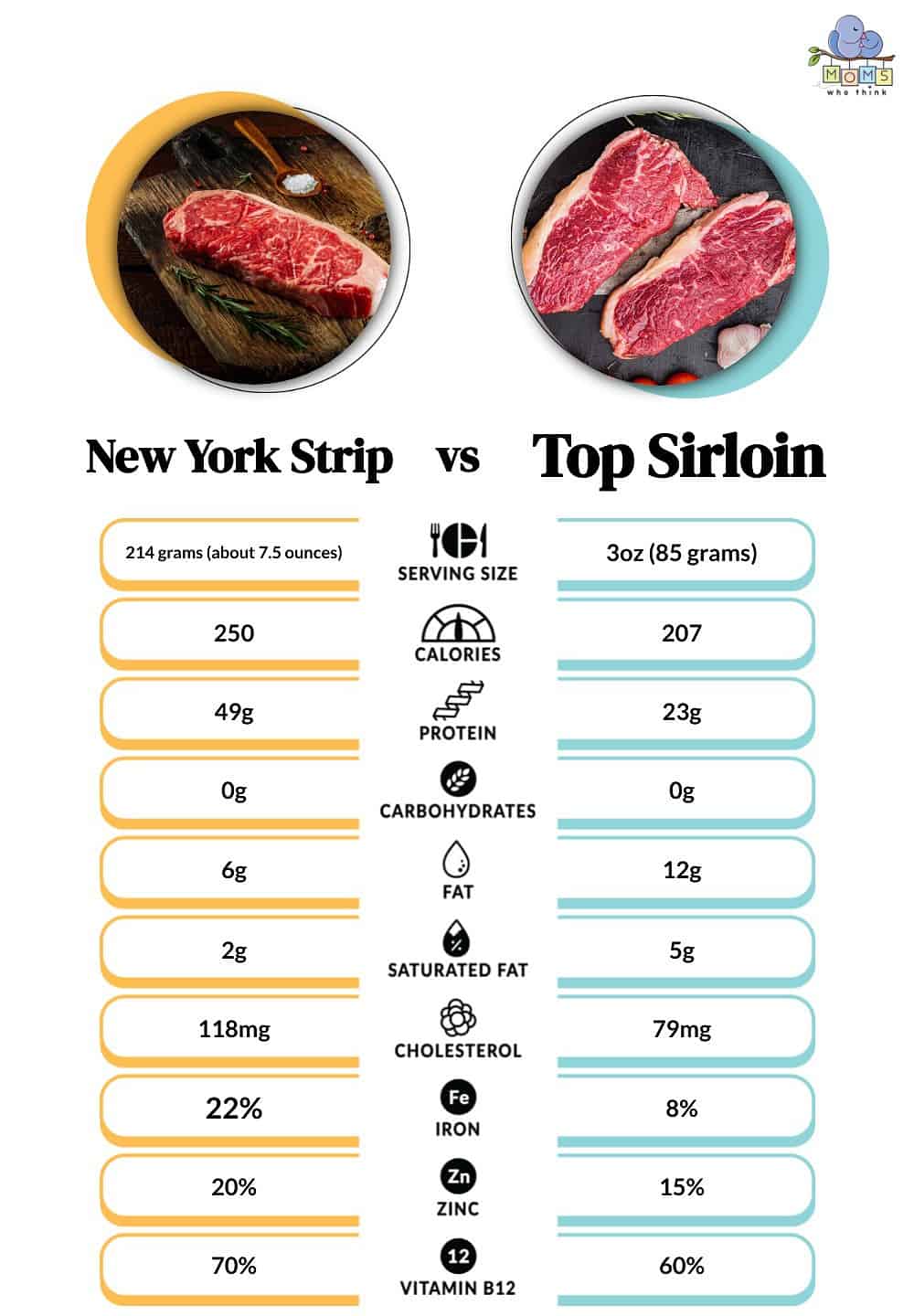
The calorie count of a New York steak is not a fixed number; it varies based on several factors. The most significant influences include the size of the portion, the lean-to-fat ratio of the specific cut, and the method of preparation. However, by examining typical serving sizes and common cooking techniques, we can establish a reliable range for the caloric content of this popular steak.
Understanding the Factors Influencing Calorie Count
Before diving into specific numbers, it’s crucial to appreciate what makes one New York steak different from another in terms of calories. These variations are key to understanding the final caloric figure.
Portion Size: The Primary Driver
The most straightforward factor affecting the calorie count is the sheer weight of the steak. A larger portion naturally contains more nutrients, including calories. Standard serving sizes in restaurants can range from 6 to 12 ounces, and sometimes even larger for specialty cuts or “shareable” options.
- 6-ounce (approximately 170 grams) steak: This is often considered a moderate serving size.
- 8-ounce (approximately 227 grams) steak: A common and satisfying portion for many individuals.
- 10-ounce (approximately 283 grams) steak: A more generous serving, often found in upscale steakhouses.
- 12-ounce (approximately 340 grams) steak and above: These are substantial cuts, typically for hearty appetites or shared dining experiences.
The difference between a 6-ounce and a 12-ounce steak can easily double the calorie count, making portion control a paramount consideration. When dining out, especially in cities like New York renowned for their generous portions, asking about or estimating the weight of your steak is a good practice.
Fat Content: The Marbling Matters
New York steaks are known for their marbling – the intramuscular fat that crisscrosses the meat. While this fat contributes significantly to the steak’s flavor, tenderness, and juiciness, it is also the most calorie-dense component. Fat contains approximately 9 calories per gram, compared to about 4 calories per gram for protein and carbohydrates.
- Leaner Cuts: Some New York steaks will have less visible marbling. These will naturally be lower in calories.
- Well-Marbled Cuts: Steaks with abundant streaks of fat will be higher in calories. This is often desirable for taste and texture, but it’s something to be aware of if calorie intake is a concern.
The thickness of the steak also plays a role, as thicker cuts often have a more consistent distribution of fat throughout.
Preparation Method: The Culinary Influence
How a New York steak is cooked can significantly alter its final calorie count. Different cooking methods introduce varying amounts of fat and can affect the moisture content of the steak.
- Grilling/Broiling: These are generally considered leaner cooking methods. The heat cooks the steak directly, allowing much of the rendered fat to drip away. This is often the preferred method for a straightforward, lower-calorie steak experience.
- Pan-Searing: This method often involves adding a small amount of oil or butter to the pan. While some fat will render and escape, the added cooking fat can increase the overall calorie count. If butter is used generously for basting, the calorie boost can be substantial.
- Sous Vide: This technique involves cooking the steak in a vacuum-sealed bag in a water bath at a precise temperature, followed by a quick sear. The calories remain largely the same as the raw steak, with minimal addition from the searing process.
- Smothered/Sauced: The most significant calorie increases come from additions after cooking. Toppings like butter, garlic butter, creamy sauces, or even cheese can add a considerable number of calories to an otherwise standard steak. For example, a rich béarnaise sauce or a blue cheese crust can easily add several hundred calories.
When considering the calorie count, it is essential to distinguish between the steak itself and any accompaniments or sauces.
Estimating Calorie Counts for a Standard New York Steak
Based on the factors above, we can provide estimated calorie ranges for a typical New York steak, assuming moderate marbling and a common cooking method like grilling or pan-searing without excessive added fats or sauces.
The Unadorned Steak
Let’s consider an 8-ounce (227-gram) New York steak, a popular size.

- Lean Portion: If the steak is relatively lean, with minimal visible fat, an 8-ounce serving can range from 450 to 550 calories. This estimate primarily accounts for the protein and the inherent fat within the muscle tissue.
- Moderately Marbled Portion: A more typical New York steak, with good marbling, will fall into a higher calorie bracket. An 8-ounce portion of a well-marbled steak can typically range from 550 to 700 calories. This accounts for the increased fat content contributing to flavor and richness.
- Generously Marbled Portion: For those who prefer a steak with abundant fat, an 8-ounce cut could potentially reach 700 to 800 calories or even more.
Adjusting for Different Portion Sizes
To estimate calories for other portion sizes, a general rule of thumb is to consider the caloric density of the 8-ounce steak as a baseline.
- 6-ounce (approximately 170 grams) steak: This would be approximately 75% of an 8-ounce steak. So, a lean 6-ounce steak might be around 340-410 calories, while a well-marbled one could be 410-525 calories.
- 10-ounce (approximately 283 grams) steak: This is 125% of an 8-ounce steak. A lean 10-ounce steak could be 560-690 calories, and a well-marbled one 690-875 calories.
- 12-ounce (approximately 340 grams) steak: This is 150% of an 8-ounce steak. A lean 12-ounce steak might be 675-825 calories, and a well-marbled one 825-1050 calories.
It’s important to remember these are estimations. The exact calorie count can only be determined by precise measurement of the steak’s weight and fat content, which is rarely feasible for a diner.
The Impact of Cooking and Serving Styles
The way a New York steak is prepared and served can dramatically increase its calorie load, transforming it from a substantial meal into a decadent indulgence.
Added Fats During Cooking
- Butter Basting: Many chefs use butter to baste steaks during pan-searing. A tablespoon of butter contains about 100 calories and 12 grams of fat. If a steak is basted with several tablespoons, the calorie count can rise by 200-300 calories or more.
- Oils: While often healthier than butter, cooking oils also add calories. A tablespoon of olive oil, for example, contains about 120 calories.
Sauces and Toppings: The Calorie Culprits
This is where the calorie count can truly escalate. Steakhouses are famous for their rich sauces and decadent toppings, each adding significant calories.
- Melted Butter: A simple serving of melted butter for dipping can add 100-200 calories per serving.
- Compound Butters: Butters infused with herbs, garlic, or even blue cheese can add even more richness and calories.
- Creamy Sauces: Sauces like peppercorn sauce, mushroom cream sauce, or hollandaise are often made with heavy cream, butter, and eggs, making them very calorie-dense. A typical serving of a creamy steak sauce can easily add 150-300 calories.
- Cheese Toppings: A sprinkle of Gouda or a crumble of blue cheese can add 100-200 calories, depending on the quantity.
- Fried Elements: Some steak preparations might include crispy onions or other fried elements, which are significant sources of added fat and calories.
For example, an 8-ounce New York steak (estimated at 600 calories) topped with a creamy peppercorn sauce (200 calories) and a side of melted garlic butter (150 calories) could easily reach a total of 950 calories, without even considering any side dishes.
Nutritional Benefits Beyond Calories
While understanding the calorie count is important for dietary management, it’s also beneficial to remember that New York steak offers valuable nutrients. It is an excellent source of high-quality protein, which is essential for muscle building, repair, and satiety. It also provides vital micronutrients such as:
- Iron: Crucial for oxygen transport in the blood and energy production.
- Zinc: Important for immune function, cell growth, and wound healing.
- Vitamin B12: Essential for nerve function and the formation of DNA and red blood cells.
- Other B Vitamins: Including niacin, riboflavin, and B6, which play roles in energy metabolism.
The fat in the steak, particularly saturated fat, is a source of energy, and some fats are essential for the absorption of fat-soluble vitamins. The key is moderation and making informed choices about preparation and portion sizes.
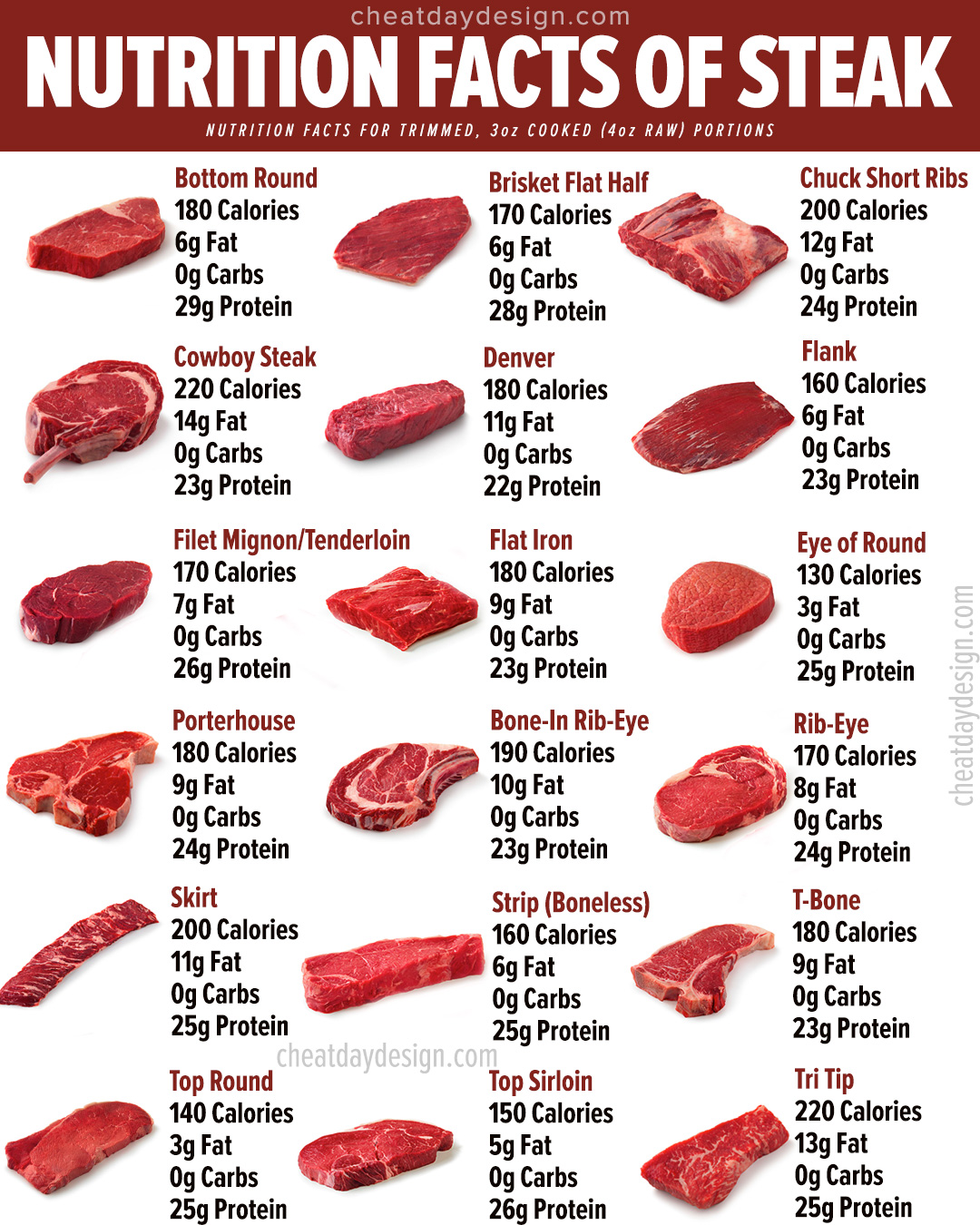
Making Informed Choices
When you find yourself in a city like New York City, or anywhere else that boasts a fantastic steakhouse, like a classic establishment in Chicago or a celebrated grill in Los Angeles, consider these tips:
- Ask Your Server: Don’t hesitate to ask about the typical size of the New York steak and how it’s prepared. Inquire about lighter sauce options or if sauces can be served on the side.
- Opt for Simpler Preparations: Choose grilling or broiling over pan-searing with heavy butter additions.
- Mind the Sauces: If you enjoy sauces, opt for lighter, tomato-based, or herb-infused options, or ask for a small portion on the side to control your intake.
- Share or Downsize: Consider ordering a smaller portion or sharing a larger cut with a dining companion.
- Balance Your Plate: Pair your steak with plenty of non-starchy vegetables, like asparagus, broccoli, or a side salad with vinaigrette, to add volume and nutrients without excessive calories.
By being aware of these factors, travelers can savor the delicious experience of a New York steak while aligning their meal with their personal dietary preferences and health goals. The rich culinary heritage of a destination is best enjoyed when you can indulge mindfully.
LifeOutOfTheBox is a participant in the Amazon Services LLC Associates Program, an affiliate advertising program designed to provide a means for sites to earn advertising fees by advertising and linking to Amazon.com. Amazon, the Amazon logo, AmazonSupply, and the AmazonSupply logo are trademarks of Amazon.com, Inc. or its affiliates. As an Amazon Associate we earn affiliate commissions from qualifying purchases.