
When tourists embark on culinary adventures, the California Sushi Roll often makes an appearance on their plates, particularly in the United States and Canada. This popular creation, a staple in countless sushi establishments, has carved out a unique niche in the global food scene, representing a bridge between traditional Japanese culinary art and Western tastes. For many travelers, exploring local and international cuisine is a highlight of their journey, and understanding what goes into their food, including its nutritional profile, can enhance the experience. The California Roll, often perceived as a healthy option due to its sushi classification, can sometimes surprise diners with its calorie content, an important consideration for those balancing indulgence with health-conscious choices while abroad.
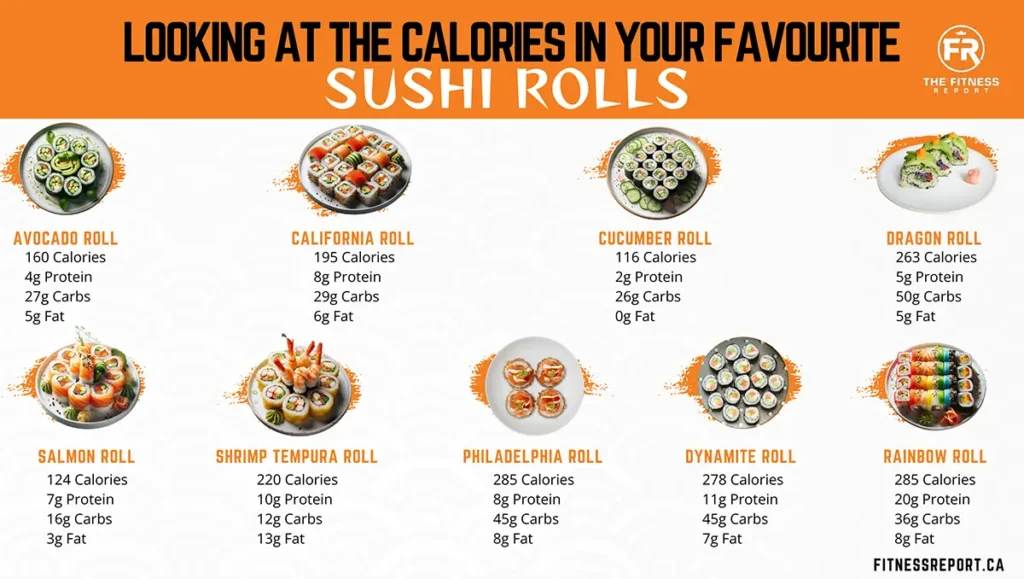
The allure of sushi, in general, lies in its fresh ingredients and artful presentation. For tourists visiting coastal cities or vibrant urban centers like Los Angeles, where the California Roll is said to have originated, tasting this iconic roll is often part of the cultural immersion. However, the caloric landscape of a California Sushi Roll is far from monolithic. It varies significantly based on preparation methods, portion sizes, and the specific ingredients used by different restaurants. A standard eight-piece California Roll typically ranges from 250 to 350 calories, but this is a broad estimate. Factors such as the amount of rice, the presence and quantity of mayonnaise, and the inclusion of additional fillings can dramatically alter this figure. Travelers keen on managing their calorie intake while enjoying diverse cuisines should be aware of these subtle but impactful variations. This insight allows for more informed choices, enabling tourists to savor their culinary explorations without compromising their dietary goals.
The California Roll: A Global Icon with California Roots
The story of the California Roll is a fascinating chapter in the annals of food tourism, embodying culinary innovation and cross-cultural adaptation. While its exact origins are debated, common lore attributes its creation to chefs in Los Angeles in the late 1960s or early 1970s. Faced with a clientele perhaps unaccustomed to raw fish or the traditional presentation of nori (seaweed) on the outside, chefs ingeniously inverted the roll, placing the rice on the exterior and the seaweed on the inside. This innovation, coupled with the substitution of hard-to-find toro (fatty tuna) with avocado and the introduction of imitation crab meat (surimi), made sushi more palatable and accessible to a Western audience. The result was a roll that swiftly captured the hearts and palates of diners across North America, becoming a gateway to the broader world of Japanese cuisine.
From its humble beginnings, the California Roll transcended its regional appeal, becoming a global phenomenon. Today, it is a ubiquitous item on sushi menus from London to Sydney, often serving as the benchmark for sushi restaurants catering to an international clientele. Its presence on menus in places far removed from California speaks volumes about its universal appeal and adaptability. For tourists, encountering the California Roll in different countries can be an interesting cultural barometer, revealing how local tastes influence the execution of a globally recognized dish. In Tokyo, for instance, while traditional sushi reigns supreme, the California Roll might be found in more contemporary or fusion-style establishments, adapted to local preferences for nuance and precision.
The roll’s journey from a novelty item to a culinary institution highlights the dynamic nature of food tourism. It shows how a dish can evolve, cross borders, and become a cultural ambassador, inviting travelers to explore not just the flavors, but also the stories behind their meals. Its success paved the way for countless other fusion rolls and Westernized sushi creations, expanding the global footprint of sushi and making it an approachable cuisine for millions of tourists worldwide. For many first-time sushi eaters, the California Roll serves as a safe and familiar entry point, easing them into the textures and flavors of sushi without overwhelming them with traditional nigiri or sashimi. This foundational role in global sushi consumption reinforces its importance in the travel and tourism experience, making it much more than just a roll—it’s a cultural touchstone.
Deconstructing the Calorie Count: Ingredients and Their Impact
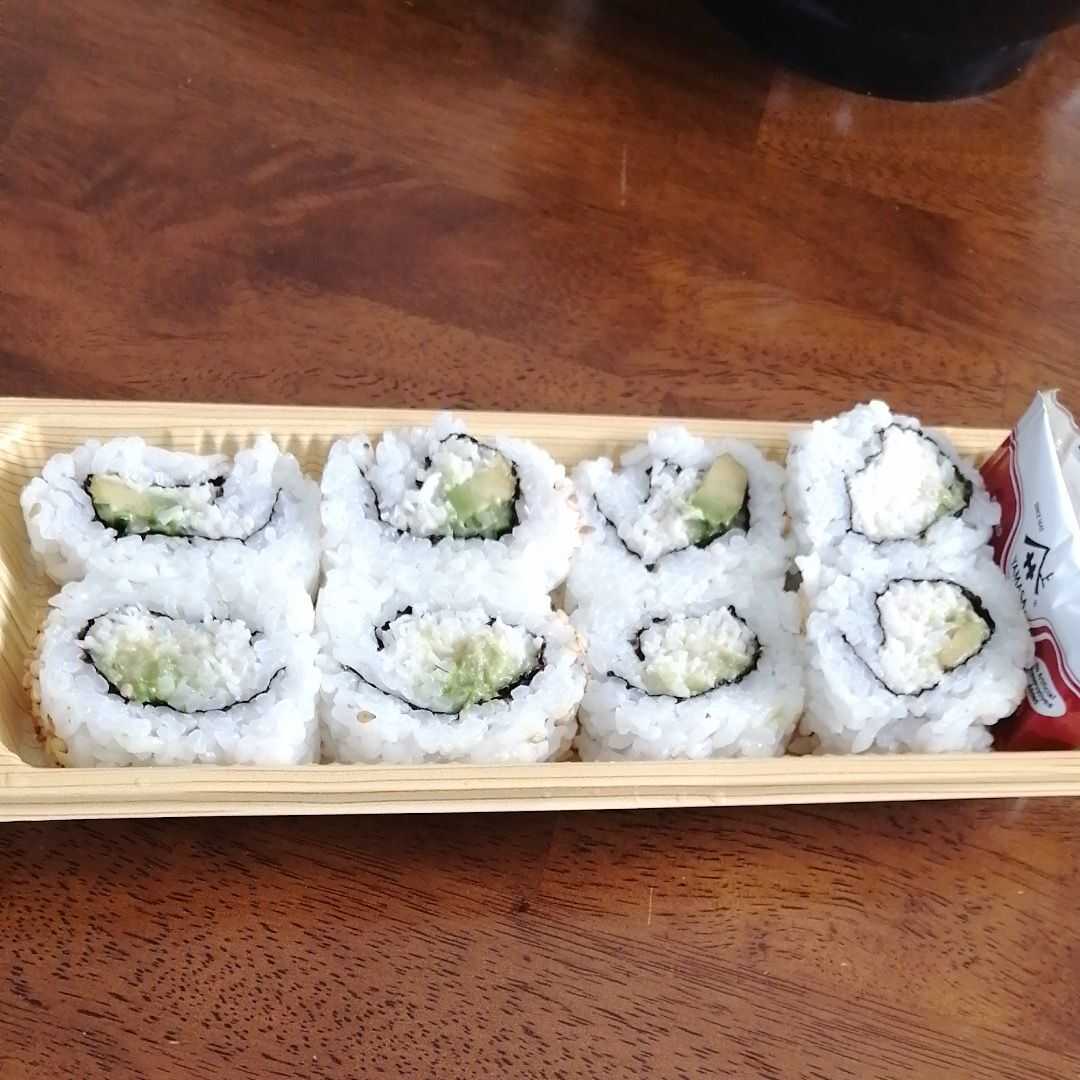
Understanding the caloric composition of a California Sushi Roll requires a closer look at its core ingredients and how they are typically prepared. The primary components are sushi rice, nori, imitation crab meat (surimi), avocado, and cucumber, often topped with toasted sesame seeds. A crucial element in many rolls is mayonnaise, particularly spicy mayonnaise, which significantly contributes to the overall calorie count.
The Role of Rice
Sushi rice, prepared with vinegar, sugar, and salt, forms the bulk of the roll. While seemingly innocuous, rice is carbohydrate-dense. A standard eight-piece California Roll can contain between 150-200 calories from the rice alone, depending on the thickness of the rice layer. Restaurants vary widely in their rice-to-filling ratio, and a generously portioned roll will naturally have a higher calorie count from this foundational ingredient. For tourists seeking lighter options, asking for “light rice” or “brown rice” rolls, where available, can be an effective strategy to reduce caloric intake.
Proteins and Fats: Crab and Avocado
Imitation crab meat (surimi), though processed, is relatively low in calories and fat, contributing around 20-30 calories per roll. Its primary role is to provide a mild, slightly sweet flavor and a tender texture. Avocado, on the other hand, is a healthy fat powerhouse. While rich in monounsaturated fats, which are beneficial for heart health, these fats are calorie-dense. A quarter to a half of a medium avocado can add anywhere from 60-120 calories to a roll. The creamy texture and nutritional benefits of avocado are undeniable, but its contribution to the total calorie count is substantial.
The Impact of Condiments and Toppings
This is often where hidden calories lurk. Mayonnaise, whether regular or spicy, is a significant contributor. A mere tablespoon of mayonnaise can add 90-100 calories and 10 grams of fat. Many rolls, especially those served in Westernized sushi restaurants, are drizzled with generous amounts of spicy mayo or other rich sauces. Toasted sesame seeds, while adding flavor and texture, are generally light in calories, contributing only about 10-20 calories per roll. However, excessive use of other toppings like tempura flakes or sweet glazes can quickly push the calorie count higher. For health-conscious travelers, requesting sauces on the side or omitting them entirely can make a notable difference. Understanding these individual contributions empowers tourists to customize their orders to better align with their dietary preferences while still enjoying the rich tapestry of global cuisine.
Navigating Sushi Menus as a Tourist: Making Informed Choices
For travelers exploring diverse culinary landscapes, making informed decisions about food is paramount. While the California Sushi Roll offers a delightful taste of fusion cuisine, a deeper understanding of sushi menus can unlock healthier and equally satisfying options, especially when calorie control is a consideration. Navigating the myriad choices available requires a bit of knowledge and a willingness to ask questions.
Beyond the California Roll: Exploring Lighter Options
Many sushi restaurants, particularly in tourist-heavy areas, offer a wide array of choices beyond the classic California Roll. For those looking to minimize calories, sashimi (slices of raw fish without rice) and nigiri (slices of raw fish over small mounds of rice) are excellent alternatives. Sashimi is often the lowest-calorie option, as it eliminates rice and extra ingredients, allowing the fresh flavor of the fish to shine. Tuna, salmon, and yellowtail sashimi are lean protein sources that provide essential nutrients with minimal calories.
When opting for rolls, look for those with simpler ingredients and fewer sauces. Cucumber rolls (kappa maki) or avocado rolls are light and refreshing vegetarian options. Rolls featuring fresh fish and vegetables without added creamy sauces or tempura elements are generally lower in calories. Some establishments also offer “hand rolls” (temaki), which typically contain less rice and are wrapped in nori, making them a more portion-controlled choice.
Asking Questions and Customizing Your Order
Don’t hesitate to engage with your server, especially when dining in foreign countries or unfamiliar establishments. Most restaurants are accustomed to dietary requests from tourists. Inquire about the ingredients, especially regarding sauces and mayonnaise content. Requesting “no mayo” or “sauce on the side” for your California Roll can cut hundreds of calories. Similarly, asking for extra vegetables like cucumber or carrot in your rolls can boost fiber and nutrients while reducing the overall caloric density. Many restaurants are also willing to customize rolls with less rice, offering a lighter version without compromising the essential flavors. This proactive approach not only helps manage calorie intake but also often leads to a more personalized and enjoyable dining experience.

Beyond Calories: The Cultural and Experiential Value of Sushi Tourism
While the caloric content of a California Sushi Roll is a practical consideration for many travelers, it’s crucial to remember that food tourism encompasses far more than just nutritional facts. Dining out, especially in a new destination, is an integral part of the cultural experience, offering insights into local customs, history, and social dynamics. For tourists, tasting regional variations of sushi, observing the meticulous preparation by skilled chefs, and sharing meals with locals can be as enriching as visiting a historic landmark or a famous museum.
The act of savoring a California Roll, whether in its birthplace of California or a bustling market in Europe, connects travelers to a global culinary narrative. It’s an opportunity to appreciate the fusion of traditions that led to its creation and to observe its evolution in different cultural contexts. The aesthetic presentation, the communal aspect of sharing platters, and the unique flavors all contribute to a memorable travel experience that transcends mere sustenance.
Furthermore, indulging in food during travel is often about celebrating the moment and creating lasting memories. While health-conscious choices are important, an overly strict focus on calories can sometimes detract from the joy of discovery. It’s about balance: enjoying a delicious California Roll as a treat, alongside other lighter, traditional Japanese dishes, or balancing it with active sightseeing throughout the day. Food experiences are powerful conduits for cultural understanding, allowing tourists to engage with a destination on a sensory level. The vibrant colors, fresh aromas, and unique textures of sushi, including the humble California Roll, are all threads in the rich tapestry of global tourism, inviting exploration and appreciation beyond simple nutritional metrics.
LifeOutOfTheBox is a participant in the Amazon Services LLC Associates Program, an affiliate advertising program designed to provide a means for sites to earn advertising fees by advertising and linking to Amazon.com. Amazon, the Amazon logo, AmazonSupply, and the AmazonSupply logo are trademarks of Amazon.com, Inc. or its affiliates. As an Amazon Associate we earn affiliate commissions from qualifying purchases.