
The allure of culinary exploration is a cornerstone of the modern travel experience. From sampling street food in bustling markets to indulging in gourmet creations at Michelin-starred restaurants, food offers a unique lens through which to understand a destination’s culture and heritage. Among the myriad global dishes that have transcended their origins to become universally beloved, the California Roll holds a special place. Often the gateway for many to the expansive world of sushi, its familiar flavors and approachable presentation have cemented its status as a staple in eateries from bustling metropolises to serene coastal towns.
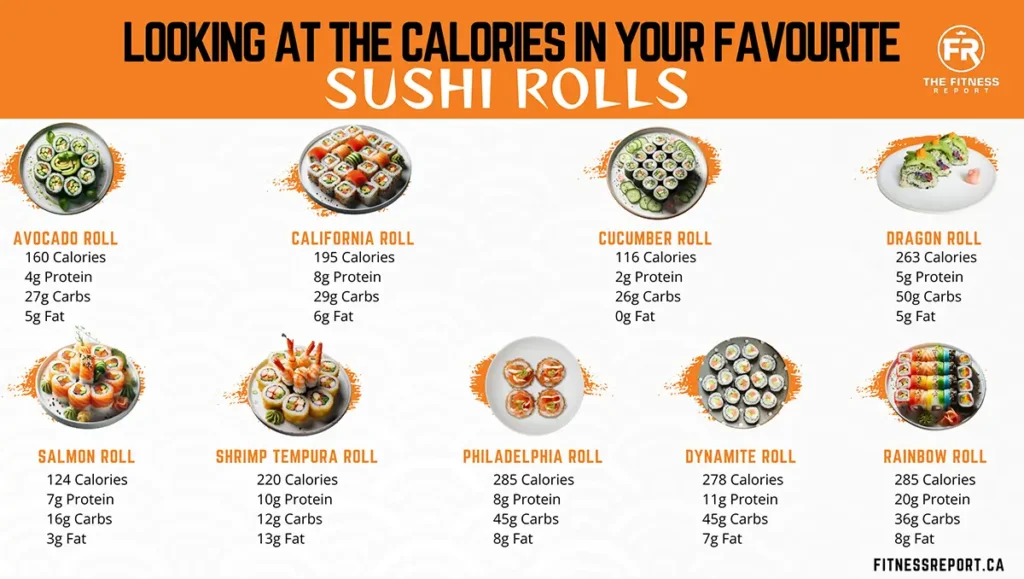
For the discerning tourist, however, the enjoyment of culinary delights often comes with a mindful consideration of health and nutrition. As travelers navigate diverse menus and new gastronomic landscapes, questions about the nutritional content of popular dishes frequently arise. “How many calories are in a California Roll?” is a query that reflects a broader trend: the desire to balance the pleasure of food tourism with personal wellness goals. This article delves into the nutritional profile of this iconic sushi roll, offering insights for tourists who wish to savor their culinary journey without compromising their dietary awareness.
The California Roll: A Global Culinary Icon for Travelers
The California Roll stands as a testament to culinary innovation and cross-cultural appeal. Its ubiquitous presence in sushi restaurants across the globe makes it an almost guaranteed find for travelers, regardless of their destination. Understanding its journey and why it resonates so deeply with international palates is key to appreciating its place in the landscape of food tourism.
Origins and Evolution
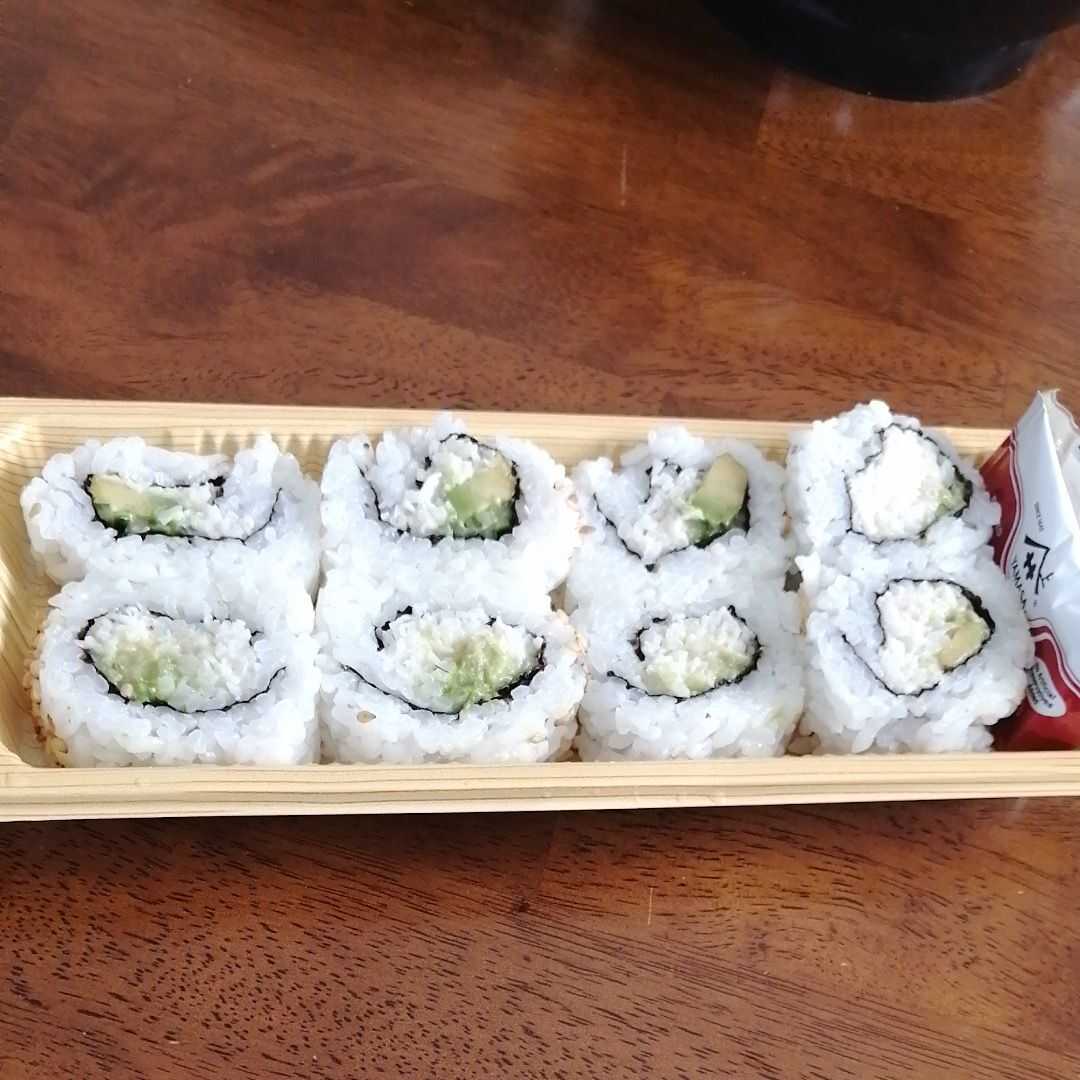
The exact genesis of the California Roll is a subject of friendly debate, but its roots are firmly planted in North America, specifically in the 1960s or 70s. One popular theory attributes its invention to Noritoshi Kanai, a chef at the Tokyo Kaikan restaurant in Los Angeles, who reputedly began substituting tuna with avocado when tuna was out of season, creating a roll that appealed to American palates less accustomed to raw fish. Another prominent claim points to Hidekazu Tojo, a chef in Vancouver, who states he created a similar inside-out roll (uramaki) in 1971, preferring to hide the nori (seaweed) on the inside, as many Westerners found its texture off-putting. Regardless of its precise birthplace, the roll quickly gained popularity, evolving into the familiar combination of cucumber, crab (often imitation crab or surimi), and avocado, wrapped in nori and rice, frequently topped with sesame seeds or tobiko (flying fish roe). This innovative approach, blending traditional Japanese sushi techniques with ingredients palatable to a Western audience, paved the way for sushi to become a global phenomenon. It democratized sushi, moving it from a niche, exotic food to a mainstream, accessible delicacy, readily available in diverse culinary scenes worldwide.
Why it Appeals to Tourists
For travelers exploring new cities or even unfamiliar cultures, the California Roll offers a culinary sanctuary. Its appeal is multi-faceted:
Firstly, its familiarity and mild flavor profile make it an incredibly safe choice. Many tourists, especially those new to Japanese cuisine, might be hesitant to try more adventurous sushi options involving unfamiliar types of raw fish. The California Roll, with its cooked crab (or surimi), creamy avocado, and crunchy cucumber, provides a comforting and recognizable taste and texture. This makes it an ideal entry point for culinary adventurers, allowing them to experience a facet of global cuisine without stepping too far out of their comfort zone.
Secondly, its widespread availability ensures that tourists can find it in virtually any restaurant that serves sushi, from casual takeout spots to upscale dining establishments. This consistency in availability and preparation means that a traveler can often expect a similar experience whether they are in California, New York, Paris, or Tokyo (where it’s often seen as a Western import). This reliability is a comforting factor when navigating the potentially overwhelming choices of local eateries in a foreign land.
Finally, the California Roll also embodies a certain adaptability, fitting into various travel scenarios. It can be a quick, satisfying lunch enjoyed on the go between sightseeing tours, a light appetizer before a larger meal, or a convenient option for those with dietary restrictions who might struggle with other local dishes. Its global recognition and approachable nature make it an indispensable part of the modern tourist’s culinary toolkit, allowing them to participate in the joys of food tourism with ease and confidence.
Deconstructing the Calories: What’s Inside Your Roll?
Understanding the calorie count of a California Roll requires a closer look at its individual components. Each ingredient contributes differently to the overall nutritional profile, and variations in preparation can significantly impact the final caloric value. For health-conscious tourists, this detailed breakdown is crucial for making informed dietary choices.
Core Ingredients and Their Contributions
A standard California Roll typically consists of several key ingredients, each bringing its own nutritional baggage:
- Sushi Rice: This is the foundational component, providing the bulk of the carbohydrates and a significant portion of the calories. Sushi rice is typically seasoned with vinegar, sugar, and salt, which further adds to its caloric and sodium content. A standard 8-piece roll can contain anywhere from 100 to 150 grams of rice, accounting for a substantial caloric base.
- Crab Meat (or Surimi): Traditionally, imitation crab meat, or surimi, is used. Surimi is a processed seafood product made from white fish (like pollock), starch, egg whites, and flavorings. It is relatively low in calories and fat, providing a lean source of protein. If real crab meat is used, it also offers lean protein but might come with slightly different micronutrient profiles.
- Avocado: A star ingredient, avocado is lauded for its healthy monounsaturated fats, fiber, and various vitamins and minerals (like potassium and Vitamin K). However, it is also calorie-dense. While beneficial, a generous portion of avocado can significantly increase the roll’s overall calorie count.
- Cucumber: Primarily composed of water, cucumber is a low-calorie, hydrating ingredient that adds a refreshing crunch and fiber without contributing significantly to the calorie total.
- Nori (Seaweed): The dried seaweed wrapper (often on the inside for a California Roll) is negligible in terms of calories. It provides some minerals like iodine.
- Mayonnaise/Spicy Mayo: This is often where hidden calories lurk. While not always a primary ingredient within the roll itself, some variations or accompanying sauces (like spicy mayo) can be high in fat and calories. A dab of regular mayonnaise can add 50-100 calories, and spicy mayo, often made with added oils and chili, can be even more calorific.
- Sesame Seeds/Roe: These toppings are usually applied sparingly and contribute minimally to the calorie count, adding texture, flavor, and a small amount of healthy fats or protein.
Average Calorie Count
Given the varying proportions and preparation methods, pinpointing an exact calorie count for a California Roll can be challenging. However, an 8-piece standard California Roll typically ranges from 250 to 400 calories.

Several factors influence this range:
- Size of the Roll: Larger rolls or those with more rice will naturally have a higher calorie count.
- Amount of Avocado: A generous amount of avocado, while healthy, adds significant calories due to its fat content.
- Type of Crab: While both real crab and surimi are lean, their precise preparation might lead to minor differences.
- Added Sauces: The presence of mayonnaise (especially spicy mayo) within or on top of the roll can drastically increase the calorie count, sometimes by an additional 50-150 calories per roll.
- Restaurant Specifics: Each restaurant might have its own recipe and portion sizes, leading to variability. A high-end establishment might use less rice and more fresh ingredients, while a chain might optimize for cost, potentially affecting the nutritional breakdown.
For a tourist monitoring their intake, it’s wise to consider a standard 8-piece California Roll as being in the mid-300 calorie range, and adjust expectations based on perceived portion sizes and any visible additions like extra sauce.
Navigating Nutritional Choices While Exploring Culinary Tourism
Culinary tourism is an enriching aspect of travel, offering insights into local cultures and traditions through food. However, for those committed to a balanced diet, navigating restaurant menus in unfamiliar territories can present a challenge. The California Roll, while relatively known, exemplifies the need for informed choices.
Making Informed Decisions on the Go
Tourists can employ several strategies to enjoy local culinary experiences, including sushi, while maintaining their dietary goals:
- Ask About Ingredients: Don’t hesitate to inquire about the specific components of a roll, especially sauces or any ‘special’ additions. Many restaurants are accustomed to dietary questions.
- Portion Control: Opt for fewer pieces if a roll is particularly large or if you’re pairing it with other dishes. Sharing rolls with travel companions can also be an excellent way to sample more variety without overindulging.
- Watch Out for Sauces: Mayonnaise-based sauces, tempura flakes, and sweet glazes are often significant calorie boosters. Request sauces on the side, or ask for lighter alternatives like ponzu or soy sauce. Even dipping sauces should be used sparingly.
- Balance with Other Meals: If you plan to enjoy a richer sushi meal, consider making your other meals of the day lighter, focusing on lean proteins and vegetables.
- Opt for Different Sushi Types: While the California Roll is popular, exploring other sushi options can lead to healthier choices. Sashimi (slices of raw fish without rice) or nigiri (fish over a small mound of rice) often contain fewer calories and carbohydrates. Vegetable rolls (like cucumber or avocado rolls) also offer lower-calorie alternatives.
The Role of Restaurant Variations
The environment in which you consume a California Roll can significantly influence its nutritional profile.
- Chain Restaurants vs. Independent Eateries: Large chain restaurants, particularly those with publicly available nutritional information, might offer a more consistent product. However, independent, artisanal sushi bars might use higher quality, fresher ingredients and have more control over preparation, potentially offering a ‘cleaner’ version of the roll.
- Fast-Casual vs. Fine Dining: Fast-casual sushi spots might prioritize speed and cost-effectiveness, sometimes leading to larger portions of rice, heavier sauces, or more imitation ingredients. Fine dining establishments might offer more refined versions, with careful balance of ingredients and less reliance on heavy additions.
- Geographic Location: A California Roll in its namesake state might differ slightly from one found in Europe or Asia, reflecting local ingredient availability and culinary preferences. Awareness of these nuances allows travelers to make more discerning choices based on the restaurant type and location.
Beyond Calories: The Broader Health and Tourism Perspective
While calorie counting is a practical tool for managing diet during travel, it’s essential to view food from a holistic perspective. The California Roll, like any food, offers more than just caloric value; it provides nutritional benefits and contributes to a rich cultural experience, which is paramount to tourism.
Nutritional Benefits
Despite its calorie content, a California Roll can be a source of valuable nutrients:
- Healthy Fats: Avocado is a rich source of monounsaturated fats, known for their heart-healthy benefits. These fats contribute to satiety and overall well-being.
- Lean Protein: Whether from real crab meat or surimi, the protein content helps with muscle maintenance and keeps you feeling full, which can be beneficial for active tourists.
- Vitamins and Minerals: Nori provides iodine, and cucumber offers hydration and some vitamins. The overall combination, when chosen wisely, can be part of a balanced diet.
- Fiber: From the avocado, cucumber, and seaweed, fiber aids digestion and contributes to gut health, crucial for comfortable travel.
When comparing it to many other travel-friendly quick meals (like burgers or fried foods), a California Roll often emerges as a relatively healthier option, especially if prepared with minimal added sauces.
Cultural Immersion Through Food
For tourists, food is not merely sustenance; it’s a gateway to cultural immersion. Enjoying a California Roll, while an American invention, still connects you to the global phenomenon of Japanese cuisine and its adaptations. It’s part of the broader narrative of how food travels, transforms, and unites people. Focusing solely on calories might detract from the joy of discovery and the sensory experience that food brings. The aroma, texture, and presentation of a carefully crafted roll contribute to the overall enjoyment of the travel experience. It’s about balance—appreciating the cultural significance and pleasure of the food while remaining mindful of health goals.
Sustainable Food Tourism
Increasingly, mindful tourists are not just concerned with their personal health but also with the health of the planet and local communities. Choosing food wisely can extend to supporting sustainable practices. While not always directly evident with a [California Roll](https://lifeoutofthebox.com/california-roll], asking about the sourcing of ingredients (e.g., sustainably caught crab or locally grown avocado) can contribute to a more responsible travel footprint. Engaging with local food systems, even when ordering a globally recognized dish, fosters a deeper connection to the destination and supports ethical tourism.
In conclusion, the California Roll is more than just a popular menu item; it’s a symbol of culinary globalization and an accessible entry point to sushi for countless travelers. For the health-conscious tourist, understanding its caloric content—typically ranging from 250 to 400 calories for an 8-piece roll, largely influenced by rice, avocado, and sauces—is vital for making informed choices. Yet, beyond the numbers, the act of savoring a California Roll is an integral part of the travel experience, offering both nutritional benefits and a taste of global culinary innovation. By balancing awareness of its components with an appreciation for its cultural role, tourists can fully embrace the joys of food tourism, one delightful roll at a time.
LifeOutOfTheBox is a participant in the Amazon Services LLC Associates Program, an affiliate advertising program designed to provide a means for sites to earn advertising fees by advertising and linking to Amazon.com. Amazon, the Amazon logo, AmazonSupply, and the AmazonSupply logo are trademarks of Amazon.com, Inc. or its affiliates. As an Amazon Associate we earn affiliate commissions from qualifying purchases.