
The allure of a perfectly cooked New York strip steak is undeniable. Its rich flavor, tender texture, and satisfying juiciness make it a star on menus across the globe, from the bustling steakhouses of New York City to the rustic charm of a countryside inn. But beyond the exquisite taste, many diners find themselves wondering about the nutritional impact of this beloved cut of beef. Specifically, the question arises: “How many calories are in a New York strip steak?” This isn’t just about satisfying curiosity; for those mindful of their dietary intake, understanding the caloric content is crucial for maintaining a balanced lifestyle, whether you’re a dedicated foodie exploring local culinary scenes or a traveler seeking to savor regional delicacies without derailing your wellness goals.
The world of travel, accommodation, and lifestyle often intersects with our culinary choices. When planning a trip to a vibrant destination like Las Vegas or a quaint European city, the experiences often revolve around exploring the local culture, which inevitably includes its food. Imagine enjoying a succulent steak after a day of sightseeing at the Eiffel Tower or unwinding in a luxurious suite at the Ritz-Carlton. In such moments, knowing the nutritional breakdown of your meal can help you make informed decisions that align with your personal health objectives. This article delves into the caloric makeup of a New York strip steak, offering insights that are valuable whether you’re a seasoned globetrotter or simply curious about your favorite meal.
Understanding the Caloric Content of New York Strip Steak
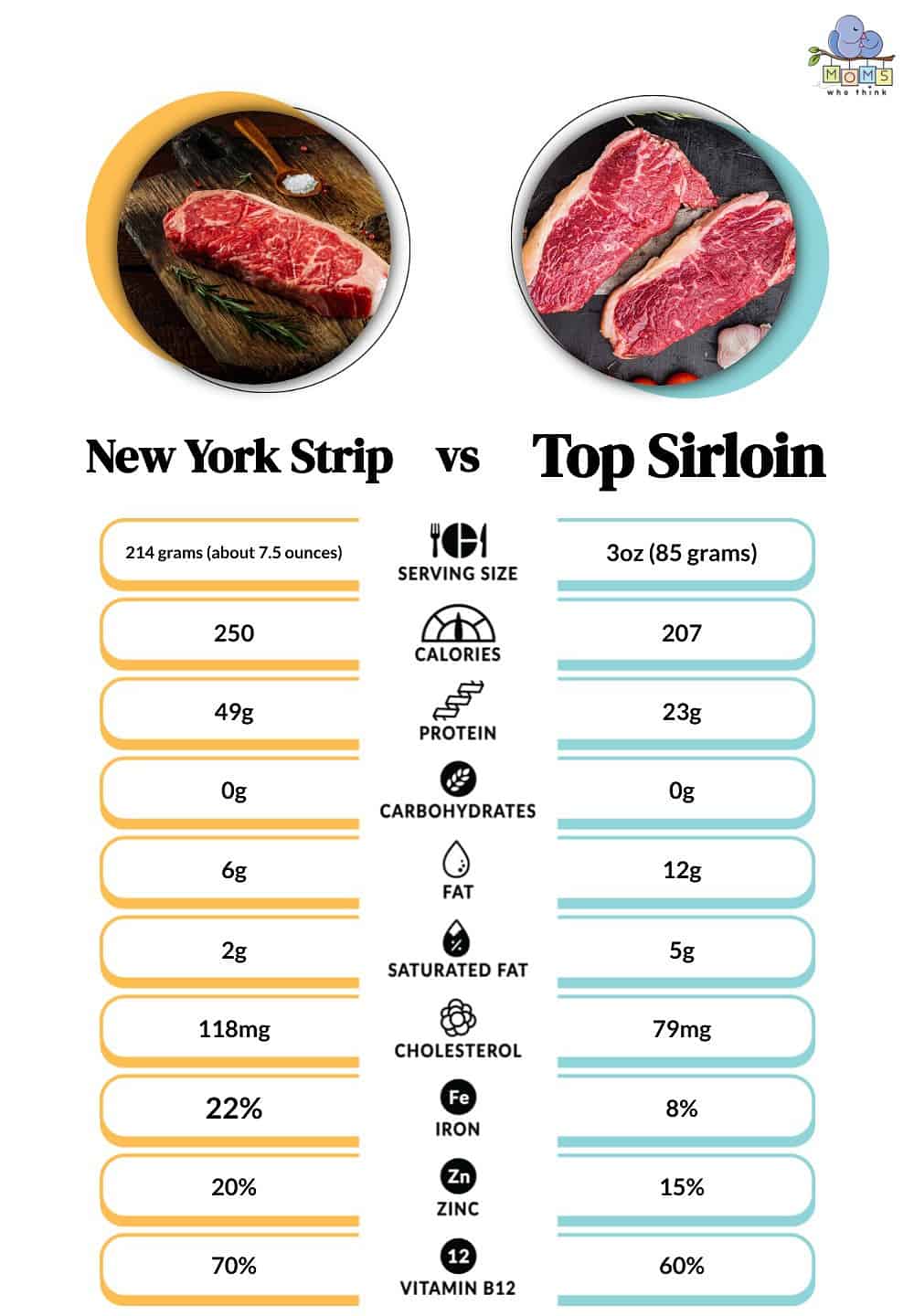
When we talk about calories in a New York strip steak, it’s important to recognize that this number isn’t static. Several factors influence the exact caloric count, making it a dynamic figure rather than a fixed one. The primary determinants include the steak’s size, its fat content (marbling), and the cooking method employed. A typical 6-ounce (170-gram) serving of a trimmed, cooked New York strip steak can range from approximately 350 to 450 calories. However, this is a broad estimate.
Factors Influencing Calorie Count
1. Portion Size
The most obvious factor influencing the calorie count is the sheer size of the steak. A larger cut, naturally, will contain more calories. Restaurants often serve steaks in varying weights, so knowing the weight of your steak is the first step to estimating its caloric impact. For example, a 10-ounce steak will have significantly more calories than a 4-ounce portion. When dining out, especially in cities like Chicago known for its hearty portions, or even during a business stay in a hotel like the Hyatt Regency Chicago, being aware of portion sizes can be a key to managing your intake.
2. Fat Content and Marbling
The marbling – the intramuscular fat within the muscle tissue – is what gives a New York strip steak its characteristic flavor and tenderness. However, fat is also calorie-dense, containing 9 calories per gram compared to 4 calories per gram for protein and carbohydrates. A steak with more marbling will therefore have a higher calorie count than a leaner cut. The USDA’s data often categorizes beef by lean percentages, and a “Select” grade steak might be leaner than a “Prime” grade steak, impacting its calorie profile. This is particularly relevant when considering food experiences in regions like Texas, renowned for its beef production, where the quality and marbling of steaks are paramount.
3. Cooking Method
How the steak is prepared plays a significant role in its final calorie count.
- Grilling or Broiling: These methods are generally the leanest, as they allow much of the rendered fat to drip away from the steak. A grilled or broiled New York strip steak will likely be on the lower end of the calorie spectrum. This is often the preferred method for health-conscious individuals, even when enjoying a luxury travel experience.
- Pan-Searing: While also effective, pan-searing might involve adding a small amount of oil or butter to the pan. This can slightly increase the calorie count. However, the fat from the steak itself will still render out to some extent.
- Braising or Stewing: While less common for a typical New York strip steak, if prepared in a sauce or liquid, the added ingredients can significantly boost the calorie count.

When you’re on vacation, perhaps exploring the culinary landscape of New Orleans and considering different dining options, the cooking method can be a deciding factor. Even a luxurious resort stay might offer various dining experiences, and understanding these preparation techniques helps in making informed choices.
Nutritional Breakdown Beyond Calories
While calories are a primary concern for many, it’s beneficial to look at the broader nutritional picture of a New York strip steak. This cut of beef is not just about energy; it’s also a valuable source of essential nutrients.
Key Nutrients in New York Strip Steak
A typical serving of cooked New York strip steak is a powerhouse of protein, essential for muscle repair and growth. It also provides vital minerals and vitamins that contribute to overall health.
- Protein: This is the steak’s star player. A 6-ounce serving can provide upwards of 40-50 grams of high-quality protein. Protein is satiating, meaning it helps you feel fuller for longer, which can be beneficial for managing appetite, even during extended travel.
- Iron: Red meat is an excellent source of heme iron, which is more easily absorbed by the body than non-heme iron found in plant-based foods. Iron is crucial for transporting oxygen in the blood and preventing anemia.
- Zinc: Essential for immune function, wound healing, and cell growth, zinc is another nutrient abundant in beef.
- B Vitamins: New York strip steak is rich in B vitamins, including B12, niacin (B3), and B6. These vitamins are critical for energy metabolism, nervous system function, and the formation of red blood cells. Vitamin B12, in particular, is almost exclusively found in animal products, making steak a significant source for those who consume it.
- Creatine: Found naturally in meat, creatine is known for its role in muscle energy production and has also been linked to cognitive benefits.
Understanding these nutritional components provides a more complete picture. Even when indulging in a meal at a renowned establishment like Peter Luger Steak House in Brooklyn, recognizing the nutrient density can offer a balanced perspective.
Making Informed Choices for Travel and Lifestyle
The information about calorie counts and nutritional values empowers individuals to make choices that align with their lifestyle and travel plans. Whether you are on a strict diet, managing a health condition, or simply aiming for a balanced intake, you can still enjoy the exquisite flavors of a New York strip steak.
Strategies for Enjoying Steak While Maintaining Health Goals
For travelers who want to savor local cuisines, including premium steaks, without compromising their health objectives, several strategies can be employed. This is especially pertinent when visiting destinations like Argentina, famous for its parrillas, or even when staying in a boutique hotel in Paris and exploring its bistros.
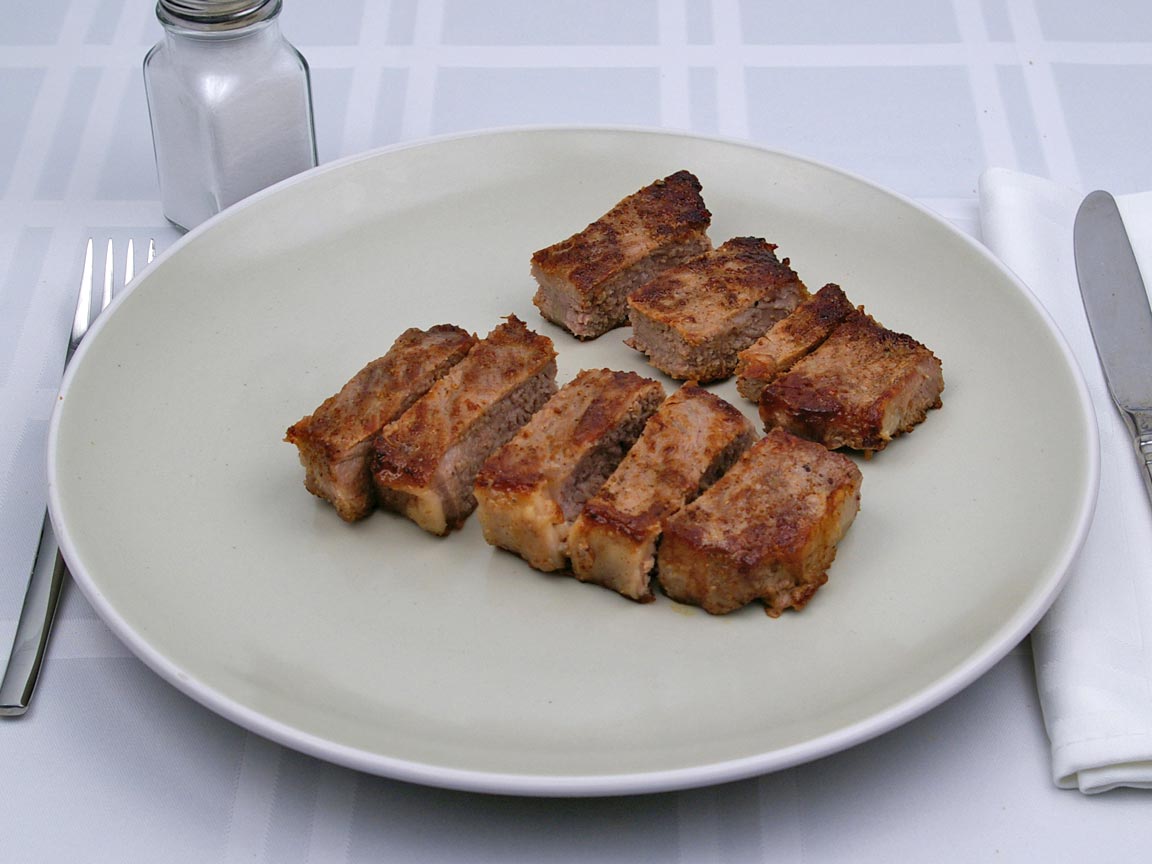
- Portion Control: Opt for smaller servings. Many restaurants offer different sizes, or you can consider sharing a larger cut with a dining companion. This is a simple yet effective way to manage calorie intake.
- Choose Leaner Preparations: When possible, select steaks that are grilled, broiled, or pan-seared with minimal added fat. Ask your server about preparation methods.
- Trim Visible Fat: Before or after cooking, you can trim away any large pieces of visible fat from the steak. While some marbling is desirable for flavor, excess fat can be easily removed.
- Balance Your Plate: Pair your steak with plenty of non-starchy vegetables. Steamed broccoli, asparagus, or a side salad can add volume, fiber, and nutrients to your meal without significantly increasing the calorie count. Avoid heavy sauces or creamy accompaniments that can add hidden calories.
- Mindful Eating: Savor each bite. Eating slowly and paying attention to your body’s hunger and fullness cues can help prevent overeating, regardless of where you are, be it a grand resort in Bali or a cozy inn in the Scottish Highlands.
- Hydration: Drink plenty of water. Sometimes, thirst can be mistaken for hunger. Staying hydrated is always a good practice, especially when traveling.
- Integrate into Your Day: If you know you’re going to have a substantial meal like a steak, consider lighter meals earlier in the day or more physical activity. A morning hike in the Rocky Mountains or exploring the streets of Rome can help balance your caloric intake.
By adopting these approaches, you can comfortably integrate the enjoyment of a New York strip steak into various travel experiences and lifestyle choices. From a casual meal at a diner in Austin, Texas, to a celebratory dinner at a high-end restaurant in London, understanding and applying these principles ensures that your culinary adventures enhance, rather than detract from, your overall well-being. The key is mindful consumption, allowing you to relish the experience while staying true to your personal health journey.
LifeOutOfTheBox is a participant in the Amazon Services LLC Associates Program, an affiliate advertising program designed to provide a means for sites to earn advertising fees by advertising and linking to Amazon.com. Amazon, the Amazon logo, AmazonSupply, and the AmazonSupply logo are trademarks of Amazon.com, Inc. or its affiliates. As an Amazon Associate we earn affiliate commissions from qualifying purchases.