
The allure of a Boston Cream Donut is undeniable. Its golden, fried exterior, a pillowy embrace around a rich, luscious vanilla custard, all crowned with a glossy, decadent chocolate glaze – it’s a confectionary masterpiece. Often associated with the vibrant city of Boston itself, this donut has become a beloved treat far beyond the cobblestone streets of New England. But as much as we savor its delightful taste, a whisper of concern often accompanies the indulgence: the calorie count. For many, the question isn’t just about enjoying a moment of sweetness, but also about understanding the nutritional impact of this iconic pastry.
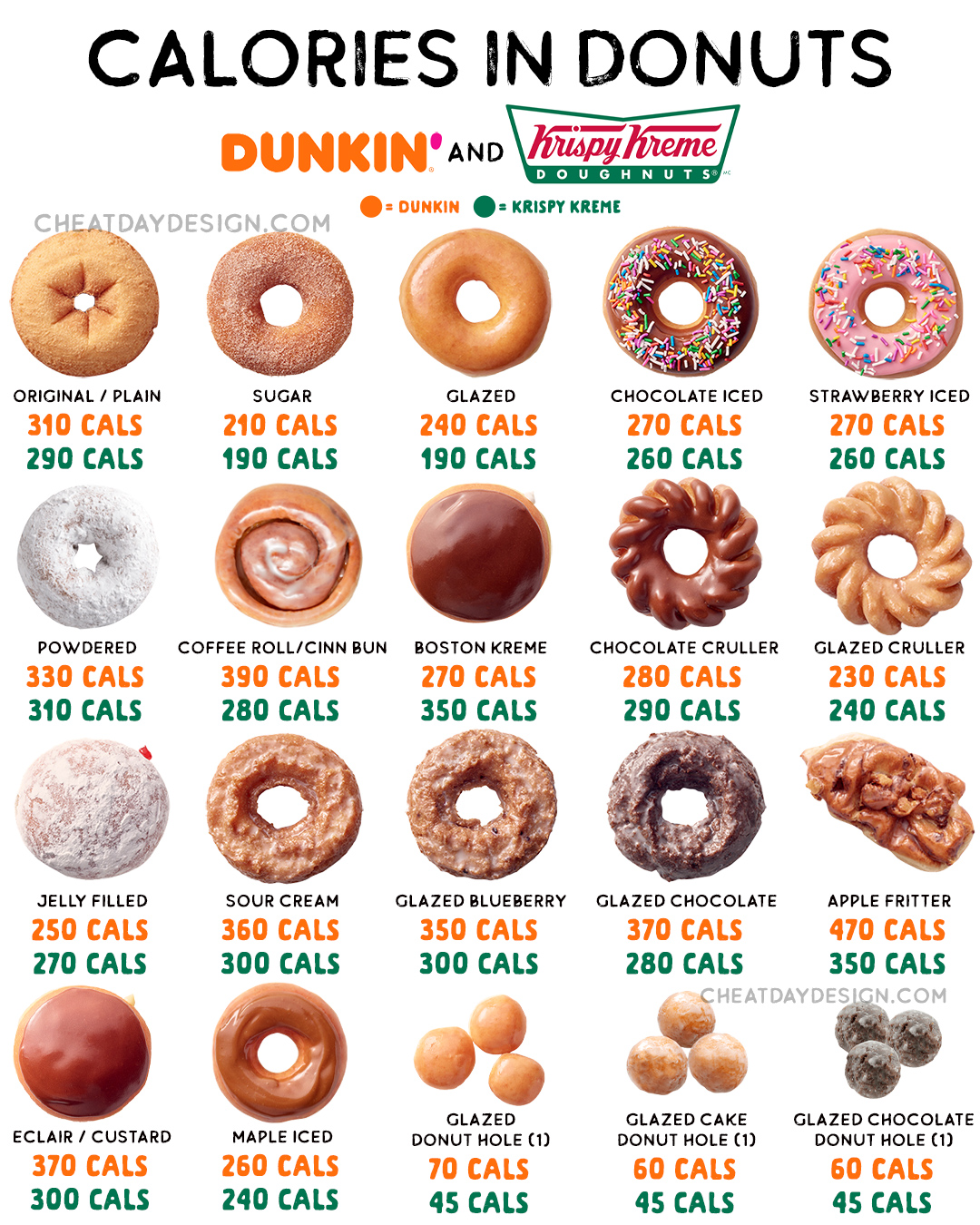
This article delves into the calorie conundrum of the Boston Cream Donut, exploring the factors that contribute to its energy density and offering a comprehensive perspective for travelers and food enthusiasts alike. Whether you’re planning a culinary adventure in Boston, seeking out the best local delicacies, or simply curious about your favorite indulgence, understanding the calorie breakdown can empower you to make informed choices while still embracing the joy of travel and food.
Unpacking the Calorie Count: What Makes a Boston Cream Donut Tick?
The calorie count of a Boston Cream Donut is not a fixed, immutable number. It’s a dynamic figure, influenced by a variety of ingredients and preparation methods. To truly answer “How Many Calories Is A Boston Cream Donut?”, we must first dissect its core components. Each element, from the dough to the filling and the topping, contributes its own caloric load, creating a sum that can vary significantly between bakeries and brands.
The Dough: The Foundation of Sweetness
At its heart, a donut is a fried dough. The base recipe for a donut dough typically involves flour, sugar, eggs, milk or water, and yeast or a chemical leavening agent. Each of these ingredients brings calories to the table.
- Flour: The primary component, providing carbohydrates. A standard donut dough will use a significant amount of flour, contributing a substantial portion of the donut’s calories.
- Sugar: While essential for sweetness and browning, sugar is a concentrated source of calories, primarily from carbohydrates. The amount of sugar used in the dough can influence its overall calorie count.
- Eggs: Provide protein and fat, contributing to richness and structure. The fat in eggs adds to the calorie density.
- Fat (Butter/Oil): Often incorporated into the dough for tenderness and flavor. This is a calorie-dense ingredient.
Beyond the basic dough ingredients, the method of cooking plays a crucial role. Donuts are typically deep-fried. This process inherently adds a significant amount of fat and, consequently, calories. The oil used for frying is absorbed by the dough, increasing its overall caloric value. The temperature of the oil and the duration of frying can also affect how much oil is absorbed.
The Filling: The Creamy Core
The “cream” in Boston Cream Donut is the star of the show for many. This rich vanilla custard filling is a decadent addition that significantly boosts the calorie count.
- Milk/Cream: The base of most custards, providing fat and protein. Whole milk or cream will contribute more calories than skim milk.
- Eggs: Yolks, in particular, are rich in fat and add to the custard’s creamy texture and calorie density.
- Sugar: Sweetening the custard adds another layer of caloric contribution.
- Thickening Agents (Cornstarch/Flour): While less calorically dense than fats and sugars, these do contribute some carbohydrates.
- Flavorings (Vanilla Extract): Generally negligible in terms of calories.
The richness and volume of the custard filling are directly proportional to its calorie contribution. A generously filled donut will naturally have more calories than one with a sparse amount of filling.
The Topping: The Chocolatey Crown
The final flourish on a Boston Cream Donut is its signature chocolate glaze. This sweet and often slightly bitter topping adds the finishing touch and, you guessed it, more calories.
- Powdered Sugar: The primary ingredient in many glazes, it’s a concentrated source of sugar.
- Cocoa Powder: Adds chocolate flavor and color. While it has some fiber, its calorie contribution is relatively low compared to sugar and fat.
- Fat (Butter/Oil/Melted Chocolate): Often incorporated to achieve a smooth, glossy texture and a rich chocolate flavor. This is where a significant portion of the glaze’s calories can come from. Using actual melted chocolate, rather than just cocoa and sugar, will increase the fat and calorie content.
- Liquid (Milk/Water): Used to achieve the right consistency, but with minimal caloric impact.
The thickness and sweetness of the chocolate glaze will directly influence the overall calorie count of the donut. A thick, sugary, and buttery glaze will add more calories than a thin, less sweet coating.
The Calorie Spectrum: A Range of Possibilities
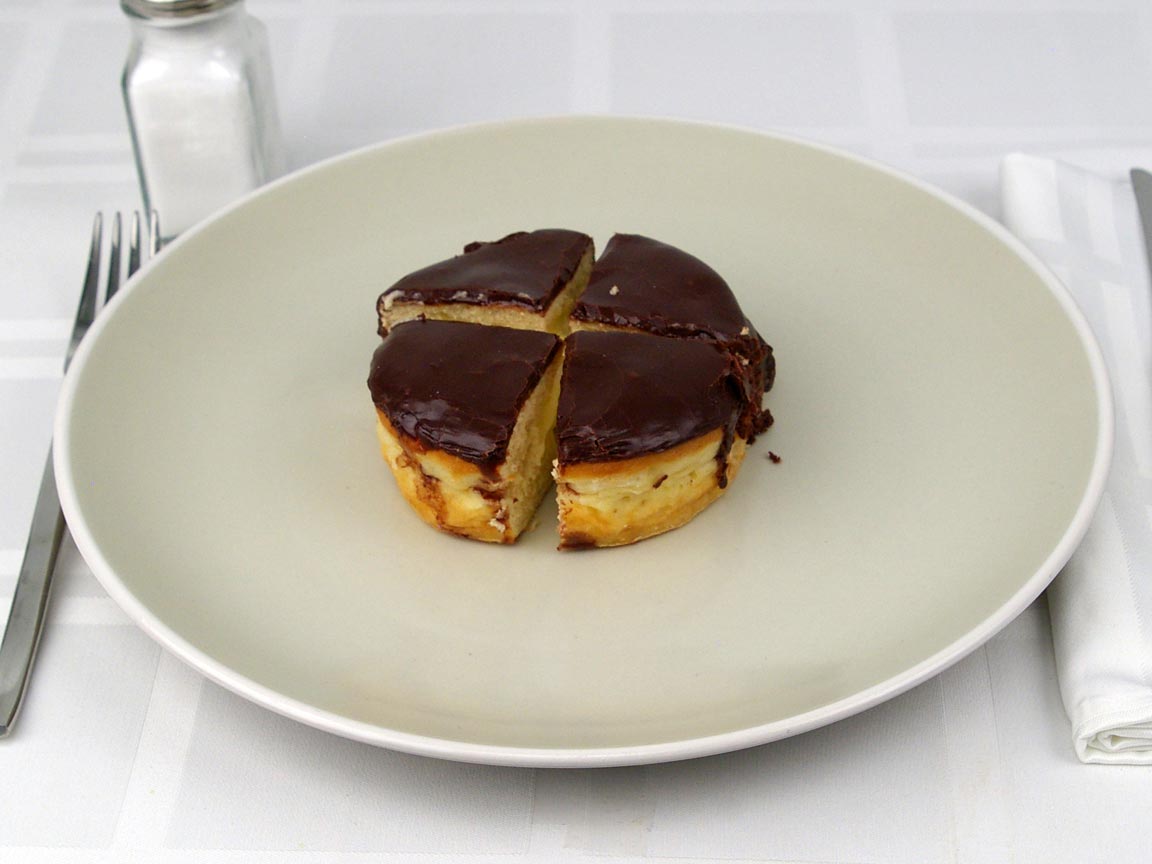
Given the variability in ingredients and preparation, providing a single, definitive calorie count for a Boston Cream Donut is challenging. However, we can establish a general range based on common practices.
Typical Calorie Estimates
Most standard-sized Boston Cream Donuts, as found in popular donut shops and bakeries, typically fall within the range of 300 to 500 calories.
- Lower End (Around 300-350 calories): These might be donuts made with slightly less sugar in the dough and filling, a thinner custard, and a less decadent chocolate glaze. They might also be smaller in size or fried for a shorter duration, absorbing less oil.
- Mid-Range (Around 350-450 calories): This is the most common bracket for many commercial donuts. It reflects a balanced approach to sweetness, richness in the filling, and a decent amount of chocolate glaze.
- Higher End (Around 450-500+ calories): These donuts are often larger, made with richer dough ingredients (more butter or eggs), a very generous and creamy custard filling, and a thick, glossy chocolate glaze that might incorporate more butter or high-fat chocolate.
It’s important to note that these are estimates. Specialty bakeries or artisan donut shops might offer variations that push these numbers higher or lower. For instance, a mini Boston Cream Donut will, of course, have fewer calories than a regular-sized one. Conversely, a gourmet version using premium ingredients like Valrhona chocolate or Madagascar vanilla bean could potentially increase the calorie count.
Factors Influencing the Variance
Several factors contribute to this calorie spectrum:
- Size: The most obvious factor. A larger donut naturally contains more dough, filling, and glaze, leading to a higher calorie count.
- Ingredient Quality and Quantity: As discussed, richer ingredients (e.g., whole milk vs. skim, butter vs. oil, higher percentage cocoa chocolate) and larger quantities of sugar and fat will increase calories.
- Frying Technique: The absorption of oil during frying is a significant calorie contributor.
- Custard Thickness and Richness: A dense, creamy custard made with ample egg yolks and cream will be more calorically dense than a lighter, milk-based filling.
- Glaze Composition and Application: A thick, buttery, and sugary chocolate glaze will add considerably more calories than a thin, cocoa-based icing.
- Specific Bakery Recipes: Each donut shop or bakery has its own proprietary recipes and preparation methods, leading to variations even within the same type of donut.
For those who are meticulously tracking their intake, the best approach is to consult the nutritional information provided by the specific establishment if available. Many larger chains now offer detailed nutritional breakdowns for their products on their websites or in-store.
Boston’s Culinary Scene: Beyond the Donut
While the Boston Cream Donut holds a special place in the hearts of many, it’s just one delicious facet of the vibrant culinary landscape of Boston and its surrounding regions. As travelers, embracing the local food scene is often as integral to the experience as visiting historical landmarks or exploring charming neighborhoods.
Exploring Local Delicacies
Boston offers a diverse range of culinary delights that extend far beyond its namesake donut. When visiting, consider venturing into the realm of:
- Seafood: Given its coastal location, Boston is renowned for its incredibly fresh seafood. From succulent lobster rolls enjoyed on the waterfront to classic clam chowder served in a sourdough bread bowl, these are quintessential Boston experiences. You might find yourself at establishments like Neptune Oyster or enjoying a seafood platter at Legal Sea Foods.
- Italian Cuisine in the North End: The historic North End is Boston’s vibrant Italian neighborhood, boasting an abundance of trattorias and pizzerias. Indulge in authentic pasta dishes or a slice of true Neapolitan pizza. Don’t forget to sample cannoli from renowned bakeries like Mike’s Pastry or Modern Pastry.
- Sandwiches and Baked Goods: Beyond the Boston Cream Donut, explore other local sandwich shops and bakeries for unique regional treats. The city has a thriving food truck scene offering everything from gourmet grilled cheese to ethnic specialties.
Integrating Treats into Your Travel Lifestyle
When you’re exploring a new destination, whether it’s a bustling city like Boston or a tranquil resort, food often plays a central role. Integrating treats like a Boston Cream Donut into your travel lifestyle is about balance and enjoyment.
- Mindful Indulgence: Instead of viewing a treat as an “off-limits” item, consider it a deliberate part of your travel experience. Savoring a Boston Cream Donut from a local bakery can be a moment of pure pleasure, connecting you with the local culture.
- Active Exploration: To balance the calories from delicious indulgences, incorporate plenty of physical activity into your travels. Exploring the historic Freedom Trail on foot, taking a scenic walk along the Charles River Esplanade, or simply wandering through the charming streets of Beacon Hill can help offset the caloric impact.
- Variety is Key: Don’t limit yourself to just one type of treat. Explore the diverse culinary offerings of a city. If you have a donut in the morning, perhaps opt for a lighter lunch or dinner, or incorporate more fruits and vegetables throughout your day.
- Hydration: Drinking plenty of water throughout the day can help with satiety and overall well-being, especially when you’re enjoying richer foods.
The question of “How Many Calories Is A Boston Cream Donut?” shouldn’t deter you from experiencing the joy it brings. By understanding the components and seeking out quality, you can make informed decisions that align with your lifestyle, allowing you to fully savor the sweet moments of your travels without compromising your well-being. Whether you’re staying at a luxurious suite in a downtown hotel or exploring budget-friendly accommodations, the pursuit of delicious local flavors is a universal pleasure.
LifeOutOfTheBox is a participant in the Amazon Services LLC Associates Program, an affiliate advertising program designed to provide a means for sites to earn advertising fees by advertising and linking to Amazon.com. Amazon, the Amazon logo, AmazonSupply, and the AmazonSupply logo are trademarks of Amazon.com, Inc. or its affiliates. As an Amazon Associate we earn affiliate commissions from qualifying purchases.