
The allure of a perfectly cooked New York Strip Steak is undeniable, a culinary beacon for meat lovers and a staple on menus from bustling city bistros to elegant fine-dining establishments. For travelers exploring the diverse food landscapes of the world, especially across the United States, this particular cut of beef often represents a quintessential American dining experience. However, as discerning travelers and health-conscious foodies, a common question arises amidst the anticipation of that savory first bite: “How many calories are in a New York Strip Steak?” The answer, as with many delectable culinary delights, is not always a simple, single number. It’s influenced by a variety of factors, making the journey of understanding this iconic steak as rich and complex as its flavor profile.
This article delves into the caloric content and nutritional nuances of the New York Strip, offering insights for those who wish to savor this dish responsibly without compromising on their travel experiences or lifestyle choices. From understanding the cut itself to exploring the best places to enjoy it, we’ll guide you through making informed decisions while embracing the joy of culinary tourism.
Understanding the New York Strip: A Culinary Classic
Before we dissect the calorie count, it’s essential to appreciate what makes the New York Strip a beloved choice among steak connoisseurs. This particular cut comes from the short loin of the cow, a muscle that doesn’t do much work, resulting in a wonderfully tender texture. It’s known for its robust beefy flavor, often described as a perfect balance between the lean tenderness of a filet mignon and the rich marbling of a ribeye.
Historically, the New York Strip has deep roots in American culinary tradition, particularly in New York City. Legends suggest its popularity soared in the city’s famed steakhouses, eventually earning its iconic name. Its versatility, whether grilled, pan-seared, or broiled, combined with its distinct taste and satisfying chew, solidifies its place as a perennial favorite. For those seeking a taste of authentic American cuisine while traveling, a well-prepared New York Strip is often high on the list.
What Makes a New York Strip Special?
The unique appeal of the New York Strip lies in its texture, flavor, and marbling. Unlike a ribeye, which has a larger fat cap and intramuscular fat (marbling), the strip typically has a more even distribution of marbling throughout the lean muscle. This provides a rich, juicy flavor without being overly fatty. The strip also often comes with a band of fat on one side, which, when rendered down during cooking, adds another layer of flavor and crispiness.
Its firm yet tender texture makes it incredibly satisfying to eat, offering a pleasant bite that stands up to hearty accompaniments. In terms of sourcing, premium cuts often come from specific breeds like Angus Beef or Wagyu, and classifications such as USDA Prime or Choice further indicate quality and marbling. For travelers, encountering these distinctions on a menu can signify a truly exceptional dining experience, whether at a high-end hotel restaurant or a celebrated local steakhouse.
Factors Influencing Calorie Count
Now, to the heart of the matter: calories. The caloric content of a New York Strip Steak can vary significantly based on several key factors. Understanding these will empower you to make more informed choices, whether you’re planning a celebratory dinner or simply trying to maintain a balanced diet while on the go.
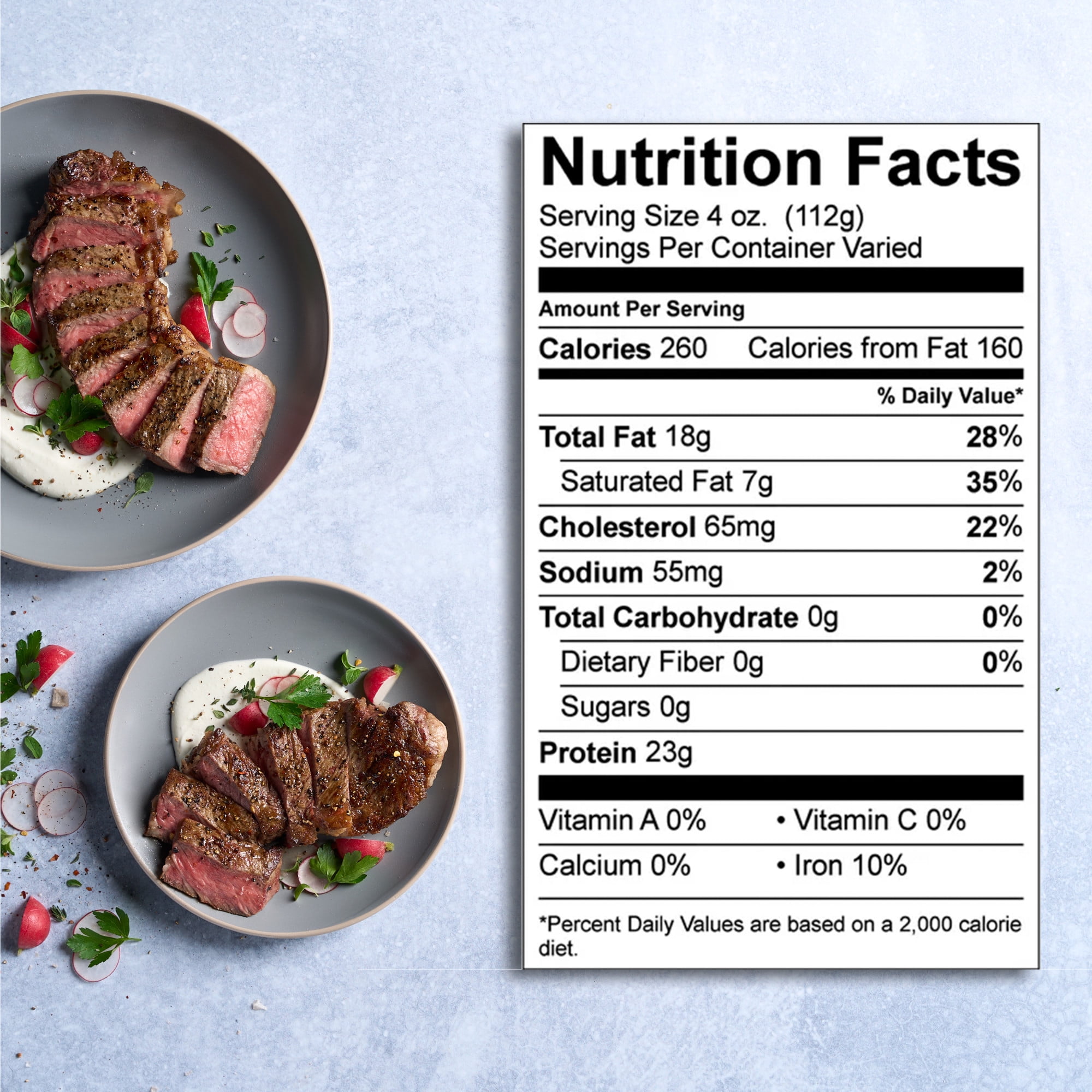
- Size and Weight: This is perhaps the most obvious factor. A standard restaurant portion might range from 8 ounces (227 grams) to 16 ounces (454 grams) or even more. Naturally, a larger steak will have more calories. For instance, an 8-ounce raw, untrimmed New York Strip might be around 500-600 calories, while a 12-ounce could easily reach 750-900 calories.
- Trim and Fat Content: The amount of external fat remaining on the steak and the degree of internal marbling play a crucial role. A well-trimmed strip will have fewer calories than one with a generous fat cap. Leaner cuts, even within the same weight, will be lower in calories. Some steakhouses will offer a “leaner cut” option or allow you to request a specific trim.
- Cooking Method: How your steak is prepared also impacts the calorie count. Grilling or broiling without excessive oil adds minimal calories. Pan-searing, especially if done with butter or oil, will increase the caloric content. Deep-frying, though uncommon for a strip, would add a significant amount.
- Marinades and Sauces: While a classic New York Strip is often served with just salt and pepper, many restaurants offer sauces like béarnaise, hollandaise, peppercorn, or compound butters. These additions, while enhancing flavor, can also add hundreds of calories, primarily from fats.
- Preparation and Presentation: Even the way a steak is rested and served can subtly impact its perceived caloric value if accompanied by drippings or rendered fat.

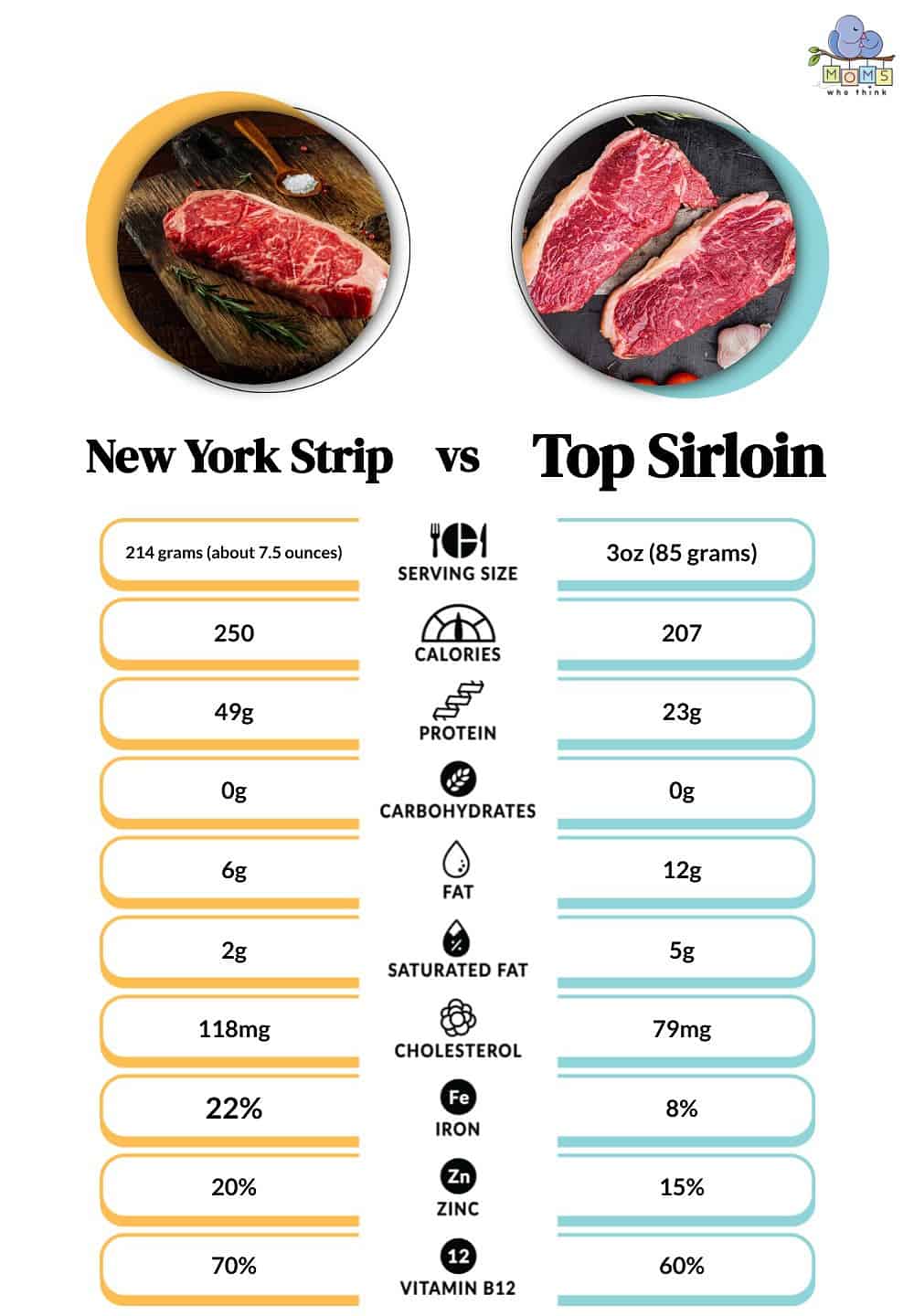
As a general guideline, a cooked, 6-ounce (approx. 170g) portion of a lean, trimmed New York Strip Steak might contain approximately 350-450 calories. However, a larger, fattier 12-ounce restaurant portion with a rich sauce could easily exceed 1000 calories. This wide range highlights the importance of asking questions and making mindful choices, especially when dining out in unfamiliar destinations.
Nutritional Breakdown and Health Considerations
Beyond just calories, a New York Strip Steak offers a wealth of essential nutrients, making it more than just an indulgence. For travelers, understanding this nutritional profile can help balance their diet, especially when navigating diverse menus in different cities and cultures.
Beyond Calories: Protein, Fats, and Micronutrients
The New York Strip is an excellent source of high-quality protein, crucial for muscle repair, energy, and overall satiety. A 6-ounce serving can provide over 40 grams of protein, a significant portion of an adult’s daily recommended intake. This makes it an ideal choice for active travelers or those looking for a satisfying meal that keeps them full for longer.
It also contains varying amounts of fat, including both saturated and monounsaturated fats. While saturated fat should be consumed in moderation, monounsaturated fats are considered healthy and can be beneficial for heart health. The fat content also contributes to the steak’s flavor and texture.
Furthermore, beef is a powerhouse of micronutrients. A New York Strip is rich in:
- Iron: Essential for oxygen transport in the blood, combating fatigue common during travel.
- Zinc: Important for immune function, helping travelers stay healthy.
- Selenium: An antioxidant that protects cells from damage.
- B Vitamins (B12, Niacin, B6, Riboflavin): Crucial for energy metabolism and nervous system function, providing sustained energy for exploring new destinations.
- Phosphorus: Important for bone health and energy production.
So, while the caloric content needs attention, the nutritional benefits of a New York Strip are substantial, making it a valuable component of a balanced diet, even when indulging on vacation.
Making Healthier Choices While Traveling
Traveling often involves culinary adventures, and it’s entirely possible to enjoy a delicious New York Strip Steak while still adhering to your health goals. It’s all about making smart choices.
- Portion Control: Opt for smaller cuts if available (e.g., an 8-ounce instead of a 16-ounce). Consider sharing a larger steak with a travel companion, allowing both of you to enjoy the flavor without overindulging.
- Trim the Fat: Don’t hesitate to trim visible fat before or after cooking, or simply leave the fattier edges on your plate.
- Watch the Cooking Method: Prefer grilled, broiled, or pan-seared steaks over those cooked in excessive butter or oil. Most reputable steakhouses will accommodate specific requests.
- Be Mindful of Sauces: Request sauces on the side to control the amount you consume. Often, a squeeze of lemon or a sprinkle of fresh herbs is all you need to enhance the natural flavor of a quality steak.
- Smart Sides: Instead of rich, creamy sides like mashed potatoes with butter or loaded baked potatoes, choose healthier options. Steamed or roasted vegetables (asparagus, broccoli, spinach), a simple green salad with vinaigrette, or a baked sweet potato are excellent choices that complement the steak without excessive calories.
- Hydration: Drink plenty of water throughout your meal and trip. This aids digestion and helps manage hunger cues.
By applying these strategies, you can fully embrace the experience of dining out, even in destinations renowned for their rich culinary traditions, and make a New York Strip a part of a balanced travel lifestyle.
The New York Strip Experience: Where to Indulge on Your Travels
For many, enjoying a New York Strip Steak isn’t just about the food; it’s about the entire dining experience – the ambiance, the service, and the company. Travel offers the perfect opportunity to seek out legendary steakhouses and culinary landmarks.
Iconic Steakhouses and Culinary Destinations
The quest for the perfect New York Strip can take you to some of the world’s most exciting cities, each offering a unique take on this classic dish.
In its namesake city, New York City, the steakhouse scene is legendary. Establishments like Peter Luger Steak House in Brooklyn or Keens Steakhouse in Manhattan offer a quintessential old-world steakhouse experience, often serving dry-aged beef that intensifies flavor. Dining at such a place is not just a meal; it’s a journey into the city’s culinary history, a truly iconic tourism experience.
Beyond New York, other American cities boast their own celebrated steakhouse traditions. Chicago is another mecca for meat lovers, with places like Gibsons Bar & Steakhouse known for their generous portions and lively atmosphere. In Las Vegas, you’ll find an array of high-end steakhouses, often located within luxury hotels like the Bellagio or The Venetian, offering a glamorous dining experience that perfectly complements the city’s opulent lifestyle.
Internationally, while the “New York Strip” name might be less common, similar cuts (like sirloin or strip loin) are prevalent. Cities like London, Paris, and Tokyo all have thriving steak scenes, often featuring locally sourced beef or prized imports like Japanese Wagyu. Exploring these culinary landscapes offers a fascinating glimpse into local food culture and the global appreciation for quality beef. Many luxury hotels, such as a Four Seasons Hotel or a Grand Hyatt Hotel, worldwide will feature their own signature steakhouses, making it convenient to find a high-quality meal right within your accommodation.
Pairing Your Steak: Sides and Beverages
The experience of a New York Strip Steak is greatly enhanced by its accompaniments. While calorie-conscious choices are important, there’s still room for strategic indulgence.
- Classic Sides: Creamed spinach, roasted asparagus, sautéed mushrooms, and crisp green salads are classic choices that complement the rich flavor of the steak. Consider a simple baked potato over a loaded one, and add chives or a dash of black pepper instead of cheese and bacon.
- Wine Pairings: A robust red wine is the traditional companion for steak. Cabernet Sauvignon, Merlot, or a Zinfandel from California or an Argentinian Malbec often pair beautifully. For those exploring wine regions, pairing a local varietal with your steak can be a delightful cultural experience.
- Craft Beers and Spirits: In destinations known for their craft brewing scenes, a local porter or stout can be an adventurous and satisfying pairing. High-quality whiskies or bourbons are also traditional choices for pre- or post-dinner drinks in American steakhouses, adding to the overall lifestyle experience.
When traveling, embracing local produce for your sides can be a fantastic way to experience regional flavors. For example, fresh seasonal vegetables from a local market can elevate a simple side dish to something memorable.
Navigating Steakhouse Menus: A Traveler’s Guide
As a traveler, encountering a diverse range of steakhouse menus, from quaint local eateries to extravagant resorts, requires a certain savoir-faire. Understanding the nuances can help you choose an experience that aligns with your budget, dietary needs, and overall travel style.
From Budget to Luxury: Finding Your Perfect Steak Experience
The beauty of the New York Strip is its presence across various dining tiers.
- Luxury Travel: For those on a luxury trip, seeking out a Michelin-starred steakhouse or a renowned establishment within a five-star hotel (like a Ritz-Carlton or St. Regis property) offers an unparalleled culinary journey. Expect exceptional service, a meticulously curated wine list, and expertly prepared cuts, often dry-aged and from premium sources. While pricier, this is an experience in itself, part of the broader luxury travel lifestyle.
- Mid-Range and Family Trips: Many reputable chain steakhouses, such as Morton’s The Steakhouse or Ruth’s Chris Steak House, offer a consistent quality New York Strip experience. These are often great choices for family trips or business stays, providing reliable quality and a comfortable atmosphere. Local independent steakhouses often fall into this category too, offering a more unique, authentic taste of local culture and hospitality.
- Budget Travel: Even budget-conscious travelers can enjoy a good steak. Look for more casual bistros, pub-style restaurants, or even local markets that offer quality cuts for cooking in self-catering accommodation. Many cities have excellent casual dining spots where you can find a satisfying New York Strip without breaking the bank. Exploring local food guides and reviews can help uncover these hidden gems.
Reviews and recommendations from fellow travelers or local experts are invaluable tools for finding the right steakhouse for your travel style and budget. Websites focusing on local culture and food activities often provide excellent tips.
Accommodating Dietary Needs and Preferences
While steak is naturally gluten-free and can often fit into paleo or keto diets, traveling with specific dietary needs requires communication with the restaurant staff. Most steakhouses are accustomed to accommodating various requests.
- Allergies: Always inform your server about any allergies (e.g., dairy, nuts, shellfish), especially concerning sauces, marinades, or side dishes.
- Dietary Preferences: If you prefer a leaner cut, a specific cooking temperature, or a simple preparation (e.g., no butter, just salt and pepper), communicate this clearly. Many establishments pride themselves on their flexibility.
- Vegetarian/Vegan Companions: While a steakhouse might seem daunting for non-meat-eaters, many now offer a good selection of vegetarian sides, substantial salads, or even dedicated plant-based entrees. Checking menus online beforehand, a common practice when planning accommodation or activities, can save time and ensure everyone in your party has a pleasant dining experience.
In conclusion, the New York Strip Steak is much more than just a cut of meat; it’s a global culinary ambassador, a symbol of American dining, and a rich source of nutrients. By understanding its caloric content and nutritional profile, and by making informed choices, travelers can continue to savor this iconic dish as part of their diverse and exciting journeys, whether they are exploring new destinations, indulging in luxury travel, or simply enjoying the local food culture. It perfectly embodies the intersection of food, travel, and lifestyle, offering an experience that satisfies both the palate and the spirit of adventure.
LifeOutOfTheBox is a participant in the Amazon Services LLC Associates Program, an affiliate advertising program designed to provide a means for sites to earn advertising fees by advertising and linking to Amazon.com. Amazon, the Amazon logo, AmazonSupply, and the AmazonSupply logo are trademarks of Amazon.com, Inc. or its affiliates. As an Amazon Associate we earn affiliate commissions from qualifying purchases.