
The question “Are there wolves in California?” evokes a sense of wildness and untamed beauty, a spirit that resonates deeply with adventurers and nature enthusiasts exploring the Golden State. For many, the image of a wolf traversing the rugged landscapes of California might seem like a relic of the past, a scene confined to history books or distant wildernesses. Yet, against all odds and after nearly a century of absence, the majestic gray wolf has indeed returned to California, bringing with it a renewed conversation about conservation, wilderness travel, and the delicate balance of ecosystems.
California, a state renowned for its incredible diversity—from sun-drenched beaches and bustling cities like Los Angeles and San Francisco to towering sequoia groves and dramatic mountain ranges like the Sierra Nevada—offers an unparalleled array of travel experiences. Within this tapestry of destinations, the presence of wolves adds another layer of intrigue, transforming remote corners of the state into potential havens for these elusive predators. For travelers drawn to eco-tourism, wildlife viewing, and the profound solitude of true wilderness, the return of the wolf signals a thrilling new chapter in California’s natural history, influencing choices for destinations, accommodations, and the very philosophy of responsible travel.

This article delves into the fascinating journey of wolves back to California, exploring their current status, the regions they now inhabit, and how their return shapes the landscape of tourism and lifestyle in the state. Whether you’re planning a rugged backcountry adventure, seeking a luxurious resort escape near nature, or simply curious about the wild heart of California, understanding the presence of wolves adds a unique dimension to your exploration.
The Return of the Gray Wolf to California: A Story of Resilience
For decades, the idea of wolves roaming free in California was largely a fantasy. The species, once widespread across much of North America, was systematically hunted to extinction in California by the 1920s, driven by a combination of fear, misunderstanding, and agricultural interests. The last known wolf in California was killed in 1924, marking the end of an era and a significant loss to the state’s biodiversity.
A Historical Overview
The historical presence of wolves in California dates back millennia, with various subspecies of gray wolf inhabiting diverse ecosystems, from the dense forests of the north to the drier eastern slopes of the Sierra Nevada. These apex predators played a crucial role in maintaining ecological balance, regulating prey populations like deer and elk, and contributing to the overall health and resilience of the environment. Their disappearance left a void, impacting everything from vegetation growth to the population dynamics of other species.
The absence of wolves became a stark reminder of human impact on wilderness, spurring conservationists and wildlife enthusiasts to advocate for their eventual return. The idea wasn’t merely about reintroducing a species; it was about restoring a vital piece of the ecological puzzle, allowing nature to heal and thrive as it once did.
The Journey Back: From Extinction to Reintroduction
The journey of the gray wolf back to California is not the result of a direct reintroduction program, but rather a natural recolonization from neighboring states. The pivotal moment arrived in 2011 with the arrival of OR7, a young male wolf from Oregon’s Snake River Pack. OR7’s epic journey, covering hundreds of miles, captured national attention and ignited hope among conservationists. He was the first confirmed wild wolf in California in nearly 90 years.
Following OR7’s pioneering trek, other wolves began to disperse into the northern reaches of California. In 2015, the first breeding pair in decades, known as the Lassen Pack, was confirmed in Plumas County and Lassen County. This pack, consisting of adults and pups, signified a crucial milestone: wolves were not just passing through, but were establishing a foothold and reproducing within the state.

Since then, other packs have been documented, including the Whaleback Pack in Siskiyou County, the Beckwourth Pack also in Plumas County and Lassen County, and the Yolo Pack which has shown remarkable dispersal. These wolves are protected under both state and federal endangered species acts, making it illegal to harm or harass them. Their return represents a powerful testament to the resilience of nature and the success of conservation efforts that allowed wolf populations to rebound in other parts of the United States.
Where the Wild Things Roam: Wolf Habitats and Sightings
The re-establishment of wolves in California has been a gradual process, primarily concentrated in the remote, forested, and mountainous regions of the northern part of the state. These areas offer the dense cover, abundant prey, and minimal human disturbance necessary for wolves to thrive.
Key Wolf Packs and Territories
Currently, the most consistent presence of wolves in California is observed in the northeastern counties.
- The Lassen Pack: This pack, named after Lassen Peak and the surrounding Lassen National Forest, has established territory across Plumas County and Lassen County. Their presence has been continuously monitored, and they have successfully raised multiple litters of pups.
- The Whaleback Pack: Located further north in Siskiyou County, this pack’s territory extends into the Shasta-Trinity National Forest area. Their movements often bring them close to the Oregon border, highlighting the transboundary nature of wolf dispersal.
- The Beckwourth Pack: Another pack in the Plumas County region, the Beckwourth Pack has contributed to the increasing wolf population in the state.
- Dispersing Individuals and Other Packs: While these are the most well-known packs, individual wolves continue to disperse, exploring new territories. Occasionally, new pairs or small groups are identified, signaling potential new pack formations. The vast, rugged landscapes of the Modoc National Forest and other parts of Modoc County and Shasta County are considered prime habitat for future wolf expansion.
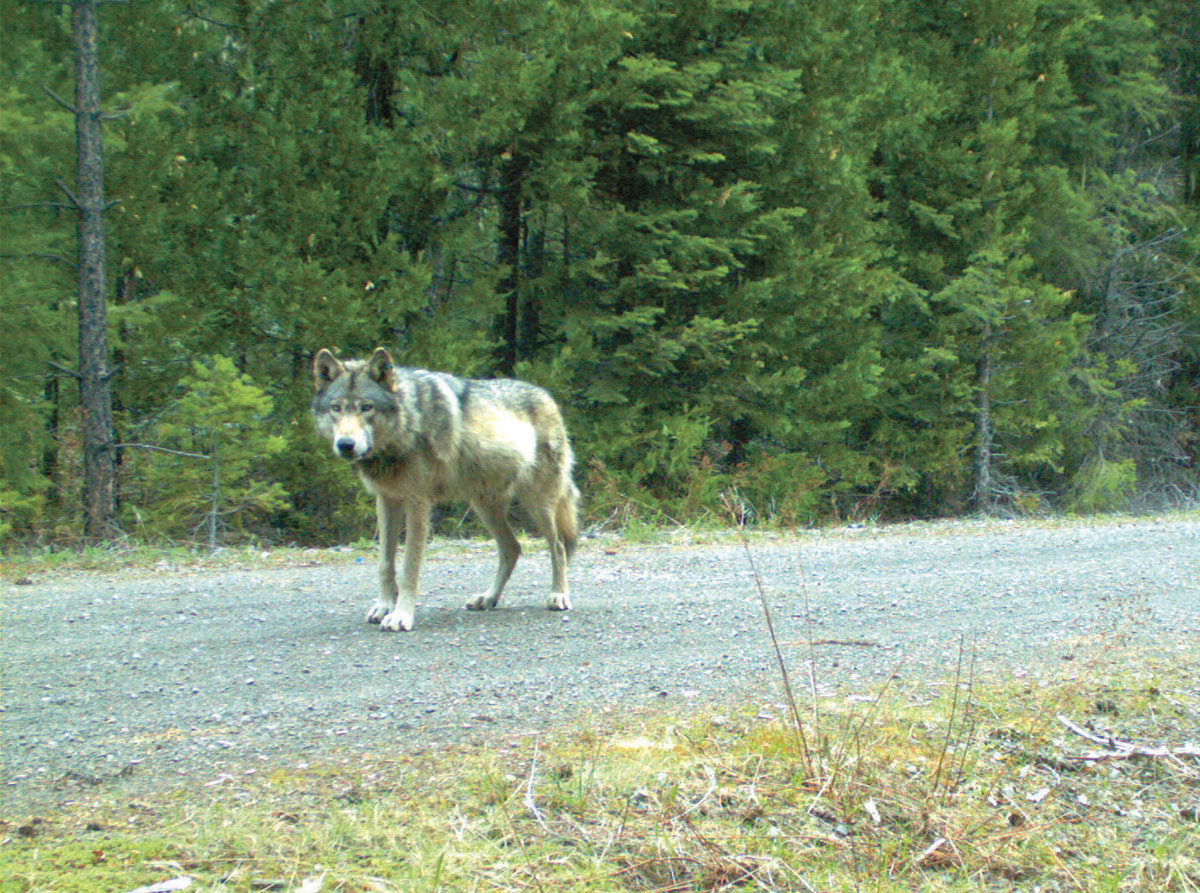
It’s important to note that wolf territories are vast and dynamic, often covering hundreds of square miles. These areas are characterized by extensive public lands, including national forests, which are popular for hiking, camping, and other outdoor pursuits.
Identifying Wolf Signs
For the average traveler, a direct wolf sighting in California is an exceedingly rare event. Wolves are naturally shy, elusive, and incredibly adept at avoiding human contact. Their acute senses and preference for dense cover make them difficult to spot even for experienced wildlife trackers.
However, for those passionate about experiencing the wilderness where wolves roam, looking for “wolf signs” can be a rewarding part of the adventure. These signs include:
- Tracks: Larger than domestic dog tracks, with distinct toe pads and claw marks, often in a relatively straight line.
- Scat: Wolf droppings often contain hair and bone fragments of their prey.
- Howls: While rare, hearing a wolf howl in the deep wilderness is an unforgettable experience. This is most likely during dusk or dawn.
- Prey Carcasses: Wolves are predators, so finding evidence of a large animal kill (especially deer or elk) in an area can indicate wolf presence, although other predators also exist.
Responsible travelers venturing into these areas are encouraged to maintain a respectful distance from any wildlife, use binoculars or telephoto lenses for viewing, and never attempt to approach or feed animals. The goal is to observe, not to disturb, allowing these magnificent creatures to continue their recolonization undisturbed.
Experiencing California’s Wilderness: Wolves and Ecotourism
The return of wolves to California presents both unique opportunities and responsibilities for the state’s thriving tourism sector. For a state celebrated for its natural wonders, the presence of an apex predator like the gray wolf enriches the wilderness experience, drawing a particular type of traveler interested in eco-tourism, wildlife conservation, and an authentic connection with nature.
Ethical Wildlife Viewing
Unlike national parks where large predators like bears or elk are commonly seen, wolf viewing in California is not a primary tourist activity in the same vein as visiting Yosemite National Park or Disneyland. There are no guaranteed wolf sighting tours, nor are there designated wolf-viewing areas comparable to those for grizzlies in Yellowstone. The focus instead is on experiencing the habitat of wolves, understanding their ecological role, and supporting their conservation.
For travelers, this means embracing a form of “responsible tourism” where the journey itself and the appreciation of intact ecosystems become the reward. Ethical guidelines for wildlife viewing are paramount:
- Respect Wildlife Space: Always maintain a safe and respectful distance. Use telephoto lenses for photography and binoculars for observation.
- Leave No Trace: Practice Leave No Trace principles to minimize your impact on the environment. Pack out everything you pack in.
- Stay Informed: Understand wolf behavior and local regulations. Consult with local wildlife agencies like the California Department of Fish and Wildlife for current information.
- Support Conservation: Choose accommodations and tour operators that demonstrate a commitment to sustainable practices and conservation efforts. Consider donating to organizations working to protect wolves and their habitats.
The allure of knowing wolves are present, even if unseen, adds a profound layer of wilderness immersion. It transforms a hike in Lassen National Forest from a simple stroll into an experience steeped in the ancient rhythms of nature, a palpable connection to the wild heart of California.
The Economic and Cultural Impact of Wolf Tourism
While direct wolf sightings are rare, the idea of wolves returning can significantly impact the perception and economic potential of certain regions. Eco-tourism, focused on nature, wildlife, and sustainable travel, is a growing sector. Areas adjacent to wolf territories, such as towns near the Lassen National Forest or Plumas National Forest, might see increased interest from travelers seeking truly wild experiences.
This can lead to:
- Increased Demand for Eco-Friendly Accommodation: Boutique hotels, rustic lodges, cabin rentals, and sustainable campgrounds that cater to environmentally conscious travelers.
- Growth of Guided Wilderness Tours: Local guides specializing in tracking, bird watching, and general wildlife interpretation, who can educate visitors about the local ecosystem, including the role of wolves.
- Local Economic Boost: Visitors spending money in local shops, restaurants, and gas stations, providing vital support to often remote communities.
- Cultural Enrichment: A renewed appreciation for indigenous cultures that traditionally revered wolves, and a greater understanding of the interconnectedness of all species.
However, alongside the economic opportunities, comes the responsibility to manage this interest sustainably, ensuring that increased human presence does not negatively impact the very wildlife it seeks to appreciate. The challenge lies in balancing economic benefits with the imperative of conservation, fostering a model of tourism that respects and protects the delicate ecosystems wolves inhabit.
Planning Your Wildlife Adventure: Accommodation and Responsible Travel
For those inspired by the presence of wolves in California and eager to explore these wild frontiers, careful planning is essential. The experience is less about guaranteed wolf encounters and more about immersing oneself in the pristine environments where these animals now roam.
Stays Near Wolf Country
The areas where wolves are most likely to be found are generally remote, characterized by national forests and wilderness areas rather than major urban centers. Therefore, accommodation options tend to lean towards rustic charm, outdoor adventure lodges, or self-sufficient options.
- Lassen County & Plumas County: Gateway towns like Susanville, Chester, or Quincy offer a range of lodging, from cozy bed & breakfasts to local motels. For a more immersive experience, consider cabin rentals in or near the Lassen National Forest or Plumas National Forest. Many private campgrounds and RV parks are also available. Resorts focused on outdoor activities, such as fishing or hiking, can be found in these regions, providing a comfortable base for wilderness exploration.
- Siskiyou County: Towns like Yreka, Mount Shasta City, or Weed serve as excellent jumping-off points for exploring the Shasta-Trinity National Forest and surrounding areas. Here, you might find a mix of budget-friendly hotels, charming inns, and vacation rentals. Some upscale lodges and resorts also cater to those seeking a more luxurious wilderness experience, offering amenities like spas, fine dining, and guided outdoor excursions.
- Modoc County: Known for its rugged, untouched beauty, Modoc County offers more limited but incredibly authentic accommodation. Think rustic cabins, isolated campsites within the Modoc National Forest, or small, independently run motels in towns like Alturas. This region is ideal for those truly seeking to disconnect and embrace the solitude of nature.
When booking accommodation, especially if your goal is to be close to potential wolf habitats, look for properties that emphasize their connection to nature, sustainability, and provide information on local wildlife. Reviews and comparison websites are invaluable tools for finding the perfect stay that aligns with your adventure style, whether it’s a luxurious resort or a simple tent site.
Best Practices for Responsible Exploration
Embarking on a journey into California’s wolf country is a privilege that comes with significant responsibility. Your actions as a traveler can either contribute to the success of wolf recolonization or inadvertently hinder it.
- Safety First: While wolves generally avoid humans, it’s always wise to travel with bear spray in wilderness areas. Be aware of your surroundings, make noise on trails to avoid surprising wildlife, and never hike alone. Keep food secured in bear-proof containers or hung from trees to avoid attracting any wildlife.
- Respect Private Property: Wolf territories often span both public and private lands. Always be mindful of trespassing laws and respect the rights of landowners, especially those involved in ranching, who face unique challenges with wolf presence.
- Support Local Conservation Efforts: Engage with local communities and support businesses that understand and adapt to the presence of wolves. Learn about non-lethal deterrents used by ranchers and the ongoing efforts by organizations like the California Wolf Center to foster coexistence.
- Educate Yourself and Others: Share your knowledge about wolves responsibly. Dispelling myths and promoting understanding are crucial for the long-term survival of these magnificent animals in California.
The return of wolves to California is more than just a wildlife story; it’s a profound statement about the enduring power of wilderness and the possibility of ecological restoration. For travelers, it invites a deeper engagement with the natural world, a commitment to responsible exploration, and a unique opportunity to witness, albeit subtly, the ongoing rewilding of a spectacular landscape. As you plan your next California adventure, remember that within its vast and varied beauty, a wilder heart now beats, echoing with the faint, hopeful howl of the gray wolf.
LifeOutOfTheBox is a participant in the Amazon Services LLC Associates Program, an affiliate advertising program designed to provide a means for sites to earn advertising fees by advertising and linking to Amazon.com. Amazon, the Amazon logo, AmazonSupply, and the AmazonSupply logo are trademarks of Amazon.com, Inc. or its affiliates. As an Amazon Associate we earn affiliate commissions from qualifying purchases.