
For the modern traveler, balancing the joy of discovering new cultures through cuisine with the desire to maintain a healthy lifestyle is a perpetual quest. Whether you’re navigating the bustling streets of Tokyo, relaxing by the beach in California, or exploring ancient ruins in Rome, food plays a central role in the travel experience. Among the myriad of international dishes that have found a global following, the California Roll stands out as a universally recognized and often preferred option, especially for those venturing into the world of sushi for the first time. But as you plan your next adventure, a common question arises: “How many calories are in a California Roll?” Understanding the nutritional profile of this popular sushi roll can empower you to make informed decisions, ensuring your culinary explorations complement your travel wellness goals without sacrificing flavor or authenticity.
This article delves into the calorie content and broader nutritional aspects of the California Roll, framing it within the context of a dynamic travel and lifestyle perspective. We’ll explore its origins, typical ingredients, and how variations can impact its nutritional value. More importantly, we’ll offer insights into how you can enjoy this versatile dish responsibly, whether you’re dining out in a new city, utilizing the amenities of your hotel accommodation, or simply looking for a light, satisfying meal during your journey.

Understanding the California Roll: A Traveler’s Delight
The California Roll isn’t just a meal; it’s a global phenomenon, a testament to culinary innovation and cultural adaptation. Its widespread availability makes it a reliable and often comforting choice for travelers across continents, offering a familiar taste amidst a sea of new flavors. Its story is as international as its appeal, rooted in ingenuity and a desire to make sushi more accessible to Western palates.
The Anatomy of a Classic Roll
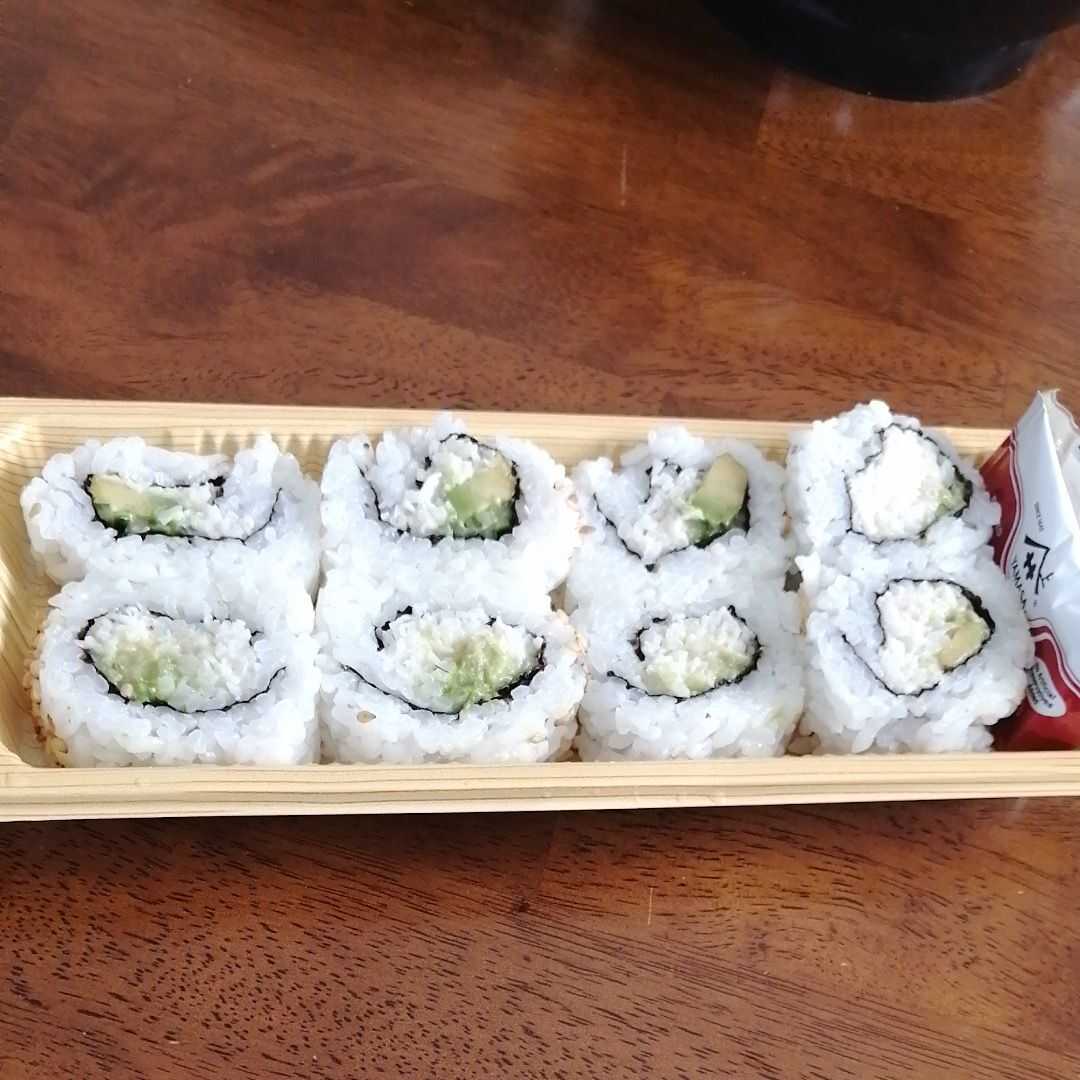
At its core, a standard California Roll is a marvel of simplicity and balance. Traditionally, it consists of several key ingredients:
- Sushi Rice: The foundation of any sushi roll, seasoned with rice vinegar, sugar, and salt. It provides the primary carbohydrate source.
- Nori (Seaweed): A thin, edible sheet of dried seaweed that typically wraps the ingredients. Interestingly, the California Roll is famous for its “uramaki” or “inside-out” style, where the rice is on the outside, and the nori wraps the fillings.
- Avocado: Creamy, rich in healthy monounsaturated fats, and a signature ingredient that offers a buttery texture and subtle flavor.
- Cucumber: Provides a refreshing crunch and a touch of hydration, balancing the richness of the avocado and the sweetness of the imitation crab.
- Krab (Imitation Crab Meat): This processed seafood product, often made from surimi (minced fish), is the protein component. It has a sweet, mild flavor and a flaky texture.
- Sesame Seeds (Optional): Often sprinkled on the outside of the rice for added texture and a nutty flavor.
These ingredients combine to create a harmonious bite that is both satisfying and relatively light, making it an attractive option for travelers who want to avoid heavy meals that might lead to post-lunch sluggishness. Its mild flavor profile also makes it incredibly versatile, pairing well with a range of travel experiences, from a quick grab-and-go lunch before visiting the Eiffel Tower in Paris to a relaxed dinner in a quiet corner of London.
Regional Variations and Their Impact
While the classic composition remains popular, the California Roll’s journey across the globe has inevitably led to fascinating regional variations. These adaptations can significantly alter both the taste and the nutritional content of the roll, a crucial consideration for the health-conscious globetrotter.
For instance, in some parts of the United States or Canada, you might find versions that incorporate spicy mayonnaise, additional sauces, or even a topping of flying fish roe (tobiko). Some upscale establishments, particularly in cities like New York City or Los Angeles, might substitute imitation crab with real crab meat, adding a richer flavor and often a higher price point, as well as a slightly different nutritional profile. In coastal areas of Mexico, local chefs might infuse it with a hint of local spices or different types of fish.
These variations, while enhancing the culinary experience, can introduce hidden calories, fats, and sodium. A generous drizzle of spicy mayo, for example, can add 50-100 calories per roll, primarily from fat. Real crab meat, while often leaner and higher in protein than imitation crab, can still contribute differently to the overall calorie count depending on preparation. Being aware of these potential modifications allows travelers to ask questions, request customizations, or simply make informed choices when faced with a diverse sushi menu abroad.
Navigating Nutritional Choices While Traveling
Maintaining dietary awareness on the road is key to sustaining energy levels and enjoying your trip to the fullest. The California Roll, with its balanced ingredients, offers a relatively healthy option, but understanding its caloric and macronutrient breakdown is essential for effective meal planning.
Calorie Count: A Detailed Breakdown
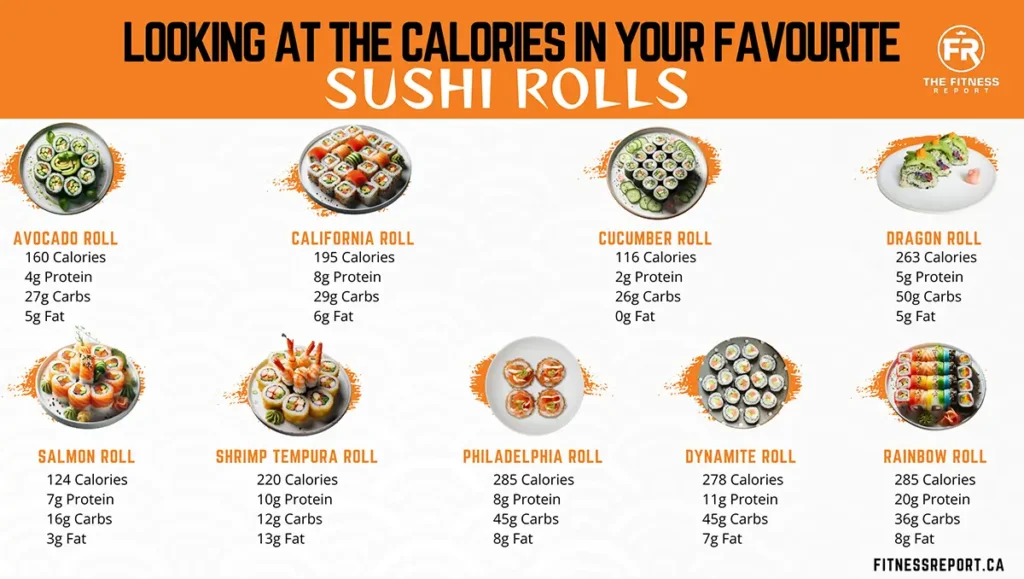
A typical California Roll is usually served as 6 to 8 pieces. For an 8-piece roll, the calorie count generally ranges from 250 to 350 calories. This range accounts for slight differences in ingredient ratios and preparation methods. Let’s break down where these calories come from:
- Sushi Rice (approx. 4 oz cooked): Around 150-180 calories. Rice is the most calorically dense component, primarily providing carbohydrates.
- Avocado (approx. 1/4 to 1/2 of a medium avocado): About 80-160 calories. This contributes healthy fats.
- Krab (Imitation Crab, approx. 2-3 oz): Around 40-60 calories. This is a lean protein source.
- Cucumber and Nori: Negligible calories.
- Sesame Seeds (1 tsp): Around 17 calories.
It’s important to remember that these are estimates. Factors such as the amount of rice used (some restaurants pack more rice), the size of the avocado slices, and any added sauces or toppings (like the aforementioned spicy mayo or tempura flakes) can shift the total. For instance, a roll with a thicker layer of rice and more avocado will naturally lean towards the higher end of the calorie spectrum. If you’re staying at a Hyatt or Ritz-Carlton resort with an in-house sushi chef, they might offer more precise nutritional information or be able to customize your order.
Beyond Calories: Macronutrients and Health Benefits
While calorie counting is a good starting point, a holistic view of the California Roll’s nutritional profile reveals its broader health benefits, especially for travelers seeking balanced meals.
- Carbohydrates: The sushi rice provides complex carbohydrates, offering a sustained energy release. This is crucial for travelers who spend their days walking, sightseeing, or participating in various activities. Unlike simple sugars that lead to a quick crash, these carbs help maintain stamina.
- Fats: The avocado is a powerhouse of monounsaturated fats, which are heart-healthy and aid in the absorption of fat-soluble vitamins. These healthy fats also contribute to satiety, helping you feel fuller for longer, which can be beneficial when you’re on a busy itinerary and meal times might be irregular.
- Protein: The krab meat (or real crab) provides a moderate amount of protein, essential for muscle repair and recovery, particularly after long days of exploring. Protein also contributes significantly to feelings of fullness.
- Vitamins and Minerals: Cucumber adds hydration and a touch of vitamin K. Nori is rich in iodine and other minerals. Avocado provides vitamins K, C, B5, B6, E, and folate.
Compared to many other quick travel food options – such as greasy fast food, heavy pasta dishes, or rich desserts – the California Roll offers a lighter, fresher alternative. Its balanced macronutrient profile makes it a smart choice for maintaining energy and digestive comfort while on the go.
Making Informed Culinary Decisions on Your Journey
Travel often involves spontaneity, but when it comes to food, a little foresight can go a long way in ensuring both enjoyment and well-being. The California Roll’s versatility makes it an excellent candidate for various dining scenarios, from upscale restaurants to casual eateries.
Dining Out vs. Accommodation Kitchens
How you choose to eat your California Roll can significantly impact not just the experience but also the nutritional control you have.
- Dining Out: When eating at a dedicated sushi restaurant or a restaurant with a sushi menu, you’re embracing the local culinary scene. Many cities, from bustling metropolises to charming coastal towns, boast excellent sushi establishments. Here, you can enjoy expertly prepared rolls, often with high-quality ingredients. If you’re staying at a Four Seasons or a Marriott property, their in-house restaurants or room service menus often feature sushi options, ensuring convenience and quality. The key here is to be mindful of portion sizes and avoid overly sauced or fried variations. Don’t hesitate to ask your server about ingredients or request modifications, such as “light rice” or “no added sauce.”
- Accommodation Kitchens: For longer stays, or when traveling with specific dietary needs, choosing accommodation with a kitchen – such as an apartment rental or a villa – provides ultimate control. You can purchase fresh ingredients from local markets and prepare your own California Roll from scratch. This allows you to meticulously control the amount of rice, the quality of avocado, and avoid any unwanted additives. While perhaps less convenient than ordering in, it can be a rewarding culinary experience and a cost-effective way to enjoy healthy meals, especially for budget-conscious travelers or families.
Pairing Your Roll with Travel Experiences
The beauty of the California Roll lies in its adaptability to diverse travel itineraries and experiences.
- Quick Lunch on the Go: After a morning of sightseeing, perhaps trekking around the Grand Canyon or exploring a museum district, a California Roll makes for an ideal quick and refreshing lunch. It’s portable, requires no heating, and provides sustained energy without feeling heavy. Look for it in local delis, supermarket sushi counters, or specialized take-out spots.
- Relaxed Dinner After a Day of Exploration: For a more leisurely evening, pair your California Roll with a fresh salad or miso soup for a complete and satisfying dinner. Many Hilton or other reputable hotel chains feature restaurants that can offer this kind of light yet fulfilling meal, perfect before an early night or a quiet evening activity.
- Picnic in a Park: Imagine enjoying a bento box with California Roll amidst the beautiful scenery of a foreign park. It’s an easy-to-pack, delightful meal that offers a taste of sophistication without the fuss of cutlery.
- Balanced Meal by the Pool: If your accommodation boasts luxurious amenities like a poolside service, a California Roll can be a perfect light snack or meal, offering refreshment under the sun without weighing you down.
Choosing the California Roll allows you to integrate healthy eating seamlessly into your travel adventures, ensuring you remain energized and ready for whatever your destination has to offer.
Embracing a Balanced Travel Lifestyle
Ultimately, understanding the calorie content of a California Roll is just one facet of a broader commitment to a balanced travel lifestyle. It’s about making conscious choices that support your well-being, allowing you to fully immerse yourself in every experience without compromising your health goals.
Sustainable Eating on the Go
Beyond personal health, the choices we make as travelers can also impact the destinations we visit. Opting for fresh, locally sourced ingredients where possible, even for something as common as a California Roll, contributes to sustainable tourism. Supporting local sushi shops and restaurants helps the local economy and often ensures you’re getting the freshest possible ingredients. While the California Roll itself may not be traditionally from Japan, its spirit of fresh, artfully prepared ingredients resonates with global culinary values. Inquire about the origin of the seafood if possible, and choose establishments known for their quality and ethical sourcing.
The Global Appeal of California Roll
The California Roll has transcended its origins to become a truly global culinary ambassador. Its universal appeal lies in its mild taste, accessible ingredients, and versatile nature. From the vibrant street food scenes of Asia to the sophisticated dining rooms of Europe and Australia, this roll provides a comforting and reliably tasty option for any traveler. Whether you’re a seasoned sushi connoisseur or a newcomer to Japanese cuisine, it offers a gentle introduction and a consistent point of reference, making it a staple in the healthy traveler’s diet. Its presence in various cultures underscores its role as more than just food; it’s a bridge between culinary traditions, perfectly embodying the spirit of global exploration and acceptance that defines modern tourism.
In conclusion, a typical 8-piece California Roll generally contains between 250 and 350 calories, offering a balanced mix of carbohydrates, healthy fats, and protein. Its moderate calorie count and satisfying ingredients make it an excellent choice for travelers seeking to maintain their dietary goals while enjoying the rich tapestry of global cuisine. By understanding its components, being mindful of regional variations, and making informed decisions about where and how you consume it, the California Roll can remain a cherished and healthy part of your adventurous lifestyle, energizing you for every new discovery on your journey.
LifeOutOfTheBox is a participant in the Amazon Services LLC Associates Program, an affiliate advertising program designed to provide a means for sites to earn advertising fees by advertising and linking to Amazon.com. Amazon, the Amazon logo, AmazonSupply, and the AmazonSupply logo are trademarks of Amazon.com, Inc. or its affiliates. As an Amazon Associate we earn affiliate commissions from qualifying purchases.