
Navigating Culinary Delights: The Texas Roadhouse Roll and Its Place in Food Tourism
The allure of a dining experience often extends beyond the main course, delving into the realm of appetizers, side dishes, and those signature bread baskets that become synonymous with a particular restaurant. For many, a visit to Texas Roadhouse is intrinsically linked to the anticipation of their famously soft, buttery rolls, often served with a cinnamon butter spread. As a cornerstone of Texas Roadhouse’s culinary identity, these rolls are more than just a prelude to a meal; they are a destination in themselves for those seeking a taste of American casual dining. Understanding the components of this beloved item, including its nutritional profile, allows for a more informed appreciation of the role such foods play in the broader landscape of food tourism.

The Ubiquitous Appeal of Texas Roadhouse Rolls
The success of Texas Roadhouse can be partly attributed to its consistent delivery of comfort food favorites, and the rolls stand as a prime example. Their warm, pillowy texture and slightly sweet flavor profile have cultivated a loyal following, making them a highly sought-after item for patrons across the United States and internationally. This widespread popularity highlights how specific food items can become iconic elements of a restaurant’s brand, influencing dining choices and contributing to the overall appeal of a travel destination, especially for culinary adventurers. For those planning a trip to explore the gastronomic offerings of various regions, understanding the popular local and national eateries, and their signature dishes, is an essential part of the experience. The Texas Roadhouse roll, therefore, represents a tangible connection to a specific type of American dining culture, one that emphasizes generous portions, friendly service, and comforting flavors.
The Anatomy of a Texas Roadhouse Roll: Ingredients and Preparation
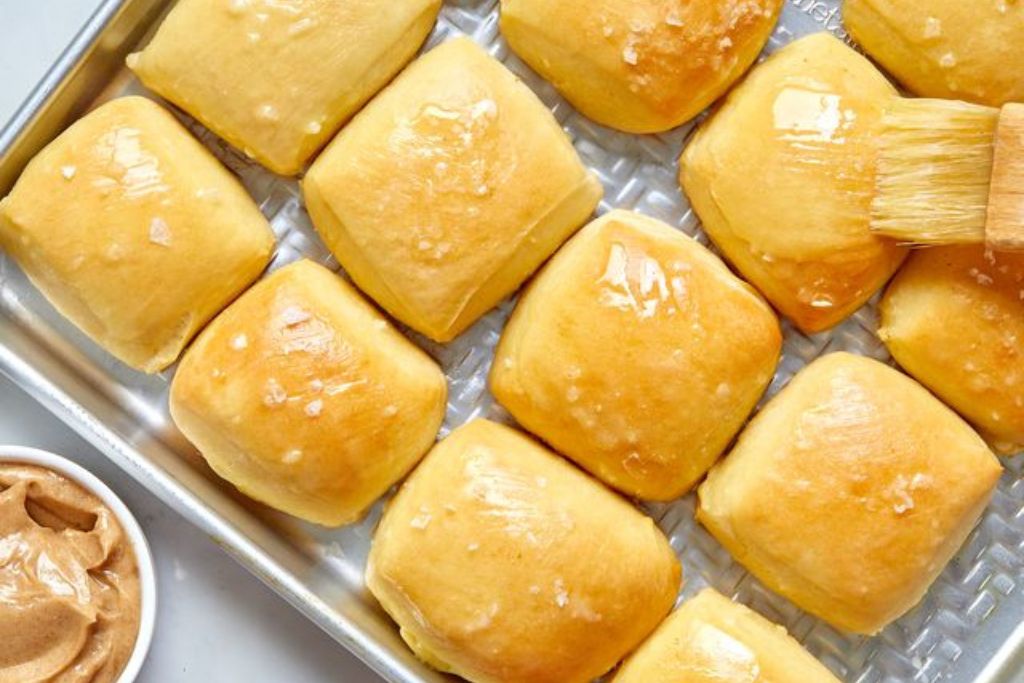
While the exact proprietary recipe for the Texas Roadhouse roll remains a closely guarded secret, a general understanding of their preparation can be inferred from common baking practices for similar yeast rolls. Typically, such rolls are made with a base of enriched dough, incorporating flour, yeast, water or milk, sugar, salt, and a significant amount of fat, such as butter or shortening. The high fat content contributes to the rolls’ characteristic softness and rich flavor. The sugar not only aids in the yeast’s fermentation process but also provides a subtle sweetness that complements the savory aspects of the meal. The baking process itself is crucial, with the rolls often baked at high temperatures to achieve a golden-brown crust while maintaining a tender interior. The accompanying cinnamon butter, a blend of softened butter, powdered sugar, and cinnamon, further enhances the sweet and indulgent nature of this bread offering. This meticulous attention to ingredient quality and preparation techniques is what elevates the simple bread roll into a memorable culinary experience, a key aspect for anyone interested in food tourism.
Deconstructing the Carbohydrate Content
The primary question for many health-conscious diners, or those simply curious about their intake, revolves around the carbohydrate count of the Texas Roadhouse roll. Carbohydrates are a fundamental macronutrient, serving as the body’s primary source of energy. In the context of baked goods like bread rolls, carbohydrates are predominantly derived from the flour used in their creation.
Estimating Carb Counts: A Nutritional Perspective

While Texas Roadhouse does not publicly disclose the precise nutritional information for their rolls, estimates can be made based on standard recipes for similar items. A typical, medium-sized dinner roll (around 1.5 to 2 ounces) made with enriched white flour can contain anywhere from 15 to 25 grams of carbohydrates. Given the generous size and rich composition of the Texas Roadhouse roll, it is reasonable to assume its carbohydrate content falls within this range, potentially leaning towards the higher end due to added sugars and fats. The cinnamon butter spread, while delicious, also contributes to the overall carbohydrate and caloric intake, primarily through its sugar content. For individuals closely monitoring their carbohydrate consumption, whether for dietary reasons like managing diabetes or adhering to specific eating plans, it is important to account for these factors. This awareness allows for more informed choices when dining out and engaging in food tourism, ensuring that culinary exploration aligns with personal health goals.
The Role of Bread in American Dining Culture and Tourism
Bread, in its myriad forms, has long been a staple in cuisines worldwide, and its significance in American dining culture is undeniable. From the humble diner’s complimentary bread basket to the artisanal loaves found in upscale eateries, bread serves as a fundamental accompaniment to meals, a vehicle for sauces, and a comforting element of the dining experience. In the context of food tourism, iconic bread offerings from establishments like Texas Roadhouse become part of the narrative of American culinary landscapes. They represent a familiar, comforting taste that many travelers seek out, offering a glimpse into the country’s casual dining traditions. The anticipation and enjoyment of these rolls are part of the sensory experience that defines a visit to such restaurants.
Bread as a Culinary Icon and Travel Incentive
The Texas Roadhouse roll, with its distinct texture and flavor, has transcended its role as a mere side dish to become a culinary icon in its own right. Its widespread recognition and popularity can act as a subtle incentive for travelers, particularly those exploring different regions of the United States. A planned stop at a Texas Roadhouse might be influenced by the craving for these rolls, contributing to the overall itinerary and dining choices made during a trip. This phenomenon highlights how specific food items can become integral to the perception and appeal of a dining destination, adding a layer of gastronomic interest to travel plans. For many, the experience of enjoying these warm, freshly baked rolls is an essential part of their visit to the restaurant, embodying the comforting and generous spirit often associated with American hospitality.
Making Informed Choices for Your Dining Experience
For those who enjoy the Texas Roadhouse experience but are mindful of their carbohydrate intake, several strategies can be employed. Understanding that the rolls are a significant source of carbohydrates and calories allows for proactive decision-making.
Strategies for Carb-Conscious Dining
- Portion Control: While it can be tempting to indulge in multiple rolls, opting for just one or sharing a roll with a dining companion can significantly reduce carbohydrate consumption.
- Mindful Consumption: Savoring the roll slowly and enjoying its texture and flavor can enhance the experience without needing to consume more.
- Pairing with Lower-Carb Meals: Choosing entrées that are naturally lower in carbohydrates, such as grilled steaks or seafood, and focusing on non-starchy vegetable sides can help balance the meal’s overall nutritional profile.
- Limiting Added Sugars: While the cinnamon butter is a key component of the enjoyment, moderating its use or opting for a lighter spread can also help manage sugar and carbohydrate intake.
- Hydration: Choosing water or other zero-calorie beverages over sugary drinks further contributes to a healthier meal.
By employing these simple yet effective strategies, diners can continue to enjoy the popular Texas Roadhouse roll as part of their dining experience while aligning with their personal dietary goals. This approach ensures that food tourism remains a joyous and accessible pursuit, even for those with specific nutritional considerations. The goal is to find a harmonious balance between culinary exploration and personal well-being, allowing for a more fulfilling and enjoyable journey through the diverse offerings of the gastronomic world.
LifeOutOfTheBox is a participant in the Amazon Services LLC Associates Program, an affiliate advertising program designed to provide a means for sites to earn advertising fees by advertising and linking to Amazon.com. Amazon, the Amazon logo, AmazonSupply, and the AmazonSupply logo are trademarks of Amazon.com, Inc. or its affiliates. As an Amazon Associate we earn affiliate commissions from qualifying purchases.